


Navigating the world of beauty products can feel overwhelming, especially when you start to uncover the hidden ingredients lurking in your favorite lipsticks and foundations. For many of us, makeup is a daily ritual—a way to express ourselves and boost our confidence—but the reality of what goes onto our skin (and ultimately into our bodies) is often less glamorous. Choosing non-toxic makeup isn’t just about following a trend; it’s about making informed decisions for your long-term health and well-being, ensuring that your beauty routine supports rather than compromises your vitality.
Hi, I’m Katrina, and like you, I’m just an everyday person trying to make better choices for myself and the planet. I started this journey into sustainable living not because I’m a scientist or an industry insider, but because I started reading labels and realized I couldn’t pronounce half of what I was putting on my face every morning. It was a wake-up call that sent me down a rabbit hole of research, swapping out products, and discovering that “clean” beauty doesn’t have to mean sacrificing performance. I’m so glad you’re here to learn with me—let’s dive in and demystify the process of building a safer, healthier makeup bag together.
The Reality of Regulation and the “Toxic” Label
Understanding the Global Gap: One of the most shocking discoveries for many consumers is the vast disparity in cosmetic regulations depending on where you live. While the European Union maintains one of the world’s strictest lists of banned cosmetic ingredients, the United States still restricts only a comparatively small number at the federal level. This regulatory chasm means that a product legally sold in one country might be deemed unsafe in another, placing the burden of safety squarely on the shoulders of the consumer to understand what they are buying.
Defining “Non-Toxic” in an Unregulated Market: The term “non-toxic” itself is not strictly regulated in many parts of the world, leading to confusion and misuse. Generally, when experts and advocates use this term, they are referring to products formulated without ingredients linked to adverse health effects such as endocrine disruption, cancer, or neurotoxicity. It goes beyond acute poisoning to consider the long-term, cumulative exposure to low levels of chemicals that can bioaccumulate in our bodies over decades of daily use.
The Precautionary Principle: At the heart of the non-toxic movement is the “precautionary principle,” a philosophy often adopted by stricter regulatory bodies and conscious brands. This approach suggests that if an ingredient has a suspected risk of causing harm to the public or the environment, protective action should be taken even before there is irrefutable scientific proof. By adopting this mindset for your own cosmetic choices, you prioritize safety and peace of mind, choosing to avoid questionable ingredients rather than waiting for them to be proven harmful years down the line.
Now that we understand the regulatory landscape, let’s explore the specific ingredients that you should be keeping an eye out for on your ingredient labels.
Key Ingredients of Concern to Avoid
Per- and Polyfluoroalkyl Substances (PFAS): Often dubbed “forever chemicals” because they do not break down in the environment or the human body, PFAS in cosmetics are used to increase durability and water resistance and have been associated with immune system effects and other health concerns.
Heavy Metals in Pigments: Color cosmetics, by their very nature, rely on minerals and pigments, but these can sometimes be contaminated with heavy metals like lead, arsenic, cadmium, and mercury. While these metals occur naturally in the earth, their presence in lipstick and face powders is concerning because these products are often ingested or inhaled; sourcing from brands that test for heavy metals is crucial to minimizing this exposure.
Endocrine Disrupting Preservatives: Parabens (often listed as methylparaben, propylparaben, etc.) and phthalates are commonly used to extend shelf life and improve texture, but research has identified them as potential endocrine disruptors that can mimic estrogen in the body. Although many mainstream brands defend their safety in small amounts, the cumulative effect of using multiple products containing these disruptors every day is a valid concern for anyone looking to support their hormonal health.
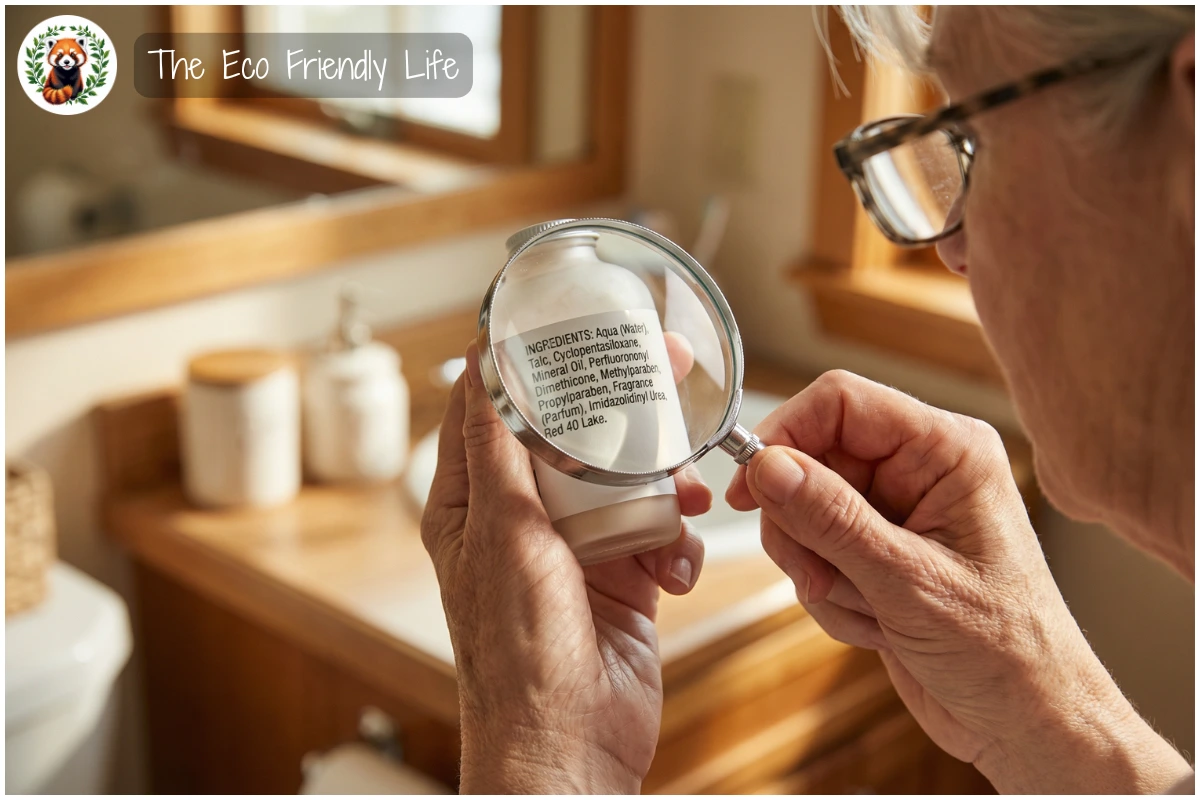
Identifying these ingredients is the first step, but with so much “greenwashing” in the industry, knowing which certifications to trust is equally important for making safe choices.
Navigating Certifications and Greenwashing
The “Natural” Trap: It is important to be wary of terms like “natural,” “eco-friendly,” or “green” on packaging, as these are often unregulated marketing buzzwords that can mean anything the brand wants them to mean. A product can claim to be “natural” while still containing synthetic preservatives or fragrances, making it essential to look past the front label and flip the bottle over to read the actual ingredient list or look for third-party verification.
Trusted Third-Party Standards: To cut through the noise, look for rigorous, independent certifications that hold brands to strict standards of safety and transparency. Logos such as EWG Verified™, which ensures a product meets EWG Verified standards for chemicals of concern, or COSMOS/EcoCert, which guarantees a high percentage of organic ingredients based on COSMOS standard requirements, serve as a reliable shorthand for safety that you can trust without needing a chemistry degree.
Cruelty-Free vs. Non-Toxic: While often overlapping, it is vital to understand that “cruelty-free” (not tested on animals) does not automatically mean “non-toxic” or safe for humans. You can have a cruelty-free product that is full of synthetic dyes and harsh chemicals, just as you can have a clean product that was tested on animals; for the most ethical and safe choice, look for brands that carry both a safety certification and a cruelty-free logo like Leaping Bunny.
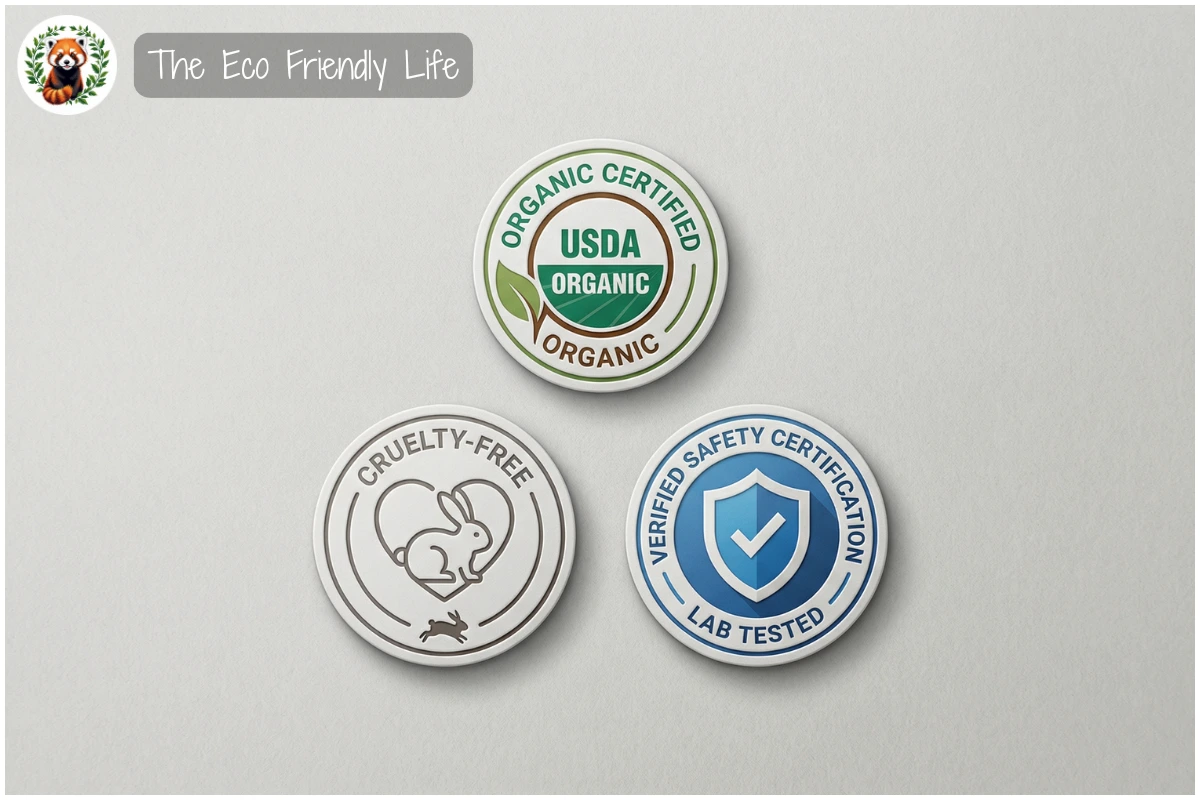
Armed with this knowledge, you might be wondering where to actually find these trustworthy products. Next, I’ll share two retailers I rely on who ship globally and have done the hard work of vetting products for us.
Brands and Tools That Support the Planet — Our Recommendations
Finding a single store that vets every product for safety can save you hours of reading labels. Here are two retailers I trust that prioritize health, sustainability, and transparency, and are accessible to readers around the world.
Our Retailer Recommendation for Adults
The Detox Market – The Home of Green Beauty Excellence
The Detox Market is a premier destination for “green beauty,” born out of a desire to create a safe haven for products free from toxicity. They have an incredibly strict vetting process, banning a long list of harmful ingredients and focusing on high-performance, cruelty-free brands. While based in North America, they ship internationally to many countries, ensuring that access to safe, luxury beauty isn’t limited by borders. Their curated Best Sellers” Collection is the perfect place to start your transition, featuring high-performance foundations, mascaras, and lip cheeks that rival any conventional luxury brand.
Our Retailer Recommendation for Kids/Families
Ecco Verde – Safe Play Makeup for the Whole Family
Ecco Verde is a leading European retailer that specializes in high-quality organic cosmetics and ships globally to over 80 countries. They are a fantastic resource for families because they stock the certified organic kids’ makeup brand Namaki. This French brand creates hypoallergenic face paint kits, mascaras, and water-based nail polishes specifically designed for children, offering a safe, non-toxic way for kids to play with color.
Now that you know where to shop, let’s look at the broader impact of your beauty routine, specifically regarding packaging and ethical sourcing.
Sustainable Packaging and Ethical Sourcing
The Hidden Cost of Mica: Beyond the ingredients themselves, the sourcing of minerals like mica—the shimmering dust used in eyeshadows and highlighters—has a dark history often linked to child labor in illegal mines. Ethical non-toxic brands are increasingly transparent about their supply chains, opting for certified ethically mined mica or lab-created synthetic mica (synthetic fluorphlogopite) which is safe, pure, and free from human rights abuses.
The Plastic Problem: The beauty industry is a massive contributor to global plastic waste, producing an estimated 120 billion packaging units a year that often end up in landfills or oceans, with around 95% of that packaging going unrecycled.
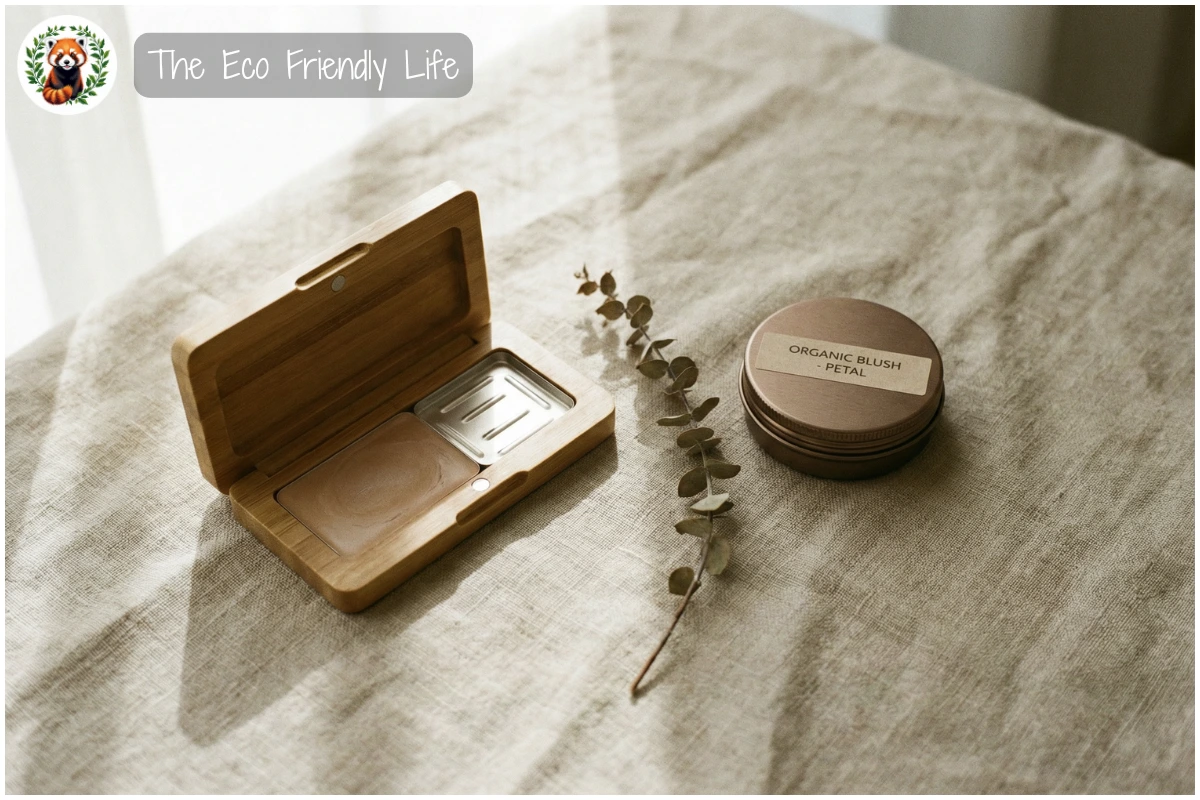
Refillable Systems: One of the most important innovations in the sustainable beauty space is the rise of refillable makeup systems where you purchase a high-quality durable case once and simply replace the product pan when it runs out. This model significantly reduces waste and often saves you money in the long run, aligning your financial and environmental values with your health goals.
Making the switch doesn’t have to happen overnight. In the next section, I’ve broken down some practical, bite-sized actions you can take today to start cleaning up your routine.
Practical Daily Tips You Can Action Today
Here are ten actionable steps you can take immediately to reduce your toxic load and build a healthier beauty habit.
| Practical Tip | How to Implement | How It Helps |
|---|---|---|
| Read the “Big 3” | Check labels specifically for Parabens, Phthalates, and “Fragrance”. | Avoiding just these three significantly lowers your exposure to endocrine disruptors. |
| Download a Scanner App | Install an app like Yuka or Think Dirty on your phone. | Scanning barcodes while shopping gives you instant, easy-to-understand safety ratings. |
| Start with Lip Products | Prioritize replacing lipsticks and glosses first. | Since you inevitably ingest what is on your lips, this switch has the highest immediate health impact. |
| Ditch the “Parfum” | Choose products labeled “fragrance-free” or scented only with essential oils. | This avoids hundreds of hidden, undisclosed chemicals often grouped under the term “parfum”. |
| Check Expiration Dates | Throw away old makeup, especially mascara (replace every 3 months). | Old products can harbor bacteria and degradation byproducts that cause infection or irritation. |
| Wash Brushes Weekly | Clean your tools with a gentle, non-toxic soap. | This prevents bacterial buildup that can cause breakouts and reduces the need for heavy preservatives in your makeup. |
| Skip Waterproof Daily | Reserve waterproof mascara for special occasions only. | It typically requires harsher chemicals to adhere and stronger solvents to remove, which stresses the delicate eye area. |
| Look for “Talc-Free” | Choose powder products explicitly labeled as talc-free. | Talc can be contaminated with asbestos, a known carcinogen, so avoiding it eliminates this risk entirely. |
| Simplify Your Routine | Challenge yourself to use fewer products. | Reducing the total number of items you apply daily naturally lowers your overall chemical burden. |
| Buy Multi-Use Sticks | Opt for a lip-and-cheek tint stick. | One product doing two jobs means less packaging waste and fewer ingredients to vet. |
Implementing these small changes can create a ripple effect for your health. To clear up any remaining questions, here are some answers to common queries I hear about switching to non-toxic makeup.
FAQs
Does non-toxic makeup actually last as long as conventional makeup?
Yes, modern natural formulations have advanced significantly and often perform just as well as conventional brands. While they may lack some of the “24-hour stay” chemicals, many use high-performance natural pigments and waxes that offer excellent longevity.
Is non-toxic makeup more expensive?
It can be, as ethically sourced ingredients and sustainable packaging often cost more to produce than cheap synthetic fillers. However, there are now many affordable “clean” drugstore options, and investing in fewer, higher-quality multi-use products can balance the cost.
Can I trust a product just because it says “organic”?
Not necessarily, as the word “organic” is not heavily regulated in the cosmetic industry unless it carries a specific seal. Always look for a certified logo like USDA Organic or COSMOS Organic to ensure the claim is verified and meets strict standards.
Does “chemical-free” mean a product is safe?
“Chemical-free” is a marketing myth because everything, including water and plants, is made of chemicals. What you really want to look for are products free from harmful synthetic chemicals and toxins, rather than “chemicals” in general.
Organizations to Support – Our Recommendations
Global Non-Profits Fighting for Safer Beauty
- Breast Cancer Prevention Partners (Campaign for Safe Cosmetics)
This coalition works to eliminate dangerous chemicals linked to cancer from personal care products. You can support the Breast Cancer Prevention Partners to help them drive legislative change and pressure retailers for stricter safety policies. - Environmental Working Group (EWG)
Famous for its “Skin Deep” database, the EWG conducts research on cosmetic safety and educates consumers globally. You can make a donation to the EWG to support their mission of protecting human health and the environment. - Plastic Soup Foundation (Beat the Microbead)
This organization fights against plastic pollution at its source, specifically targeting microplastics in cosmetics. Please consider supporting the Plastic Soup Foundation to aid their campaigns empowering consumers to detect hidden plastics.
One of the best ways to continue this journey is to stay informed. Here are some expert resources where you can deepen your knowledge.
Resources and Further Reading
Expert Sources for Deepening Your Knowledge
- EWG’s Skin Deep® Database
Search thousands of products and ingredients on the EWG’s Skin Deep® Database to see their safety ratings based on current science. - INCI Decoder
Use the INCI Decoder website to explain ingredient lists in plain English, helping you understand exactly what each complex-sounding chemical actually does. - Safe Cosmetics
Explore the Campaign for Safe Cosmetics for science-based fact sheets on specific chemicals of concern and tips for safer products.
Our Related Articles
The Basics Of Organic Skincare: Key Ingredients And Benefits
The beauty and skincare world has witnessed a remarkable transformation in recent years, with more people seeking products that nourish their skin while respecting the…
Read More
Understanding Natural Approaches To Health And Beauty
In today’s world, the conversation around health and beauty has shifted dramatically. Rather than chasing quick fixes or unproven trends, people worldwide are rediscovering what…
Read MoreConclusion
Choosing non-toxic makeup is a powerful way to vote for a healthier future—both for your own body and for the planet. By understanding the ingredients to avoid, recognizing the certifications that matter, and supporting retailers and organizations that prioritize safety over profit, you are taking control of your wellbeing in a profound way. Remember, it’s not about perfection or throwing away your entire makeup bag today; it’s about making one better choice at a time, whether that’s swapping your lipstick or reading a label before you buy.
I’d love to hear from you—what is the one beauty product you simply can’t live without, and have you found a clean alternative for it yet? Let me know in the comments below!