

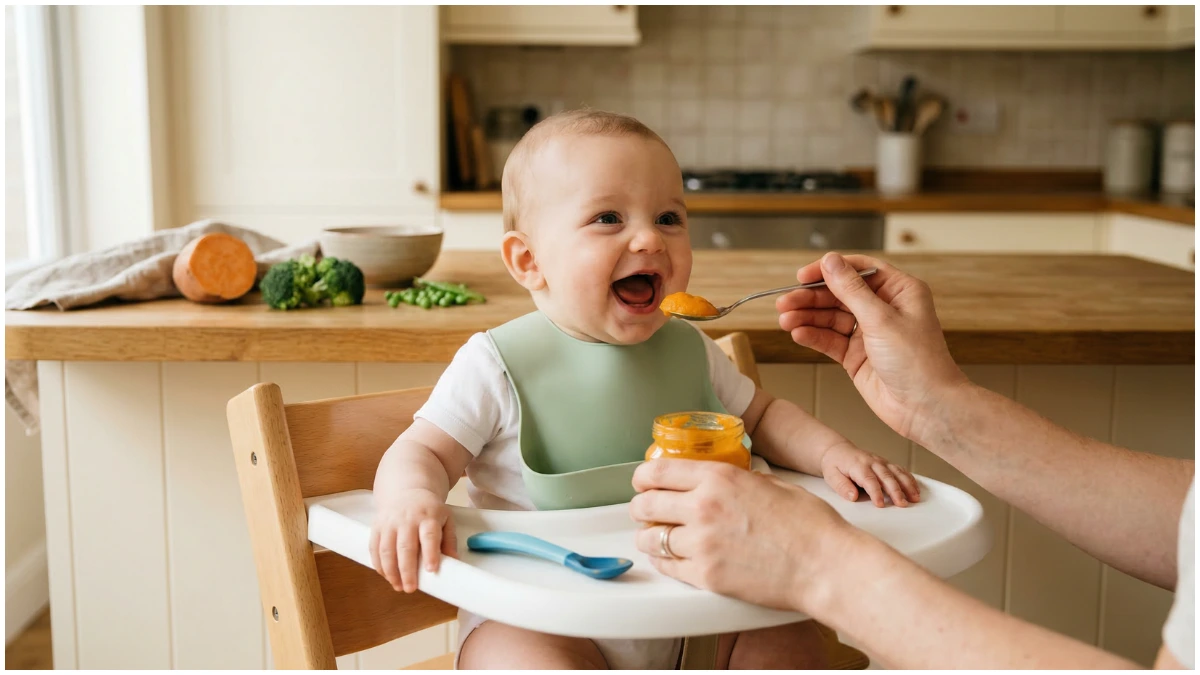

Starting your baby on solid foods is one of the most rewarding milestones of early parenthood. The transition from milk to food opens up a world of flavors, textures, and nutrients — and the choices you make during this window can shape your child’s relationship with food for years to come. Homemade baby food, in particular, offers a powerful way to nourish your little one with fresh, wholesome ingredients while side-stepping the additives and preservatives that quietly find their way into many commercial alternatives.
Hi, I’m Katrina — a parent and home cook who stumbled into sustainable living one small decision at a time, and never quite looked back. I don’t have a nutrition degree or a perfectly curated kitchen, but I do have a genuine passion for feeding my family in a way that’s good for them and gentler on the planet. When I started making my own baby food, I was honestly surprised by how simple it was, how much waste it saved, and how enthusiastically my baby took to real, freshly prepared flavors. Welcome — I’m so glad you’re here. If you’re wondering whether homemade baby food is worth the effort, read on, because I think the answer will surprise you.
Why Homemade Baby Food Is Better for Your Baby
Fresher ingredients, greater nutritional value: Commercial baby food is typically heat-processed at very high temperatures to achieve the shelf life required for retail distribution. This processing degrades heat-sensitive nutrients, including vitamin C, folate, and a range of beneficial enzymes. When you prepare food at home using fresh vegetables, fruits, legumes, and grains, your baby receives a significantly higher concentration of naturally occurring vitamins and minerals. The first two years of a child’s life are particularly important — optimal nutrition during this period reduces the risk of chronic disease and supports better development overall, making nutritional density during this window something that genuinely matters.
No hidden additives: A careful look at the ingredient lists on many commercial baby food pouches reveals thickeners, modified starches, added sugars listed as fruit juice concentrate, and flavor enhancers — even in products labelled “organic” — as recent research shows. When you make food at home, you know precisely what goes in, and more importantly, what doesn’t. This level of control is especially valuable for families navigating food allergies, intolerances, or digestive sensitivities, where identifying a trigger ingredient can make a significant difference to a baby’s comfort and well-being.
Flavor variety from the very beginning: Babies who encounter a wide range of flavors and textures early in the weaning process are far more likely to accept diverse foods as they grow. Homemade food gives you the freedom to use seasonal produce, mild herbs, and aromatic spices that commercial brands rarely include. A pinch of cinnamon stirred into apple purée, or a whisper of cumin folded through lentil mash, exposes your baby’s developing palate to the richness of real food right from the start — a gift that carries well into childhood and beyond.
The case for homemade baby food when it comes to your child’s health is compelling. But there’s another equally important dimension to this choice — what it means for our planet.
The Eco-Friendly Case for Making Your Own Baby Food
The packaging problem: The global baby food industry generates a staggering volume of single-use plastic waste. Squeezable pouches, which have become the dominant format for commercial infant food, are almost universally non-recyclable due to their multi-layer laminate construction. A family relying on store-bought pouches throughout the weaning period can easily work through hundreds of them before their child moves to table food. Preparing food at home eliminates this waste stream almost entirely, replacing non-recyclable packaging with reusable glass jars, silicone freezer trays, and stainless steel containers.
A significantly smaller carbon footprint: Commercial baby food travels a considerable distance before it reaches your kitchen — from farm to processing facility, to warehouse, to distribution center, to supermarket shelf. Each link in that supply chain contributes to greenhouse gas emissions. Home cooking, particularly when you use locally sourced or seasonal produce, dramatically reduces the food miles associated with feeding your baby. Buying a bag of sweet potatoes from a local market and steaming a batch at home is one of the most carbon-efficient feeding choices a parent can make.
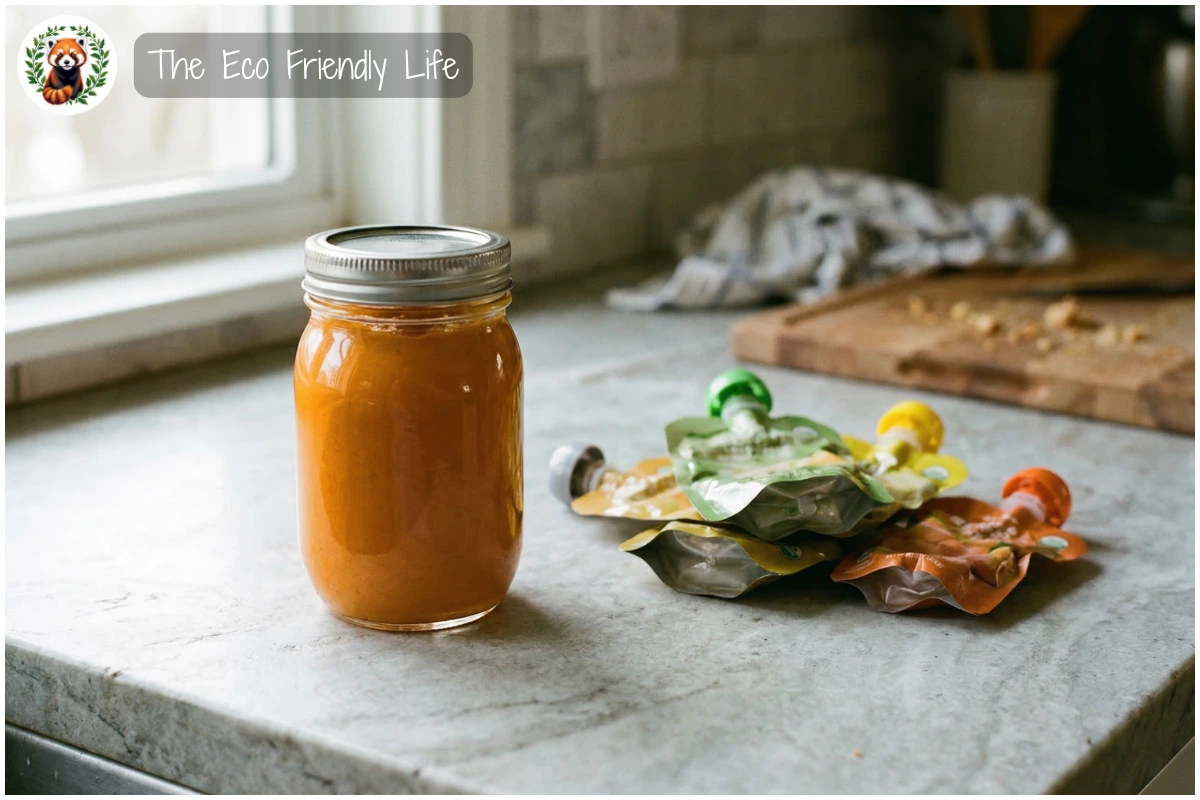
Turning food waste into nourishment: One of the most overlooked eco benefits of homemade baby food is the ability to use produce that might otherwise go to waste. Overripe bananas, soft pears, leftover roasted root vegetables — all perfectly suited to baby purées. This approach reduces household food waste, which is one of the most significant contributors to landfill methane emissions globally. When nothing gets thrown away, everyone wins.
Reusable tools that save money, too: Switching to home preparation naturally steers you toward a more sustainable feeding kit. Glass jars and silicone freezer trays replace single-use packaging at a fraction of the ongoing cost. Many parents find that the savings on homemade baby food across the full weaning period more than offset the initial investment in equipment — making this one of the rare situations where the eco-friendly option is also the budget-friendly one.
The environmental argument for homemade baby food is clear. Now let’s get into the practical side — how do you actually make it, and what do you need to get started?
How to Make Baby Food at Home
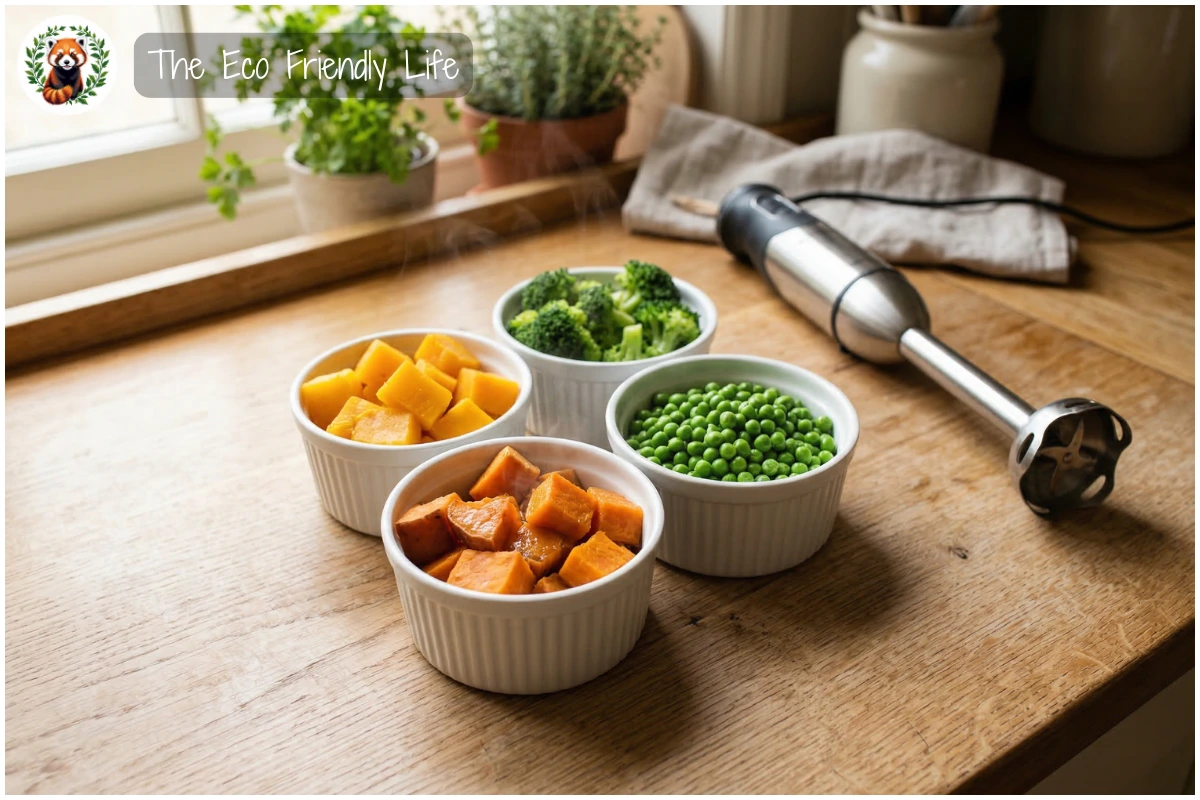
Starting simply with single ingredients: The good news is that you don’t need culinary training or expensive equipment to make excellent baby food. For first foods — introduced at around six months of age, in line with World Health Organization guidance — single-ingredient purées are ideal. Steam or bake your chosen vegetable or fruit until completely tender, then blend with a stick blender or small food processor, adding a little of the cooking water, breast milk, or formula to achieve the right consistency. That is genuinely all it takes to begin.
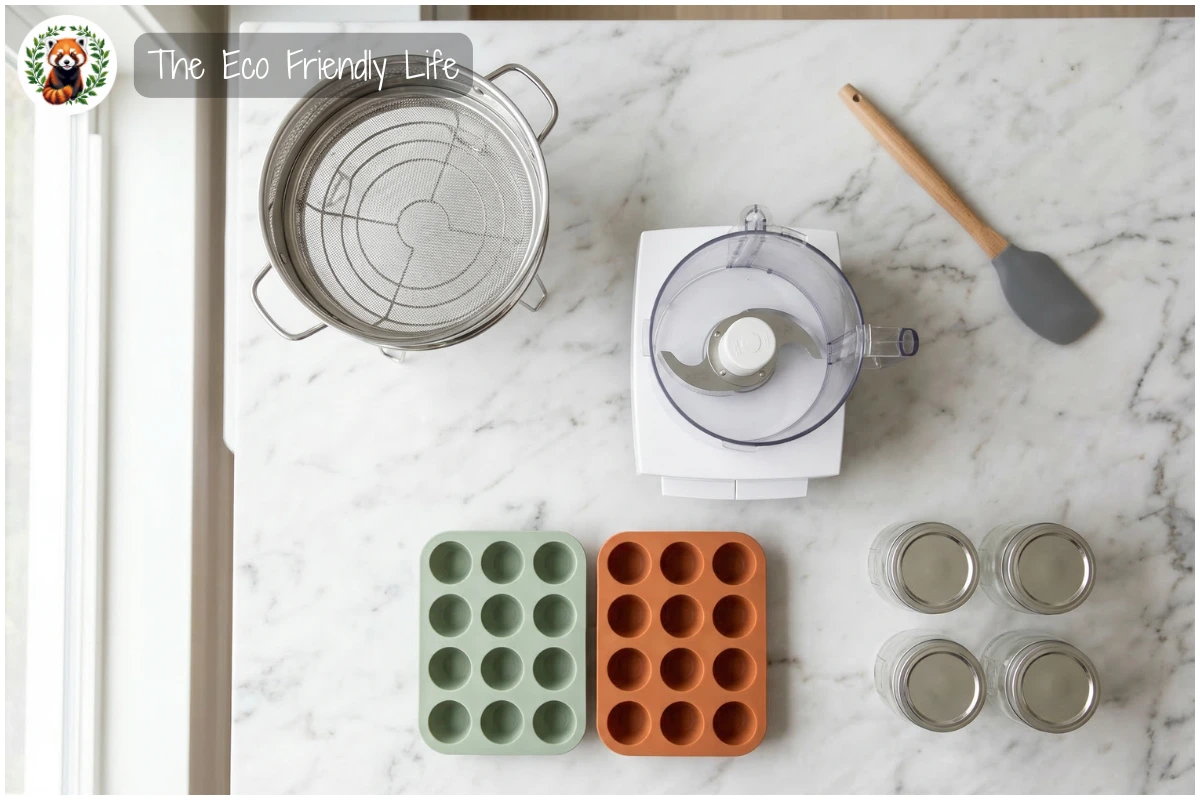
Building your equipment kit: A practical starting setup includes a steamer basket, a stick blender or compact food processor, silicone ice cube trays for portion freezing, and a set of glass jars or freezer-safe containers. For families wanting a more streamlined process, an all-in-one baby food maker combines steaming and blending in a single appliance, which saves both time and washing up. As your baby moves through the stages of weaning, a simple fork and potato masher become surprisingly useful tools for achieving lumpier textures at the appropriate time.
Progressing through textures as baby develops: Weaning is a gradual process, and the texture of food should evolve alongside your baby’s growing oral motor skills. Around six months, smooth purées and very soft mashes are best. By eight to ten months, most babies are ready for lumpier textures and soft finger foods alongside their purées. By twelve months, many can manage much of what the rest of the family eats, with appropriate modifications such as removing salt and cutting food into safe pieces. Following this natural progression builds the chewing and swallowing skills that underpin healthy eating for life.
Simple recipe ideas to get you started: Some of the most nutritious and popular first foods include sweet potato purée, steamed and blended broccoli, avocado mashed with ripe banana, cooked red lentil purée, and soft-cooked pear or apple. As your baby develops, you can layer flavors and introduce whole grains like oats and quinoa, protein-rich legumes, and small amounts of full-fat dairy. The goal is a varied, colorful bowl — and the range of possibilities is genuinely satisfying once you get going.
Batch cooking to save time: The most efficient approach to homemade baby food is batch cooking — dedicating one to two hours on a weekend to prepare multiple types of food at once. Freeze portions in silicone ice cube trays, then transfer the frozen cubes to labelled freezer bags. Most purées keep beautifully for up to three months in the freezer, giving you a full week’s worth of varied meals from a single cooking session.
You now have the know-how to start making baby food with confidence. To help you build the right kit from the ground up, here are our top product and retailer recommendations — covering kitchen tools, quality organic food for busy days, sustainable feeding gear, and nutrition education to take you well beyond the baby food stage.
Brands and Tools That Support the Planet — Our Recommendations
Having the right tools and resources makes the whole experience easier, more enjoyable, and more sustainable. Here are our top picks — carefully chosen to match every stage of the homemade baby food journey, from the first purée to the family table.
Our Retailer Recommendations for Adults
Grownsy
Grownsy makes one of the most practical tools for getting started with homemade baby food — their all-in-one baby food makers steam and blend in the same bowl, preserving nutrients and cutting down on washing up. Their 4th-generation steam-and-blend model is specifically designed to take you from smooth first purées right through to lumpier textures as your baby develops — no separate appliances needed. They ship internationally.
Cerebelly
Created by a pediatric neurosurgeon, Cerebelly produces USDA-certified organic baby food pouches formulated with 16 brain-supporting nutrients and no added sugar. Their variety packs and bundles are a genuinely high-quality complement to homemade food — perfect for travel days or weeks when batch cooking simply isn’t possible, without compromising on the nutritional standards you’ve set at home.
Nuby
Nuby offers a comprehensive range of BPA-free feeding tableware, soft-spout sippy cups, and weaning essentials designed specifically for babies and toddlers moving through the stages of solid food introduction. Their reusable, dishwasher-safe products replace single-use feeding options and are built to grow with your child — from first purées through to independent eating. For a convenient all-in-one option, the Toddler Feeding Set includes a plate, bowl, cup, fork, spoon, and snack keeper. Available globally through their US store, UK store, and Australian store.
Kitchen Stewardship
Kitchen Stewardship offers a range of resources — including the Kids Cook Real Food eCourse, Better Than a Box, Healthy Snacks to Go, and The Healthy Lunch Box — designed to help parents build real food confidence in their household from the very beginning. Their resources are a fantastic companion for parents wanting to move beyond the baby food stage and raise genuinely adventurous eaters — with practical guidance that makes healthy home cooking a sustainable family habit rather than a chore.
Our Retailer Recommendations for Kids/Families
GourmetBubs
GourmetBubs specializes in baby feeding sets, mealtime accessories, and weaning tools designed for the exact transition this article is all about — moving from purées to family foods in a practical, enjoyable way. Their flagship 8 Piece Feeding Set is a standout choice, including a suction bowl and plate, anti-choke spoon and fork, bamboo toddler cutlery, a non-slip placemat, and an adjustable bib with a food-catching pouch — available in colours like Sage and Apricot to suit every little one. For a more comprehensive setup, the Premium Bundle expands to 14 pieces, while their waterproof feeding smocks offer extra protection during the messier moments of exploring family foods.
Little Spoon
Little Spoon delivers fresh, organic baby food and toddler meal subscriptions made from whole food ingredients with no preservatives or artificial additives — directly to your door. Their range grows with your child, from organic baby purées and soft Biteables for early self-feeders, through to toddler and kids’ Plates and junk-free snacks, making them an ideal bridge between homemade batch cooking and the broader family table. Available in the US.
With the right tools in your kitchen and trusted resources on hand, you’re well placed to make homemade baby food a confident, joyful part of everyday life. Now let’s look at one of the most rewarding long-term benefits of making food at home — the opportunity to build healthy eating habits that stick for life, starting right from your baby’s very first meal.
Building Lifelong Healthy Eating Habits from Day One
The weaning window is a critical period: The flavors a baby encounters during their first year of eating have a lasting influence on food preferences well into childhood and adolescence. Pediatric nutrition specialists identify the weaning period as a uniquely sensitive window for shaping taste acceptance — babies who experience a wide variety of flavors during this time are considerably less likely to become selective eaters as toddlers. Homemade food, with its inherent variety, gives you the tools to make that diversity a daily reality.
Introducing common allergens early and confidently: Current allergy guidance from the American College of Allergy, Asthma and Immunology now recommends introducing common allergenic foods such as peanut, egg, tree nuts, fish, and wheat early and regularly, rather than delaying them — as there is no evidence that delayed introduction prevents allergies, and early exposure may actively help prevent them. Homemade baby food makes this straightforward: a small amount of smooth peanut butter blended into a fruit purée, or soft-boiled egg mashed into sweet potato, allows you to introduce these foods in a controlled, natural, and low-stress way.
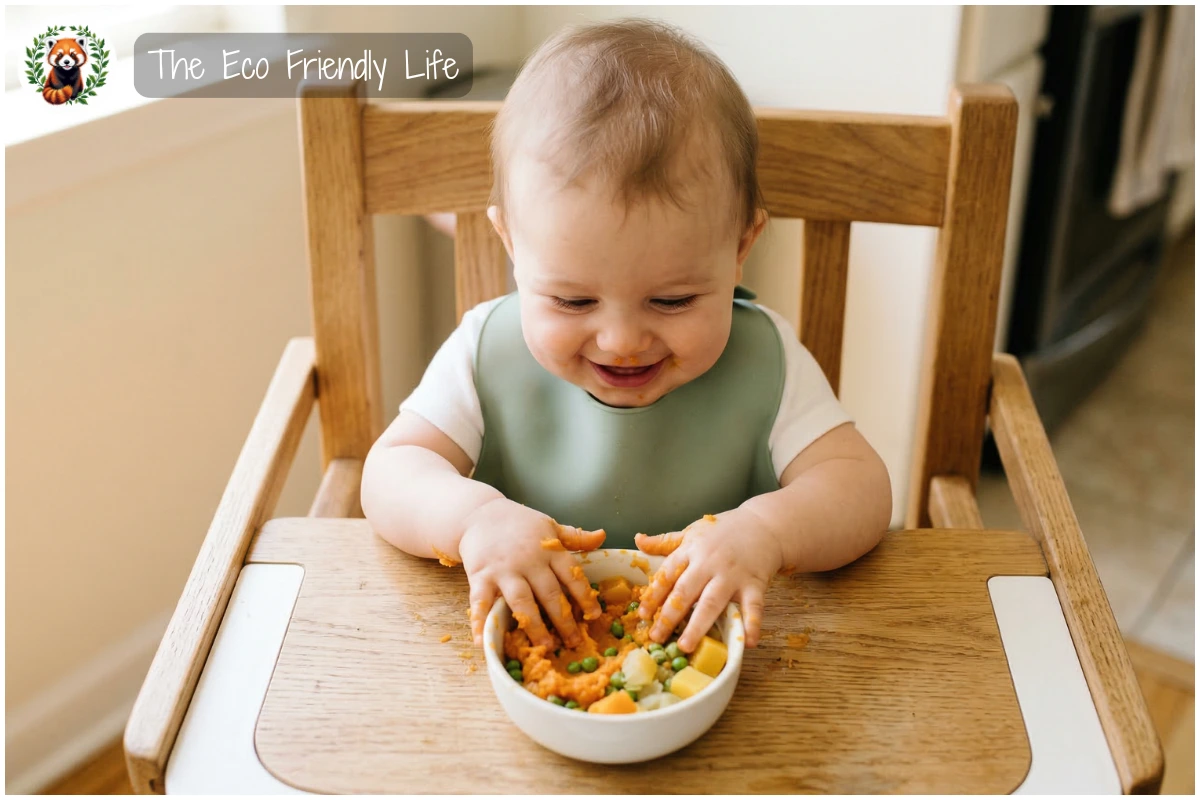
Sharing family meals as early as possible: One of the most effective strategies for raising adventurous eaters is also one of the simplest — letting babies eat alongside the family from as early as possible. As weaning progresses, you can increasingly modify family meals for little ones by adjusting texture, removing salt, and avoiding added sugar and honey. Sharing the table reduces the effort of preparing entirely separate meals and, just as importantly, embeds eating in a warm social context, building positive emotional associations with food from the very beginning.
Responsive feeding builds a healthy relationship with food: WHO complementary feeding guidance places great emphasis on responsive feeding — following a baby’s hunger and fullness cues, feeding slowly and patiently, and encouraging without forcing. Homemade food supports this beautifully. When you’ve batch-cooked a tray of butternut squash purée at minimal cost, there is no pressure to empty the serving. Trusting your baby’s appetite and honoring their signals lays the foundation for a healthy, intuitive relationship with food that can genuinely last a lifetime.
You now have the knowledge, the tools, and the mindset. Let’s bring it all together with ten simple, actionable tips you can start putting into practice today.
Practical Daily Tips You Can Action Today
Small, consistent actions are what turn good intentions into lasting habits. These tips are easy to implement, regardless of where you live or how busy your household is.
| Tip | How to Implement | Why It Helps |
|---|---|---|
| Batch cook once a week | Set aside one to two hours on a weekend to steam and blend several vegetables and fruits, then freeze in silicone trays. | Saves daily prep time and ensures a variety of nutritious food is always on hand. |
| Use your freezer like a pantry | Freeze purée cubes overnight in trays, then transfer to labelled freezer bags. Most purées keep for up to three months. | Preserves food at peak freshness, reduces waste, and cuts last-minute mealtime stress. |
| Cook once, feed twice | Before seasoning the family dinner, set aside a small portion of unseasoned vegetables or protein for baby and blend or mash as needed. | Saves time and keeps baby eating the same whole foods as the rest of the family. |
| Introduce one new food at a time | Offer each new ingredient for two to three days before combining it with others or moving on to the next food. | Makes it straightforward to identify food sensitivities and track everything baby has tried. |
| Buy seasonal, local produce | Visit a local market or greengrocer and choose whatever is in season and at its freshest. | Reduces food miles, supports local growers, and maximises both flavour and nutritional value. |
| Swap pouches for reusable containers | Use glass jars or BPA-free silicone pouches for on-the-go feeding instead of single-use commercial options. | Significantly reduces plastic waste across the weaning period and saves money over time. |
| Offer refused foods again and again | If baby turns away a new food, offer it again on several separate occasions over the following weeks. | Repeated exposure is how taste acceptance develops — patience and persistence pay off. |
| Prioritise iron-rich foods from six months | Include lentils, puréed meat, egg yolk, or iron-fortified oats regularly from the very start of weaning. | Iron is critical for healthy brain development, and breast milk alone does not provide enough after six months. |
| Let texture evolve with your baby | From around eight months, leave soft lumps in purées and introduce age-appropriate finger foods alongside mashes. | Builds the chewing and swallowing skills that are essential for long-term healthy eating ability. |
| Make mealtimes a family affair | Eat together whenever possible and let older children help wash produce or mash soft foods with a fork. | Creates a positive food culture and teaches children from an early age where food comes from. |
Those practical steps are a great foundation. Now let’s address some of the questions that come up most often as parents start out on the homemade baby food journey.
Frequently Asked Questions
When should I start introducing solid foods? The World Health Organization recommends introducing solid foods at around six months of age, while continuing breastfeeding. Always consult your pediatrician for personalized guidance, as individual babies may show readiness signs slightly earlier or later.
Is it safe to freeze homemade baby food? Yes — most purées freeze well for up to three months in airtight, freezer-safe containers. Always thaw overnight in the fridge or reheat thoroughly until piping hot, then allow to cool before serving, and never refreeze food that has already been thawed.
Do I need to add salt or sugar to baby food? No. Babies’ kidneys are not yet mature enough to handle added salt, and added sugar establishes an early preference for sweetness while contributing to tooth decay. Fresh ingredients contain all the natural flavor an infant needs.
How do I know when my baby is ready for lumpier textures? Most babies are developmentally ready for lumpier food between eight and ten months. Signs include moving food around the mouth with visible chewing movements, tolerating soft pieces without gagging, and showing keen interest in what the rest of the family is eating.
Beyond the feeding choices we make at home, there are organizations around the world doing vital work to ensure every child has access to the nourishment they need. Here are a few worth knowing about.
Organizations to Support — Our Recommendations
If the values behind homemade baby food resonate with you, consider supporting these organizations working to ensure every child has access to proper nourishment.
- Action Against Hunger is a global humanitarian organization operating in over 50 countries, tackling childhood malnutrition through emergency nutrition response, community feeding programs, and long-term food security initiatives. Their work directly addresses the crisis of infant under-nutrition affecting millions of families worldwide. If you’d like to help, you can make a gift directly through their website, with 90 cents of every dollar going straight to their programs.
- UNICEF runs some of the world’s most far-reaching infant and young child nutrition programs, supporting breastfeeding education, safe complementary feeding, and therapeutic nutrition services for babies and children in the most vulnerable communities. You can donate to UNICEF through their secure international giving page, which accepts contributions from countries around the world.
- The Breastfeeding Network is an independent UK charity that provides free, evidence-based feeding support and information to families, particularly those with the least access to professional care. Their work is a natural complement to the early stages of infant nutrition. You can donate to BFN through their website, where both one-off and regular monthly contributions are welcome.
Supporting these organizations extends the values behind every homemade meal — care, nourishment, and equity — to families who need it most. For those who want to go even deeper into the science and practice behind everything covered in this article, the following expert resources are an excellent place to start.
Resources and Further Reading
For those who want to go deeper into the science and practice of infant nutrition, these expert sources are worth bookmarking.
- The World Health Organization provides the global gold standard for evidence-based guidance on introducing solid foods, covering timing, nutrient priorities, texture progression, and responsive feeding. Their complementary feeding guidance is a comprehensive and freely accessible starting point for any parent wanting to understand the science behind weaning.
- First Steps Nutrition Trust is an independent public health nutrition charity that publishes freely available, peer-reviewed resources on feeding babies and young children from birth to five years. Their infants & new mums section includes practical guides to introducing solids, with recipe suggestions and portion guidance for the first year of life.
- HealthyChildren.org, the evidence-based parenting platform of the American Academy of Pediatrics, provides clinician-reviewed guidance on every aspect of infant nutrition. Their starting solid foods resource is one of the clearest and most practical introductions to weaning available online, covering readiness signs, safe foods, portion sizes, and allergen introduction.
These three resources collectively offer a strong scientific foundation for building a homemade feeding routine that is safe, nutritious, and developmentally appropriate.
Our Related Articles
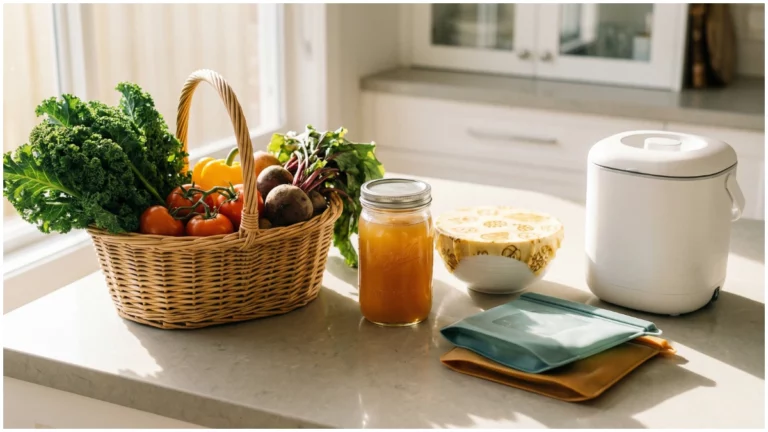
How To Minimize Food Waste In Your Kitchen
Food waste is one of the most pressing and yet most solvable environmental issues of our time. Every day, perfectly good food is thrown away…
Read More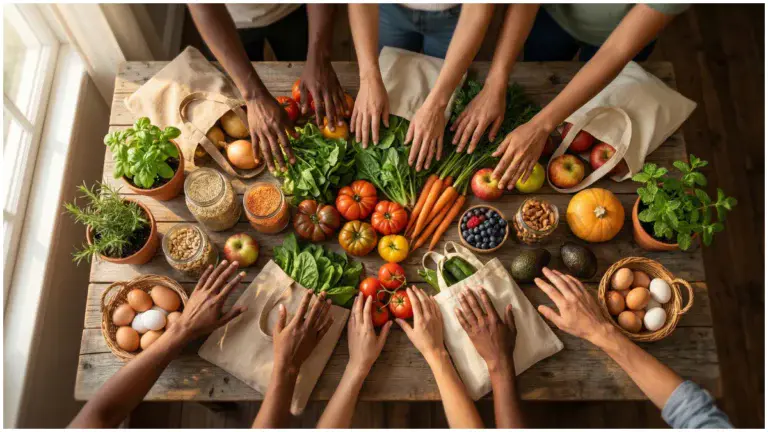
The Benefits Of Choosing Organic Food
The way we choose our food has never been more important. As awareness grows about the connection between what we eat and our overall well-being,…
Read More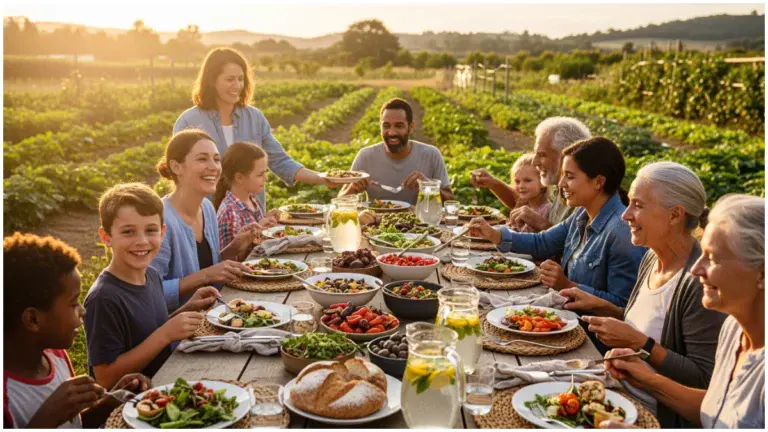
The Key Principles And Benefits Of Sustainable Food
Our planet faces a critical moment. While nearly 783 million people experience hunger globally, we waste approximately one-third of all food produced. The way we…
Read MoreConclusion
Making homemade baby food is one of the most nourishing choices a parent can make — for their child, for their household, and for the planet. The nutritional benefits of fresh, whole ingredients, the dramatic reduction in single-use plastic waste, the lower carbon footprint, and the lifelong healthy eating habits that begin at this stage all point in the same direction. And the best part? It genuinely doesn’t require much more than a steamer, a blender, and a bag of sweet potatoes.
Start small, stay curious, and enjoy the process. There is something quietly wonderful about watching a baby taste a new flavor for the first time — especially one you made yourself. The jars of colorful food lined up in the freezer represent something real: nourishment, care, and a meaningful step toward a more sustainable way of living.
We’d love to hear from you — whether you’re already a seasoned home baby food maker or just getting started, what’s your baby’s favorite flavor so far, or what are you most excited to try first? Share your experiences and questions in the comments below — this community learns best from each other.