

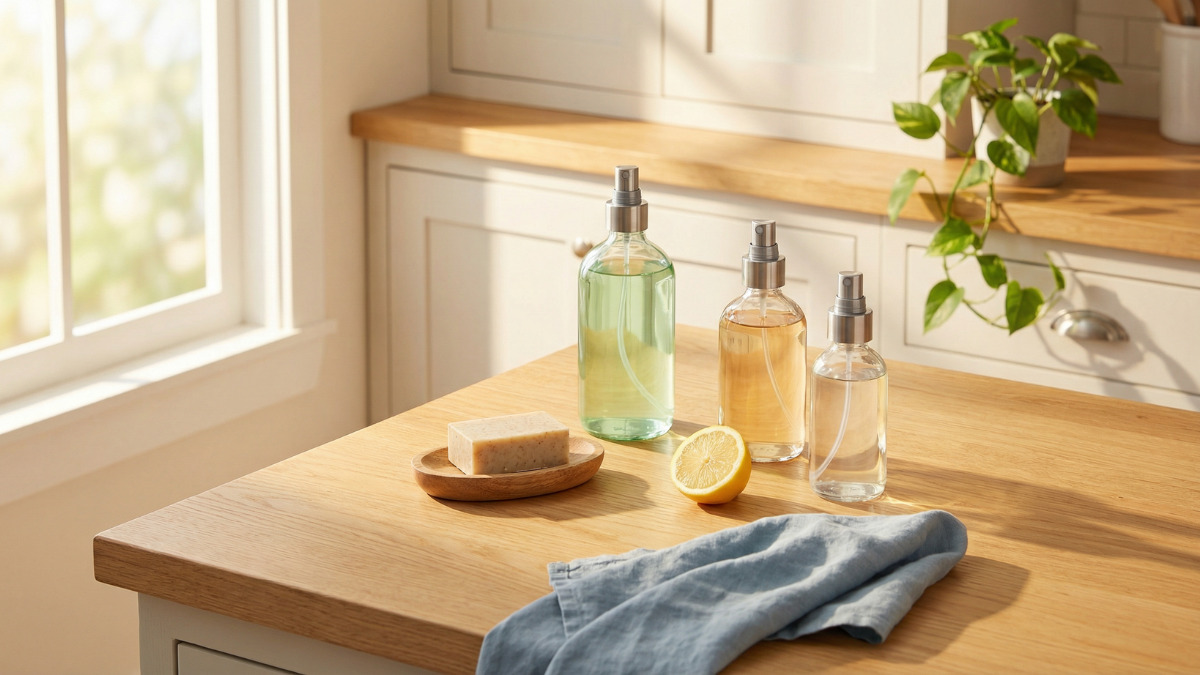

Every time you reach under the sink for a spray bottle or scoop of laundry powder, you’re making a choice — and its effects extend well beyond the surface you’re cleaning. The products most households rely on contain a complex mix of chemicals that many people have never thought twice about, yet these ingredients affect the air we breathe indoors, the waterways they drain into, and the health of everyone in the home. It’s a topic that deserves more attention than it usually gets.
The good news is that the alternatives are genuinely impressive — and making the switch is more practical today than it’s ever been. Hi, I’m Katrina, and I’ll be honest: I didn’t grow up scrutinizing cleaning product labels. I just grabbed whatever was on the shelf and moved on. But once I started living more intentionally and looking closely at what those products actually contained, I couldn’t ignore it anymore. I’m passionate about sustainable living, not because I have it all figured out, but because I’m still working through it — just like you might be. Welcome, and I’m so glad you’re here. If you’ve ever wondered whether eco-friendly cleaning products actually work, or how to tell a trustworthy product from a greenwashed one, keep reading — this article will give you everything you need to start making real, confident changes at home.
⭐ Our Top Pick — Best Plant-Based Home Cleaning Collection
Koala Eco Best Seller Collection
The Koala Eco Best Seller Collection stands out from single-product alternatives because it addresses the whole home in one purchase. Every formula is built around Australian native essential oils rather than synthetic fragrance, making it one of the most distinctive and genuinely transparent options in the non-toxic cleaning space.
Six plant-based, biodegradable formulas covering your kitchen, bathroom, dishes, floors, laundry, and hands — all explicitly free from petrochemicals, phosphates, and synthetic fragrance, in bottles made from 100% post-consumer recycled plastic with a refill program.
- ✅ 100% plant-based and free from synthetic fragrance, dyes, SLS, parabens, and petrochemicals
- ✅ Independently lab-tested and proven to kill 99.9% of germs, bacteria, and viruses
- ✅ Bottles made from 100% post-consumer recycled plastic, with refill options available
- ✅ Available via both a dedicated US storefront (koalaeco.com) and the Australian storefront (koala.eco), though global shipping availability varies by region
| Mid-range
👉 Shop Koala Eco
Why Conventional Cleaners Are Worth a Second Look
A hidden chemical cocktail: Walk down any supermarket cleaning aisle and you’ll find products that smell powerful, promise spotless results, and arrive in satisfying packaging. What most of those labels won’t tell you is what’s actually inside. Many conventional cleaning products contain synthetic fragrances, petrochemical-derived surfactants, and preservatives that have been linked to respiratory irritation, skin sensitization, and endocrine disruption. In many markets, manufacturers are not required to disclose every ingredient in a cleaning product — a regulatory gap that leaves most consumers with little visibility into what they’re actually bringing home.
The air inside your home: Indoor air quality is something most people rarely consider, but household cleaning products are one of its primary contributors to pollution. According to the US Environmental Protection Agency, concentrations of many volatile organic compounds (VOCs) are consistently 2 to 5 times higher indoors than outdoors — and household cleaning products are a significant source. These gases are released when you spray or pour many common cleaners and can linger in poorly ventilated rooms long after you’ve finished cleaning. Modern, well-insulated homes that are tightly sealed make this problem meaningfully worse.
The environmental footprint: Beyond your front door, the impact continues. Chemicals from conventional cleaning products wash down drains and into waterways, where they can disrupt aquatic ecosystems, harm fish and invertebrates, and contribute to algal blooms that strip oxygen from rivers and lakes. The plastic packaging these products arrive in adds substantially to landfill and ocean plastic loads. When you consider that the average household cycles through dozens of different cleaning products each year, the cumulative effect is anything but trivial.
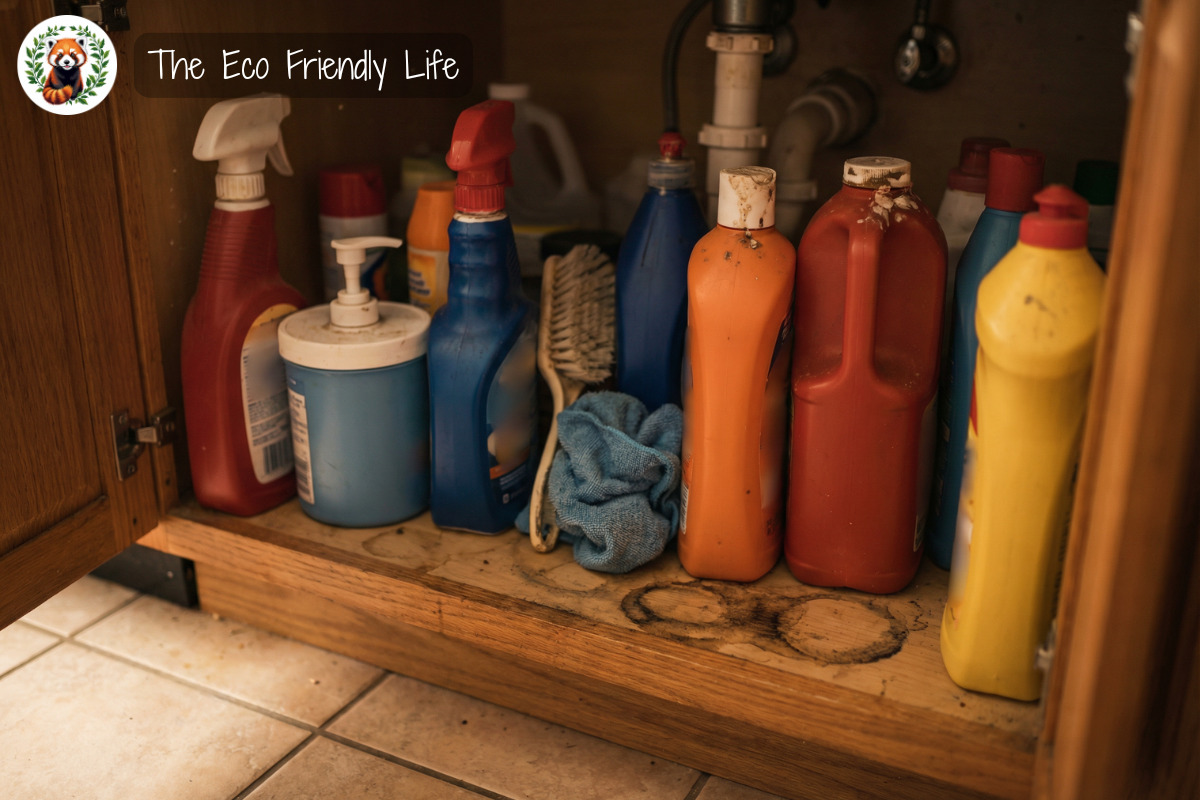
Now that we understand why making a change is worth the effort, the next step is learning how to tell a genuinely eco-friendly product from one that’s simply marketed that way — and that starts with knowing which labels and certifications you can actually trust.
Decoding Labels and Certifications
Greenwashing is real: The word “natural” on a cleaning product label carries almost no regulatory weight in most countries. In the US, UK, Canada, and Australia, there is no legal definition preventing a manufacturer from calling a product “natural,” “green,” or “eco-friendly” without meeting any verifiable standard. This regulatory gap has fueled widespread greenwashing — where brands use environmental language and imagery to signal sustainability without earning it through any independent verification.
Certifications worth trusting: A handful of independent third-party certifications provide genuine assurance. In the US, the EWG VERIFIED mark means a product has been screened against a rigorous list of chemicals of concern and meets strict standards for ingredient transparency — it’s among the most credible consumer labels on the market. The EPA’s Safer Choice program independently evaluates every ingredient in a product for human health and environmental safety before awarding its seal. In Europe, the EU Ecolabel and ECOCERT certification carry comparable credibility. In Australia, Good Environmental Choice Australia (GECA) and Australian Certified Organic (ACO) provide reliable guidance for local shoppers.
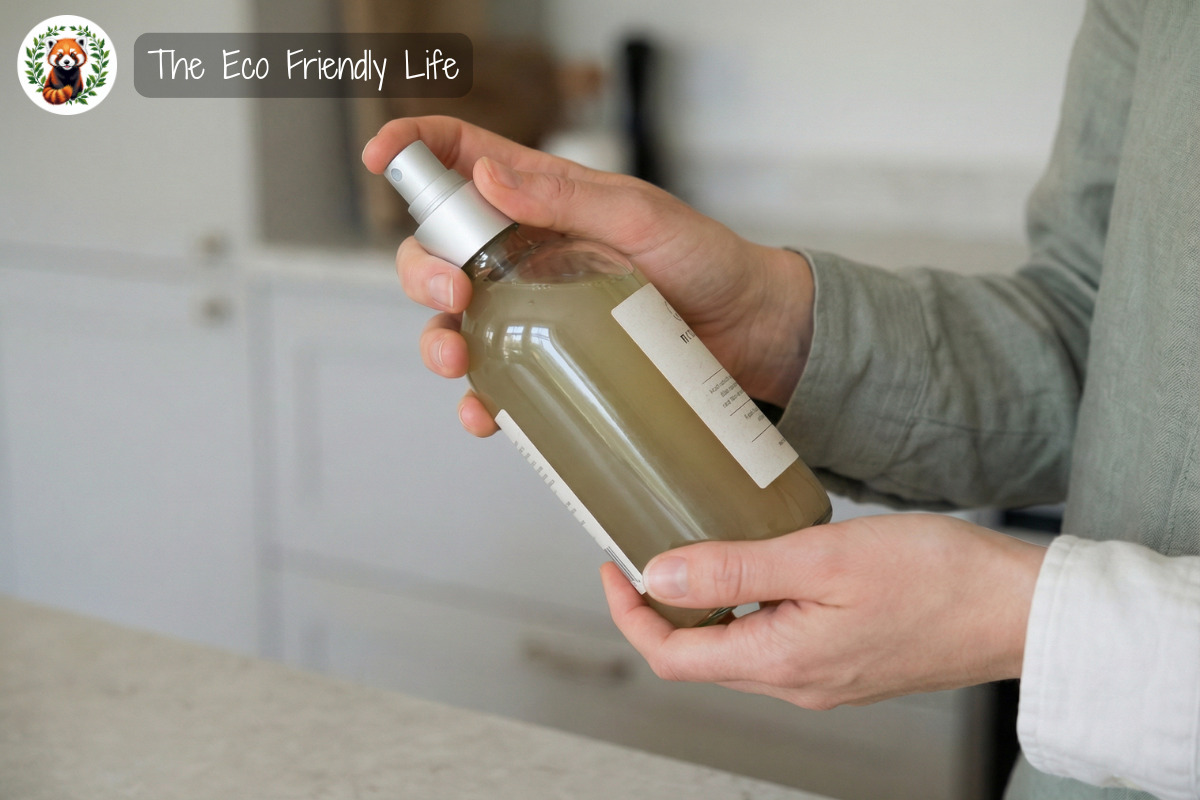
Reading an ingredient list: Even without a formal certification, you can learn a great deal from a product’s ingredient list. Brands committed to transparency list every ingredient — including individual fragrance components. Watch closely for the single term “fragrance” or “parfum,” which can legally mask hundreds of undisclosed synthetic chemicals under one entry. A genuinely transparent brand will name each ingredient using its standard INCI (International Nomenclature of Cosmetic Ingredients) or plain-language equivalent.
The “free from” approach: Many trustworthy brands now prominently declare what they exclude — phosphates, parabens, chlorine bleach, ammonia, SLS, and synthetic dyes — rather than relying solely on what they include. This “free from” transparency is a practical shortcut when you’re standing in a store aisle or scrolling through product listings online and need a quick, reliable signal before committing to a purchase.
Understanding labels gives you real power as a consumer. Up next, let’s get specific about which ingredients deserve the most caution — and what the best alternatives look like in their place.
Ingredients to Avoid and What to Choose Instead
The chemicals most worth watching: While no single ingredient defines a “toxic” cleaner, a cluster of widely used compounds carry well-documented concerns. Triclosan, once standard in antibacterial soaps and cleaning products, has been restricted for use in certain over-the-counter products in the US due to insufficient evidence of safety and effectiveness — as confirmed by the US FDA — and concerns have also been raised about its contribution to antibiotic resistance. Sodium lauryl sulfate (SLS) and sodium laureth sulfate (SLES) are aggressive surfactants that can irritate skin and eyes with repeated use. Phosphates, historically common in dishwasher detergents, drive water eutrophication and are now restricted in many countries — though not all. Synthetic fragrances remain a broad category of concern due to the limited disclosure requirements that apply in most markets globally.
Preservatives and their risks: Preservatives such as methylisothiazolinone (MIT) and benzisothiazolinone (BIT) appear in many liquid cleaning products and have been flagged by dermatologists as common causes of contact allergies, even at low concentrations. The EU’s consumer safety committee has classified MIT as a skin sensitizer and restricted its use in leave-on cosmetic products — though it continues to appear in cleaning formulations in many regions worldwide. Choosing products preserved naturally with citric acid or antimicrobial essential oils reduces this exposure meaningfully.
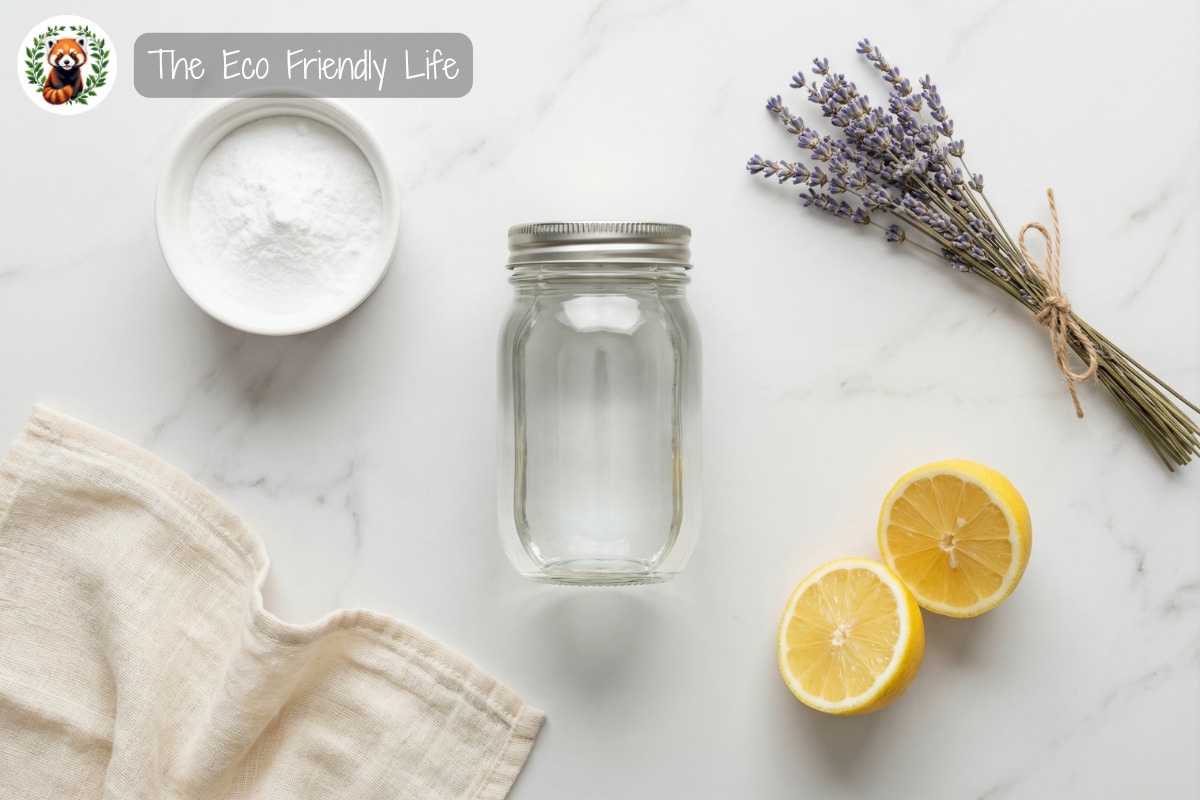
What effective natural alternatives look like: Plant-derived surfactants sourced from coconut or corn biodegrade far more readily than petrochemical equivalents while delivering comparable cleaning power for most everyday tasks. Citric acid, produced through microbial fermentation, is a highly effective descaler and surface cleaner. Enzymes — biological molecules that break down proteins, fats, and starches — are increasingly central to modern non-toxic laundry detergents and all-purpose cleaners, delivering serious cleaning performance without aggressive chemistry. Baking soda and white vinegar remain practical household staples for gentle abrasion and acid-based cleaning respectively.
Disinfection without conventional bleach: One of the most common concerns when people switch to plant-based products is whether they can genuinely disinfect. The answer depends largely on the product’s formulation and the task at hand. Electrolyzed water technology generates hypochlorous acid, which appears on EPA’s List N of registered disinfectants and is effective against a broad spectrum of pathogens. Once it has done its job, it breaks down to simple saltwater. For households that need real germ-killing power without conventional bleach, it’s one of the most dependable non-toxic solutions available anywhere in the world.
Now that you know which ingredients to avoid and what to look for instead, let’s explore the brands and retailers that have already done the formulation work for you — and make the whole process of shopping easier from day one.
Brands and Tools That Support the Planet — Our Recommendations
Finding cleaning products you can genuinely trust shouldn’t require hours of label-reading every time you shop. The retailers and brands below have been selected because they sell non-toxic, eco-friendly cleaning products specifically — not because they’re broadly “green.” Each one directly addresses the ingredients, certifications, and switching principles covered in this article, and together they serve readers shopping from different parts of the world.
Non-Toxic Cleaning Products for Your Home
Branch Basics
Branch Basics is a US-based non-toxic concentrate cleaning system designed to replace every cleaner in your home with one plant-based, fragrance-free formula. Their Premium Starter Kit includes reusable spray bottles, the Concentrate, and their Oxygen Boost powder — together covering your entire home: kitchen, bathroom, laundry, and more. Oxygen Boost is a fragrance-free, bleach-free powder made from just two ingredients — baking soda and sodium percarbonate — that lifts stains, whitens, and brightens without harsh chemicals. I recommend Branch Basics specifically because of their full ingredient disclosure and EWG Verified status, which puts them in a very small category of cleaning brands that have genuinely earned third-party trust rather than simply claimed it.
Koala Eco
Founded in Australia and shipping globally, Koala Eco produces plant-based, biodegradable cleaning products powered by Australian native essential oils — completely free from SLS, phosphates, synthetic fragrance, and dyes. Their kitchen range — including the popular multi-purpose kitchen cleaner — and bathroom products such as their eucalyptus bathroom cleaner cover the rooms where chemical exposure matters most, and their ingredient transparency is exceptional. What draws me to Koala Eco is that they also donate 1% of sales through 1% for the Planet — so every purchase supports environmental causes beyond your own home.
Truly Free Home
Truly Free is a non-toxic, subscription-first home cleaning system built around refillable bottles and highly concentrated formulas — tackling both the toxicity problem and the single-use plastic problem in one model. Their laundry detergent and all-purpose cleaning range are designed for everyday families and marketed heavily to wellness-conscious households. I find their refill-first approach one of the most practical ways to genuinely reduce plastic consumption without sacrificing cleaning performance or convenience.
Puracy
Puracy is a US-based natural cleaning and personal care brand whose formulas are at least 98.5% natural, dermatologist-tested, and free from sulfates, parabens, phthalates, and synthetic dyes. Their home cleaning range and natural dish soap are excellent starting points for anyone new to non-toxic home cleaning — effective, affordable, and fully transparent about every ingredient. For personal care, their body wash and shampoo range covers both men and women with the same plant-based, skin-friendly standards. Puracy stands out because they make full ingredient disclosure a non-negotiable standard rather than a marketing afterthought, which is rarer than it should be in this category.
Eco-Friendly Cleaning for Families and Kids
Attitude Living
Canadian brand Attitude Living offers EWG Verified, vegan, and FSC-certified cleaning and personal care products, with an entire Little Ones range specifically formulated for babies and children with sensitive skin. Their fragrance-free, hypoallergenic baby dish soap, baby laundry detergent, and toy & surface cleaner are designed to be safe in the environments where young children play, eat, and sleep. For families who want the reassurance of third-party verified formulas specifically developed for little ones, Attitude Living is one of the most comprehensively certified options I’ve found from an independent brand.
Green Kid Crafts
Green Kid Crafts is a subscription box service delivering hands-on STEAM and eco-science activity kits to children aged 3–10+, with many kits centered on nature, the environment, and sustainable living. Their Junior Box (ages 3–5) and Discovery Box (ages 5–10+) are a wonderful way to introduce children to concepts like environmental responsibility and natural science in a fun, age-appropriate way — building the kind of awareness that makes eco-conscious habits at home feel entirely natural from an early age. For families who prefer a one-time purchase, the shop also offers standalone kits like Dinosaur Science and Slime Lab — both gender-neutral, eco-friendly, and hands-on favorites. I love recommending Green Kid Crafts for families working through this article together, because the best time to teach children why we choose non-toxic products is when they’re curious and hands-on. Ships to the US, Canada, UK, Australia, New Zealand, Japan, Ireland, and 37+ countries worldwide.
With your shopping shortlist in hand, let’s turn to the practical side of actually making the switch — because knowing which products to choose is only half the equation, and the real change happens when you start building new habits at home.
Making the Switch in Your Own Home
Start with what you use most: The most effective way to transition to non-toxic cleaning is not to throw everything out at once — it’s to replace items as they run out, beginning with the products you use most frequently. In most households, that means all-purpose spray, laundry detergent, and dish soap. These three products alone account for the majority of daily chemical exposure at home, so switching them first delivers the greatest immediate benefit for both health and environmental impact.
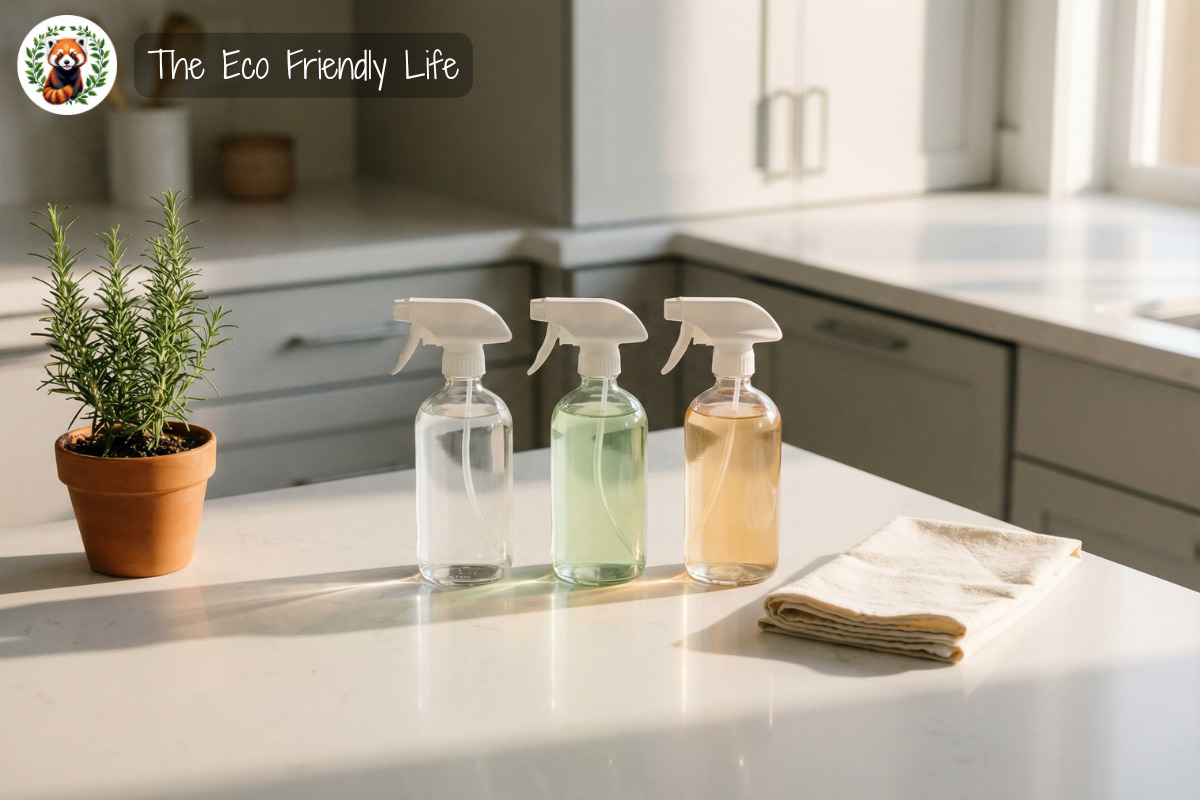
The concentrate advantage: One of the most practical shifts you can make is moving from single-use bottled cleaners to concentrate-based systems. A single bottle of cleaning concentrate — diluted at home into reusable spray bottles — can replace a significant number of plastic bottles over the course of a year. This approach cuts packaging waste significantly, reduces shipping emissions (concentrated products are lighter and smaller), and typically works out cheaper per use than equivalent conventional products. It’s a genuine win on every dimension: environmental, financial, and practical.
⚙️ Recommended: Koala Eco Best Seller Collection
I recommend the Koala Eco Best Seller Collection at this point in your switch because it covers six of the most-used cleaning jobs in one plant-based set — no label-reading required, and the refill program means you won’t be adding to plastic waste once you’re through the first bottles.
- ✅ Kitchen, floors, dishes, produce, glass, and hand wash in one collection
- ✅ Free from petrochemicals, phosphates, and synthetic fragrance
- ✅ Available via US and Australian storefronts
Addressing the effectiveness question: Many people worry that plant-based cleaners won’t match conventional chemical products for tough jobs — bathroom limescale, greasy stovetops, or heavily soiled laundry. A well-formulated enzyme-based laundry detergent handles most loads just as effectively as a conventional one. For limescale, citric acid performs comparably to harsher acid-based descalers. Where robust disinfection is genuinely needed — kitchens handling raw meat, or bathrooms shared during illness — an EPA-registered DfE-certified disinfectant is a reliable option to keep on hand alongside your everyday plant-based range.
Storing and disposing responsibly: As you make the transition, you may find yourself with half-used bottles of conventional cleaners. The most responsible approach is to use them up rather than pour them down the drain — where concentrated chemicals can damage local waterways and aquatic ecosystems. Most HHW facilities accept unwanted cleaning products for safe processing. Check your local council or municipality’s website for drop-off locations near you.
Building habits that stick: The final piece of the puzzle is building new routines that feel effortless. Keeping your non-toxic cleaners visible and accessible — rather than buried under a sink — makes them easier to reach for every time. Labeling your reusable spray bottles clearly removes any hesitation about which formula to use where. And getting housemates or family members on board means the whole household contributes to the effort, which is when the real impact starts to compound.
The practical tips below pull everything covered in this article together into simple, actionable steps you can start using today — no overhaul required.
Practical Daily Tips You Can Action Today
Here are ten straightforward habits and switches that make a real difference when cleaning your home more safely and sustainably.
| Tip | How to Implement | Why It Helps |
|---|---|---|
| Switch your all-purpose spray first | Replace your current spray with an EWG Verified or certified non-toxic alternative when it runs out, and focus here before tackling other products. | All-purpose sprays are used across every room daily, so switching them reduces your household’s chemical exposure significantly from day one. |
| Move to a concentrate system | Purchase a plant-based cleaning concentrate and fill reusable spray bottles at home using the dilution guide provided. | Concentrates eliminate excess plastic packaging and reduce the number of products you need to buy, store, and eventually dispose of. |
| Check every label for “fragrance” | Read ingredient lists before purchasing and avoid any product that lists “fragrance” or “parfum” as a single undisclosed entry. | One “fragrance” entry can legally contain dozens of synthetic chemicals, many of which are common respiratory irritants or skin allergens. |
| Ventilate every time you clean | Open windows during and for at least 15–20 minutes after cleaning each room, and make it a non-negotiable part of your routine. | This single habit significantly reduces the concentration of airborne VOC residues released during cleaning and improves indoor air quality meaningfully. |
| Switch to reusable cloths | Replace paper towels and single-use wipes with washable microfiber or organic cotton cloths kept near your cleaning supplies. | Reusable cloths eliminate disposable waste and are often more effective at physically removing bacteria from surfaces without any chemical assistance. |
| Use baking soda for daily scrubbing | Keep a small jar of baking soda near the kitchen and bathroom sink as your go-to abrasive cleaner for everyday grime. | Baking soda safely lifts grime and stains without scratching surfaces or leaving behind any chemical residue whatsoever. |
| Choose fragrance-free laundry products | Swap your scented laundry detergent for a fragrance-free plant-based formula, especially for bedding, towels, and children’s clothing. | Scented laundry products leave synthetic fragrance residues on fabric that remains in direct contact with skin for hours at a time. |
| Dispose of old cleaners responsibly | Take any unwanted conventional cleaning products to your nearest household hazardous waste (HHW) facility rather than pouring them down the drain. | HHW facilities process these chemicals safely; pouring them down the drain sends them directly into local waterways and aquatic ecosystems. |
| Learn one trusted certification for your region | Spend five minutes researching one certification — EWG, Safer Choice, EU Ecolabel — relevant to where you live and use it as your primary shopping filter. | Knowing even one credible certification gives you a fast, reliable shortcut to choosing products confidently without needing to read every label. |
| Buy only what you need | Before restocking any product, audit what’s already under your sink and commit to using up existing supplies before buying new ones. | Reducing overconsumption is as important as switching products — buying less is always the most sustainable option available to any household. |
These habits are simple to adopt one at a time and genuinely add up over time. Before we wrap up with our favorite organizations and resources, let’s tackle the questions that come up most often when people start this journey.
FAQs
Here are some of the most common questions about making the switch to eco-friendly and non-toxic cleaning products.
Are eco-friendly cleaning products as effective as conventional ones?
Yes — for the vast majority of everyday cleaning tasks, well-formulated plant-based products perform comparably to conventional alternatives. For heavy-duty disinfection or tough stains, look for enzyme-based formulas or products using certified, EPA-registered disinfectants such as hypochlorous acid.
How do I know if a product is genuinely non-toxic or just greenwashed?
Look for third-party certifications such as EWG VERIFIED, EPA Safer Choice, EU Ecolabel, or ECOCERT, and check that the full ingredient list is publicly disclosed. Products relying solely on words like “natural” or “green” without certification backing are worth extra scrutiny.
Are non-toxic cleaners safe around pets and children?
Most certified plant-based cleaners are formulated to be safe around children and pets once surfaces are dry. Always review the product’s safety information, and choose fragrance-free formulas for households with very young children, babies, or animals with sensitive respiratory systems.
Can I make effective non-toxic cleaners at home?
Absolutely. White vinegar, baking soda, castile soap, and water cover most everyday cleaning needs. One important note: never mix vinegar and castile soap together — they neutralize each other — and never combine any cleaning agent with conventional bleach under any circumstances.
Organizations to Support — Our Recommendations
Supporting organizations working toward safer products and cleaner environments is one of the most meaningful ways to extend your personal choices into broader systemic change.
Environmental Working Group (EWG): The EWG is a US-based non-profit whose freely available consumer databases, including their cleaning product safety guides, are used by millions of people worldwide to identify safer household products. Their advocacy has directly influenced chemical safety legislation across multiple markets, pushing for greater ingredient transparency in the cleaning products that most families use every day. You can contribute to their ongoing research and campaigns by making a tax-deductible donation to EWG.
Plastic Soup Foundation: Based in the Netherlands, the Plastic Soup Foundation campaigns globally to stop plastic pollution at its source — including the billions of cleaning product bottles discarded each year. Their research connects plastic packaging waste to direct human health impacts, including the presence of micro- and nanoplastics in the human body, which makes their work especially relevant to anyone rethinking the products and packaging they bring into their home. Support their research, education, and policy work by donating to Plastic Soup Foundation.
Health and Environment Alliance (HEAL): HEAL is a leading European non-profit representing over 90 health and environment organizations across 53 countries, campaigning for policies that protect people from toxic chemical exposure — including the chemicals found in everyday cleaning products. Their work directly shapes EU chemical safety legislation and builds the evidence base that regulators rely on when evaluating ingredient safety standards. You can support their advocacy and help fund their policy work at the HEAL support page.
Each of these organizations turns individual awareness into collective progress — and any level of support, from a one-time donation to a monthly contribution, helps them continue that work.
Resources and Further Reading
For readers who want to go deeper into the science, policy, and practice behind safer cleaning, these expert sources are excellent starting points.
EWG’s Guide to Healthy Cleaning is one of the world’s most comprehensive and searchable databases of cleaning product safety ratings, covering thousands of products across every household category. It’s the most practical tool available for checking any specific product before you buy and understanding exactly which ingredients are flagged as concerns and why. You can search for products by name, brand, or category at EWG’s Healthy Cleaning database.
EPA Safer Choice Certified Products Search is a publicly accessible database maintained by the US Environmental Protection Agency, allowing anyone to search for independently certified safer cleaning products by category, type, and formulation. It’s backed by the same rigorous federal evaluation standards described in this article and is one of the most credible free resources available to consumers shopping for genuinely safer products. Browse the full, searchable list at the EPA Safer Choice products.
European Chemicals Agency (ECHA) — Understanding REACH publishes clear, accessible guidance on how chemical ingredients in household and cleaning products are evaluated and regulated under Europe’s REACH framework — one of the world’s most comprehensive chemical safety systems. It’s especially valuable for readers in the EU who want to understand what ingredient safety assessments actually involve and how regulatory decisions about common cleaning chemicals are made. Their materials are written for general audiences and available at ECHA’s Understanding REACH.
Together, these three resources cover the consumer, regulatory, and scientific dimensions of safe cleaning product choices — and give you the background knowledge to shop confidently wherever in the world you are.
Our Related Articles
Benefits Of Switching To Sulfate-Free And Paraben-Free Shampoos
Most of us reach for our shampoo bottle each morning without giving its ingredient list a second glance. Yet the products we use to clean…
Read More
A Guide To Choosing Non-Toxic Makeup
Navigating the world of beauty products can feel overwhelming, especially when you start to uncover the hidden ingredients lurking in your favorite lipsticks and foundations….
Read More
What Is Ethical Consumerism?
Every time you reach for your wallet, you’re casting a vote. Whether it’s choosing a morning coffee, selecting a new pair of jeans, or picking…
Read MoreConclusion
Switching to eco-friendly and non-toxic cleaning products isn’t about achieving perfection overnight — it’s about making progressively better choices that add up over time in ways that genuinely matter. By understanding why conventional cleaners carry hidden risks, learning to read labels and certifications with confidence, knowing which ingredients deserve caution, and finding brands that deliver on their promises, you now have everything you need to make real changes at home.
Your home should be a sanctuary — clean, safe, and free of uninvited chemicals. The options available today make that entirely achievable, and the process doesn’t have to be overwhelming. Start with one swap, build the habit from there, and share what you’ve learned with the people around you. That’s how this kind of change spreads.
Have you already made the switch to non-toxic cleaning products, and if so, what’s been your best discovery so far? Drop your thoughts in the comments below — your experience might be exactly what another reader needs to take their first step.