

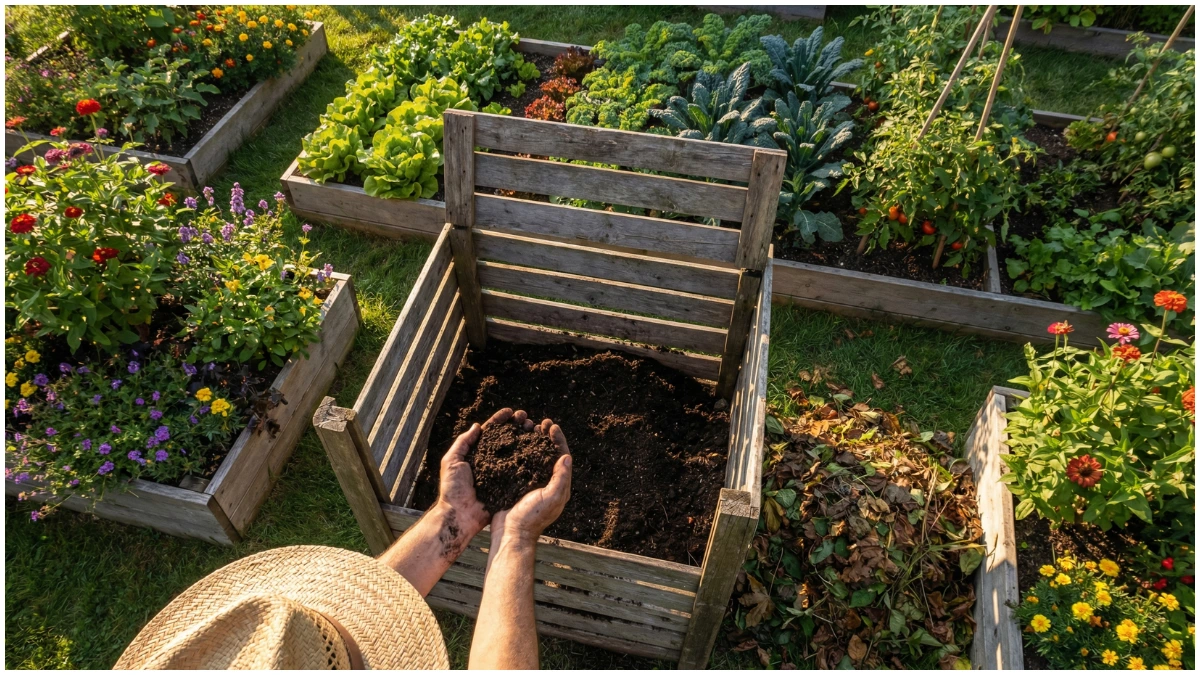

Composting transforms kitchen scraps and yard waste into nutrient-rich soil, reducing landfill contributions while creating “black gold” for your garden. Whether you’re working with a sprawling backyard or a compact apartment balcony, the right compost bin makes sustainable living accessible and effective. Understanding your options empowers you to turn organic waste into a valuable resource, regardless of your living situation.
Hi, I’m Al, and I’ve been passionate about sustainable living for years. I’ve experimented with various composting methods in different spaces—from small urban apartments to suburban gardens—and I’ve learned that the perfect compost bin isn’t about size or price, it’s about matching the system to your lifestyle and space. I welcome you to explore this guide, where I’ll share practical insights to help you choose a composting solution that works for you. Keep reading to discover how to make composting a seamless part of your everyday routine.
Understanding the Different Types of Compost Bins
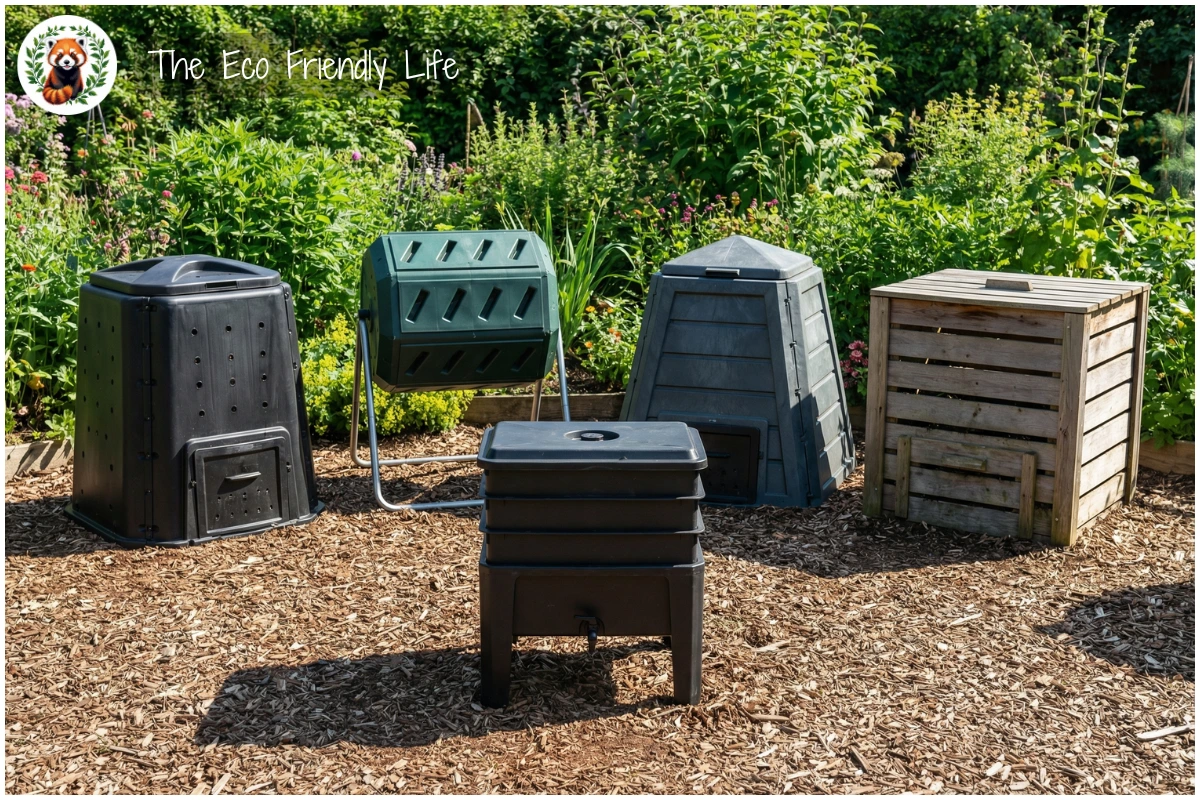
Simple and accessible starting points: The most common option for outdoor composting, stationary bins sit directly on the ground and come in plastic, wood, or metal construction. These bins range from simple open-bottomed cylinders to more sophisticated models with ventilation holes and access hatches. Plastic bins typically hold 200-400 litres and are affordable, lightweight, and low-maintenance, though they may not be as durable as other materials. Wooden bins offer excellent insulation and a natural aesthetic that blends beautifully into garden landscapes, with capacity often exceeding 400 litres, but they require regular maintenance to prevent rot.
Powered by rotating drums: Designed for ease of use, tumblers are raised compost bins that rotate on an axis, making aeration as simple as giving the drum a few spins. This design speeds up the composting process significantly—producing finished compost in 6-8 weeks compared to 6-12 months for stationary bins. Tumblers are particularly pest-proof since they’re elevated and sealed, making them ideal for urban settings where rodents might be a concern. However, they typically have smaller capacities (100-250 litres) and can become heavy to turn when full.
Fast-track composting with insulation: These insulated bins maintain high internal temperatures (55-70°C), accelerating decomposition and killing pathogens and weed seeds more effectively than traditional bins. The thick foam or double-walled construction retains heat generated by microbial activity, allowing you to compost a wider variety of materials including cooked food and small amounts of meat in some models. Hot bins produce compost in just 30-90 days, making them 32 times faster than conventional cold composters.
Nature’s miniature recycling system: Perfect for small spaces and indoor use, worm bins use red wiggler worms to process kitchen scraps into nutrient-rich castings. These compact systems (typically 15-50 litres) work exceptionally well in apartments and can be kept under the sink or on a balcony. Worm composting benefits include higher nutrient content with increased microbial activity and better nutrient availability for plants than traditional composting.
Fermentation-based waste transformation: This fermentation-based system uses beneficial microorganisms to break down food waste anaerobically in a sealed container. Bokashi bins accept all food scraps, including meat, dairy, citrus—materials typically banned from other composting methods. The process creates a pre-compost that must be buried in soil or added to a traditional compost pile to complete decomposition.
With a solid understanding of the various bin types available, the next step is evaluating your specific situation to determine which option best fits your space, lifestyle, and composting goals.
Assessing Your Space and Composting Needs
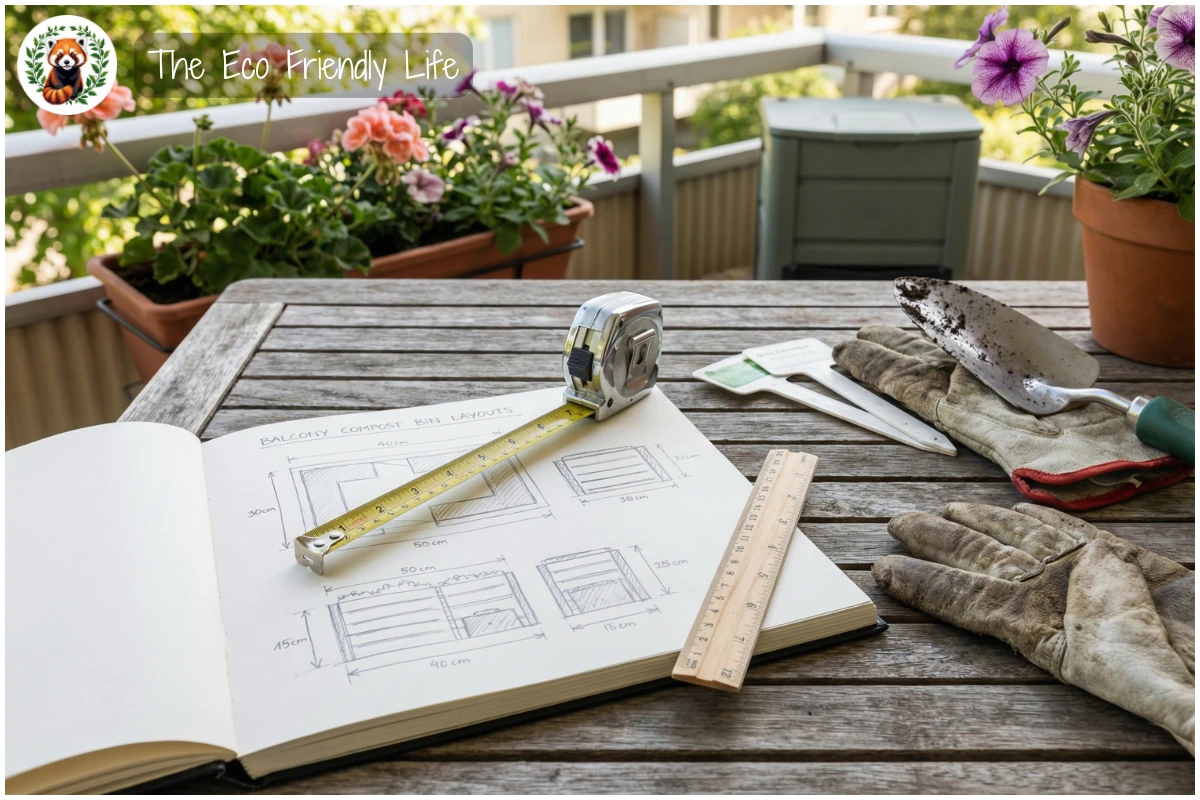
Start with where you live: Your physical space is perhaps the most critical factor in bin selection. For apartment dwellers with only a balcony or indoor space, compact options like worm bins (15-50 litres), bokashi bins, or small tumblers are ideal. Most building codes rate balconies at 50-120 pounds per square foot, so even a moderately-sized tumbler won’t pose structural concerns. For those with small gardens or patios, mid-sized tumblers or stationary bins of 200-300 litres provide adequate capacity without overwhelming the space. Large gardens benefit from large capacity bins or even multiple-bin systems that allow for batch composting.
Calculate your household waste output: The amount of organic waste your household produces directly influences the bin size you’ll need. A single person or couple generates approximately 5-10 litres of kitchen scraps weekly and can manage with a 100-150 litre bin. Families of 3-4 people producing 10-20 litres weekly should consider 200-300 litre bins, while households of five or more generating 20-40 litres need 300-600 litre capacity. Remember to account for garden waste—grass clippings, leaves, and prunings—which can quickly exceed kitchen waste volume if you maintain a garden.
Consider your maintenance availability: Consider how much time you’re willing to invest in maintaining your compost. Fast composting methods with tumblers require regular turning (1-2 times weekly) but 6-8 week tumblers produce finished compost quickly. Traditional stationary bins need less frequent attention but take 3-9 months to produce usable compost. Worm bins require careful monitoring of moisture and feeding schedules to keep the worms healthy. Hot bins offer a middle ground—they need regular additions of properly balanced materials but reward you with 30-90 day bins of finished compost.
Factor in your regional climate: Your local weather patterns impact bin performance. In cold climates, insulated hot bins or indoor worm systems maintain composting activity year-round. Tumblers can freeze in harsh winters, though you can pour hot water into them to restart the process. Wooden bin materials deteriorate faster in wet climates unless treated with non-toxic preservatives. In extremely hot, dry regions, covered bins help retain essential moisture.
Set a realistic budget: Compost bins range from DIY free solutions to several hundred dollars for sophisticated systems. Simple plastic bins start around $45-60 USD, wooden bins run $95-225 USD, and tumblers cost $80-460 USD depending on capacity. Hot bins are premium options at $230-330 USD, while worm farms and bokashi systems typically fall in the $75-160 USD range. Remember that investing in a quality bin appropriate for your needs pays dividends through years of reliable service and reduced waste disposal costs.
Understanding your specific needs helps narrow down options, but the materials and construction features of different bins also play a crucial role in determining the best match for your composting journey.
Materials and Construction Features to Consider
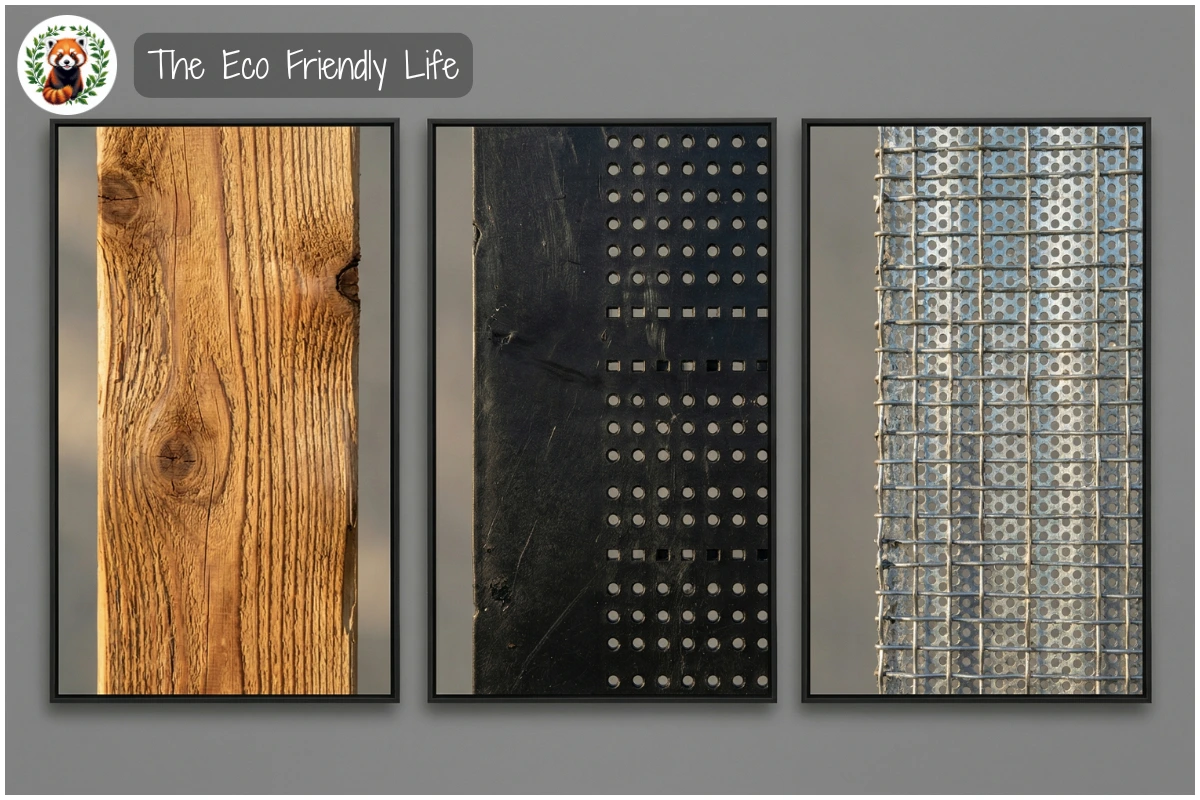
Budget-friendly entry point: Made from recycled or virgin plastic, these bins are the most budget-friendly option and extremely popular for beginners. The lightweight construction makes them easy to move, while the sealed design helps control odours and moisture. However, plastic becomes brittle in extreme weather conditions over time and may not provide optimal aeration compared to other materials. Black plastic bins absorb heat effectively, which can help speed decomposition in cooler climates. Look for models with at least some ventilation holes and an access hatch at the bottom for harvesting finished compost.
Natural aesthetics with maintenance requirements: Cedar, Douglas fir, or pressure-treated wood offers excellent insulation and a beautiful natural appearance that enhances garden aesthetics. Wood allows better air circulation through the slats while providing good heat retention for active composting. The main drawback is ongoing maintenance—wooden bin durability, though rot-resistant woods with proper care can serve for 15 years or more. The larger capacity of most wooden bins (often 400-700 litres) makes them ideal for households with significant garden waste.
Investment in longevity: Galvanized steel or powder-coated metal bins are the most durable option, easily lasting decades with minimal maintenance. They’re completely rodent-proof and provide excellent ventilation through their mesh or perforated construction. However, metal conducts heat rapidly in direct sun, potentially drying out compost too quickly, and untreated metal may rust over time. They’re typically more expensive upfront but the extended lifespan makes them cost-effective long-term investments.
Features that matter most: Regardless of material, certain features enhance functionality. Ventilation holes or slats promote aerobic decomposition and prevent anaerobic conditions that cause odours. Access hatches at the base allow you to harvest finished compost while continuing to add fresh material at the top. Lids or covers protect from excess rain and keep pests out. For tumblers, robust construction of the drum supports and handles ensures they can withstand years of use while fully loaded. Hot bins should have thick insulation (at least several inches), drainage taps for collecting liquid fertiliser, and built-in filters to control odours.
Construction quality indicates longevity: Compost tumblers are generally more heavily constructed than stationary bins because they must support the full weight of composting materials while rotating. When evaluating tumblers, inspect the central axis connection and supporting legs—these should be sturdy metal rather than lightweight plastic. For stationary bins, check that the lid closes securely to exclude pests and rain. Wooden bins should use thick boards (at least 15mm) with galvanized screws or bolts rather than nails.
With an understanding of materials and construction, you’re equipped to make an informed purchase—and choosing retailers that align with your sustainability values amplifies the positive impact of your decision.
Brands and Tools That Support the Planet — Our Recommendations
Finding the right compost bin is only part of the journey—purchasing from retailers that sell genuine composting products and have transparent affiliate programs ensures you’re supporting businesses aligned with your sustainability values. These recommended retailers offer quality composting bins and accessories while supporting environmental initiatives.
Retailers for Adults
| Business Name | About the Retailer and Products | Link |
|---|---|---|
| Eartheasy | A family-owned company since 2000 with offices in the USA and Canada, Eartheasy specializes in eco-friendly gardening products and sustainable living solutions. Their extensive composting section includes stationary bins, compost tumblers, worm farms, and bokashi systems from reputable brands, all carefully curated for quality and sustainability. Every purchase through their partnership with Trees for the Future results in one tree planted. | Visit Eartheasy |
| HOTBIN Composting | HOTBIN manufactures specialized insulated compost bins designed to produce finished compost in 30-90 days year-round, even in cold climates. Their range includes their flagship hot composters that handle all food waste including meat, fish, and dairy—materials banned from traditional bins. The company ships globally and offers comprehensive resources to support successful hot composting. | Visit HOTBIN Composting |
| Amazon | As the world’s largest online retailer, Amazon offers an extensive selection of compost bins from dozens of brands including plastic stationary bins, wooden composters, tumblers, and worm farms. Their compost bin selection includes options for every budget and space requirement, with detailed customer reviews to guide your decision. Fast shipping and easy returns make purchasing simple. | Visit Amazon |
| Tumbleweed USA | An Australian company with a global presence, Tumbleweed specializes exclusively in composting systems made from recycled plastic. Their range includes innovative compost bins and worm farms designed for different household sizes and spaces. Since 1998, they’ve diverted over 13,000 tonnes of plastic waste from landfills through their products. | Visit Tumbleweed USA |
Retailers for Kids/Families
Looking for composting solutions that engage the whole family? These retailers offer beginner-friendly products and educational resources that make composting a fun learning experience for children.
| Business Name | About the Retailer and Products | Link |
|---|---|---|
| EarthHero | An eco-conscious marketplace featuring products from 250+ sustainable brands, all shipped carbon-neutral with plastic-free packaging. EarthHero’s composting section includes compact bins and accessories perfect for apartment dwellers and families beginning their composting journey. Every purchase supports 1% for the Planet, directing funds to global environmental nonprofits. | Visit EarthHero |
| Gardener’s Supply Company | An employee-owned company dedicated to sustainable gardening, Gardener’s Supply offers comprehensive composting solutions suitable for all experience levels. Their composting section features stationary bins, tumblers, and worm systems with clear instructions perfect for families learning to compost together. The company’s values-driven approach makes them a trusted partner for home gardeners. | Visit Gardener’s Supply Company |
| The Compost Co | Specializing in beginner-friendly composting solutions, The Compost Co offers small-scale bins, educational content, and kits specifically designed to teach children about sustainability. Their family-focused product range includes countertop composters and compact outdoor systems with simple, clear instructions that make composting accessible for young learners. | Visit The Compost Co |
These retailers share a commitment to environmental sustainability and sell genuine, quality compost bins—not just tangentially related products. They’re selected specifically because they offer products directly relevant to this composting article. With your bin selected and purchased, understanding how to maintain it properly ensures you’ll achieve optimal composting results.
Maintaining Your Compost Bin for Optimal Results
Balance greens and browns properly: Successful composting depends on maintaining the right ratio of nitrogen-rich “greens” (food scraps, grass clippings, coffee grounds) to carbon-rich “browns” (dry leaves, cardboard, straw). Aim for a ratio of 2:1 or 3:1 browns to greens by volume. This translates to the scientifically optimal 20:1 to 30:1 carbon-to-nitrogen ratio that creates ideal conditions for decomposition. Too many greens create a wet, smelly, ammonia-rich pile, while too many browns result in slow, dry decomposition.
Keep moisture like a wrung-out sponge: Your compost should feel like a wrung-out sponge—moist but not dripping. If the pile becomes too wet, it develops anaerobic conditions that produce foul odours and slow decomposition. Add more browns and turn the pile to introduce oxygen. If it’s too dry, sprinkle with water or add more green materials. Covering your bin during heavy rain prevents waterlogging, while uncovered bins in dry climates may need regular watering.
Turn regularly for better results: Oxygen is essential for the beneficial bacteria that break down organic matter. Static bins benefit from turning or mixing every week or two using a garden fork or compost aerator tool. Tumblers make this easy—just give them several rotations 1-2 times weekly. Proper aeration prevents the development of anaerobic conditions and helps the pile maintain optimal temperatures for decomposition.
Watch for heat development: A healthy compost pile generates heat—ideally between 55-70°C. This warmth indicates active microbial decomposition and helps kill pathogens and weed seeds. If your pile isn’t heating up, it may need more greens to provide nitrogen for the microorganisms, more frequent turning to introduce oxygen, or additional moisture. Hot bins maintain high temperatures through insulation, while traditional bins may cool down in winter, slowing the process.
Address problems quickly: Unpleasant odours signal an imbalance—usually too much moisture or too many greens. Add browns and improve aeration immediately. Pests indicate improperly buried food scraps; always bury kitchen waste under several inches of browns and avoid adding meat or dairy to traditional bins. Slow decomposition often results from materials that are too dry, insufficient nitrogen, or pieces that are too large. Chopping materials into smaller pieces before adding them significantly speeds the process.
Image Prompt: A gardener’s gloved hands using a garden fork to turn dark, rich compost in an open wooden bin, with visible layers of kitchen scraps, leaves, and partially decomposed material
Maintaining your bin properly ensures you’ll soon have finished compost—and implementing simple daily practices makes the entire composting process effortless and rewarding.
Practical Daily Tips You Can Action Today
Here are actionable steps to make composting a seamless part of your sustainable lifestyle.
| Tip | How to Implement | How This Helps |
|---|---|---|
| Keep a countertop caddy | Place a small lidded container near your food prep area for collecting scraps throughout the day. Empty it into your main bin every 2-3 days. | This eliminates multiple trips outside and makes composting convenient enough to maintain consistently. |
| Stockpile browns | Collect dry leaves in autumn and store them in bags. Keep a supply of shredded newspaper or cardboard near your bin. | Having browns readily available ensures you can immediately balance wet kitchen waste, preventing odours and maintaining optimal ratios. |
| Chop before you drop | Use kitchen scissors to cut food scraps into smaller pieces as you prepare them. Break egg shells and tear up tea bags. | Smaller particles decompose significantly faster, reducing your overall composting time by weeks or even months. |
| Layer strategically | Alternate adding greens and browns rather than dumping large amounts of one material type at once. | Layering naturally creates better aeration and moisture distribution throughout the pile, improving decomposition conditions. |
| Rinse and add | Before recycling cardboard boxes, tear off sections to add to your compost. Pizza boxes work excellently despite grease marks. | This diverts additional waste from recycling centers and provides perfect carbon-rich material for balancing kitchen scraps. |
| Bury food deep | When adding kitchen scraps to stationary bins, create a hole in the center and bury waste under existing material. | This prevents attracting flies and pests while accelerating decomposition by placing fresh material in the warmest part of the pile. |
| Check moisture weekly | Squeeze a handful of compost every week. Add water if it’s dry; add browns if water drips out. | Consistent moisture monitoring prevents problems before they develop, ensuring continuous active composting. |
| Turn regularly | Set a weekly reminder on your phone to turn or tumble your compost, making it part of your routine. | Regular aeration maintains aerobic conditions that prevent odours and speed decomposition, significantly improving compost quality. |
| Save coffee grounds | Collect used coffee grounds and filters daily. They’re nitrogen-rich greens that balance browns perfectly. | Coffee grounds are perfectly pre-sized for composting and add valuable nitrogen while improving compost structure. |
| Keep a compost journal | Note what you add and any issues you observe. Track when you start and finish batches. | Documentation helps you identify patterns, perfect your technique, and celebrate how much waste you’re diverting from landfills. |
These small daily actions create meaningful environmental benefits over time, making sustainable living both practical and achievable. As you implement these practices, questions will naturally arise—here are answers to the most common composting queries.
Frequently Asked Questions
How long does it take to make usable compost?
The time frame varies dramatically by method. Hot bins and tumblers with regular turning produce finished compost in 6-12 weeks, while traditional stationary bins typically take 3-9 months. Worm bins create usable castings in 2-3 months. Factors affecting speed include the material mix, particle size, moisture levels, temperature, and how frequently you turn the pile.
Can I compost in winter?
Yes, though decomposition slows in cold weather. Hot bins with insulation can maintain composting activity even in freezing temperatures. Traditional bins essentially hibernate in winter—microbial activity slows significantly but resumes when spring warmth returns. Indoor worm bins and bokashi systems work year-round regardless of outdoor temperatures.
What if I attract pests like rats or flies?
Proper management prevents most pest problems. Always bury food scraps under several inches of brown material rather than leaving them exposed. Avoid adding meat, dairy, or cooked foods to traditional bins. Use a bin with a secure lid and consider a pest-proof design like a tumbler or hot bin. If rodents persist, switch to a sealed system or reduce food waste additions temporarily.
How do I know when compost is ready to use?
Finished compost looks, feels, and smells like rich, dark soil. You shouldn’t be able to identify original materials except perhaps woody items. The pile will have shrunk to about one-third of its original volume. It should feel crumbly rather than wet and smell earthy rather than rotten. When these conditions are met, screen out any remaining large particles and use the finished compost in your garden.
Organizations to Support – Our Recommendations
Supporting organizations dedicated to composting and sustainability amplifies your personal environmental impact. Consider contributing to these highly-regarded nonprofits working globally to advance composting, reduce food waste, and combat climate change.
- The Compost Research & Education Foundation (CREF) advances composting through rigorous scientific research, professional development programs, and public education initiatives. They’ve trained over 1,600 composting professionals and developed industry-standard practices that improve compost quality worldwide. Support their mission by donating to CREF, funding research that makes composting more effective and accessible for everyone.
- The Nature Conservancy tackles the dual threats of climate change and biodiversity loss across 80+ countries through science-based conservation strategies. Their work includes promoting regenerative agriculture practices that utilize compost to restore degraded soils and sequester carbon. Support their work with a membership or donation to advance comprehensive environmental protection that includes soil health initiatives.
- Clean Air Task Force works globally to decarbonize energy systems and address climate change through policy advocacy and technological innovation. While not specifically focused on composting, their work on reducing emissions complements the climate benefits of composting by tackling larger systemic issues. Support their work to help advance the pragmatic, science-based approaches our planet urgently needs.
These organizations represent different scales and approaches to environmental protection, all contributing essential work toward a more sustainable future.
Resources and Further Reading
Deepen your composting knowledge with these expert resources from leading environmental agencies and educational institutions.
- EPA Composting At Home Guide provides comprehensive, science-based information on home composting techniques, troubleshooting common problems, and understanding the environmental benefits. This regularly updated resource from the US Environmental Protection Agency includes detailed instructions for building bins and managing piles effectively. Access the full guide through the EPA’s composting page.
- University Extension Composting Resources from land-grant universities across the United States offer research-backed guidance tailored to different climates and conditions. The University of Missouri Extension’s “Making and Using Compost” publication provides detailed technical information on composting science, bin construction, and compost application. Read the comprehensive guide published through University of Missouri Extension.
- USDA Composting and Food Waste Reduction Programs support community-scale composting initiatives with technical assistance, grant funding, and educational resources. Their materials help individuals and communities develop effective composting systems that reduce landfill waste while improving soil health. Explore their comprehensive resources at the USDA Urban Agriculture.
These authoritative resources provide the scientific foundation and practical guidance to help you succeed with composting regardless of your experience level.
Our Related Articles
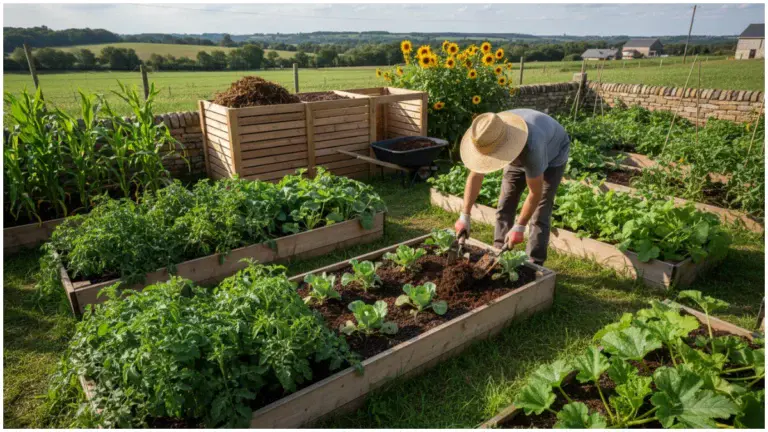
What Is Composting And How Does It Work?
Every day, millions of people across the globe toss vegetable peels, coffee grounds, and grass clippings into the rubbish bin, never realizing they’re throwing away…
Read More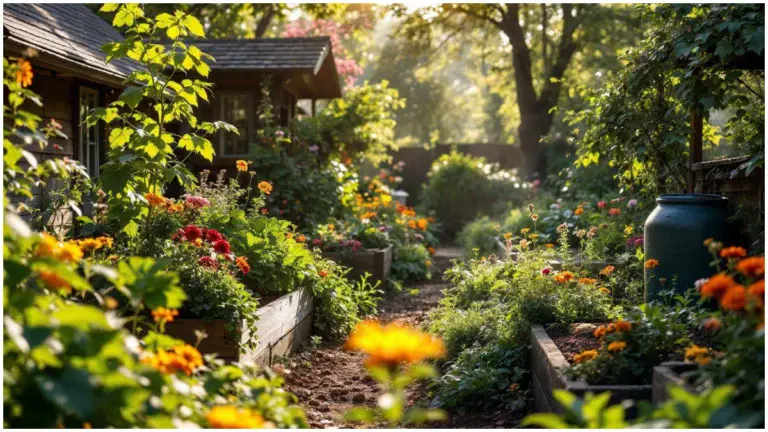
Exploring Sustainable Gardening And Its Benefits
Sustainable gardening represents one of the most accessible pathways toward environmental stewardship that individuals can embrace in their daily lives. Whether you cultivate a small…
Read MoreConclusion
Choosing the right compost bin transforms sustainable living from an aspiration into daily practice. Whether you select a simple stationary bin for your backyard, a compact worm farm for your apartment, or an insulated hot bin for year-round composting, you’re making a tangible difference. The perfect bin matches your available space, household waste generation, time commitment, and budget—there’s no single “best” choice, only the best choice for your unique situation.
Remember that composting is a journey of continuous learning. Your first bin might not be your last as your needs evolve and your confidence grows. The most important step is starting, even if that means beginning with a simple pile in your backyard or a small countertop caddy that you empty into a community compost program.
What’s holding you back from starting your composting journey, or if you’re already composting, what has surprised you most about the process? Share your thoughts, questions, and experiences in the comments below—your insights might be exactly what another reader needs to take their first step toward zero-waste living.