

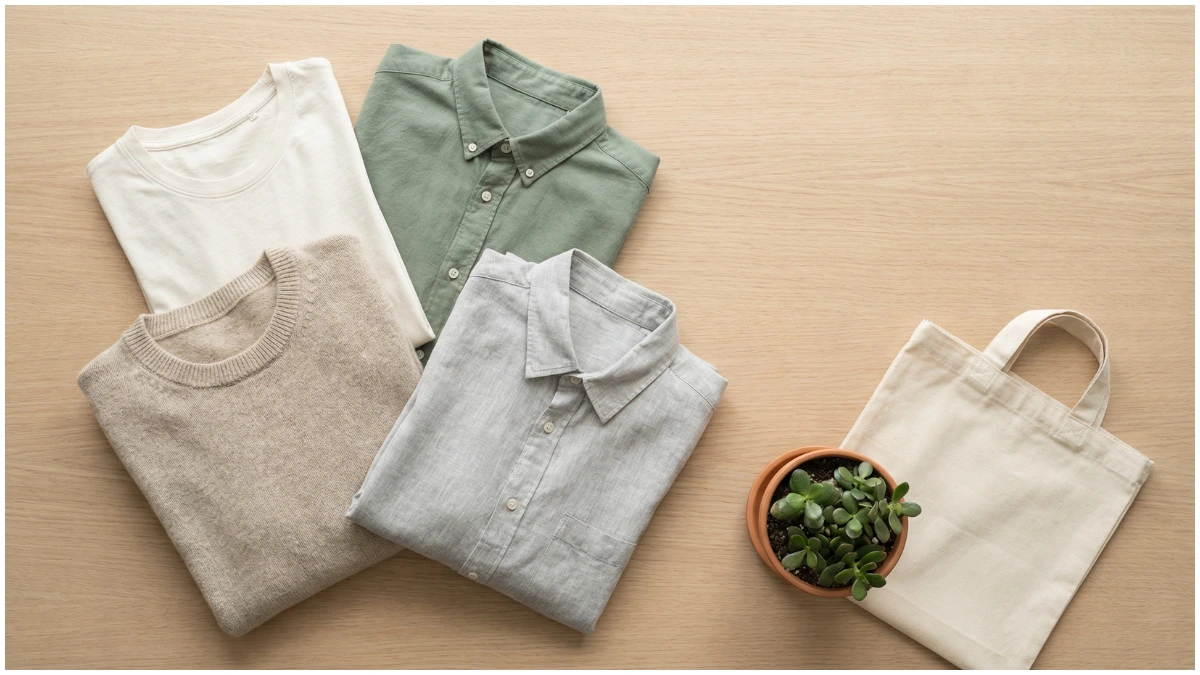

The fashion industry is one of the most resource-intensive on the planet, consuming vast amounts of water, energy, and raw materials while generating significant waste at every stage — from fibre production to the moment a garment ends up in landfill. Yet for many of us, our wardrobes remain one of the last areas of daily life we think to examine through a sustainable lens. The good news is that shifting toward a more conscious approach to clothing doesn’t require a dramatic overhaul or a limitless budget — it simply requires a shift in mindset and a few practical, intentional choices.
I’m Katrina, and like many of you, I’m just an everyday person trying to live a little more gently on this planet. I don’t have all the answers, and I’m certainly not immune to the occasional impulse purchase — but over the years, I’ve found that the small, consistent steps I’ve taken toward a more sustainable wardrobe have genuinely changed the way I think about getting dressed. If you’re curious about where to begin, or you’ve already started and want to go deeper, I’d love for you to keep reading. There’s something here for everyone, no matter where you are in your journey.
Understanding the True Cost of Fast Fashion
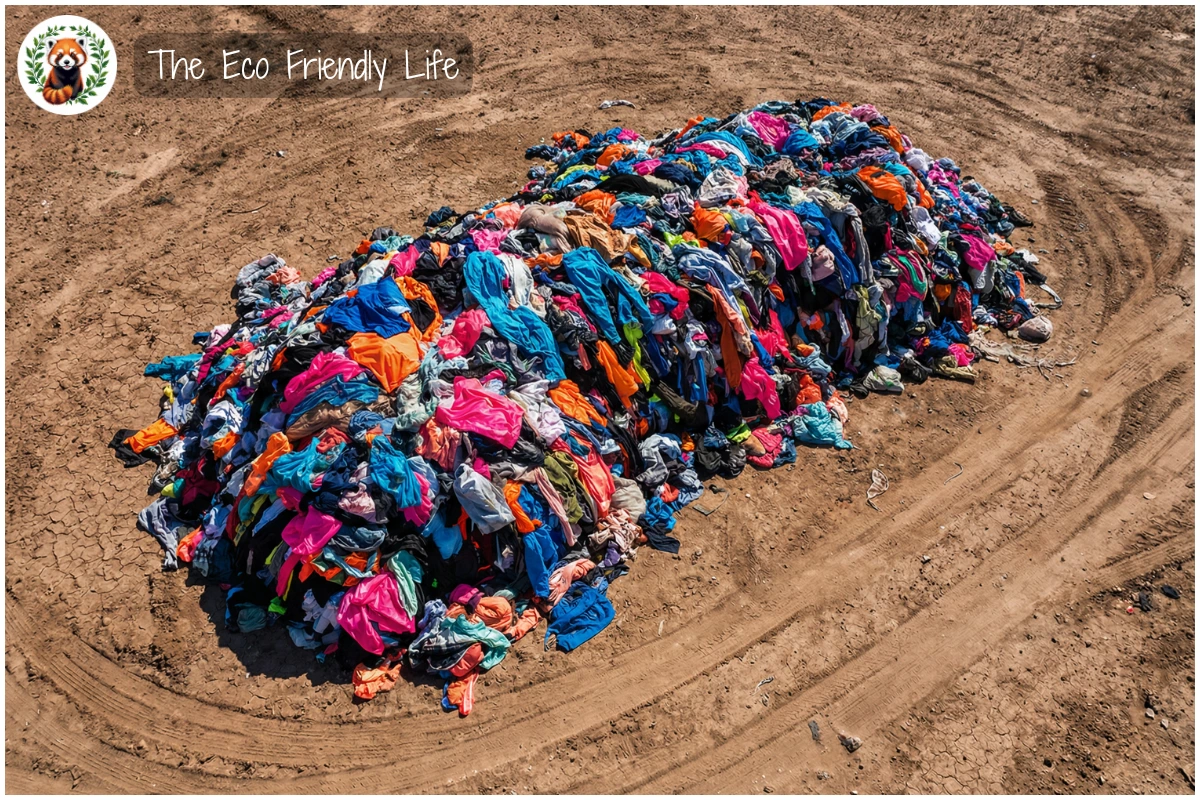
The scale of the problem: The global fashion industry produces an estimated 92 million tonnes of textile waste every year, and fast fashion — the model of producing large volumes of cheaply made clothing at breakneck speed — is a primary driver. Garments are often designed to last only a season, encouraging a cycle of constant buying and discarding that puts enormous strain on the environment.
Water, chemicals, and carbon: Producing a single conventional cotton t-shirt requires approximately 2,700 litres of water — enough for one person to drink for nearly three years — and many conventional dyeing and finishing processes introduce toxic chemicals into local waterways, particularly in manufacturing regions across Asia and South America. Textile production as a whole consumes 93 billion cubic metres of water every year, placing serious pressure on freshwater systems globally.
The human cost: Beyond environmental damage, the fast fashion model is frequently built on exploitative labour conditions. Workers — the majority of them women in lower-income countries — often face poverty wages, unsafe factory conditions, and little recourse for improving their circumstances. Understanding this full picture is the foundation of making more thoughtful choices.
Once you understand why the current system is so problematic, the next natural question is: where do I actually start? The answer begins with a clear-eyed look at what’s already hanging in your own wardrobe — and it might surprise you.
Auditing Your Wardrobe with Honesty
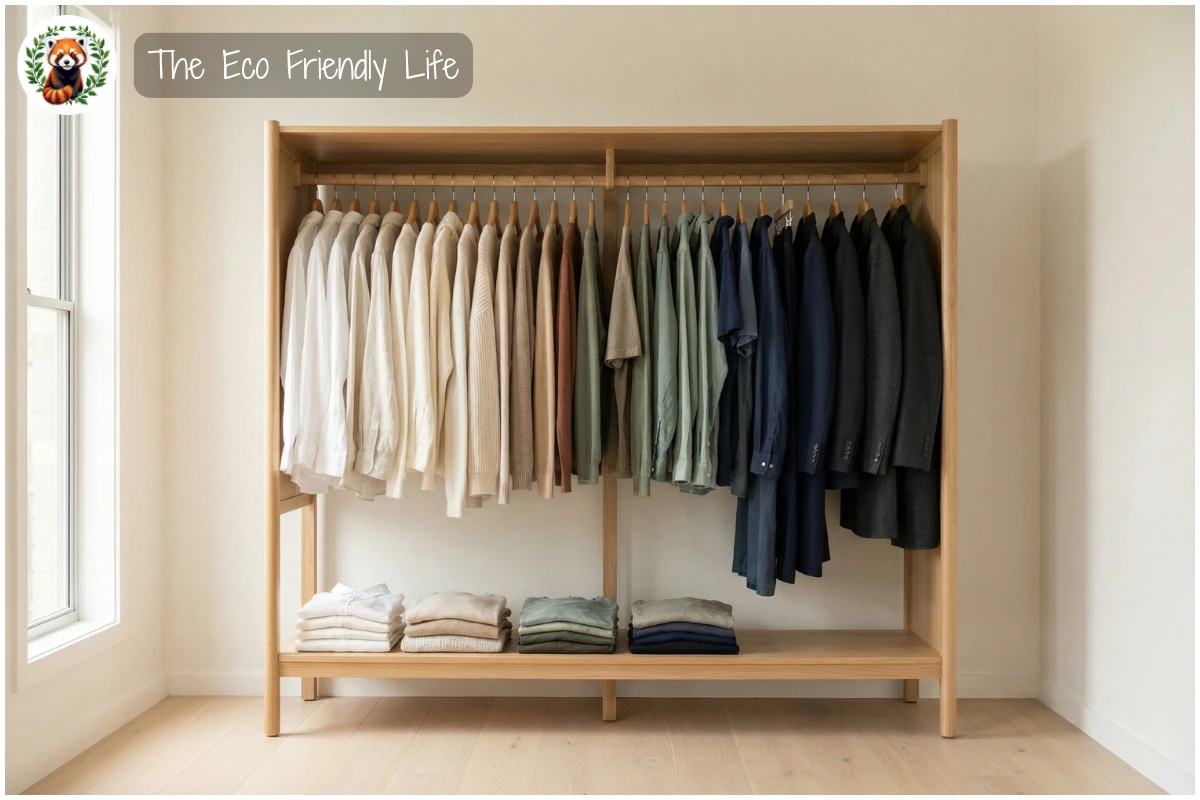
Starting with what you own: The most sustainable item of clothing is the one you already have. Before you buy anything new, a thorough wardrobe audit is one of the most powerful steps you can take. Pull everything out, assess what fits, what you love, what you actually wear, and what has been quietly collecting dust at the back of the rail for years.
The 30-wears rule: A useful benchmark when evaluating any item — existing or new — is the “30-wears test.” Ask yourself honestly whether you will wear a piece at least 30 times. If the answer is no, it’s a signal that the item doesn’t truly belong in your wardrobe, regardless of how good a deal it seemed at the time. This simple question is a powerful filter for both sorting through existing clothes and making future purchases.
What to do with what you no longer need: Items that no longer serve you don’t need to go straight to landfill. Consider donating wearable clothes to local shelters or charity shops, organising a clothing swap with friends, selling pieces through second-hand platforms, or repurposing worn-out textiles as cleaning rags or craft materials. One person’s unwanted item is very often another person’s treasure.
With a cleaner, more intentional wardrobe as your starting point, the next step is learning how to shop differently — and more sustainably — when the time does come to add something new. That means understanding materials, certifications, and what to actually look for on a label.
Shopping Smarter and Choosing Sustainable Materials
Quality over quantity, always: Shifting from a “more for less” mindset to a “less but better” approach is central to sustainable fashion. Investing in well-made, durable garments — even if they cost more upfront — almost always delivers better value over time, because they last far longer than cheaply made alternatives. A quality linen shirt or a well-constructed wool coat, cared for properly, can remain a wardrobe staple for a decade or more.
Prioritising natural and certified fibres: Look for garments made from natural, low-impact fibres such as organic cotton, linen, hemp, Tencel (lyocell), or recycled materials. Certifications to look for include GOTS (Global Organic Textile Standard), OEKO-TEX, and Fair Trade, which indicate that a garment meets independently verified standards for both environmental responsibility and ethical labour practices.
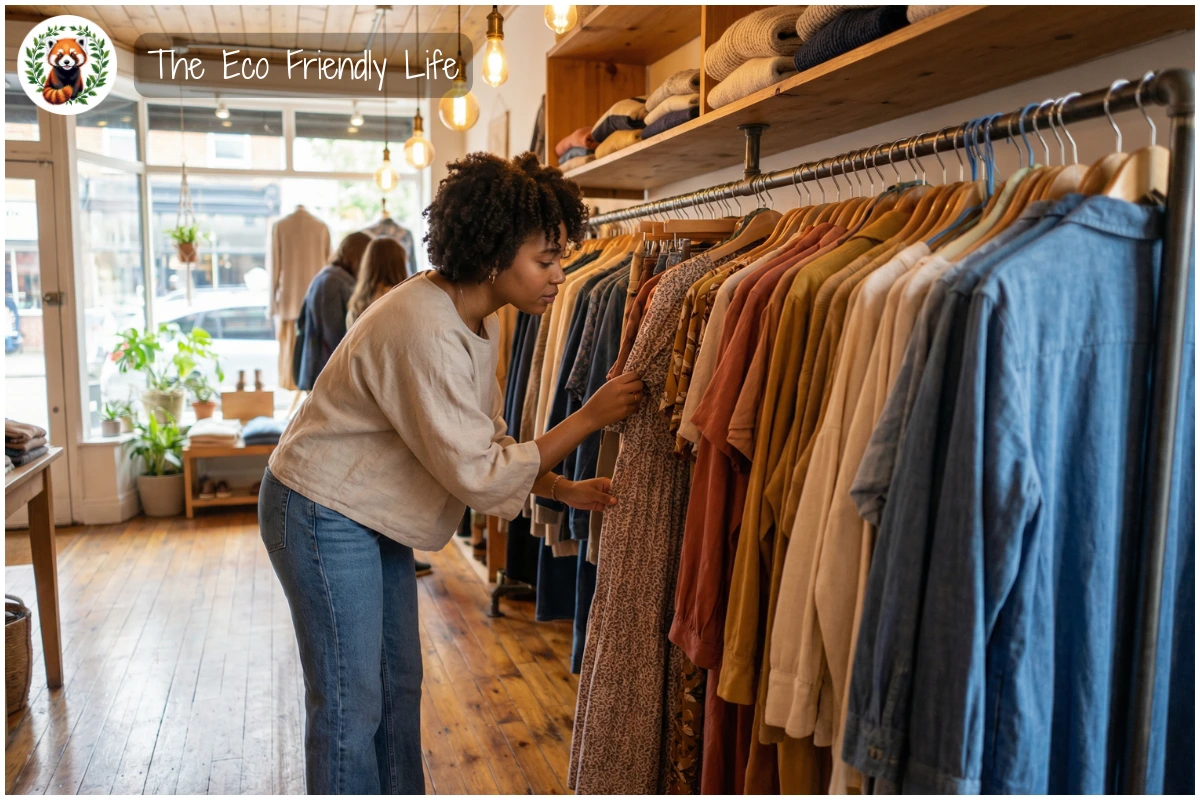
Embracing second-hand and vintage: Buying pre-loved clothing is one of the most effective ways to reduce the environmental impact of your wardrobe. Thrift stores, vintage boutiques, online resale platforms, and clothing swap events all offer accessible ways to find quality pieces without driving new demand for resource-intensive production.
Avoiding greenwashing: Not every brand that markets itself as “sustainable” or “eco-friendly” lives up to those claims. Look beyond the marketing to check whether brands publish transparent supply chain information, use independently verified certifications, and demonstrate genuine commitment to both environmental and fair labour standards. Vague slogans without evidence are a clear red flag.
Choosing what you buy more carefully is a huge step forward — but knowing which specific brands and retailers are genuinely worth your trust is just as important. In the next section, we’ve done the research for you and rounded up some of the best sustainable clothing retailers available globally, including options for kids and families.
Brands and Tools That Support the Planet — Our Recommendations
Finding retailers that genuinely align with sustainable values can take time, so we’ve curated a shortlist of trusted brands that are directly relevant to building a more conscious wardrobe. Whether you’re looking for certified organic everyday basics, ethically made outerwear, a second-hand upgrade, or sustainable clothing for the kids, these retailers offer real, practical options backed by verified sustainability credentials.
Our Retailer Recommendations for Adults
Organic Basics
If you’re starting your sustainable wardrobe with the basics — the things you wear closest to your skin every day — Organic Basics is an excellent place to begin. This Copenhagen-based brand produces everyday essentials like tees, underwear, and loungewear using organic cotton and recycled fabrics, all thoughtfully sourced. Their organic cotton collections for men and women are a practical, affordable foundation for a more conscious wardrobe.
Patagonia
When it comes to durable, ethically made clothing built to last — one of the key principles in this article — Patagonia has set the benchmark for decades. They use recycled and organic materials, offer a garment repair programme, and publish a fully transparent supply chain. Their ranges for men and women span everything from everyday basics to technical outdoor gear, all built to last. Their Worn Wear programme also allows you to shop repaired and resold Patagonia pieces at a reduced price, making second-hand shopping with confidence genuinely easy.
Pact
For shoppers wanting GOTS-certified organic cotton clothing that covers all the everyday wardrobe categories — tops, bottoms, activewear, and more — Pact is a standout choice. As a certified B Corporation, they are independently verified for their environmental and social standards. Their women’s clothing and men’s clothing ranges are affordably priced, making sustainable basics genuinely accessible to everyday shoppers around the world.
Tentree
Tentree ties your wardrobe choices directly to environmental restoration — for every item you purchase, ten trees are planted. Their clothing is made from low-impact materials including organic cotton, recycled polyester, and Tencel, and their everyday sustainable range covers casual, active, and layering pieces suited to a range of climates, with collections for both women and men. If you want your wardrobe refresh to do something actively positive for the planet, Tentree makes that tangible.
Our Retailer Recommendations for Kids/Families
Little Green Radicals
Introducing children to the idea of sustainable clothing is one of the most lasting habits a family can build. Little Green Radicals offers bright, playful, everyday children’s clothing made from GOTS-certified organic cotton, in partnership with Fairtrade producers for over 20 years. Their children’s collections are designed to be durable, comfortable, and passed from one child to the next — exactly the kind of “buy less, buy better” philosophy this article is all about. They also run a take-back scheme for pre-loved pieces.
Frugi
Frugi is a UK-based children’s clothing brand making colourful, hardwearing garments from GOTS-certified organic cotton. Designed for active kids, their pieces are built to withstand real play and last long enough to be handed down to younger siblings or friends — a practical introduction to the lifecycle thinking at the heart of a sustainable wardrobe. Browse their range for girls and boys, covering everything from everyday basics to outerwear.
All six of these retailers are doing something meaningful in the sustainable fashion space, and each one makes it easier for you to shop in line with the principles covered throughout this article. Once you’ve invested in quality pieces from brands you trust, the next challenge is keeping those clothes in great condition for as long as possible — and that’s exactly what the next section covers.
Caring for Your Clothes to Make Them Last
Washing with less impact: The way you launder your clothes has a direct effect on both their lifespan and their environmental footprint. Washing in cold water, using a gentle cycle, and reducing wash frequency where possible all help preserve fabric quality while using less energy. Choosing a plant-based, biodegradable laundry detergent also reduces the chemical load on waterways.
Microplastic pollution: Synthetic fabrics like polyester and nylon shed tiny plastic fibres — known as microfibres — every time they are washed, and these particles pass through treatment systems and enter rivers and oceans. According to a report by the IUCN, the washing of synthetic textiles is the single largest source of primary microplastic pollution in the world’s oceans. Using a microfibre-catching laundry bag (such as a Guppyfriend) can meaningfully reduce this pollution at the source.
The art of repair: Learning basic mending skills — sewing on a button, patching a small hole, re-hemming a trouser leg — is one of the most empowering and sustainable habits you can develop. Many cities also have community repair cafés where volunteers help with garment repairs at little or no cost. If a repair is beyond your skills, a local tailor or cobbler can often restore a beloved item at a fraction of the cost of replacement.
Storing clothes properly: How you store your clothes matters too. Folding knitwear rather than hanging it prevents stretching; keeping garments out of direct sunlight prevents fading; and storing seasonal items in breathable cotton bags rather than plastic protects fabric quality over time. Small habits like these meaningfully extend the life of every piece you own.
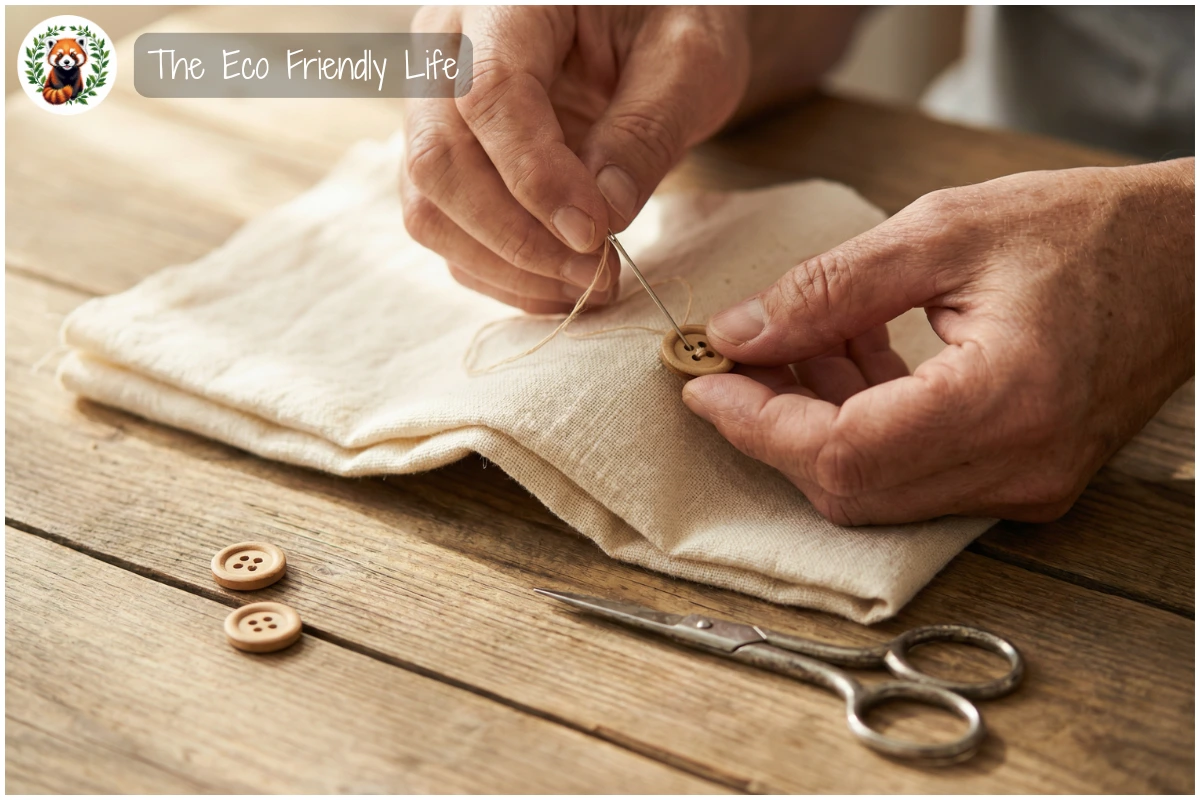
All of these habits combine into something genuinely powerful — a wardrobe that’s lighter on the planet and longer-lasting in your hands. In the next section, we’ve distilled everything covered in this article into a quick-reference table of practical daily actions you can start right now, no experience required.
Practical Daily Tips You Can Action Today
Every sustainable wardrobe starts with small, consistent decisions. Here are ten practical steps you can begin implementing right away.
| Tip | How to Do It | Why It Helps |
|---|---|---|
| Do a wardrobe audit | Pull everything out and honestly assess what you wear and what you don’t. Donate, sell, or swap items you no longer use. | Reduces waste and helps you understand your actual style needs before buying more. |
| Apply the 30-wears rule | Before buying anything new, ask whether you’ll wear it at least 30 times. If not, leave it on the shelf. | Prevents impulse purchases and prioritises longevity over novelty. |
| Wash clothes less often | Spot-clean where possible and only machine wash when genuinely necessary. Use cold water and a gentle cycle. | Extends fabric life, saves energy, and reduces microfibre shedding. |
| Learn one basic repair skill | Start with reattaching a button or mending a small seam — there are free video tutorials online. | Keeps clothes in use longer and reduces the need to replace items unnecessarily. |
| Shop second-hand first | Before buying new, check thrift stores, vintage shops, or online resale platforms for what you need. | Gives existing garments a longer life and reduces demand for new production. |
| Choose quality over quantity | Save up for one well-made piece rather than buying three cheap alternatives. | Higher-quality items last longer and deliver better cost-per-wear value over time. |
| Look for sustainability certifications | Check for GOTS, OEKO-TEX, or Fair Trade labels when buying new clothing. | Ensures your purchase meets verified environmental and ethical standards. |
| Host or attend a clothing swap | Organise a swap with friends or find a local community event. | Refreshes your wardrobe at zero cost and zero new environmental impact. |
| Store clothes properly | Fold knitwear, use breathable storage bags, and keep clothes away from direct sunlight. | Preserves fabric quality and extends the usable life of every garment. |
| Spread the word | Share what you’re learning with friends, family, or on social media. | Multiplies the impact of your individual choices by inspiring those around you. |
These steps are simple, but together they create meaningful momentum. If you have questions about any of them — or about sustainable fashion more broadly — the FAQs below address the most common things people ask when starting out.
FAQs
Do I need to throw out all my existing clothes to start fresh?
Absolutely not — in fact, the opposite is true. The most sustainable choice is to continue wearing what you already own for as long as possible, and only replace items thoughtfully when they genuinely need replacing.
Aren’t sustainable clothes too expensive for most people?
Sustainable clothing can have a higher upfront cost, but the key is shifting toward buying less overall. When you purchase fewer, better-quality items, the long-term cost is often comparable to — or less than — regularly buying cheap fast fashion. Second-hand shopping is also an accessible and affordable route.
How do I know if a brand is genuinely sustainable or just greenwashing?
Look for independently verified certifications such as GOTS, B Corporation, or OEKO-TEX, and check whether the brand publishes transparent information about its supply chain, materials, and labour practices. Vague marketing claims without evidence are a red flag.
Is it better to buy organic cotton or recycled synthetic fabrics?
Both have their merits and trade-offs — organic cotton is biodegradable and avoids synthetic chemicals, while recycled synthetics divert plastic from landfill but can shed microfibres. The best approach is to prioritise durability and longevity above all, whichever material you choose.
Organizations to Support — Our Recommendations
If you’d like to extend your impact beyond your personal wardrobe choices, these organisations are doing vital work to change the fashion industry from the inside out.
- Fashion Revolution is a global movement campaigning for a fairer, safer, and more transparent fashion industry. Founded in the wake of the 2013 Rana Plaza factory collapse, it advocates for systemic change through policy, education, and consumer awareness. You can directly support their campaigns and research by making a donation on their website.
- The Ellen MacArthur Foundation is a globally respected non-profit championing the circular economy, with a dedicated focus on making fashion circular — keeping materials in use, eliminating waste, and regenerating natural systems. Their work reaches businesses, governments, and policymakers worldwide, and you can support it with a one-off or monthly tax-deductible contribution through their website.
- Remake is a non-profit advocacy organisation focused on the human rights of the predominantly female garment workers who make our clothes, while also campaigning on the climate impact of fashion. As an independent organisation that takes no money from brands, every contribution goes directly toward grassroots campaigns and policy change. You can support their mission by donating to Remake.
Together, these organisations represent three powerful pillars of change — transparency, circularity, and human rights — and every contribution, however small, helps move the needle.
Resources and Further Reading
For those who want to go deeper on the topic, these expert sources offer comprehensive, well-researched information on sustainable fashion.
- Good On You is the most widely trusted global platform for evaluating fashion brands on their environmental, labour, and animal welfare practices. Their ratings are independently researched and regularly updated, making it an invaluable tool for any conscious shopper. Browse their sustainable fashion guide and brand ratings directory to shop with more confidence.
- The Sustainable Apparel Coalition (SAC) is an industry-wide non-profit alliance that develops standardised tools and metrics for measuring fashion’s environmental and social impact. Their publicly available resources and publications provide evidence-based insight into industry-level progress and the challenges that remain.
- Common Objective (CO) is a global intelligence platform for the sustainable fashion industry, offering extensively researched articles, data, and guides covering every dimension of ethical fashion. Their sustainable fashion platform is an excellent starting point for anyone seeking a thorough grounding in the subject.
These resources will help you continue learning long after you’ve finished reading, equipping you to make increasingly well-informed choices over time.
Our Related Articles
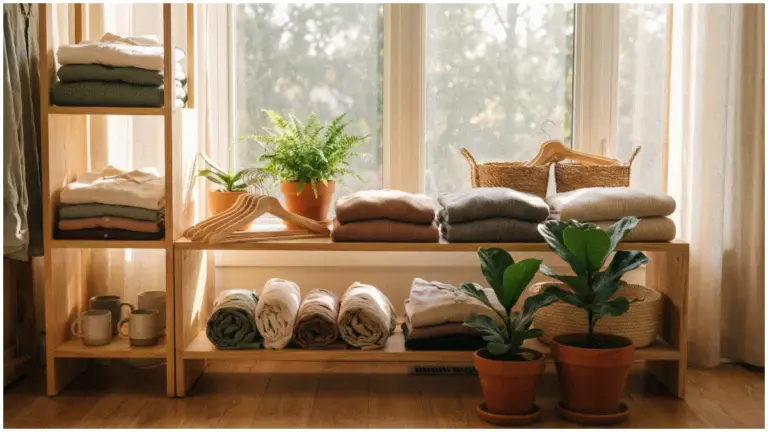
Top Sustainable And Ethical Fashion Brands
The fashion industry stands at a crossroads. While it contributes to approximately 10% of global carbon emissions and generates 92 million tons of textile waste…
Read More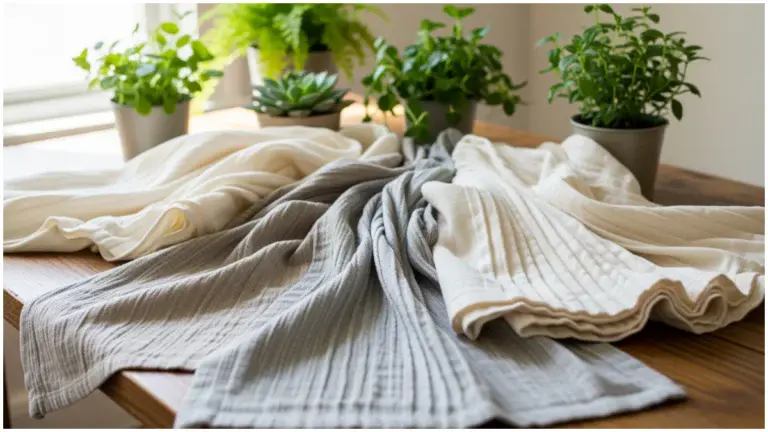
A Guide To Sustainable Fabrics: Organic Cotton, Hemp, Bamboo, And More
The clothes we wear tell a story far beyond their style. Every garment begins its journey in fields, forests, or factories, leaving an environmental footprint…
Read More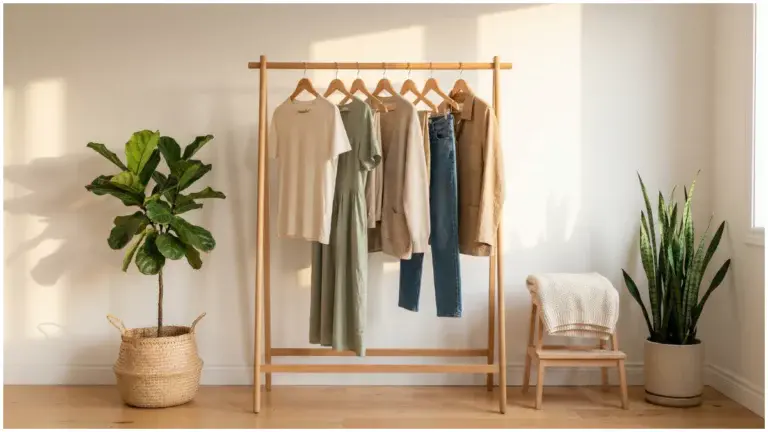
What Is Sustainable Fashion?
The clothes we wear tell a story far beyond personal style. Every garment carries an invisible footprint that stretches across continents, touching water sources, ecosystems,…
Read MoreConclusion
Transitioning to a sustainable wardrobe is not about achieving perfection overnight — it’s about making a series of more conscious, intentional decisions, one at a time. It starts with understanding the real cost of fast fashion, taking an honest look at what’s already in your wardrobe, choosing quality and transparency over convenience, shopping second-hand where possible, and learning to care for and repair the clothes you love. Each small action — whether it’s applying the 30-wears rule, washing in cold water, or discovering a brilliant pre-loved find — is a meaningful contribution to a more sustainable world.
The journey looks different for everyone, and that’s exactly as it should be. What matters most is that you start, stay curious, and keep going — at your own pace, in your own way.
We’d love to hear from you — what’s the first step you’re planning to take toward a more sustainable wardrobe? Share your thoughts, questions, or experiences in the comments below. Your story might just inspire someone else to begin their own.