

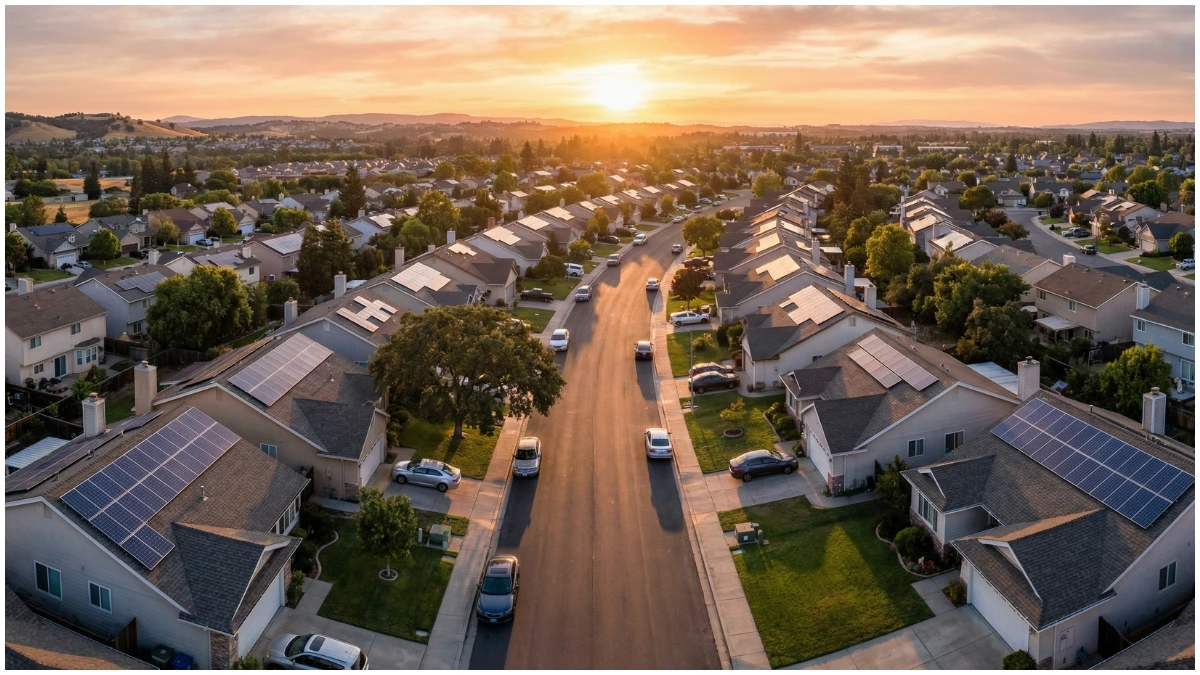

Solar energy represents one of the most accessible and sustainable power sources available to homes and businesses worldwide. As electricity costs continue to rise and environmental concerns grow more urgent, understanding how solar panels work has become essential knowledge for anyone considering a transition to renewable energy. The technology that converts sunlight into usable electricity through photovoltaic systems offers practical solutions that can significantly reduce energy bills while supporting global efforts to combat climate change.
I’m Al, and I’ve spent years exploring sustainable living solutions that make a real difference in everyday life. The journey into solar energy isn’t just about installing panels on your roof—it’s about understanding a technology that’s transforming how we power our world. Whether you’re a homeowner looking to cut energy costs, a business owner seeking sustainability solutions, or simply someone curious about renewable energy, this guide will walk you through everything you need to know about solar panels and photovoltaic technology. Let’s dive into this fascinating world where science meets sustainability, and discover how you can harness the power of the sun.
Understanding Photovoltaic Technology
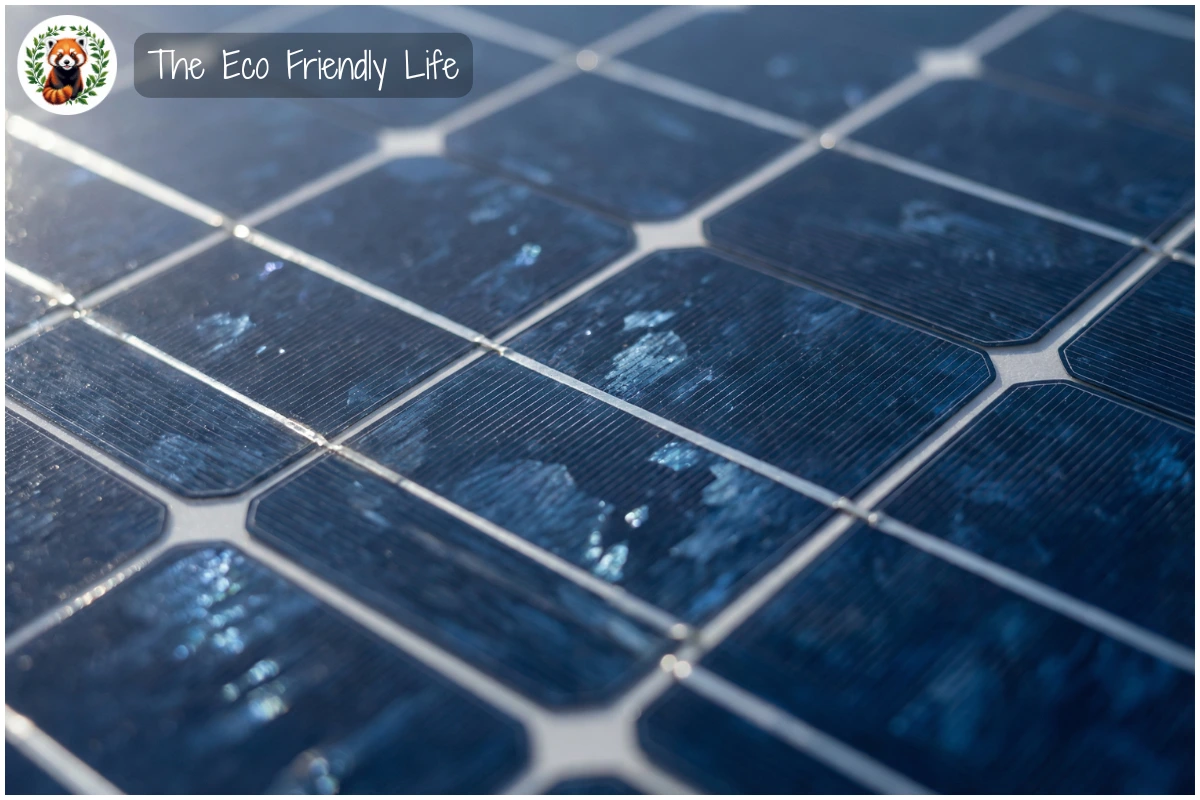
The Science Behind Solar Power: At the heart of every solar panel lies photovoltaic technology, a process that converts light directly into electricity. When sunlight strikes a solar cell, photons from the sun carry enough energy to knock electrons loose from the atoms within the semiconductor material. This movement of electrons creates an electrical current that can power everything from small devices to entire buildings.
Semiconductor Materials at Work: Solar cells are typically constructed from silicon, a semiconductor material widely used because of its electronic properties and availability. The silicon undergoes a special treatment called “doping,” where manufacturers introduce small amounts of other elements to create two distinct layers: n-type silicon (with extra electrons) and p-type silicon (with electron deficiencies). When these layers are joined together, they form a p-n junction, which creates an electric field that drives current flow.
The Electron Flow Process: Once photons have freed electrons from their atomic bonds, the built-in electric field at the p-n junction directs these electrons toward the cell’s surface. Metal contacts on the front and back of the cell collect this flow of electrons, channeling them through an external circuit where they can perform useful work. This continuous movement of electrons constitutes direct current (DC) electricity, which then requires conversion to alternating current (AC) for most household and business applications.
Efficiency Metrics Explained: Modern commercial solar panels typically achieve conversion efficiencies between about 17% and 24%, meaning they transform roughly one-fifth of the sunlight they receive into usable electricity. While this might seem modest, researchers are developing new materials and designs—laboratory test cells have reached efficiencies above 47% using advanced multi-junction structures. For residential applications, monocrystalline panels generally deliver higher efficiency, often outperforming polycrystalline options on the same roof area.
Understanding these fundamental principles helps demystify what might otherwise seem like complex technology. Now that we’ve covered how solar cells generate electricity, let’s explore the different types of panels available and how they compare in terms of performance and cost-effectiveness.
Types of Solar Panel Technologies
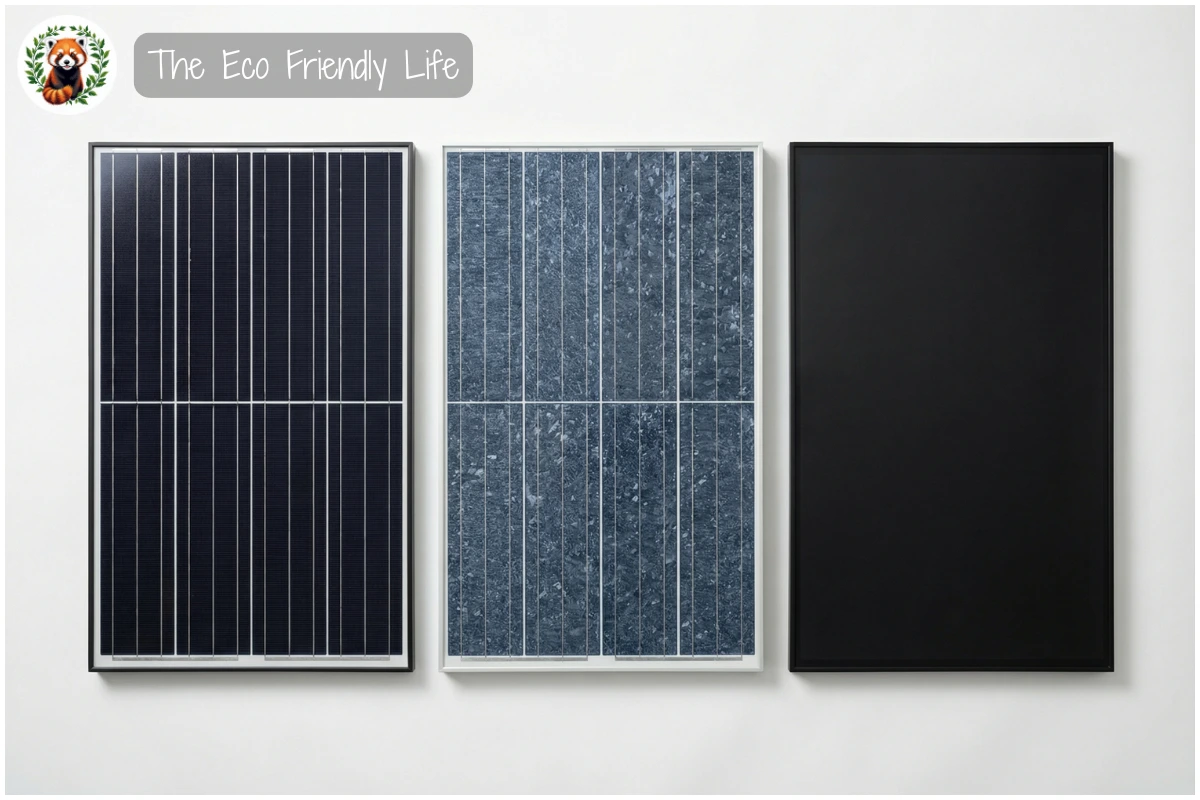
Monocrystalline Solar Panels: These panels represent the premium tier of solar technology, manufactured from single-crystal silicon that gives them their distinctive uniform, dark appearance. Monocrystalline panels deliver the highest efficiency ratings available for residential use, typically ranging from 21-24%. Their superior performance means you can generate more power in less space, making them ideal when roof area is limited. While they command higher prices, their excellent performance in low-light conditions and longer lifespans of 25-30 years often justify the investment.
Polycrystalline Solar Panels: Made from multiple silicon crystals melted together, polycrystalline panels display a characteristic blue speckled appearance. These panels offer efficiencies between 15-22%, slightly lower than their monocrystalline counterparts. However, their manufacturing process is simpler and produces less waste, resulting in more affordable pricing. For installations with ample roof space and tighter budgets, polycrystalline panels provide a cost-effective solution that still delivers reliable performance.
Thin-Film Solar Technologies: Thin-film panels represent a completely different approach to solar energy capture, using ultra-thin layers of photovoltaic materials deposited on various substrates. The main varieties include amorphous silicon (a-Si), cadmium telluride (CdTe), and copper indium gallium selenide (CIGS). While their efficiencies typically range from only 11-15%, thin-film panels offer unique advantages: they’re lightweight, flexible, and perform well in high temperatures and diffuse light conditions. Their applications extend to curved surfaces, portable systems, and building-integrated photovoltaics where traditional rigid panels aren’t suitable.
Emerging Technologies and Innovations: The solar industry is developing new technologies. Perovskite solar cells achieve very high lab efficiencies and are still in the development phase for widespread commercial deployment. Bifacial panels can capture light from both sides, increasing energy generation by 10-20%. Recent silicon–perovskite tandem cells in research settings have surpassed 30% efficiency, with higher values reported for record laboratory devices. These innovations will make solar energy more efficient and accessible in the coming years.
With these technology options understood, you’re better equipped to evaluate which panel type might suit your specific needs. The next step involves understanding how to properly size and install solar systems to maximize both energy production and financial returns.
Sizing and Installing Solar Panel Systems
Calculating Your Energy Needs: The first step in any solar installation involves understanding your electricity consumption patterns. Review your electricity bills from the past 12 months to determine your average daily usage in kilowatt-hours (kWh). Based on one 2025 cost analysis, a three-bedroom home using around 15,900 kWh per year may need roughly 18–34 panels, depending on panel wattage and design. Your energy usage directly determines the system size needed to offset your electricity costs effectively.
Roof Considerations and Orientation: Your roof’s characteristics play a crucial role in system performance. North-facing roofs (in the Southern Hemisphere) or south-facing (in the Northern Hemisphere) generate optimal power output. East or west orientations work acceptably, though production will be somewhat reduced. The roof angle affects efficiency as well—angles less than 10 degrees begin impacting output. Assess potential shading from nearby trees or buildings, as even partial shade can significantly reduce panel performance.
System Size Guidelines: Residential systems typically range from 3kW for small homes to 13kW for large properties, while commercial installations often start at 20kW and can exceed 50kW. A 6.6kW system—one of the most popular residential sizes—requires approximately 15-18 panels and about 25-31 square meters of roof space. Consider future electricity needs: will you purchase an electric vehicle, add a pool, or expand your property? Sizing slightly larger now can accommodate future growth without requiring system upgrades.
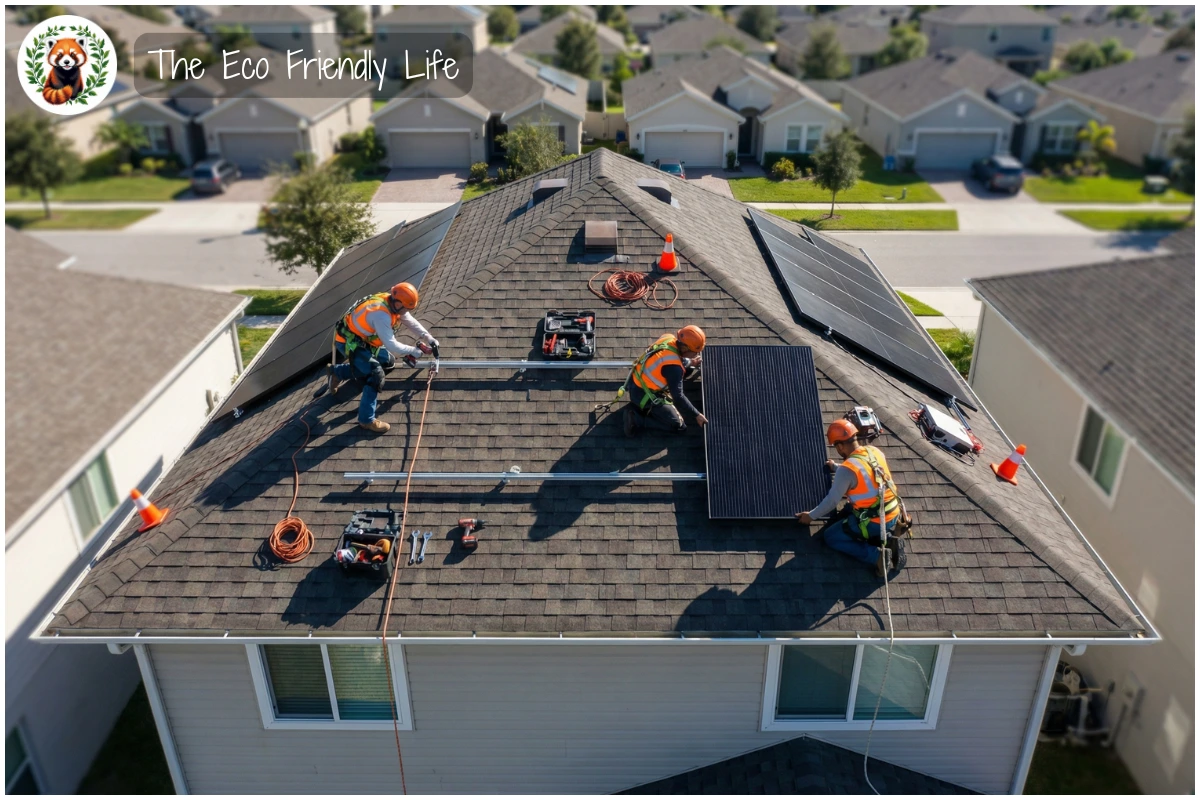
Professional Installation Process: Working with certified installers ensures your system meets safety standards and qualifies for available rebates. The installation process typically involves securing mounting hardware to your roof structure, installing the panels, connecting the electrical system, and integrating an inverter to convert DC power to AC. Proper installation is critical—poor mounting can lead to physical damage, water ingress, or reduced efficiency that shortens panel lifespan. Most installations are completed within one to three days, after which your system undergoes inspection and grid connection approval.
Cost Considerations and Payback: Solar system costs vary by size and location, with complete residential installations in the U.S. typically ranging from roughly $11,000 for a 4 kW system to around $30,000 for a 12 kW system before incentives. After applying federal tax credits and local rebates, overall system costs can be reduced substantially, improving the investment case. Most residential systems achieve payback within 4-7 years through electricity savings, after which they generate essentially free power for their remaining lifespan.
Now that you have a clearer picture of how systems are sized, installed, and connected to the grid, it helps to see real-world products that put these ideas into practice. The following retailers offer practical solar solutions and learning tools that align closely with the technologies and concepts covered in this article.
Brands and Tools That Support the Planet — Our Recommendations
Choosing the right supplier can make switching to solar smoother, whether you’re looking for portable power for your home or educational kits to inspire the next generation. Below are trusted retailers that offer high-quality solar products closely linked to the topics discussed in this article.
Retailers for Adults
| Business Name | About the Retailer & Relevant Products | Homepage |
|---|---|---|
| EcoFlow | EcoFlow designs advanced portable power stations and foldable solar panels that let homeowners and travellers build compact, modular photovoltaic systems for backup power and off-grid use. Their solar generators demonstrate in practice how panels, inverters, and batteries work together as described in this article. | Visit EcoFlow |
| Goal Zero | Goal Zero offers rugged portable solar panels and power stations suitable for homes, small businesses, camping, and emergency preparedness. Their systems showcase real-world examples of DC generation, storage, and AC power delivery using the same principles covered here. | Visit Goal Zero |
| Jackery | Jackery specializes in compact solar generators that combine lithium batteries, inverters, and high-efficiency solar panels in easy-to-use kits. These products are ideal for readers wanting a practical introduction to off-grid photovoltaic power for cabins, RVs, or backup at home. | Visit Jackery |
| Renogy | Renogy supplies complete solar kits, roof-mount panels, charge controllers, and batteries for residential, commercial, RV, and marine applications. Their product range closely mirrors the components described in this guide, from modules and inverters to storage and system monitoring. | Visit Renogy |
| BLUETTI | BLUETTI produces high-capacity home and portable power stations paired with solar panels that can support critical loads during outages and reduce grid reliance. Their systems are useful case studies in how storage, inverters, and solar arrays integrate into everyday energy use. | Visit BLUETTI |
These retailers focus on practical solar solutions for adults, from home backup systems to portable power for work and travel. Next, let’s look at options designed specifically to help kids and families learn about solar energy in a hands-on way.
Retailers for Kids and Families
| Business Name | About the Retailer & Relevant Products | Homepage |
|---|---|---|
| Thames & Kosmos | Thames & Kosmos creates science kits such as their Solar-Powered Rovers and physics-based solar workshops, helping children build working solar models while learning how photovoltaic cells create electricity. These kits turn the core concepts in this article into engaging, age-appropriate experiments. | Visit Thames & Kosmos |
| Elenco (Snap Circuits) | Elenco’s Snap Circuits line includes electronics and renewable energy kits that show kids how circuits, power flow, and sometimes solar cells fit into everyday technology. These hands-on projects reinforce ideas like DC electricity, load connection, and basic system design discussed in the article. | Visit Elenco |
| 4M (Green Science) | 4M’s Green Science line features solar science kits such as solar robots, fans, and mechanical models that run directly on sunlight. Their products give families simple, visual demonstrations of how small photovoltaic cells transform light into motion and useful work. | Visit 4M |
| RobotShop | RobotShop is a global robotics and STEM retailer offering solar-powered model kits and educational sets from brands such as Thames & Kosmos and other makers. These products help children see how solar panels can power moving vehicles and devices, echoing the real systems described in this guide. | Visit RobotShop |
| Fat Brain Toys | Fat Brain Toys curates high-quality educational toys, including solar and renewable energy kits that introduce kids to basic electricity and sustainable power. Their selection supports family learning around topics like panels, circuits, and simple off-grid applications covered in this article. | Visit Fat Brain Toys |
These retailers give you concrete examples of how solar technology shows up in products you can buy today, whether you’re powering a home office or building a small solar rover with your kids. From here, it’s helpful to shift back to how storage and grid integration fit into the bigger picture of running these systems day to day.
Energy Storage and Grid Integration
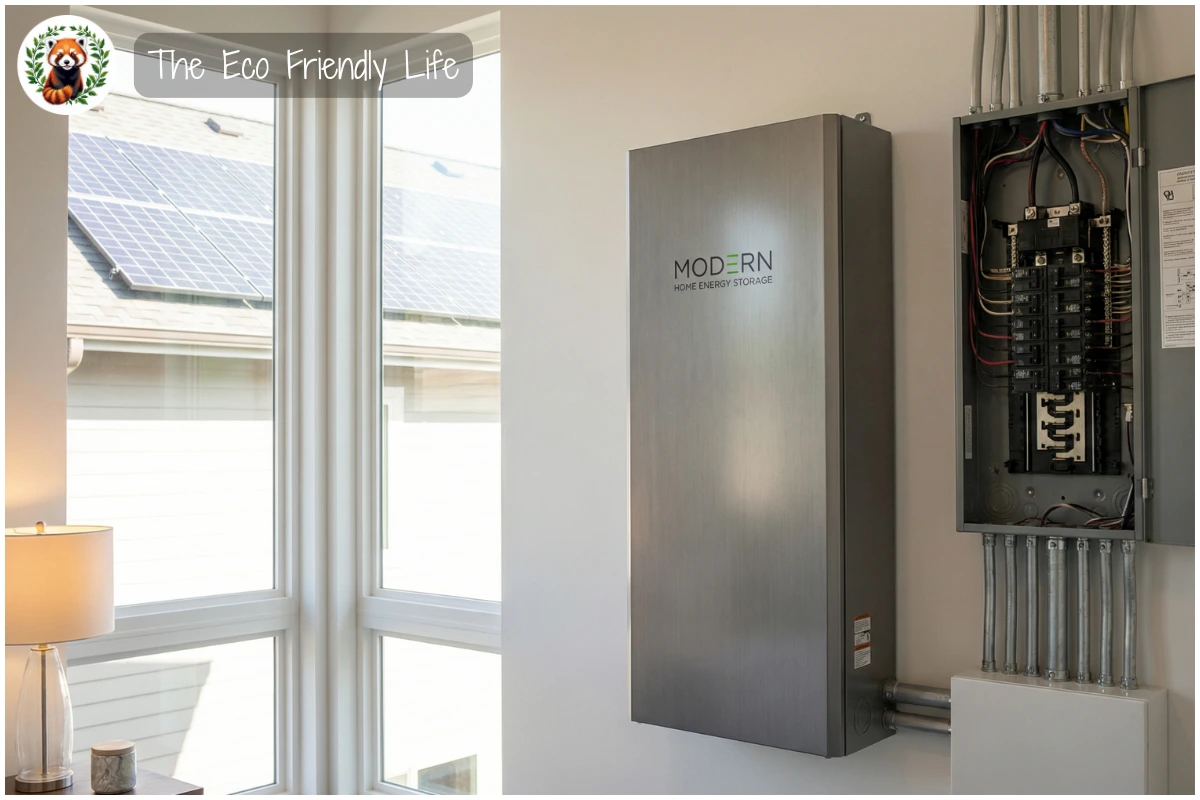
Battery Storage Essentials: Solar panels generate electricity only when the sun shines, making energy storage systems increasingly important for maximizing solar investments. Modern lithium-ion batteries can store excess solar energy produced during the day for use during nighttime hours or power outages. Battery capacity is measured in kilowatt-hours (kWh), with residential systems typically ranging from 10kWh to 20kWh. This stored energy provides backup power during grid failures and allows you to use more of your self-generated electricity rather than exporting it to the grid at lower rates.
Smart Grid Technology Integration: Smart grids are advanced electrical networks that enable two-way communication between utilities and consumers. When solar batteries integrate with smart grids, they can automatically adjust energy flow based on real-time grid conditions and pricing. During peak demand periods when electricity prices rise, your battery system can supply stored solar energy to your home, reducing costs and relieving pressure on the grid. Conversely, during off-peak times, you might export excess solar generation to support the broader electrical network.
Inverter Technologies: Inverters serve as the link between your solar panels and household electrical systems, converting DC electricity from panels into AC electricity that powers your appliances. Modern inverter options include string inverters (cost-effective for unshaded installations), microinverters (optimizing individual panel performance), and power optimizers (combining benefits of both approaches). Advanced inverters also provide grid services such as voltage regulation and frequency response, helping stabilize the electrical network as renewable energy penetration increases.
Net Metering and Feed-In Programs: Many regions offer net metering or feed-in tariff programs that credit solar system owners for excess electricity exported to the grid. These programs effectively turn your electricity meter backward when you’re generating more power than you’re consuming, offsetting the cost of grid electricity you draw at night. Understanding your local utility’s policies regarding solar exports can significantly impact your system’s financial returns and influence decisions about battery storage sizing.
With energy storage and grid integration understood, implementing practical daily habits can dramatically increase your system’s value and environmental impact.
Practical Daily Tips You Can Action Today
Here are actionable steps you can implement immediately to optimize your solar energy usage and embrace sustainable practices:
| Tip | How to Implement | How It Helps |
|---|---|---|
| Shift energy-intensive tasks to daylight hours | Run washing machines, dishwashers, and pool pumps between 10am-3pm when solar production peaks. Schedule these appliances using timers if available. | Maximizes self-consumption of solar energy, reducing reliance on grid power and increasing savings. |
| Monitor your solar system performance | Check your monitoring app or inverter display daily for unusual drops in output. Compare production to weather conditions and time of year. | Early detection of issues such as shading, soiling, or equipment problems prevents prolonged efficiency losses and maintains optimal performance. |
| Keep panels clean and unobstructed | Inspect panels quarterly for dirt, leaves, or bird droppings. Clean with soft brush and soapy water, or hire professional cleaners in dusty areas. | Clean panels can produce 5-20% more electricity; dust accumulation reduces light absorption and energy generation significantly. |
| Optimize appliance efficiency | Replace old appliances with energy-efficient models rated 4-5 stars. Use cold water for laundry when possible and ensure proper appliance maintenance. | Reducing overall energy consumption means your solar system covers a larger percentage of your needs, accelerating payback and reducing bills. |
| Track your electricity usage patterns | Review your electricity bills monthly, noting usage during solar production hours versus evening peaks. Adjust habits based on patterns identified. | Understanding consumption patterns helps you modify behavior to align usage with solar generation, maximizing financial benefits. |
| Use programmable thermostats | Set heating/cooling to operate primarily during solar production hours. Pre-cool or pre-heat your home using solar power before evening demand begins. | Heating and cooling typically represent 40% of home energy use; timing operation with solar availability dramatically increases self-consumption. |
| Trim nearby vegetation regularly | Inspect for tree growth casting shadows on panels twice yearly. Trim branches proactively before they begin shading your array. | Even partial shading can reduce panel output by 30-50%; maintaining clear sun exposure ensures maximum energy generation year-round. |
| Charge electric vehicles during the day | Plug in your EV mid-morning and use timers to charge during peak solar hours instead of overnight. Consider workplace charging if available. | EVs typically require 10-20kWh per day; charging with solar power maximizes clean energy use and reduces your carbon footprint substantially. |
| Review system warranties annually | Document panel condition with photos, check warranty terms, and ensure you’re meeting maintenance requirements specified by manufacturers. | Solar panels typically carry 25-year warranties; maintaining documentation and compliance protects your investment and ensures warranty validity. |
| Educate household members | Share solar production data with family members and explain how their energy choices impact bills and environmental footprint. Make it a team effort. | When everyone understands the system, household energy habits improve collectively, leading to greater savings and sustainability outcomes. |
These daily practices transform your solar investment from a passive technology into an active part of your sustainable lifestyle. Let’s address some common questions that arise when considering solar panels.
Frequently Asked Questions
How long do solar panels typically last?
Solar panels generally maintain productive operation for 25-30 years, with many continuing to generate electricity well beyond this timeframe. Quality panels retain approximately 90% of their original efficiency even after 25 years of use, though output gradually decreases over time due to natural degradation processes.
Do solar panels work on cloudy days?
Yes, solar panels continue generating electricity under cloudy conditions, though at reduced capacity. Panels can produce 10-25% of their rated output on overcast days depending on cloud density, as they capture diffuse sunlight that penetrates cloud cover. Modern panels perform increasingly well in low-light conditions.
What maintenance do solar panels require?
Solar panels require minimal ongoing maintenance—primarily periodic cleaning to remove dust, pollen, and debris that can reduce efficiency. Residential systems benefit from visual inspections after severe weather and professional electrical checks every 2 years, while larger commercial installations should undergo annual maintenance reviews to ensure optimal performance and safety.
Can I install solar panels myself?
While technically possible for experienced DIYers, professional installation is strongly recommended. Licensed installers ensure systems meet electrical codes, building regulations, and safety standards while providing necessary warranties and access to available rebates. Improper installation can create fire hazards, void warranties, and result in underperforming systems that compromise your investment.
Organizations to Support – Our Recommendations
Supporting organizations dedicated to advancing solar energy and renewable technology helps accelerate the global transition to sustainable power. Here are three impactful charities making meaningful differences:
- SolarAid fights poverty and climate change by providing solar lights to disadvantaged communities across sub-Saharan Africa. Since 2006, they’ve distributed 2.3 million solar lights reaching 13.1 million people, helping families save $312 million while averting 1.1 metric tons of CO₂ per light. Support their mission through donations where contributions directly fund solar light distribution and training for local solar entrepreneurs.
- Renewable World creates locally-led renewable energy projects in Kenya and Nepal, empowering underserved communities to build businesses and improve livelihoods using clean energy. They’ve reached 123,000 people with renewable energy solutions, installed 40 solar-powered water pumps, and electrified 23 educational and health centers. Contribute to their work in remote communities to support sustainable energy access in off-grid areas facing energy poverty.
- International Solar Energy Society (ISES) has served the global renewable energy community since 1954 as a UN-accredited NGO present in over 50 countries. ISES supports members in advancing solar technology, implementation, and education worldwide through research collaboration, conferences, and knowledge sharing. Make a donation to ISES to strengthen international cooperation and accelerate the advancement of solar energy technologies globally.
These organizations represent different approaches to advancing solar energy—from grassroots community projects to international scientific collaboration—and each plays a vital role in building a sustainable energy future.
Resources and Further Reading
For those seeking deeper technical understanding and authoritative information about solar technology, these expert resources provide comprehensive coverage:
- The U.S. Department of Energy’s Solar Energy Technologies Office offers extensive technical documentation through their photovoltaic technology basics guide, covering how PV systems work and key performance concepts. Their resources explain everything from fundamental cell physics to grid-scale deployment considerations, making complex concepts accessible to diverse audiences.
- The National Renewable Energy Laboratory (NREL) provides the PVWatts Calculator tool, a resource for estimating solar energy production and costs for specific locations worldwide. This interactive platform helps homeowners and installers develop realistic performance expectations based on actual weather data and system specifications.
- Clean Energy Reviews maintains regularly updated analyses through their most efficient solar panels comparison, explaining panel technologies, efficiency ratings, and leading manufacturers. Their independent reviews help consumers understand quality differences between products and make informed purchasing decisions.
These authoritative sources offer ongoing learning opportunities as solar technology continues evolving and improving.
Our Related Articles
How To Make Your Home Energy-Efficient
Rising energy costs and growing environmental concerns are driving more people than ever to rethink how they power their homes. The good news? Making your…
Read More
Renewable And Non-Renewable Energy Sources Explained
Energy powers every aspect of modern life, from the lights in our homes to the vehicles we drive and the industries that create the products…
Read MoreConclusion
Solar panels and photovoltaic technology represent far more than just an alternative energy source—they embody a practical pathway toward energy independence, reduced environmental impact, and long-term financial savings. From understanding how silicon semiconductors convert photons into electricity, to navigating the choices between monocrystalline, polycrystalline, and thin-film technologies, you now have the foundational knowledge to make informed decisions about solar energy.
Whether you’re considering a complete home installation, exploring portable solar solutions for recreation, or simply seeking to understand the technology powering our renewable energy future, the principles remain constant: sunlight contains abundant energy, photovoltaic cells can capture it efficiently, and thoughtful system design maximizes both environmental and economic benefits. With solar panel costs continuing to decline while efficiency improves, and with utility electricity prices rising globally, the case for solar energy grows stronger each year.
The transition to renewable energy begins with individual choices—informed decisions about technology, strategic investments in sustainable infrastructure, and daily habits that maximize clean energy usage. Every solar installation, regardless of size, contributes to reducing greenhouse gas emissions, decreasing fossil fuel dependence, and building a more sustainable energy system for future generations.
What’s holding you back from exploring solar energy for your home or business? Have you calculated your potential savings, or are there specific concerns about installation, costs, or performance in your climate? Share your thoughts, questions, or experiences with solar technology in the comments below—your insights might help others take their first steps toward renewable energy.