


The way we choose our food has never been more important. As awareness grows about the connection between what we eat and our overall well-being, organic food has moved from a niche market to a mainstream choice embraced by millions worldwide. Whether motivated by health concerns, environmental values, or simply seeking better-tasting produce, people across the globe are discovering that organic choices offer benefits that extend far beyond the dinner plate.
I’m Katrina, and like many of you, I’m on a journey toward more sustainable living. I’ve spent years exploring ways to make choices that are better for both my family and the planet, and organic food has become a cornerstone of that commitment. I’m not an expert with letters after my name—just someone passionate about sharing what I’ve learned along the way. I welcome you to join me as we explore the compelling reasons why choosing organic food matters now more than ever. Read on to discover how this simple shift in your shopping habits can create positive change in your health, your community, and the environment we all share.
Health Advantages of Going Organic
Lower Pesticide Exposure: One of the most significant benefits of organic food is dramatically reduced exposure to synthetic pesticides and herbicides. Conventional farming relies heavily on chemical pesticides, and residues from these substances regularly appear on the food we eat. Multiple studies have shown that switching to an organic diet can reduce pesticide levels by more than 60% within days to weeks, with some organophosphate metabolites declining by over 95%. For children, who are particularly vulnerable to pesticide exposure, this reduction is especially crucial. Research examining children in various communities found that an organic diet significantly lowered urinary concentrations of organophosphate pesticide metabolites, providing immediate protective benefits for developing bodies and brains.
Higher Nutrient Density: Beyond what organic food doesn’t contain, there’s compelling evidence about what it does offer. Organic crops tend to have higher levels of beneficial compounds, including antioxidants, vitamins, and minerals. Studies have documented that antioxidant levels can be around 20–40% higher and in some cases over 60% higher in organic produce compared to conventionally grown alternatives. Organic fruits and vegetables have been shown to contain higher concentrations of vitamin C, iron, magnesium, and phosphorus. These elevated nutrient levels mean that organic produce can provide antioxidant benefits equivalent to consuming 1–2 additional servings of fruits and vegetables daily, maximizing nutritional value with every bite.
Reduced Heavy Metal Contamination: Organic farming practices also result in lower levels of toxic heavy metals in food. Research has found that organic foods contain approximately 48% less cadmium—a toxic metal that accumulates in the body over time—compared to conventionally grown crops. This reduction in heavy metal exposure contributes to long-term health protection, particularly important for vulnerable populations including pregnant women and young children.
Improved Fatty Acid Profiles: For those who consume animal products, organic options offer nutritional advantages. Organic dairy products and meat contain higher omega-3 levels and conjugated linoleic acid (CLA). These healthy fats play crucial roles in brain function, reducing inflammation, and supporting cardiovascular health. Organic milk and dairy may contain around 50% more omega-3 than conventional products, making them a more nutrient-dense choice for families.
DNA Repair and Cellular Health: Perhaps most remarkably, emerging research suggests that organic diets may support the body’s natural healing processes. A randomized clinical trial found that participants following an organic diet showed a higher percentage of DNA damage repair compared to those on a conventional diet, with the organic intervention demonstrating increased lymphocyte DNA strand breaks repair and reduced levels of inflammation markers. This enhanced repair capacity is likely due to both the higher antioxidant content of organic foods and the reduced burden of genotoxic pesticides that can interfere with genetic repair systems.
The evidence shows that what we choose to put on our plates has profound implications for our bodies at the cellular level. But the benefits of organic food extend well beyond personal health—they reach into the very soil beneath our feet and the ecosystems that sustain all life.
Environmental Benefits and Soil Health
Protecting Soil Vitality: Organic farming represents one of the most effective approaches to regenerating and maintaining soil health. Long-term studies have demonstrated that organic farming increases soil carbon by 53–103% in topsoil and 25–142% in subsoil compared to conventional methods. This enhanced soil carbon storage not only improves fertility but also plays a critical role in climate change mitigation. Healthy, carbon-rich soil acts as a powerful carbon sink, removing atmospheric carbon dioxide and storing it underground where it simultaneously improves growing conditions for future crops.
Enhancing Microbial Diversity: The foundation of healthy soil lies in its invisible inhabitants. Organic farming practices develop dramatically higher levels of microbial life, with a global meta-analysis showing 32–84% more biomass in organic systems compared to conventional fields. These microorganisms form complex networks that cycle nutrients, suppress plant diseases, and create soil structure. Long-term field research has found that organic management doubles network complexity in soil microbial communities after about 20 years, increasing both the number of nodes and connections in those networks. This rich microbial community creates more resilient ecosystems capable of withstanding environmental stresses.
Reducing Greenhouse Gas Emissions: Climate change poses one of the greatest challenges of our time, and organic agriculture offers meaningful solutions. Organic farming systems emit lower greenhouse gas emissions per hectare than conventional systems. This reduction stems from multiple factors: organic farms eliminate synthetic nitrogen fertilizers, which are major contributors to agricultural emissions, and the manufacturing of synthetic pesticides releases significant greenhouse gases including carbon dioxide, methane, and nitrous oxide. By choosing organic, consumers support farming practices that actively reduce agricultural contributions to climate change.
Supporting Biodiversity: Organic farms serve as havens for wildlife in increasingly industrialized agricultural landscapes. The prohibition of synthetic broad-spectrum pesticides in organic systems protects beneficial insects, pollinators, birds, and other wildlife. Studies have documented that earthworm abundance and biomass are on average 78% and 94% higher, respectively, in organic farming systems compared with conventional agriculture, and that organic management increases species richness by approximately 30% on average across diverse organism groups and farming contexts. For farms to receive organic certification in many countries, a minimum of 5% of land must be dedicated specifically to biodiversity conservation, creating corridors and habitats that support ecosystem health beyond the farm boundaries.
Protecting Water Quality: Organic agriculture also safeguards water resources. These systems can show reduced nitrate leaching, with research demonstrating that organically fertilized soils exhibited 4.4-5.6 times lower annual nitrate leaching compared to conventionally fertilized soils in long-term field studies. By eliminating synthetic pesticides and fertilizers, organic farms reduce runoff into streams, rivers, and ultimately oceans, where these pollutants can create dead zones and harm aquatic life.
Lower Energy Consumption: Resource efficiency is another environmental advantage of organic systems. The Rodale Institute Farming Systems Trial found that organic cropping systems used 45% less energy than conventional systems, with organic systems requiring 2.03 megajoules to produce one kilogram of dry matter compared to 2.60 megajoules in conventional systems. This reduced energy demand translates to a smaller carbon footprint for every organic product that reaches your table.

As we consider these environmental benefits, organic agriculture represents far more than a production method—it’s a holistic approach to working with nature rather than against it. This philosophy extends naturally to how we access these beneficial foods in our daily lives, which is where thoughtful retailer choices become important.
Brands and Tools That Support the Planet — Our Recommendations
Finding trusted sources for organic products has become easier than ever, with numerous retailers now committed to making organic food accessible globally. Below, I’ve researched retailers that not only offer quality organic options but also demonstrate commitment to sustainability, transparency, and supporting organic farming practices. These recommendations focus on companies that ship internationally or serve customers across multiple countries.
For Adults
| Business Name | About the Retailer | Visit |
|---|---|---|
| Thrive Market | Thrive Market is a membership-based online marketplace offering over 6,000 organic, non-GMO, and sustainable products at wholesale prices—typically 25-50% below retail. As a certified B-Corporation, they prioritize environmental responsibility with carbon-neutral shipping and sustainable packaging. Their extensive selection includes organic pantry staples, supplements, beauty products, and household items. Members save an average of 30% per order while supporting a company that donates memberships to low-income families, making organic living accessible to all. | Visit Thrive Market |
| iHerb | iHerb is a global leader delivering over 50,000 natural products from 1,900+ trusted brands to customers in 180+ countries. Founded in 1996, they specialize in vitamins, supplements, organic superfoods, and eco-friendly beauty products at prices 30-40% lower than traditional health food stores. With multiple international warehouses, iHerb offers fast worldwide delivery with free or reduced shipping on most orders. Their commitment to quality, accessibility, and global reach makes them an excellent choice for organic-minded consumers anywhere in the world. | Visit iHerb |
| Sunfood | Since 1995, Sunfood has been providing the highest quality organic, raw, non-GMO superfoods and nutritional products. Their extensive catalog includes premium items like organic cacao, maca, goji berries, chia seeds, protein powders, and specialty superfoods sourced from sustainable farms worldwide. Sunfood’s commitment to purity means every product is carefully tested and certified. With an average order value of $120 and products designed to maximize nutritional density, Sunfood appeals to health-conscious consumers seeking the best organic superfoods available. | Visit Sunfood |
| Mountain Rose Herbs | Mountain Rose Herbs has been a trusted source for certified organic herbs, spices, teas, and essential oils since 1987. This B-Corporation goes beyond organic certification, implementing zero-waste initiatives and supporting farmers who use sustainable practices. They offer an exceptional selection of bulk organic herbs and spices, DIY ingredients for herbalism, and natural body care supplies. With free educational resources about herbalism and sustainable living, Mountain Rose Herbs connects customers to the plant world while supporting environmental and social justice initiatives. | Visit Mountain Rose Herbs |
| Nuts.com | Nuts.com offers an extensive selection of over 3,000 organic products including nuts, dried fruits, seeds, grains, and specialty foods—all certified organic by CCOF (California Certified Organic Farmers). Operating since 1929, this family-owned company prioritizes quality and freshness, with products free from artificial preservatives, colors, and pesticides. Their commitment to transparency means every organic product meets stringent USDA standards. With competitive pricing, bulk buying options, and free shipping over certain thresholds, Nuts.com makes stocking an organic pantry both convenient and affordable. | Visit Nuts.com |
For Kids and Families
| Business Name | About the Retailer | Visit |
|---|---|---|
| Green Chef | Green Chef is the first USDA-certified organic meal kit company, delivering pre-portioned organic ingredients with easy-to-follow recipes directly to families’ doors. They source ingredients from farms using organic and sustainable practices, ensuring all meals are non-GMO and free of hormones, antibiotics, and pesticides. With diverse menu options including vegetarian, keto, Mediterranean, and family-friendly plans, Green Chef makes cooking healthy organic meals simple even for busy households. Their commitment extends to recyclable and compostable packaging, supporting both family health and environmental sustainability. | Visit Green Chef |
| Wildly Organic | Wildly Organic sells premium organic foods designed to support healthy, vibrant living for the whole family. Their collection includes organic coconut products, raw cacao, nuts, seeds, and specialty ingredients—all made to be vegan-friendly, gluten-free, and suitable for various dietary needs. Family-owned and operated, Wildly Organic prioritizes purity and quality in every product. They offer tiered commission structures for affiliates and work to make truly organic foods accessible to families at fair prices, with bulk options available for pantry staples that households use regularly. | Visit Wildly Organic |
| Vitacost | Founded in 1994, Vitacost is one of the largest online retailers of health and wellness products, offering over 40,000 items including vitamins, organic foods, eco-friendly beauty products, and household essentials. Known for competitive pricing that makes healthy living affordable for families, Vitacost carries products from 2,500+ leading brands plus their own quality private-label organic options. With regular sales, promotions, and bulk discounts, families can stock up on organic staples without breaking the budget. Their 24/7 customer service and satisfaction guarantee provide peace of mind for every purchase. | Visit Vitacost |
| Gourmet Food Store | Gourmet Food Store offers a curated selection of specialty organic and gourmet foods from around the world, perfect for families wanting to explore international flavors while maintaining organic standards. Their organic selection includes artisanal oils, vinegars, pasta, grains, and specialty ingredients that inspire creative, healthy cooking. Beyond organic groceries, they provide access to sustainable seafood, grass-fed meats, and farmstead cheeses. With detailed product descriptions and recipe ideas, Gourmet Food Store helps families discover new organic options while supporting small-scale producers committed to quality and sustainability. | Visit Gourmet Food Store |
| Sproutman | Sproutman is a trusted source for organic sprouting seeds, grow kits, and wheatgrass supplies, empowering families to grow their own ultra-fresh organic foods at home. Founded by “The Sproutman” Steve Meyerowitz, this company provides everything needed to sprout nutrient-dense organic seeds, beans, and grains in your kitchen. Growing sprouts at home offers families the freshest possible organic nutrition at minimal cost, while teaching children about food systems and healthy eating. Sproutman’s organic seeds and comprehensive growing guides make sprouting accessible even for beginners, creating fun family activities that yield nutritious results. | Visit Sproutman |
These retailers represent excellent starting points for your organic food journey, with global reach and commitment to making organic products accessible worldwide. As you explore these options, you’ll likely discover that choosing organic is about more than just the products themselves—it’s about supporting business models and values that align with a more sustainable future. Understanding what makes food truly organic empowers better choices, which is why knowing about organic labels and certifications is essential.
Making Sense of Organic Labels and Certifications
Understanding Certification Levels: Navigating organic labels can feel overwhelming at first, but understanding the basics empowers you to make better choices. In most regulated markets, products labeled “100% Organic” must be made entirely with certified organic ingredients and processing aids, excluding water and salt, as defined in the USDA organic labeling rules. Products labeled simply “Organic” contain at least 95% organic ingredients as specified by USDA regulations. Items marked “Made with Organic Ingredients” contain at least 70% organic ingredients with restrictions on the remaining 30% according to federal standards. These distinctions matter when deciding which products align with your priorities and budget.
Global Certification Standards: Organic certification varies significantly across different countries and regions, though efforts toward harmonization continue. The United States operates under the USDA National Organic Program, while the European Union follows comprehensive regulations established in Council Regulation (EC) No 834/2007. Australia requires products to meet the National Standard for Organic and Bio-dynamic Produce for export, and additional country-specific certifications may be required for international trade. Organizations like the International Federation of Organic Agriculture Movements work to create common reference points that simplify global trade and consumer understanding.
Third-Party Verification: Legitimate organic certification requires independent third-party verification, where accredited certifying bodies conduct regular inspections of farms and processing facilities. This system provides accountability and consumer confidence, though certification costs can pose challenges for small-scale farmers. Some regions have developed alternative verification systems like Participatory Guarantee Systems (PGS), which use peer-to-peer certification among local farming communities while maintaining organic integrity.
Look Beyond the Label: While certification provides important assurances, the organic label doesn’t tell the complete story. Some small-scale farmers practice organic methods but cannot afford certification fees. Getting to know local farmers at farmers’ markets allows you to ask directly about their growing practices. Many farms follow organic principles even without formal certification, offering high-quality produce that supports local economies and reduces food miles.
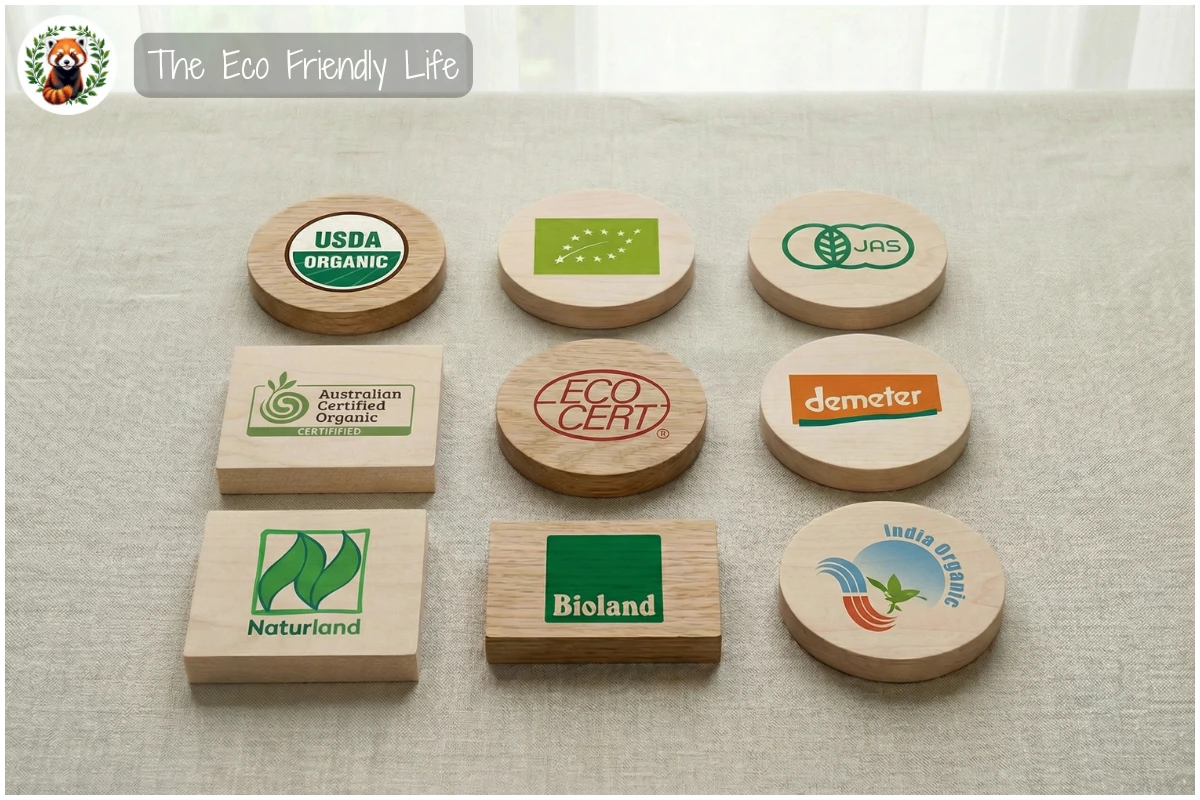
Avoiding Greenwashing: As organic products gain popularity, some companies make misleading environmental claims without legitimate certification—a practice known as “greenwashing”. Looking for recognized certification logos from established bodies like USDA Organic, EU Organic, or certified organic labels specific to your country helps verify authenticity. When in doubt, research the certifying organization or ask retailers for documentation.
Special Considerations for Animal Products: Organic standards for meat, dairy, and eggs encompass more than just feed requirements. USDA organic livestock rules require that animals be allowed year-round access to the outdoors, be managed without antibiotics or added growth hormones, and be fed 100% certified organic feed (with only limited mineral and vitamin exceptions). Recent updates to USDA organic livestock standards have strengthened animal welfare requirements, including specific space requirements both indoors and outdoors, and mandates that outdoor areas include soil and vegetation. These enhanced standards better align organic certification with consumer expectations for humane animal treatment.
Understanding these certification systems helps demystify organic labels and empowers more confident purchasing decisions. Armed with this knowledge, you can now explore practical ways to incorporate organic food into your daily routine without breaking the bank.
Practical Daily Tips You Can Action Today
| Practical Tip | How to Implement | How This Helps |
|---|---|---|
| Prioritize the Dirty Dozen | Focus your organic purchases on the Environmental Working Group’s Dirty Dozen list—produce with highest pesticide residues like spinach, strawberries, and leafy greens. Buy conventional for the Clean Fifteen (avocados, sweet corn, pineapple, onions). | Maximizes health benefits while minimizing costs by strategically choosing where organic matters most for pesticide exposure reduction. |
| Shop Farmers Markets | Visit local farmers markets toward closing time when vendors often reduce prices. Ask farmers directly about their growing practices—many use organic methods without formal certification. | Supports local economy, reduces food miles, and provides access to fresh, often more affordable organic produce while building community connections. |
| Buy in Bulk | Purchase organic staples like grains, beans, nuts, and seeds from bulk bins using your own containers. Stock up when items go on sale and store properly in glass jars. | Reduces packaging waste, lowers per-unit costs significantly, and allows you to buy exactly the quantities you need, minimizing food waste. |
| Join a CSA | Sign up for a Community Supported Agriculture program where you receive regular boxes of seasonal organic produce directly from local farms. Many offer payment plans or work-share options. | Provides variety of fresh organic produce at lower cost than retail, directly supports local organic farmers, and introduces you to new seasonal vegetables. |
| Choose Store Brands | Look for organic store brands at major supermarkets like Aldi, Whole Foods 365, Trader Joe’s, and local chains. These often cost 20-30% less than name-brand organic products. | Makes organic more affordable while maintaining the same certification standards and quality as more expensive branded alternatives. |
| Grow Your Own | Start small with herbs, tomatoes, or leafy greens in pots or a small garden plot. Use organic seeds and natural compost to create your own certified-organic-quality produce. | Provides the freshest possible produce, eliminates transportation costs and packaging, and creates a deeply satisfying connection to your food. |
| Buy Seasonal | Purchase produce during its natural growing season when it’s most abundant and affordable. In winter, buy root vegetables and squash; in summer, focus on berries and stone fruits. | Seasonal organic produce costs less, tastes better, and has higher nutrient content because it’s harvested at peak ripeness rather than shipped long distances. |
| Cook from Scratch | Prepare meals from whole organic ingredients rather than buying processed organic convenience foods. Batch cook and freeze portions to save time during busy weeks. | Organic whole foods cost far less than processed organic products, gives you control over ingredients, and develops valuable cooking skills for lifelong health. |
| Start with Essentials | Begin by switching just the basics to organic: onions, carrots, potatoes, bananas, eggs, and milk. Don’t feel pressured to go 100% organic immediately. | Small, consistent changes prove more sustainable than overwhelming overhauls, allowing your budget and habits to adjust gradually to organic prices and sourcing. |
| Use Apps and Sales | Download apps like Ibotta for cash-back on organic purchases. Check store flyers weekly for organic sales and plan meals around discounted items. | Technology and strategic planning help stretch your organic budget further by taking advantage of promotions and earning money back on purchases you’d make anyway. |
These practical strategies demonstrate that eating organic doesn’t require wealth—it requires thoughtfulness, planning, and a willingness to adjust shopping habits. As you implement even a few of these tips, you’ll likely discover that organic eating becomes increasingly manageable and rewarding. Of course, many people have similar questions when starting their organic journey, so let’s address the most common ones.
FAQs
Is organic food really worth the extra cost? While organic products often cost more, the price gap is narrowing, and strategic shopping can minimize the difference. The value extends beyond price to include reduced pesticide exposure, higher nutrient levels, and environmental benefits that conventional food pricing doesn’t account for. Many staple organic items now cost only 10-25% more than conventional alternatives.
How can I be sure something is truly organic? Look for certification logos from recognized bodies like USDA Organic, EU Organic, or equivalent certifications in your country. These labels mean the product has been verified by independent third-party inspectors. For uncertified local produce, develop relationships with farmers and ask specific questions about their growing practices.
Does organic food really taste better? Many people report that organic produce has more intense, authentic flavors, likely because organic farming often prioritizes heritage varieties selected for taste rather than shelf life or uniformity. The fresher your organic produce (especially from local sources), the more pronounced the flavor difference tends to be compared to conventional alternatives that may have traveled long distances.
Can switching to organic really reduce pesticides in my body quickly? Yes, remarkably quickly. Studies show that transitioning to an organic diet can reduce pesticide metabolites in urine by up to 98.6% within just two weeks, with some metabolites dropping to non-detectable levels within 24-48 hours of dietary change.
Organizations to Support – Our Recommendations
- IFOAM – Organics International is the worldwide umbrella organization for the organic agriculture movement, uniting more than 700 affiliates across 115 countries. They work to lead, unite, and assist the organic sector in achieving worldwide adoption of ecologically, socially, and economically sound farming systems based on organic agriculture principles. You can strengthen the global organic movement by contributing to their work, which helps develop standards, build farmer capacity, and advocate for policy changes that support organic agriculture worldwide.
- Rodale Institute pioneered the organic movement in North America and continues to conduct research proving that organic agriculture can feed the world, improve farmer livelihoods, and heal the planet. Their 70+ year Farming Systems Trial provides the gold standard data demonstrating organic agriculture’s superior environmental and economic performance. By supporting their research and education programs, you help expand scientific evidence for organic practices and train the next generation of organic farmers to cultivate a regenerative future.
- Sustainable Food Trust works globally to accelerate the transition to sustainable food and farming systems that nourish both people and planet. They conduct research on true cost accounting in food systems, demonstrating the hidden environmental and health costs of industrial agriculture while quantifying the benefits of organic and regenerative approaches. You can contribute to their advocacy and educational programs that promote genuinely sustainable food systems based on scientific evidence and holistic thinking.
These organizations represent the forefront of the global organic movement, working steadily to create food systems that honor ecological limits while nourishing communities. Your support helps amplify their impact across continents and generations.
Resources and Further Reading
- Environmental Working Group (EWG) Shopper’s Guide provides annually updated lists of the “Dirty Dozen” produce with highest pesticide residues and the “Clean Fifteen” with lowest, based on USDA testing data. This essential resource helps consumers prioritize which organic products offer the greatest health protection. Access their comprehensive pesticide guide to make informed purchasing decisions based on current pesticide residue data and food safety information.
- IFOAM’s Global Organic Standards offers the most comprehensive reference for understanding organic certification requirements across different countries and production systems. This resource helps consumers, farmers, and businesses navigate the complex landscape of organic regulations worldwide. Explore their standards and certification information to deepen your understanding of what organic certification means in different contexts and how guarantee systems work globally.
- Organic Trade Association’s Resource Hub compiles peer-reviewed scientific studies, market research, and policy analyses examining all aspects of organic agriculture—from soil health to human nutrition to economic impacts. This evidence-based resource provides the scientific foundation for understanding organic food’s benefits. Browse their comprehensive resources to access credible, data-driven information about organic food and farming from industry experts and researchers.
These resources offer detailed information on specific aspects of organic food, providing both scientific rigor and practical guidance to support your continued learning and informed decision-making.
Our Related Articles

The Environmental Impact Of A Plant-Based Diet
Every meal you eat tells a story about our planet. The choices we make at the dinner table have an impact far beyond our homes,…
Read More
The Key Principles And Benefits Of Sustainable Food
Our planet faces a critical moment. While nearly 783 million people experience hunger globally, we waste approximately one-third of all food produced. The way we…
Read MoreConclusion
The benefits of choosing organic food extend in every direction—from the cells in your body to the soil beneath your feet, from the farmers growing your food to the future generations who will inherit the planet we’re shaping today. While organic food represents one piece of creating a more sustainable world, it’s a piece that each of us can grasp with every meal, every shopping trip, every choice we make about what to put on our plates.
The journey toward organic eating doesn’t require perfection. Start small—perhaps with the Dirty Dozen, or with one farmers market visit, or by growing a pot of herbs on your windowsill. Let each small step build your confidence and expand your commitment. Remember that every organic apple, every pesticide-free carrot, every pasture-raised egg represents a vote for the kind of food system you want to see flourish. Your choices add up, creating market demand that makes organic food increasingly accessible and affordable for everyone.
What will your first step toward organic be? Whether you’re a longtime organic advocate or just beginning to explore these options, I’d love to hear about your experiences, challenges, and discoveries in the comments below. What organic products have made the biggest difference for you? What obstacles have you encountered, and how have you overcome them? Share your story—your insights might be exactly what another reader needs to hear.