

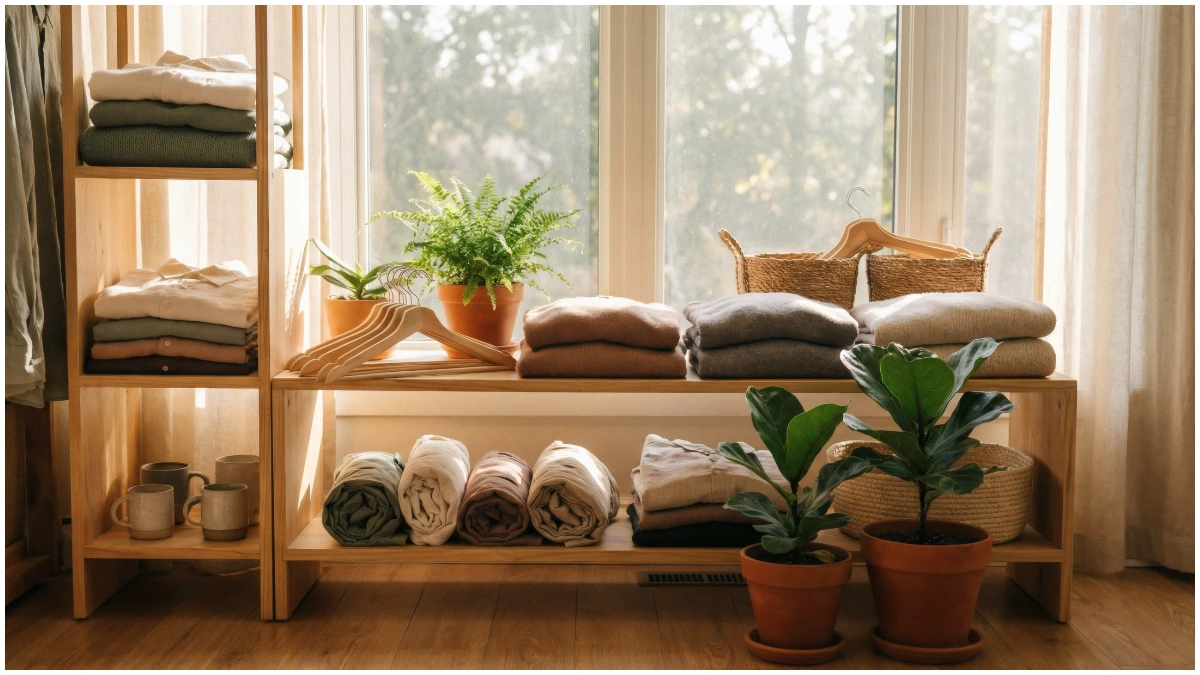

The fashion industry stands at a crossroads. While it contributes to approximately 10% of global carbon emissions and generates 92 million tons of textile waste annually, a powerful movement toward sustainability is reshaping how we think about clothing. Sustainable and ethical fashion brands are proving that style and responsibility can coexist, offering consumers beautifully crafted garments that honor both people and planet.
Hi, I’m Katrina, an everyday person who’s passionate about sustainable living and making choices that matter. Like many of you, I’ve felt overwhelmed trying to navigate the world of ethical fashion—wondering which brands truly walk the talk and how to make purchasing decisions that align with my values. Through research and experience, I’ve discovered that choosing sustainable fashion isn’t just about feeling good; it’s about being part of a global shift toward a more responsible industry. Join me as we explore the world’s leading sustainable fashion brands, learn how to identify truly ethical companies, and discover practical ways to build a wardrobe that reflects our commitment to a better future.
Understanding What Makes Fashion Truly Sustainable
Beyond the buzzwords: The terms “sustainable,” “ethical,” and “green” aren’t legally protected in the fashion industry, which means brands can use them freely without accountability. This makes understanding genuine sustainability criteria necessary for conscious consumers.
The three pillars approach: True sustainable fashion addresses three core areas—environmental impact, social responsibility, and economic viability. Brands committed to sustainability focus on reducing their carbon footprint, ensuring fair wages and safe working conditions throughout their supply chain, and maintaining transparent business practices that allow consumers to verify their claims.
Material matters most: Nearly 60% of a garment’s environmental impact occurs during the fiber and fabric manufacturing process. Sustainable brands prioritize materials like GOTS-certified organic cotton, recycled polyester, hemp, linen, TENCEL lyocell, and other low-impact fibers that can reduce water use, chemical pollution, and greenhouse gas emissions compared to conventional materials.
Transparency creates accountability: Leading ethical brands publish detailed sustainability reports, disclose their factory locations and supplier relationships, and provide traceability systems that allow customers to understand exactly where and how their clothing was made. This level of openness distinguishes authentic sustainable brands from those engaged in greenwashing.
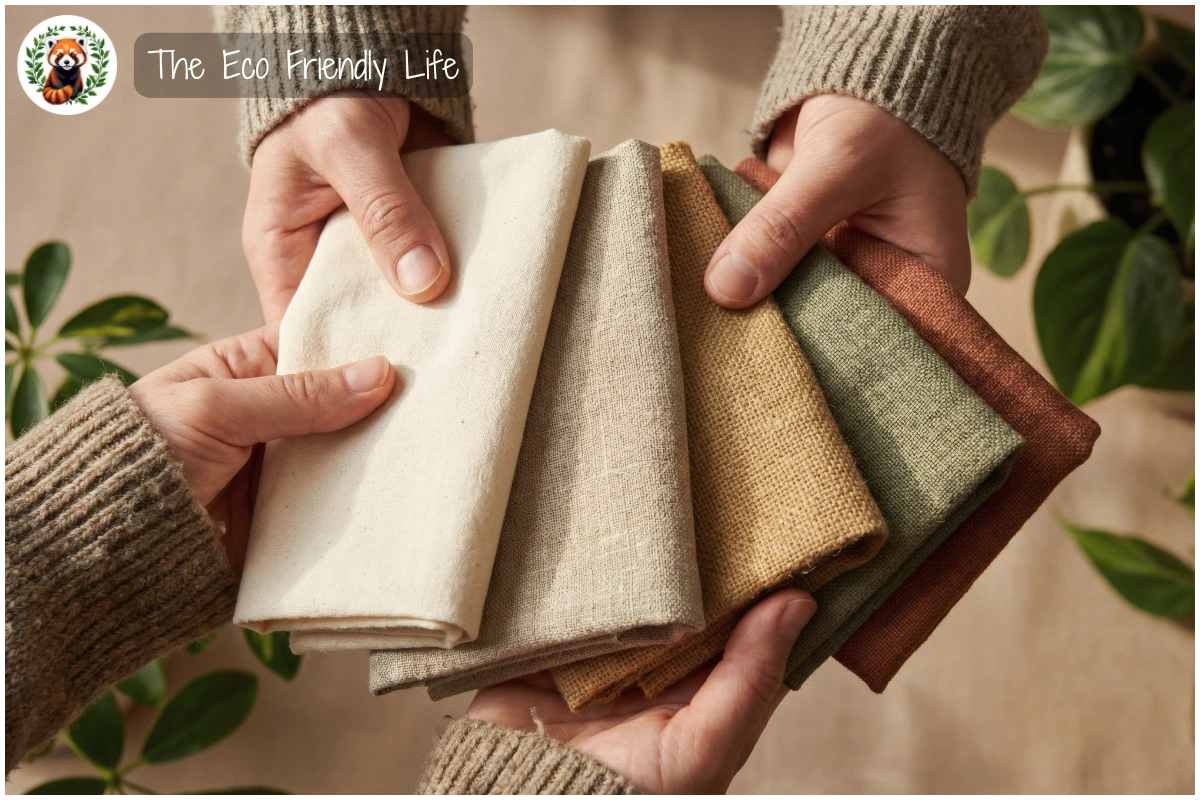
Each element contributes to a complete picture of sustainability, and understanding these fundamentals empowers you to make informed choices as you build your ethical wardrobe. Now that you know what to look for, let’s explore the brands leading this sustainable fashion movement.
Leading Global Sustainable Fashion Brands
Patagonia sets the gold standard: Recognized globally as one of the most sustainable companies on the planet, Patagonia has been committed to environmental protection since its founding. The brand uses organic cotton, recycled materials, and renewable energy across its operations, while its pioneering Worn Wear repair program encourages repair and reuse as core circular fashion principles. In 2025, Patagonia joined the Zero Emission Maritime Buyers Alliance, demonstrating its dedication to reducing shipping emissions.
Reformation revolutionizes trendy sustainability: This California-based brand has achieved remarkable success by combining fashion-forward designs with serious environmental commitments. Reformation sources 97% of its fabrics from recycled, regenerative, or renewable materials and powers its operations entirely with wind-based electricity. The company’s sustainability reports provide detailed transparency about its environmental impact, including data on water use, carbon emissions, and waste reduction across its collections.
Eileen Fisher champions timeless elegance: A pioneer in sustainable luxury, Eileen Fisher has prioritized organic and recycled fabrics for decades. The brand’s Renew program takes back old garments to repair, resell, or remake them into new pieces, supporting a more circular fashion model. With its commitment to simple, elegant designs that transcend trends, Eileen Fisher proves that sustainability and sophistication are compatible.
Tentree plants for the future: This Canadian brand takes sustainability beyond clothing by planting ten trees for every item purchased, having planted over 100 million trees worldwide to date. Tentree uses only sustainable fibers like organic cotton, TENCEL lyocell, hemp, and recycled polyester, achieving 98% eco-friendly materials across its collections. The brand’s blockchain-based tracking system allows customers to see exactly where their trees are planted.
Veja walks the ethical talk: This French footwear brand has spent decades building transparent, fair trade supply chains with Brazilian cooperatives. Veja’s sneakers are crafted from organic cotton, wild rubber, and recycled plastic bottles, and in 2025 the brand expanded its Paris shoe repair service to extend product lifespans and reduce waste. Their commitment to grassroots collaboration demonstrates how localized production can influence global brands.
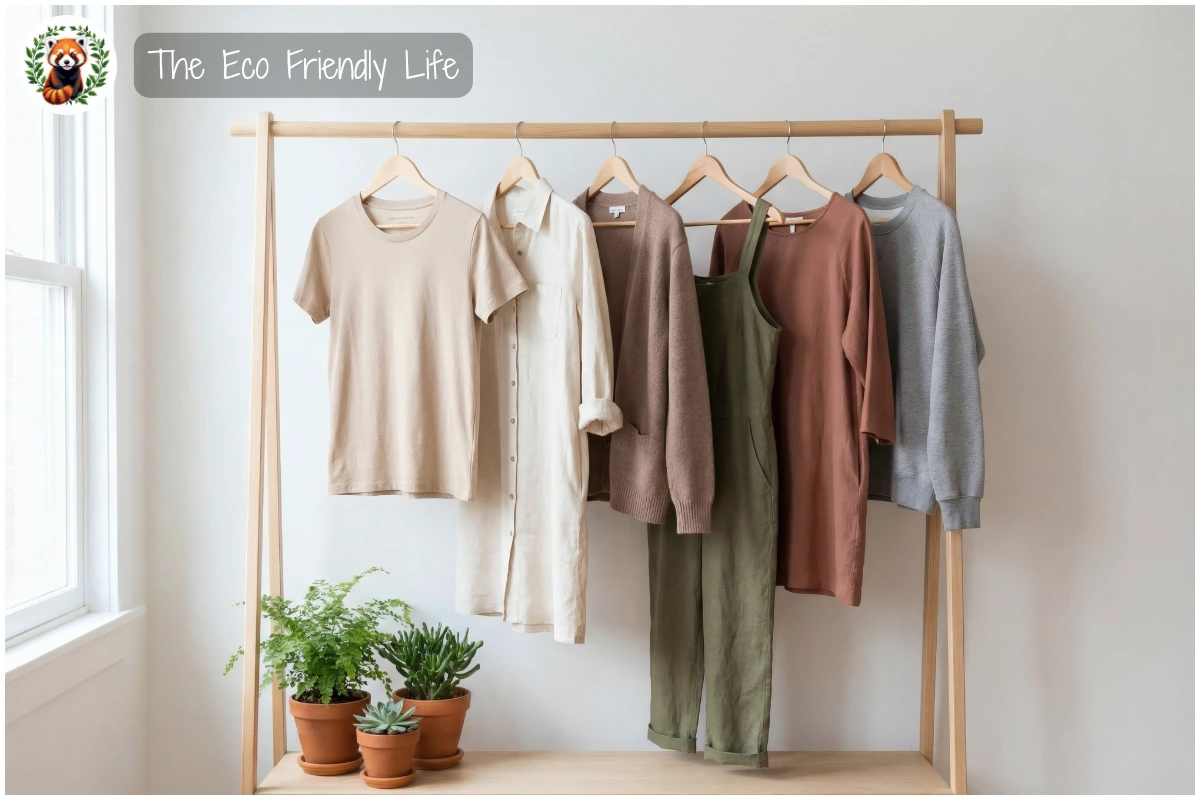
These industry leaders demonstrate that sustainable fashion isn’t a niche market but a viable, profitable approach that benefits businesses, consumers, and the planet alike. With these examples in mind, let’s examine the specific criteria you should use when evaluating any brand’s sustainability claims.
How to Choose Ethical Fashion Brands
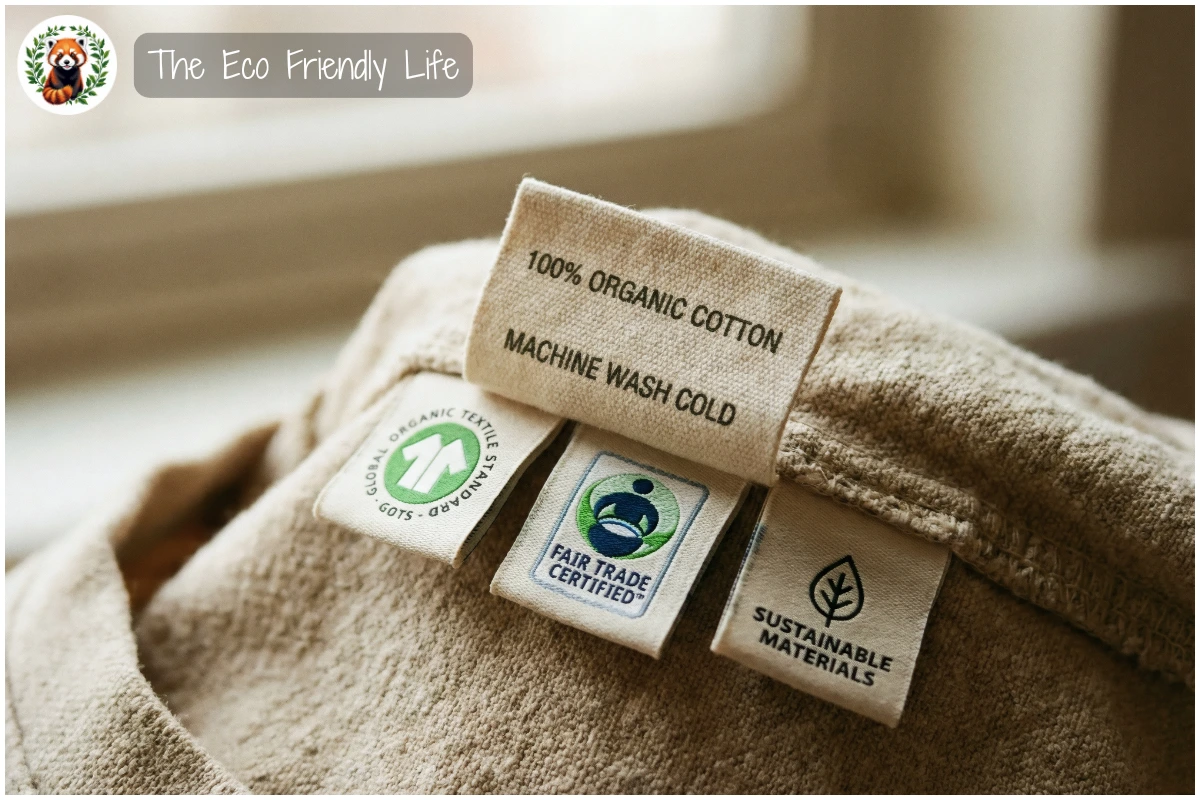
Certifications provide credible verification: Look for independent third-party certifications that verify a brand’s sustainability claims. The Global Organic Textile Standard (GOTS) is considered the “gold standard,” ensuring organic materials and ethical production throughout the supply chain. B Corp certification indicates a company meets rigorous standards for social and environmental performance, accountability, and transparency. Fair Trade certification guarantees fair wages and safe working conditions for workers.
Transparency signals authenticity: Genuine sustainable brands openly share information about their manufacturing locations, supplier relationships, material sourcing, and environmental impact. Check if the brand publishes sustainability reports, provides factory lists with specific locations and worker numbers, and offers product traceability systems that allow you to track garments from raw material to finished product.
Material composition tells the story: Examine clothing labels to understand what you’re buying. Prioritize brands using at least 70% sustainable materials such as GOTS-certified organic cotton, recycled polyester, hemp, linen, Tencel, or other eco-friendly alternatives. Avoid polyester blends and synthetic materials derived from fossil fuels, as these contribute to microplastic pollution and can persist in the environment for hundreds of years.
Labor practices matter immensely: Ethical fashion extends beyond environmental concerns to encompass human rights. Research whether brands pay living wages (not just legal minimums), provide safe working conditions, support freedom of association and collective bargaining, and uphold gender equality throughout their supply chain. Organizations such as Fashion Revolution’s Transparency Index rank major brands on transparency around wages, working conditions, and environmental practices.
Business model reveals values: Consider how brands operate beyond selling new products. Do they offer repair services, take-back programs, resale platforms, or rental options? These circular business models indicate genuine commitment to reducing waste and extending garment lifespans, rather than perpetuating the cycle of over consumption.
Armed with these evaluation criteria, you can confidently distinguish authentic sustainable brands from those simply capitalizing on the “eco-friendly” trend through clever marketing. Now let’s explore specific retailers where you can put these selection criteria into practice.
Brands and Tools That Support the Planet — Our Recommendations
Finding reliable retailers that align with your sustainability values can transform your shopping experience. Here are two carefully selected retailers with verified affiliate programs that offer excellent sustainable fashion options and ship globally.
Our Retailer Recommendation for Adults
Tentree – Sustainable Clothing for Adults
Planting the future with every purchase. Canadian brand Tentree goes beyond sustainable materials by planting ten trees for every item purchased, having planted over 100 million trees worldwide. Their collection features organic cotton basics, recycled-fiber activewear, and hemp-blend outerwear for both men and women, all tracked so customers can see where their trees are planted. With 98% of materials being eco-friendly and Fair Trade certified production, Tentree demonstrates accessible sustainable fashion.
Our Retailer Recommendation for Kids/Families
Finn + Emma – Organic Baby and Kids Clothing
Joyful designs meet sustainability for little ones. Finn + Emma creates modern organic baby and toddler clothing, toys, and accessories with both style and sustainability at heart. All their baby clothing, organic toys, and nursery essentials are made with GOTS-certified organic cotton and non-toxic, eco-friendly dyes suitable for sensitive skin. With an average order value of $90 and beautiful presentation including their signature Cuddle Box gift sets, Finn + Emma ships worldwide to families seeking chemical-free baby products.
Both retailers demonstrate that sustainable fashion is accessible across all life stages, providing quality products that respect both people and planet. Beyond these recommended retailers, there’s an entire directory of outstanding sustainable brands worth exploring—let’s dive into the comprehensive list.
Top Sustainable and Ethical Fashion Brands Directory
Whether you’re searching for timeless basics, advanced activewear, or luxury pieces, these brands represent the best in sustainable and ethical fashion. Each has been carefully vetted for their environmental practices, labor standards, and commitment to transparency.
| Brand | Description | Homepage |
|---|---|---|
| Patagonia | A pioneer in sustainable outdoor apparel using organic cotton, recycled materials, and renewable energy. Known for its Worn Wear repair program and activism for environmental causes. Uses Fair Trade Certified factories and publishes detailed environmental footprint data. From Spring 2025, 100% of new styles are made without intentionally added PFAS. | Visit Patagonia |
| Reformation | California-based brand combining fashion-forward designs with serious environmental commitments. Sources 97% of fabrics from sustainable materials, powers operations with wind energy, and provides radical transparency through quarterly sustainability reports detailing water usage, carbon emissions, and waste reduction for every garment. | Visit Reformation |
| Eileen Fisher | Sustainable luxury brand prioritizing organic and recycled fabrics for over three decades. The Renew program creates a circular fashion model by taking back, repairing, and redesigning old garments. Achieved B Corp certification in 2015 and committed to Vision 2030 for regenerative agriculture practices. | Visit Eileen Fisher |
| Tentree | Canadian brand planting ten trees for every item purchased, with over 100 million trees planted to date. Uses 98% sustainable fibers including organic cotton, TENCEL lyocell, hemp, and recycled polyester. Features blockchain-based tracking system showing customers exactly where their trees are planted. | Visit Tentree |
| Veja | French footwear brand building transparent, fair-trade supply chains with Brazilian cooperatives since 2005. Sneakers crafted from organic cotton, wild Amazonian rubber purchased at five times market price, and recycled plastic bottles. All production happens in high-standard factories in Brazil with extensive supply chain transparency. | Visit Veja |
| Stella McCartney | Luxury fashion house pioneering cruelty-free alternatives and innovative materials since 2001. Never uses leather, fur, or animal-derived materials. Invested heavily in mycelium leather, regenerative cotton, and plant-based alternatives. Reduced operational emissions by 76% in 2022 and on track to meet 2030 climate targets. | Visit Stella McCartney |
| Nudie Jeans | Swedish denim brand using 100% organic cotton and offering free lifetime repairs at all stores. Transparent about entire supply chain from cotton farmers to final production. Operates resale program for pre-loved jeans and provides detailed sustainability reports. All cotton is GOTS-certified and production follows Fair Trade principles. | Visit Nudie Jeans |
| Everlane | Known for “radical transparency,” revealing true costs of products including materials, labor, and transportation. Ninety percent of fabrics meet lower-impact standards with goal of eliminating virgin plastics by 2025. Uses certified organic cotton, recycled materials, and publishes annual impact reports. Factories undergo third-party audits and quarterly checks. | Visit Everlane |
| prAna | Sustainable activewear and lifestyle brand using high proportion of GOTS-certified organic cotton since early 2000s. Implements water reduction initiatives and supports ethical production through FLA Workplace Code of Conduct certification. Focuses on durability with clothing built for longevity and responsible packaging initiatives since 2010. | Visit prAna |
| Pact | Affordable organic cotton basics brand with all products GOTS-certified and Fair Trade factory-made in India. Uses low-impact dyes with 98% dye wastewater recycled and reused. Measures carbon footprint for each product and offsets through SimpliZero partnership. B Corp certified with transparent social and environmental standards. | Visit Pact |
| Girlfriend Collective | Sustainable activewear brand making leggings from 25 recycled plastic bottles and bras from 11 bottles each. Has recycled over 8 million water bottles and removes 1kg of ocean waste per pair of LITE leggings made from discarded fishing nets. SA8000 certified for safe working conditions and fair pay with 1% of purchases donated to consumer-chosen nonprofits. | Visit Girlfriend Collective |
| Allbirds | Footwear brand creating world’s first net-zero carbon shoe without relying on offsets. Uses carbon-negative merino wool, sugarcane-based SweetFoam, and recycled materials. Climate Neutral certified B Corp with commitment to net-zero by 2030. All products labeled with carbon footprint and resold through ReRun program for circularity. | Visit Allbirds |
| Thought | UK-based sustainable fashion brand established 1995 using only natural, sustainable, and recycled materials. Specializes in organic cotton, bamboo, and hemp fabrics with eco-friendly dyes. Production in ethical factories with Code of Conduct covering ILO principles. Minimizes textile waste by reusing most offcuts in production. | Visit Thought |
| PANGAIA | Materials science company creating essentials from innovative bio-engineered materials including seaweed fibers, recycled plastic, peppermint oil treatments, and carbon-capturing technologies. Ninety-six percent of 2024 collection made from organic, recycled, regenerative, or bio-based materials. Operates PANGAIA Lab developing sustainable materials including mushroom leather and grape-based vegan alternatives. | Visit PANGAIA |
| Kotn | Canadian-Egyptian brand practicing direct trade with Egyptian cotton farmers, creating farm-to-closet supply chain transparency. Sources sustainable Egyptian cotton from small farmers using OEKO-TEX certified non-toxic dyes. Has funded construction of 23 schools in Egypt through The ABCs program promoting education and gender equality. More than half the collection uses sustainable fabrics including BCI and GOTS certified materials. | Visit Kotn |
| Organic Basics | Copenhagen-based brand founded 2015 using GOTS-certified organic cotton, TENCEL, and recycled materials including nylon, wool, and cashmere. Production in Turkey, Portugal, Italy, Austria, and UK with full factory transparency. Achieved 100% traceability of Tier 1 sewing factories and 71% traceability of raw material suppliers. Climate neutral through carbon offsetting via Koru Wind Farm in Turkey. | Visit Organic Basics |
This comprehensive directory represents brands that have demonstrated genuine commitment to sustainability through certifications, transparency, innovative materials, and ethical labor practices. Each offers different styles and price points, making sustainable fashion accessible to diverse consumers worldwide. With this extensive list in hand, let’s explore practical strategies for building a sustainable wardrobe that complements these ethical brands.
Building Your Sustainable Wardrobe Strategy
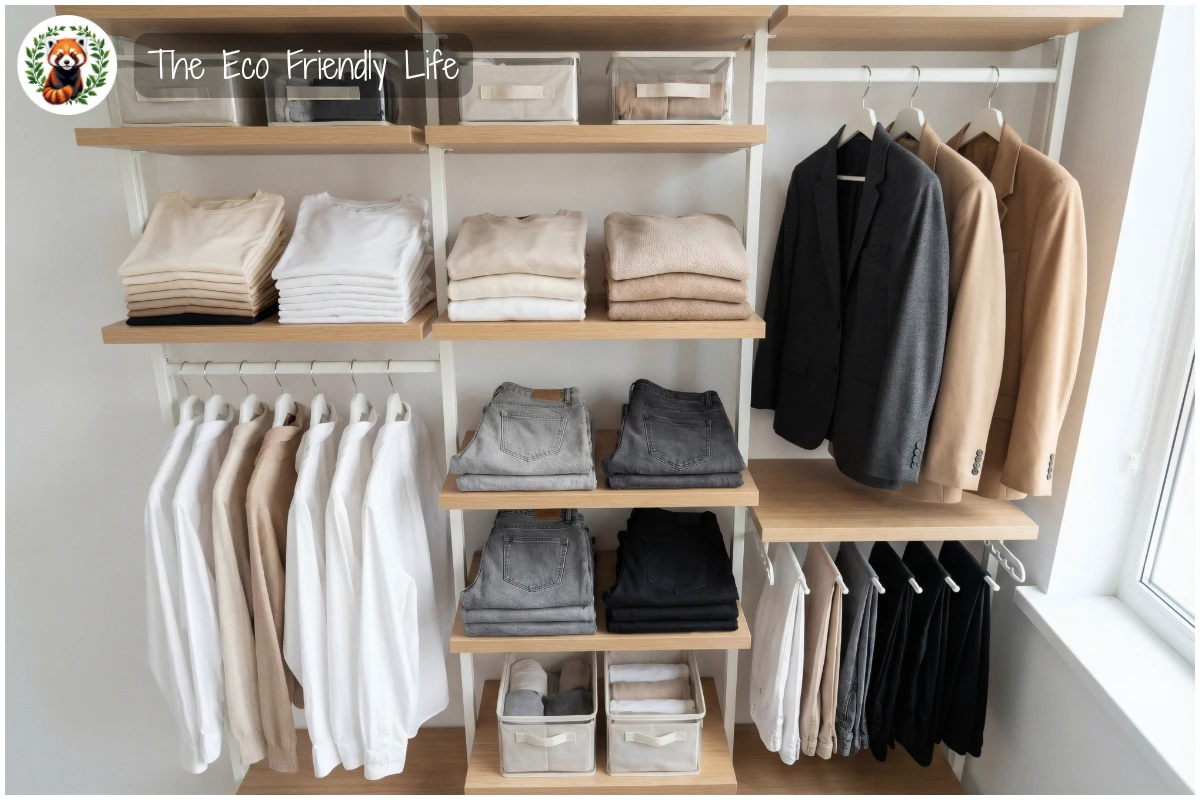
Quality trumps quantity every time: The foundation of sustainable fashion lies in choosing well-made pieces designed to last for years rather than purchasing trendy items that quickly fall apart or go out of style. Invest in garments with high-quality fabrics such as organic cotton, wool, linen, or silk, excellent construction featuring French seams and quality buttons, classic silhouettes that transcend seasonal trends, and versatile colors that mix and match easily.
Embrace the secondhand revolution: With approximately 100 billion new garments produced annually, there’s more than enough clothing already in circulation to meet our needs. Before buying anything new, explore vintage stores, pre-loved boutiques, peer-to-peer resale platforms such as Depop or Vinted, consignment shops, or clothing swap events. Thrifting not only saves money but dramatically reduces the environmental impact of your wardrobe by extending the life of existing garments.
Master your current closet: Most people wear only 20-30% of their wardrobe regularly while the rest sits forgotten. Conduct a seasonal closet audit to reconnect with what you own, experiment with creative styling by mixing textures such as linen with denim or silk with chunky knits, and learn basic repairs including sewing buttons or hemming garments to extend their lifespan. Remember that the most sustainable garment is the one already in your closet.
Understand fabric fundamentals: Natural fibers such as organic cotton, wool, linen, and hemp offer natural temperature regulation, biodegradability at end-of-life, and freedom from fossil fuel derivatives. When synthetics are necessary for technical performance, choose recycled options such as recycled polyester or recycled nylon that give new life to existing materials. Avoid mixed-fiber blends whenever possible, as they’re extremely difficult to recycle.
Adopt circular consumption habits: Extend the active life of your garments by wearing items at least 100 times before considering replacement, washing clothes less frequently to reduce water usage and microplastic release, repairing damaged items instead of discarding them, and donating or reselling garments you no longer wear so they can be loved by someone else. These simple practices can reduce a garment’s environmental impact by 25-60%.
Building a sustainable wardrobe is a journey, not a destination—every conscious choice you make contributes to a more responsible fashion future. To help answer any remaining questions you might have, let’s address some of the most common concerns about sustainable fashion.
Frequently Asked Questions
How do I know if a brand is genuinely sustainable or just greenwashing?
Look for third-party certifications such as GOTS, Fair Trade, or B Corp rather than vague marketing claims. Check if the brand publishes detailed sustainability reports with specific data, discloses factory locations, and provides transparency about its supply chain.
Is sustainable fashion more expensive?
Quality sustainable garments often cost more upfront but last significantly longer than fast fashion alternatives, making them more economical over time. Additionally, shopping secondhand provides access to sustainable brands at a fraction of retail prices.
Can I afford to shop sustainably on a budget?
Absolutely! Start by shopping your own closet, embrace thrifting and secondhand platforms, participate in clothing swaps, and invest gradually in quality basics that will last years rather than buying multiple cheap items seasonally.
What are the most important certifications to look for?
GOTS (Global Organic Textile Standard) for organic materials and ethical production, Fair Trade for fair wages and working conditions, B Corp for overall social and environmental performance, and Bluesign for chemical safety and resource efficiency.
Organizations to Support – Our Recommendations
Supporting these organizations amplifies positive change throughout the fashion industry.
- Fashion Revolution works globally to campaign for greater transparency and ethical practices in fashion supply chains. Since founding after the Rana Plaza disaster, they’ve published influential transparency indices ranking major brands and gathered millions of signatures for fair pay campaigns. Support their work through donations or participate in their annual Fashion Revolution Week to demand accountability from brands.
- Clean Clothes Campaign is a global network dedicated to improving working conditions and empowering garment workers worldwide. They conduct extensive research documenting labor abuses, pressure brands to pay living wages, and support workers’ rights to organize and bargain collectively. Donate to their campaigns or sign their petitions demanding brands commit to wage assurance and worker protection.
- Good On You provides comprehensive sustainability ratings for over 6,000 fashion and beauty brands, helping consumers make informed choices. Their transparent methodology evaluates brands’ impact on people, planet, and animals, making sustainable shopping accessible to everyone. Support their mission by using their free app and sharing ratings to pressure brands toward greater accountability.
These organizations provide crucial oversight, advocacy, and education that drives the fashion industry toward meaningful sustainability.
Resources and Further Reading
Deepen your understanding of sustainable fashion through these expert resources.
- Ellen MacArthur Foundation’s Fashion Initiative leads global efforts to create a circular economy for fashion, where clothes are used more, made to be made again, and made from safe and recycled materials. Their reports and circular design guides provide actionable frameworks for brands and consumers to eliminate waste and pollution.
- Textile Exchange publishes essential industry data on sustainable materials adoption and provides standards for verifying sustainability claims throughout the textile supply chain. Their annual Materials Market Report shares data on global fiber and materials production and supports tracking progress toward their Climate+ goal of a 45% reduction in greenhouse gas emissions from material production by 2030.
- World Resources Institute’s Apparel Program offers science-based roadmaps for the fashion industry to achieve net-zero emissions. Their Roadmap to Net Zero report identifies six critical interventions that can deliver over 60% of emissions reductions needed to stay within Paris Agreement targets.
These resources provide the data, frameworks, and expertise necessary to understand and contribute to fashion’s sustainability transformation.
Our Related Articles
A Guide To Sustainable Fabrics: Organic Cotton, Hemp, Bamboo, And More
The clothes we wear tell a story far beyond their style. Every garment begins its journey in fields, forests, or factories, leaving an environmental footprint…
Read More
What Is Sustainable Fashion?
The clothes we wear tell a story far beyond personal style. Every garment carries an invisible footprint that stretches across continents, touching water sources, ecosystems,…
Read MoreConclusion
The journey toward sustainable fashion is one we must take together. While the fashion industry faces significant environmental and social challenges, the emergence of ethical brands, increased transparency, and growing consumer awareness demonstrate that meaningful change is possible. By understanding sustainability certifications, choosing quality over quantity, embracing secondhand shopping, and supporting brands that genuinely prioritize people and planet, each of us can contribute to transforming this industry.
Remember that building a sustainable wardrobe isn’t about perfection—it’s about making progressively better choices that align with your values. Every garment you wear more than once, every secondhand purchase, every brand you support for their transparency, and every conversation you have about ethical fashion contributes to a more responsible future.
Now I’d love to hear from you: What’s your biggest challenge when trying to shop sustainably, and which sustainable fashion brands from this list have you discovered or are you most excited to explore? Share your experiences, questions, and recommendations in the comments below so we can learn from each other and build a community committed to conscious fashion choices.