



Climate change is no longer a threat on the horizon — it is already reshaping coastlines, displacing communities, and deepening inequality across every continent. But as the global conversation has matured, something important has come into sharper focus: the climate crisis does not affect everyone equally, and understanding why is just as urgent as understanding the science itself. Climate justice is the framework that helps us make sense of who is suffering most, who is responsible, and what a fair response actually looks like.
Hi, I’m Katrina. I came to climate justice the same way a lot of people do — not through academic study, but through a growing sense that something wasn’t quite right about the world I was living in. I’ve been passionate about sustainable living for years now, and the more I learned about the environmental impacts of everyday choices, the more I realized those choices are connected to something much bigger than my shopping habits. I’m not a scientist or a policy expert — just someone who genuinely cares about fairness, the future, and the kind of planet we’re leaving behind. I’m really glad you’re here, and I’d love for you to keep reading — because by the end of this article, I think you’ll see the climate conversation in an entirely new light.
⭐ Our Top Pick — Best Climate Justice Online Course
Coursera: Bending the Curve: Climate Change Solutions 1 (UC San Diego)
I chose this course over other online options because it goes well beyond climate science — it dedicates an entire module to climate justice, taught by multiple UC San Diego-affiliated academics. That full module covers climate injustice, disproportionate impacts on vulnerable communities, real-world case studies, and global climate policy frameworks — a depth of coverage that is genuinely rare in a free, accessible online course.
It's one of the most effective ways to move from climate awareness to informed, confident advocacy — giving you the language and frameworks to understand and explain why climate justice matters, alongside the science and solutions behind it.
- ✅ University-level curriculum from UC San Diego, globally accessible from any device
- ✅ Beginner-friendly — no prior background required
- ✅ Free to audit | Paid certificate available
★★★★★ | Free to audit / Paid certificate
👉 Explore the Course on Coursera
What Climate Justice Really Means
More than an environmental issue: Climate justice is a framework that treats climate change as a question of human rights and social equity — not just science and technology. It asks us to look beyond emissions data and melting glaciers and focus on the human dimension: which communities face the most harm from a warming planet, why they face it, and what fairness demands in response.
Where the idea comes from: The term grew out of the environmental justice movement in the United States during the 1980s and 1990s, when community activists began documenting a troubling pattern: toxic waste facilities, polluting industries, and environmental hazards were being placed overwhelmingly in low-income and minority neighborhoods. The principle they identified — that those least responsible for a problem often bear the greatest burden — became the moral backbone of what would evolve into the global climate justice movement.
The principle of differentiated responsibility: At the international level, climate justice draws on the concept of “common but differentiated responsibilities,” formally enshrined in the UN climate convention. Wealthier industrialized nations have contributed the vast majority of the greenhouse gas emissions accumulated in our atmosphere over the past two centuries. Yet the communities experiencing the most severe and immediate consequences are, in most cases, in parts of the world that emitted very little. That imbalance is at the heart of everything climate justice seeks to address.
Linking climate to systemic inequality: Climate justice advocates argue that the crisis cannot be separated from the historical systems — colonialism, economic exploitation, and structural inequality — that shaped the modern world. When a Pacific island nation loses its shoreline to rising seas, or when subsistence farmers in East Africa face successive seasons of devastating drought, these are not random natural disasters. They are, in significant part, the consequences of decisions made by industrialized economies over generations.
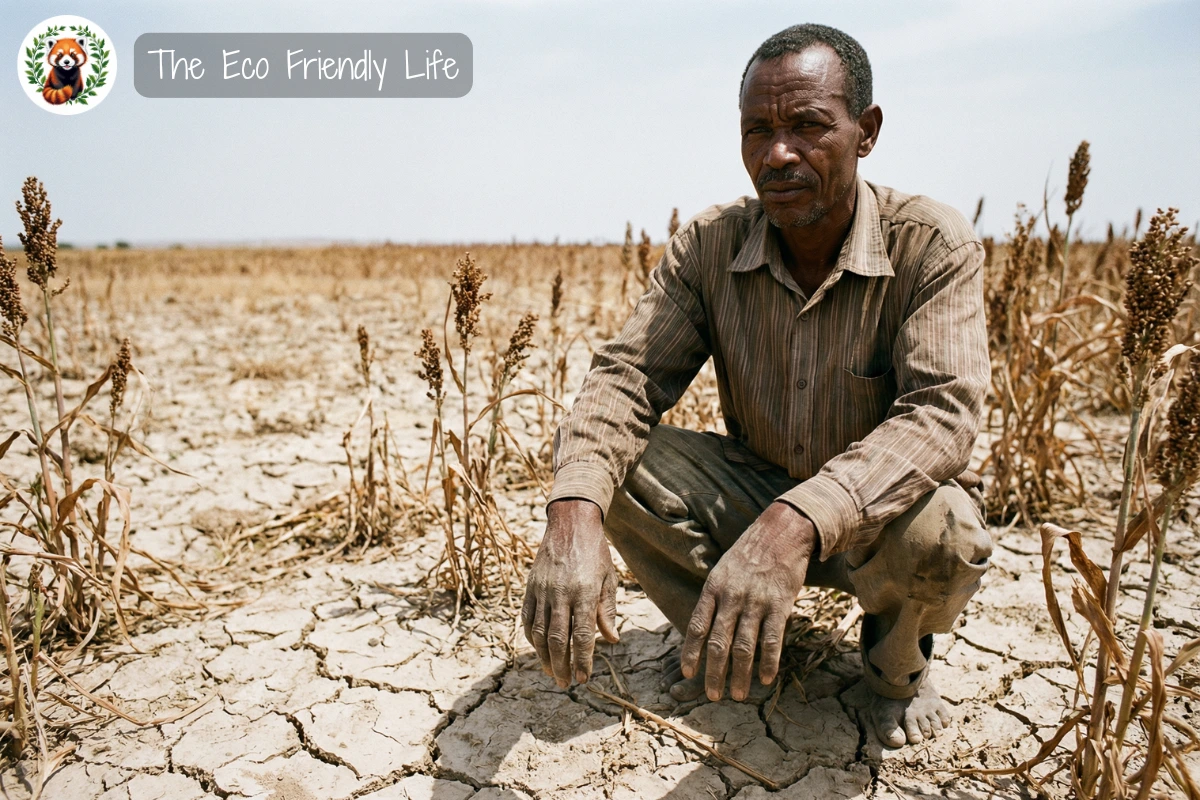
Understanding this foundational definition is what gives climate justice its power — and its discomfort. It shifts the question from “how do we fix the planet?” to “how do we fix the systems that created this problem in the first place?” And that question immediately raises another: who, exactly, is carrying the heaviest load right now?
Who Feels Climate Change Most
The geography of vulnerability: The communities facing the most immediate and severe climate impacts are overwhelmingly those that have contributed the least to global greenhouse gas emissions, as the UN documents. Small island developing states such as Tuvalu, Kiribati, and the Maldives face existential threats from sea-level rise, with entire nations at risk of becoming uninhabitable within decades. Coastal communities across Bangladesh, Vietnam, and West Africa are experiencing increasingly destructive flooding. Across the Sahel region of Africa, prolonged droughts are rendering fertile land unproductive, threatening food security for hundreds of millions of people, per IPCC projections.
Indigenous peoples on the front-lines: Indigenous communities around the world find themselves at the sharp end of the climate crisis with particular frequency. Their territories — often the last significant biodiversity refuges on Earth — are targeted for resource extraction, their water sources compromised by industrial activity, and their traditional food systems disrupted by shifting seasons. In the Arctic, Inuit communities are watching millennia-old sea ice disappear with alarming speed, threatening both cultural identity and food systems that no government program can adequately replace.
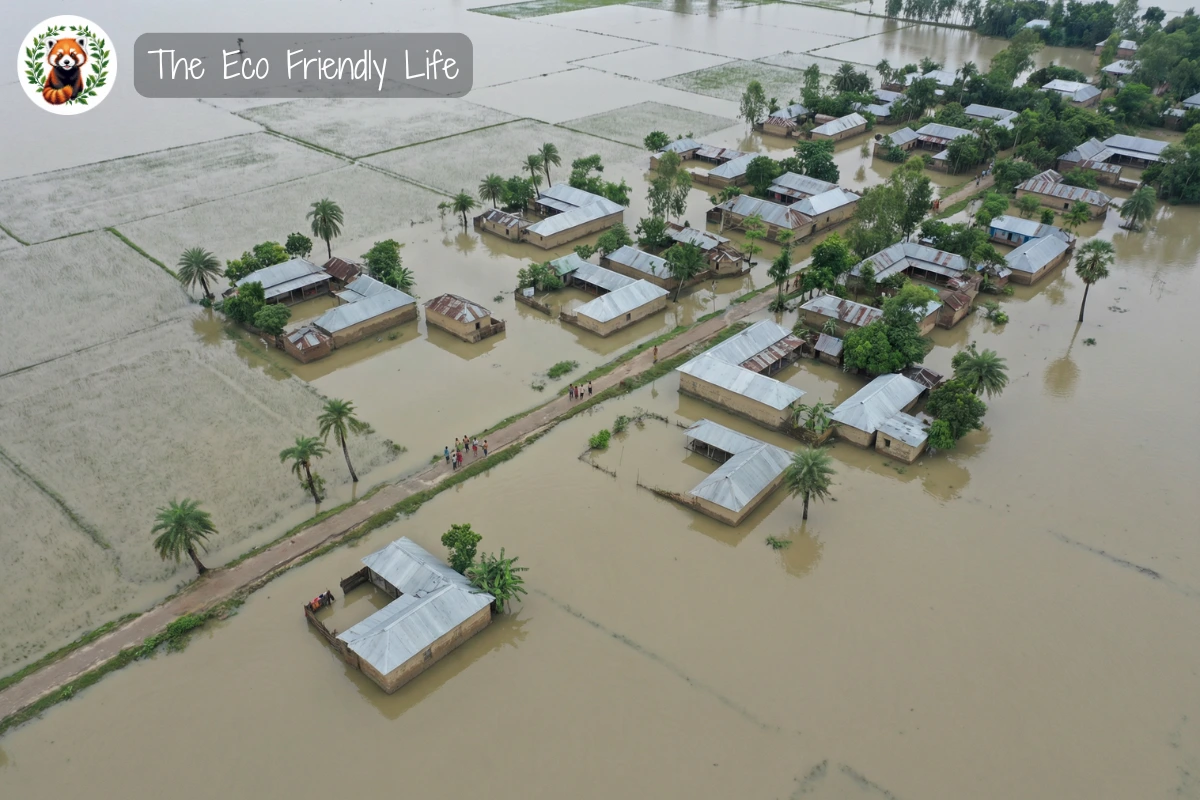
The health and poverty trap: Climate change is a powerful multiplier of existing disadvantage. Communities already living with poverty, inadequate healthcare, and food insecurity are the least able to prepare for, respond to, or recover from climate shocks. After Hurricane Maria devastated Puerto Rico in 2017, the gap between wealthier and poorer communities in their ability to recover was stark and well-documented. After Pakistan’s catastrophic 2022 floods, a World Bank assessment placed combined damages and economic losses at over US$30 billion — affecting 33 million people in a nation responsible for a fraction of global cumulative greenhouse gas emissions.
Women and girls carry a disproportionate burden: Gender intersects powerfully with climate vulnerability. In much of the developing world, women are the primary producers of food and the primary collectors of water — roles that become increasingly untenable as droughts and floods intensify. Girls in climate-affected regions are among the first to have their education disrupted when families are forced to migrate or when household survival demands more labor. Women disproportionately face greater obstacles accessing recovery resources, rebuilding livelihoods, and regaining stability after climate-driven disasters, making gender equity an inseparable part of the climate justice conversation.
This picture of concentrated, compounding vulnerability is deeply confronting. But recognizing it clearly is the necessary first step toward addressing it — and it has given rise to one of the most diverse and determined social movements of our era.
The Movements and Voices Shaping Change
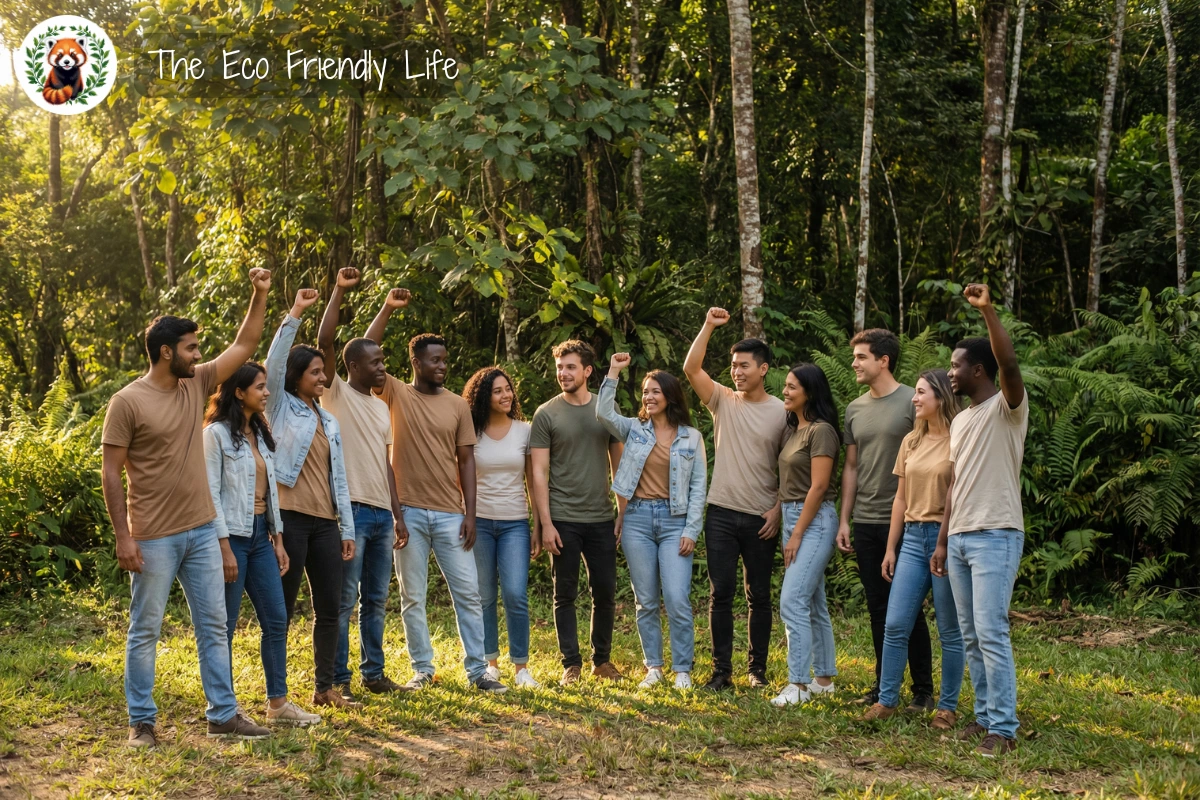
A movement built from the margins: The climate justice movement doesn’t have a single founding moment or a central headquarters. It has grown from the grassroots up, shaped by environmental justice activists in communities of color, indigenous rights campaigners protecting land and water, Pacific Island leaders holding industrialized nations to account in international forums, and young people around the world refusing to accept a future they had no hand in creating.
Youth-led action goes global: The global school climate strikes that gained momentum from around 2018 brought millions of young people onto the streets on every continent. What distinguishes this wave from earlier environmental activism is how explicitly climate justice — not just climate action — became part of the demand. Activists including Vanessa Nakate of Uganda and Mitzi Jonelle Tan of the Philippines have been particularly influential in ensuring that front-line perspectives from the Global South remain central to the conversation, pushing back against the tendency for climate narratives to be dominated by voices from wealthier nations.
Indigenous leadership as a model: Indigenous-led movements have achieved some of the most meaningful environmental victories in recent memory. The Standing Rock Sioux Tribe‘s sustained legal resistance to the Dakota Access Pipeline — which forced federal courts to rule that the Army Corps of Engineers had violated the law in approving it — the successful legal defense of Waorani territory in the Ecuadorian Amazon that protected half a million acres of rain forest from oil drilling, and a landmark UN ruling finding that inadequate climate action had violated the rights of Torres Strait Islander communities — these are all examples of front-line peoples directly asserting their rights in the face of climate harm, and winning.
International advocacy and legal accountability: Beyond marches and protests, climate justice advocates have increasingly turned to international law and human rights frameworks to pursue accountability. In October 2021, the UN Human Rights Council formally recognized the right to a clean, healthy, and sustainable environment — a milestone that opens new legal pathways for communities seeking redress for climate harm. Youth-led cases, Pacific Island nation submissions, and NGO-backed legal actions are being heard in international courts and arbitration panels, pressing the question of what states legally owe their citizens — and future generations — in a climate emergency.
The breadth and creativity of these movements is genuinely inspiring. And everything they have achieved has been built on a foundation of values: informed advocacy, ethical choices, and conscious spending. Before we get into the personal steps you can take, let’s look at some of the retailers and resources that genuinely support those values — and make it easier to live in alignment with them every day.
Brands and Tools That Support the Planet — Our Recommendations
The brands and resources below have been chosen because they align directly and genuinely with the themes of this article — climate justice, social equity, ethical consumption, and informed advocacy. Each one offers something practical: a way to deepen your knowledge, direct economic support to artisan communities in climate-vulnerable regions, or simply a means of spending in ways that reflect your values. These are the places I’d point you first.
Our Recommendations for Adults
Coursera
Coursera hosts some of the most rigorous and accessible climate justice courses available anywhere online, including the Bending the Curve specialization from UC San Diego, which covers societal transformation, community action, and the social justice dimensions of climate solutions . The platform also features the University of Michigan’s Environmental Justice course, which examines the history of the environmental justice movement, inter generational inequality, and restorative and reparative justice frameworks. I specifically recommend Coursera over general learning platforms because these programs go well beyond environmental science to tackle the systemic inequalities at the heart of the crisis — which is exactly what this article covers.
Bookshop.org
Bookshop.org is the ethical alternative to buying books from large retail platforms — every purchase supports independent booksellers, and their curated selection includes an excellent range of climate and activism titles. Standout reads include All We Can Save — a women-led anthology edited by Ayana Elizabeth Johnson and Katharine Wilkinson, featuring essays and poetry by over 60 women scientists, activists, journalists, and policymakers at the forefront of the U.S. climate movement — and Robin Wall Kimmerer’s Braiding Sweetgrass, which weaves together Indigenous wisdom and botanical science into a compelling case for environmental stewardship. For a sharper look at the consequences of inaction, David Wallace-Wells’ The Uninhabitable Earth is an essential, unflinching read charting the cascading damage climate change will inflict across every sphere of life. I love recommending Bookshop.org for this topic because it lets your reading habits do double duty: building your knowledge while keeping money circulating in local communities — a small act deeply aligned with climate justice values.
Patagonia
Patagonia is one of the most vocal corporate advocates for climate justice and environmental accountability in the world, donating 1% of sales to environmental causes and actively campaigning on land rights and climate policy. Their men’s jackets & vests, women’s clothing, and Worn Wear repair program make every purchase a kind of vote. What sets Patagonia apart from other eco brands is that their climate activism is genuinely embedded in their business model — it has been since long before it was fashionable.
Fair Trade Winds
Fair Trade Winds is a beautifully curated marketplace of handmade goods from artisans in developing countries — many of whom live in communities on the front-lines of climate change. Buying from their range of ethical clothing, fair trade home décor, and sustainable gifts is a direct act of economic solidarity with climate-vulnerable people. Standout items include the bread warmer baskets — handwoven by women artisans in Bangladesh — and the Sundari Stripe Rethread Throw, crafted from recycled clothing and suited to anyone. What stands out is that Fair Trade Winds makes it possible to connect your everyday purchases to genuine equity outcomes — climate justice made practical.
Our Recommendations for Kids/Families
For Purpose Kids — Global Kidizens
For Purpose Kids creates culturally diverse dolls and digital stories designed to teach children empathy, belonging, and global citizenship — values that sit at the very core of climate justice education. Their Global Kidizen Collection is a genuinely thoughtful way to introduce young children to the idea that people around the world are connected, and that fairness matters. Standout picks include Luna from Peru for girls and Xander from the U.S. for boys — each hand-knit doll comes paired with a downloadable digital story that highlights similarities across cultures while celebrating their differences. I was drawn to this brand specifically because it makes the principle of social equity feel joyful and tangible for small children — which is no small feat.
Bookshop.org
Bookshop.org carries a wonderful range of children’s climate and environmental justice books, making it easy for parents, caregivers, and educators to find age-appropriate reading that builds climate literacy from an early age — while supporting independent booksellers at the same time. For younger readers, the Caldecott Medal–winning We Are Water Protectors — a lyrical picture book following a young Indigenous girl determined to defend the earth’s water — is a standout choice. The curated kids’ climate justice list and environmental activism collection offer a diverse mix of titles featuring both girl and boy protagonists, spanning picture books through young adult, and readers ages 8–12 can explore the dedicated middle grade collection — with every purchase going toward supporting independent bookstores across the U.S.
Knowing where to spend and what to read is a great foundation — but the most powerful thing you can do is take that understanding and put it into real, lived action. The next section is about exactly that: practical ways to show up for climate justice wherever you are in the world, starting right now.
How You Can Become Part of the Solution
Advocacy starts with understanding: The single most powerful thing you can do for climate justice is to understand it well enough to speak about it clearly and confidently. Climate justice doesn’t win by sitting in academic journals — it wins when ordinary, informed people bring it into dinner table conversations, workplace discussions, community meetings, and voting booths. Taking the time to study the issue through a structured course, reading widely across perspectives, and actively following voices from front-line communities are all meaningful, accessible starting points.
Deepening your knowledge through a university-level online course is one of the most effective first steps available to anyone, anywhere in the world — Coursera’s climate justice programs offer genuine academic depth at your own pace and at a price that makes them accessible globally.
⚙️ Recommended: Coursera — Bending the Curve: Climate Change Solutions 1 (UC San Diego)
I recommend this course specifically here because it gives you exactly the intellectual framework you need to move from general concern into informed, confident advocacy — it covers the science, the equity dimensions, and the policy landscape in one place, including a dedicated module on climate justice and its disproportionate impacts on vulnerable communities.
- ✅ Self-paced and globally accessible
- ✅ Free to audit | Optional verified certificate available
- ✅ Developed and taught by University of California San Diego faculty
Conscious consumption as a political act: The way we spend money sends a signal. Choosing to buy from businesses that pay fair wages, source materials ethically, and actively support climate accountability is a form of participation in the climate justice movement. This doesn’t mean every purchase must be perfect — it means being intentional about where your money flows and whose lives that flow touches.
Community engagement is where change happens: Climate justice is fundamentally local, even when it is also global. Getting involved in local planning decisions, attending community meetings, joining grassroots organizations, and showing up in solidarity when front-line communities call for it are all concrete, high-impact actions. Many of the most significant climate justice victories of recent years — pipeline rejections, rezoning decisions, corporate accountability campaigns — have been won at the local level by people who showed up consistently.
Use your voice in public life: Contacting elected representatives, participating in public consultations, voting in every election at every level, and sharing credible information within your networks are among the highest-leverage actions available to any ordinary citizen. Climate justice advocates consistently identify sustained political engagement — not dramatic single acts, but persistent, habitual participation — as the most effective pathway to systemic change.

Every step you take, however modest it feels, is part of a much larger collective effort. If you’re wondering exactly where to begin, the table below breaks it all down into ten clear, immediately actionable steps you can start today — wherever you live.
Practical Daily Tips You Can Action Today
Here are ten practical steps you can take right now to bring climate justice into your everyday life.
| Tip | How to Implement | How It Helps |
|---|---|---|
| Learn the basics | Spend 30 minutes on an introductory guide to climate justice, or sign up for a free online course from a university platform. Choose one resource and commit to finishing it before moving to the next. | A well-informed voice is one of the movement’s most powerful assets. Understanding the framework makes you a more effective advocate in every conversation you have. |
| Follow front-line voices | Find and follow at least three activists or organizations from climate-vulnerable regions on social media. Make their content a regular part of what you read and share each week. | Amplifying front-line perspectives directly challenges the tendency for wealthy nations to dominate the climate narrative. It also keeps your understanding current, human, and grounded. |
| Talk about it | Bring climate justice into everyday conversations with friends, family, and colleagues — keep it calm, curious, and personal. Start with one conversation this week. | Public opinion shifts most reliably when people hear about an issue from someone they personally trust. Your voice carries further than you think. |
| Shop with intention | Choose fair trade and ethically sourced products where possible, particularly from brands that actively support artisan communities in vulnerable regions. Start by swapping one regular purchase for a more ethical alternative. | Your spending is a form of economic solidarity. Redirecting even a small portion of your budget to ethical retailers creates tangible impact for climate-affected communities. |
| Write to your representatives | Send a brief, respectful letter or email to your local elected representative asking what specific climate justice commitments they support. Keep it short — two or three sentences is enough to register. | Elected officials track constituent contact. Consistent pressure from the public on climate equity is one of the clearest signals that politicians and their offices receive. |
| Donate or fundraise | Set up a small monthly donation to a credible front-line climate justice organization. Even a modest recurring amount adds up considerably over a year. | Regular giving makes a tangible difference to underfunded grassroots campaigns that lack the resources of large environmental NGOs. Every dollar directed to front-line communities matters. |
| Reduce your footprint with purpose | Audit your biggest personal emission sources — typically transport, diet, and home energy — and commit to meaningfully reducing one of them. Frame your reduction as freeing up planetary space for those who need it most. | Individual reductions matter most when connected to systemic thinking. Acting from a place of solidarity rather than guilt makes the change more meaningful and more sustainable. |
| Support ethical businesses | Research the supply chains of brands you regularly buy from and switch to more ethical alternatives where you can find them. Let brands know directly why you’re making the change. | Companies do respond to customer feedback. Switching sends a direct market signal that values-aligned consumers are paying attention — and it encourages competitors to follow. |
| Get involved locally | Attend a community planning meeting, local environmental group session, or climate advocacy event near you. Commit to showing up at least once a month. | Local decisions on zoning, infrastructure, and industry carry enormous consequences for who bears the burden of environmental harm. Consistent local presence is how policy gets shaped. |
| Educate young people | Share age-appropriate books, documentaries, or conversations about climate justice with the children in your life. Make it a regular, low-pressure part of how you engage with them about the world. | Children who understand equity early grow into adults who demand it. Building climate literacy in the next generation is a long-game investment with compounding returns across decades. |
Even committing to two or three of these consistently can, over time, create a lasting impact far beyond what you can directly observe. If you still have questions about the bigger picture — or just want a quick grounding in the key concepts — the FAQs below cover the most common ones.
FAQs
What is the difference between climate change and climate justice?
Climate change describes the physical shifts to our planet’s climate system caused by rising greenhouse gas concentrations in the atmosphere. Climate justice examines who bears responsibility for those shifts and who suffers most from them — it is the ethical, human rights, and equity dimension of the crisis.
Is climate justice only relevant to developing countries?
No — climate justice issues exist within wealthy nations too. Indigenous communities, low-income neighborhoods near industrial facilities, and marginalized populations in countries across North America, Europe, and beyond all experience disproportionate environmental and climate harm. Climate justice operates at both a global and a deeply local scale simultaneously.
Can one person really make a difference?
Yes — not through isolated individual action, but through the cumulative force of informed, engaged citizens who vote deliberately, advocate persistently, spend intentionally, and hold institutions accountable. Individual action is most powerful when it is connected to collective movement-building.
How do I start learning more about climate justice?
Begin with accessible, credible sources — the IPCC’s summary reports, the work of the Climate Justice Alliance, or an online course from a reputable university are all excellent entry points. Following front-line activists and community organizations from climate-vulnerable regions adds the human dimension that data alone cannot provide.
Organizations to Support — Our Recommendations
The organisations below are doing some of the most important front-line work in climate justice globally, and all welcome direct public support.
- Climate Justice Alliance is a network of nearly 100 front-line community and indigenous organizations across the United States and beyond, working toward a just transition away from fossil fuels and toward community-led climate solutions. Their work directly addresses the structural inequalities that drive unequal climate impacts, and you can make a one-time or recurring donation on their giving page to fund front-line-led campaigns directly.
- 350.org is a global grassroots climate organization with a presence in 188 countries, with a strong focus on fossil fuel divestment and ensuring that frontline community voices shape international climate policy. Note that in late 2025, 350.org announced a temporary suspension of its US programming due to a significant drop in funding, though its global work continues — and you can contribute directly to 350.org’s movement fund to help sustain campaigns across every continent.
- Climate Action Network International (CAN) is a network of over 1,800 civil society organizations in more than 130 countries, coordinating advocacy at the highest levels of international climate negotiations to ensure justice and equity remain central to global policy outcomes. For anyone who wants to understand which organizations are shaping the international climate policy landscape, CAN is as central as it gets — and you can find out how to support CAN’s international work directly through their website.
Supporting any one of these organizations — even through a small recurring contribution — connects you directly to the people doing the hardest and most essential work in the field.
Resources and Further Reading
The sources below offer some of the most credible and comprehensive pathways for anyone wanting to go deeper on climate justice.
- The Intergovernmental Panel on Climate Change (IPCC) produces the world’s most authoritative scientific assessments of climate change, consistently addressing the unequal distribution of impacts across regions and communities. Their Summaries for Policymakers are written to be accessible to non-specialists and are an essential foundation for anyone engaging seriously with climate justice — you can browse and download the IPCC reports library directly from their global website.
- The Office of the United Nations High Commissioner for Human Rights (OHCHR) has developed a comprehensive body of resources on the intersection of climate change and human rights, covering the rights of indigenous peoples, women, and children in the context of climate harm. Their dedicated OHCHR climate change hub is one of the most thorough primary-source collections available anywhere online, and is an excellent reference for understanding the legal dimensions of climate justice.
- The Climate Justice Alliance‘s Just Transition framework provides a practical, policy-grounded explanation of what a genuinely fair transition away from fossil fuels must look like — who it benefits, who must not be left behind, and how communities can shape it. Exploring the Just Transition framework at the Climate Justice Alliance is an excellent next step for anyone who wants to move from understanding climate justice to understanding what real solutions look like in practice.
Together, these resources offer a rigorous and accessible path from foundational understanding to active, informed engagement with climate justice at every scale.
Our Related Articles
What Is A Grassroots Movement? The Power Of Community Action
When ordinary people come together around a shared concern and decide to act, something powerful happens. A grassroots movement begins not in boardrooms or government…
Read More
How To Get Involved In Local Climate Action
The climate crisis often feels like a distant, insurmountable challenge played out on global stages among world leaders and massive corporations. However, the most tangible…
Read More
Your Guide To Key Environmental Terms
Understanding the language of environmental science is the first step toward becoming an informed planetary citizen. Whether you’re hearing about climate policies on the news,…
Read MoreConclusion
Climate justice is, at its core, a demand for fairness. It asks that the people who have done the least to cause the climate crisis are not left to bear its heaviest consequences alone — and that the communities, nations, and movements working hardest to protect their futures are heard, resourced, and supported. Understanding these principles is the foundation of meaningful climate action. From there, every choice you make — how you learn, how you spend, how you vote, how you show up in your community — is an opportunity to act in alignment with the world you want to help build.
Start with one step from the tips section today. Share this article with someone who might see the climate conversation differently after reading it. And I’d love to know — what aspect of climate justice surprised you most, or what will you do differently after reading this? Drop your answer in the comments below; I read every one and would genuinely love to hear from you.