



Most people are familiar with traditional investing — shares, property, pension funds — but far fewer have heard of an instrument that lets you earn a financial return and directly fund projects like solar farms, clean water systems, or energy-efficient social housing. Green bonds are doing exactly that, steadily reshaping how governments, corporations, and everyday investors think about where money goes and what it does in the world. The total outstanding green bond market surpassed USD $3 trillion for the first time in 2025 — a figure that reflects just how fast this corner of finance is growing.
Hi, I’m Al — a regular person who stumbled into sustainable finance a few years ago while trying to figure out how to make our family’s savings do a little more good in the world. I’m not a financial adviser or an economist; I’m just someone who spent a lot of time reading, asking questions, and piecing together how all of this actually works. If you’ve ever wondered whether your money could fund something more meaningful than a generic managed fund while still earning a return, this article is for you — keep reading, because what you find might change how you think about investing entirely.
⭐ OUR TOP PICK — BEST PLATFORM FOR RESEARCHING GREEN BOND INVESTMENTS
Morningstar Investor
"I recommended Morningstar because, after testing several investment research tools, nothing else comes close for the depth of green bond and ESG fund data it puts in front of an individual investor — it's genuinely the tool I wish I'd had when I started."
The most comprehensive independent investment research platform in the world — giving you the data and analysis to research, compare, and track green bond funds and ESG investments with confidence.
- ✅ Independent investment research
- ✅ Green bond and ESG fund coverage
- ✅ Portfolio analysis tools
- ✅ Global access
| Mid-range subscription price
👉 Visit Morningstar Investor
The Mechanics Behind a Green Bond
A bond, at its core, is a loan: When a government, bank, or corporation needs to raise money for a large project, one option is to borrow it directly from investors by issuing a bond. The investor lends money to the issuer for a set period and receives regular interest payments — called a coupon — in return, with the full principal repaid at the end of the bond’s term. Green bonds work exactly the same way financially — the critical difference is that the issuer is contractually obligated to use the proceeds exclusively for projects with clear environmental benefits.
What makes a bond “green”: The label isn’t self-applied arbitrarily. The International Capital Market Association (ICMA) maintains the Green Bond Principles — a globally recognized voluntary framework, most recently updated in June 2025, that sets out the standards issuers must follow to credibly call their bonds green. These include clear disclosure of how proceeds will be used, a formal project evaluation and selection process, transparent management of funds, and ongoing reporting to investors on environmental impact. Independent external reviewers — called second-party opinion providers — typically verify compliance before issuance.

The flow of money from investor to impact: When you purchase a green bond, your money flows to the issuer, who — under the Green Bond Principles — is obligated to direct it toward pre-approved green projects — think offshore wind farms, urban rail networks, green-certified affordable housing, or coastal flood defenses. After the bond matures, you receive your original investment back, along with all coupon payments made along the way. The environmental project, meanwhile, has been built and continues operating — your capital created something tangible before returning to your pocket.
Understanding what a green bond is gives you the foundation to understand who actually issues them and the wide variety of projects they fund around the world.
Who Issues Green Bonds and What They Fund
Governments are the biggest players: Sovereign governments are among the largest issuers of green bonds globally, using them to finance national climate commitments and infrastructure targets. Denmark became the first sovereign to issue a bond under the new European Green Bond Standard in 2025, and China issued its first sovereign green bond on the London Stock Exchange’s Sustainable Bond Market the same year — signals that green bonds have moved firmly into mainstream government finance. The European Union, Germany, France, and the United Kingdom have all issued multi-billion dollar sovereign green bonds, with proceeds funding everything from renewable energy grids to biodiversity protection.
Corporations and banks follow suit: Large corporations — particularly in the utilities, energy, and transport sectors — now issue green bonds as a routine part of their capital raising. Spain’s Iberdrola is one of the world’s largest corporate issuers of green bonds, channeling proceeds into wind and solar infrastructure across Europe, the Americas, and beyond. Corporate issuers accounted for around two thirds of all 2025 green bond issuance, led by companies in the financial, utilities, and industrial sectors.
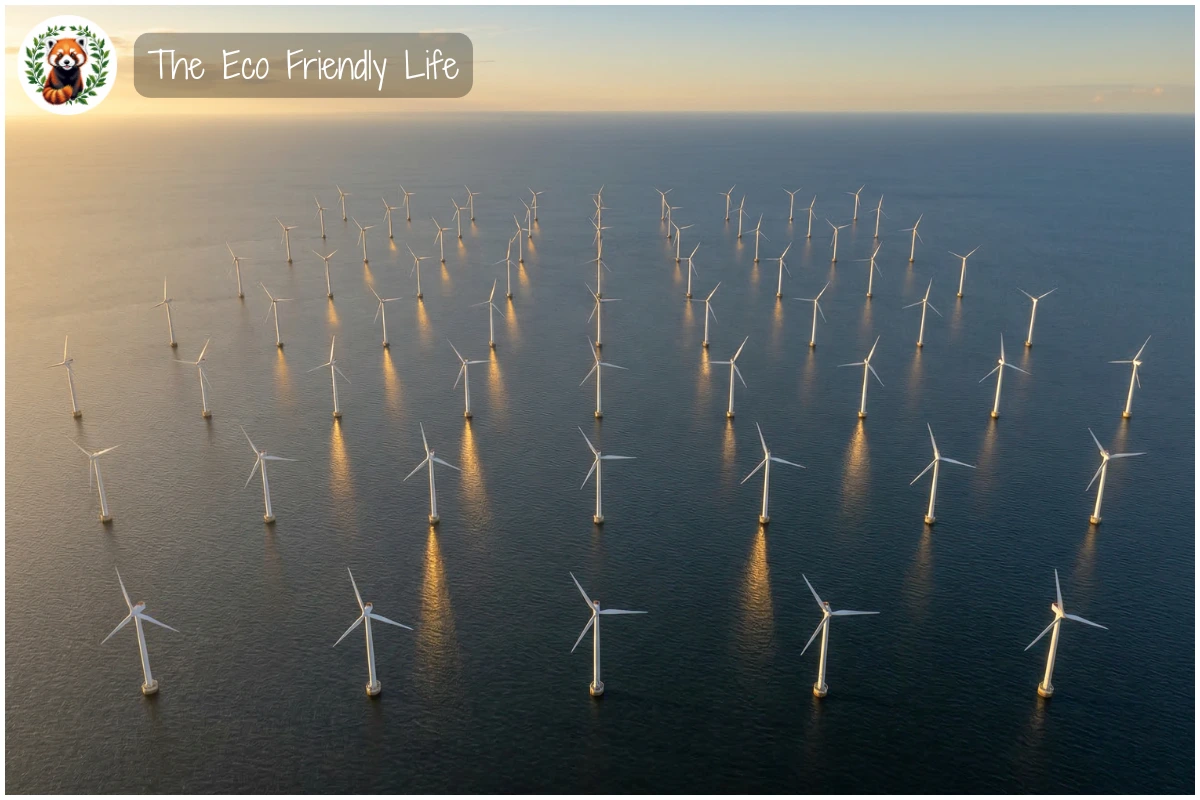
The range of funded projects is broader than most people expect: While renewable energy, energy efficiency, and clean transportation dominate — they remain the preferred use-of-proceeds categories globally — green bonds also fund projects in sustainable water management, pollution prevention, sustainable land use, climate change adaptation, and green buildings. A green bond issued by a city government might fund the retrofitting of hundreds of public housing towers with insulation and solar panels, simultaneously reducing carbon emissions and household energy costs for lower-income residents. LSEG market data shows that over a quarter of all eligible use-of-proceeds categories in the green bond market now relate in some form to adaptation and resilience investments — not just emissions reduction.
Now that we know who issues green bonds and what they build, it is worth looking at the question most investors actually care about: what does the financial picture look like?
The Financial Case for Going Green
Performance that holds up under scrutiny: The persistent assumption that sustainable investing means accepting lower returns is being steadily disproved. Global sustainable bond issuance — across green, social, sustainability, and sustainability-linked instruments — hit a record $1 trillion in 2024, a 3% advance on the previous year, reflecting surging institutional and retail demand. By the end of Q3 2025, total outstanding green bonds surpassed $3 trillion for the first time, representing a compound annual growth rate of approximately 30% over the past five years.
The “greenium” — what it means for investors: One nuance worth understanding is the concept of the greenium — the small yield difference that green bonds sometimes carry relative to conventional bonds from the same issuer. Some analysis has found that green bonds can sometimes offer a marginally lower headline yield, reflecting the higher and more stable demand they attract from institutional and ESG-mandated investors. This gap has been narrowing as green bonds have matured as an asset class, and many analysts argue it is increasingly offset by the lower long-term risk profile of issuers with strong environmental governance.
Stability through ESG investor demand: Green bonds tend to attract a more stable, long-term investor base — pension funds, sovereign wealth funds, insurance companies, and ESG-mandated institutional funds that are unlikely to sell in response to short-term market movements. LSEG data shows that sustainable bond funds recorded net inflows in 46 of the past 60 months, accumulating USD $54 billion in cumulative net inflows since October 2020 — a strong signal of enduring investor confidence through multiple market cycles.

Now that you have a solid picture of the financial landscape, let’s look at the platforms, tools, and educational resources we recommend for taking your knowledge — and your investing — further.
Brands and Tools That Support the Planet — Our Recommendations
Whether you want to deepen your knowledge of green finance, research specific green bond investments, or access the market directly as an individual investor, the platforms and tools below are the ones we trust most. Each has been chosen because it directly supports your green bond and sustainable finance journey — from first learning through to active investing.
Our Recommendations — For Adult Investors and Learners
Morningstar Investor
Morningstar is one of the world’s most respected independent investment research platforms, covering green bond funds, ESG ETFs, and sustainable bond funds with unmatched analytical depth. I recommend it because it’s the only tool I’ve found that lets an individual investor properly research and compare green bond funds side by side using genuinely independent data — research produced by analysts who are structurally separated from the funds they rate, not by someone whose income depends on selling you a particular product.
Interactive Brokers
Interactive Brokers (IBKR) is one of the few global brokerage platforms where individual investors can directly access a universe of over one million bonds across 170+ global markets — including green and sustainable bond instruments from sovereign and corporate issuers. I chose IBKR because it offers one of the most direct, transparent, and genuinely accessible paths to purchasing green bond products available to everyday investors anywhere in the world — explore their Bond Marketplace to get started.
Coursera
Oxford’s sustainable finance specialization on Coursera is the most credible way to build a genuine working knowledge of green bonds, ESG principles, and sustainable finance from scratch. I chose Coursera because university-level content from institutions like Oxford’s Saïd Business School is genuinely accessible to anyone with an internet connection, at a fraction of the cost of formal study.
Corporate Finance Institute
CFI’s ESG certification is built for people who want to develop a professional-level understanding of ESG and sustainable finance — covering everything from ESG analysis and reporting to investing and business strategy — going well beyond general financial literacy into specialist knowledge. I recommend CFI because their structured, self-paced approach takes a curious beginner to a confident, credentialed ESG practitioner in a way that self-directed reading rarely achieves. If you’re exploring other finance credentials alongside it, CFI’s full certifications catalogue is worth browsing.
Our Recommendations — For Young Learners and Families
Greenlight
Greenlight’s debit card and financial education app for kids and teens teaches children how to earn, save, spend wisely, and invest — all under parental oversight, in an interface that makes money management genuinely engaging for young people. I love Greenlight because it gives children a real, hands-on experience with investing from a young age — and the investing feature in particular plants exactly the kind of seeds that eventually grow into adult interest in instruments like green bonds. (Note for international readers: Greenlight accounts require a US bank account to set up, though cards can be used in 150+ countries once issued.)
GoHenry
GoHenry‘s prepaid card and app for children aged 6–18 includes in-app Money Missions covering earning, saving, spending, and investing — building genuine financial literacy through structured, gamified lessons that children actually enjoy completing. GoHenry is available in the UK at gohenry.com; US readers will find the same product rebranded as Acorns Early. For families elsewhere, Revolut Kids & Teens offers a widely available prepaid card and supervised spending app for ages 6–17 across Europe and many other countries, while in Australia, Spriggy is the leading pocket money app and prepaid Visa card designed specifically for kids.
With the right platforms and knowledge tools in place, here is a practical look at how to actually start your green bond investing journey step by step.
How to Start Investing in Green Bonds as an Individual
Understanding your access options: Individual investors can access green bonds through several pathways, each with different levels of directness and complexity. The most straightforward entry point for most people is through green bond ETFs (exchange-traded funds) or green bond mutual funds — pooled investment vehicles that hold a diversified portfolio of green bonds and can be purchased through most standard brokerage accounts. For investors who want direct exposure to specific green bonds, platforms like Interactive Brokers provide access to over one million bonds globally from a single account.
⚙️ RECOMMENDED: MORNINGSTAR INVESTOR
“I recommend Morningstar specifically for this step because it lets you compare green bond ETFs and funds side by side with full ESG attribution data — something most standard brokerage platforms simply don’t offer.”
- ✅ Independent research
- ✅ Green bond and ESG fund comparison
- ✅ Portfolio tracking tools
What to look for before investing: Not all green bonds are created equal, and green-washing — where issuers claim environmental credentials that don’t hold up under scrutiny — remains a genuine risk in the market. Before purchasing, check whether the bond carries a credible second-party opinion from a recognized verification firm, whether the issuer publishes annual impact reports detailing how proceeds were used, and whether the bond is aligned with the ICMA Green Bond Principles or an equivalent recognized framework. Morningstar’s sustainability ratings and MSCI’s ESG ratings are both useful tools for assessing these credentials independently.
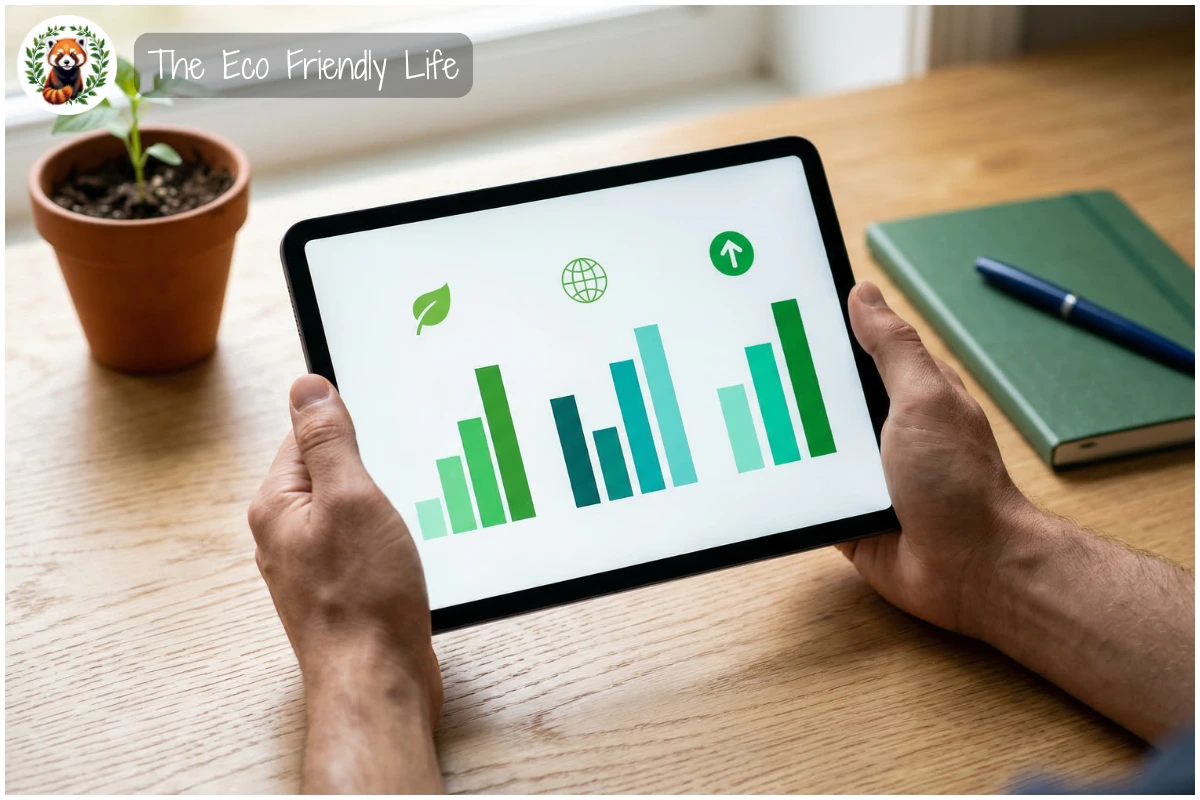
Starting small and building knowledge first: For most readers encountering green bonds for the first time, the most valuable first step isn’t purchasing — it’s investing in your own understanding of how fixed income markets work. Green bond ETFs allow you to start with a small capital outlay while gaining real-world exposure to how these instruments behave across a market cycle. As your confidence grows, you can explore sovereign green bonds — typically the lowest risk category — before considering corporate green bond funds, which carry higher yield potential alongside higher credit risk.
Keeping a long-term perspective: Green bonds are fixed income instruments designed to be held through to maturity rather than traded frequently. The real return for individual investors is the combination of regular coupon income, capital preservation, and the knowledge that the underlying capital is funding infrastructure the world genuinely needs. According to LSEG research, the 30% compound annual growth rate seen in the outstanding green bond universe over five years reflects an asset class with structural demand tailwinds — not short-term speculation.
With a clear sense of how to enter the green bond market, here are ten practical actions you can take right now to begin putting that knowledge to work.
Practical Daily Tips You Can Action Today
Small steps in financial education and sustainable investing add up quickly — here are ten concrete actions you can take today, regardless of where you live or how much investing experience you have.
| Tip | How to Implement | Why It Helps |
|---|---|---|
| Learn the basics of bonds first | Read an introductory guide to fixed income investing before exploring green bonds specifically | Understanding conventional bonds first makes the “green” distinction far easier to grasp |
| Study the ICMA Green Bond Principles | Visit icmagroup.org and read the one-page summary of the GBP framework | Gives you a credible, globally recognized benchmark to evaluate any green bond’s legitimacy |
| Search for a green bond ETF | Use your existing brokerage platform’s ETF search and filter by “green bond” or “ESG fixed income” | ETFs provide instant diversification across dozens of green bonds with a single purchase |
| Open a Morningstar account | Sign up for a Morningstar Investor trial and search your country’s available green bond funds | Gives you independent research that doesn’t come from a party trying to sell you a product |
| Enroll in one sustainable finance course | Search Coursera or CFI for a short ESG or sustainable finance introduction module | Even a five-hour course will significantly increase your confidence when reading green bond documentation |
| Check your pension or retirement fund for green options | Log into your account and look for ESG or sustainable investment options in your fund’s settings | Many funds offer green-labelled options — switching is often free and takes only a few minutes |
| Follow the Climate Bonds Initiative | Subscribe to their free newsletter at climatebonds.net | Provides regular, expert-curated updates on issuance, policy, and green bond market data |
| Research your national government’s green bond program | Search “[your country] sovereign green bond” to see if your government issues green bonds directly | Sovereign green bonds are typically the safest, most regulated entry point in the market |
| Raise green investing with your financial adviser | Ask specifically about green bond funds or ESG fixed income options at your next meeting | Advisers can only recommend what you ask about — raising it ensures it enters the conversation |
| Start a green finance reading list | Begin with the Climate Bonds Initiative’s annual market report, freely available online | Annual reports give you the most current, data-rich overview of where the green bond market is heading |
If you still have questions about how green bonds work in practice, the next section covers the ones we hear most often.
FAQs
Are green bonds safe investments? Green bonds carry the same credit risk as conventional bonds from the same issuer — a sovereign green bond issued by a stable government is considered very low risk, while a corporate green bond from a smaller company carries more. The “green” label does not change the underlying credit quality.
Can I lose money on a green bond? Yes — like all bonds, green bonds can lose value if you sell before maturity and market interest rates have risen since purchase, or if the issuer defaults on payments. Holding to maturity eliminates most of the interest rate risk.
What is the minimum amount needed to invest in green bonds? Through a green bond ETF, you can start with as little as the price of a single ETF unit — often under $100 USD. Direct green bond purchases through a brokerage typically require much larger minimum amounts, often USD $1,000–$5,000 per bond.
How do I know a green bond is genuinely green and not greenwashing? Look for bonds that carry a second-party opinion from a recognized verifier such as Sustainalytics or Moody’s ESG Solutions (formerly Vigeo Eiris), that align with the ICMA Green Bond Principles, and that publish annual impact reports with measurable, independently verified environmental outcomes.
Organizations to Support — Our Recommendations
Beyond investing, you can directly support the global organizations working to make green finance more accessible, credible, and impactful for communities that need it most.
- 350.org is an international climate organization active in over 188 countries, focused specifically on accelerating the shift of global capital away from fossil fuels and toward clean energy investment — the exact transition that green bonds are designed to fund. You can donate to 350.org to support their advocacy and grassroots organizing work worldwide.
- SolarAid is a UK-registered charity that deploys affordable solar energy to communities across sub-Saharan Africa that lack access to electricity — precisely the type of clean energy project that green bond proceeds are designed to fund in developing economies. You can give directly to SolarAid to help bring clean energy to schools, clinics, and households that need it most.
- Rainforest Alliance works globally to protect forests and sustainable land use — one of the major use-of-proceeds categories under the ICMA Green Bond Principles — by certifying farms, forests, and businesses that meet rigorous environmental and social standards. You can give to Rainforest Alliance to help protect the ecosystems that green bonds increasingly fund.
Each of these organizations is doing the on-the-ground work that gives green finance its real-world meaning.
Resources and Further Reading
For readers who want to go deeper, these are the most authoritative expert resources available globally on green bonds and sustainable finance.
- The Climate Bonds Initiative publishes the most comprehensive annual overview of global sustainable debt issuance available anywhere — freely accessible to all. Their annual market summary covers green, social, sustainability, and sustainability-linked bonds, with issuance data, use-of-proceeds breakdowns, and market trends in one authoritative report updated each year.
- The ICMA Green Bond Principles are the globally recognized voluntary framework governing how green bonds are structured, disclosed, and reported on — essential reading for any investor wanting to evaluate green bond credentials independently. Read the Green Bond Principles to understand exactly what standards a credible green bond must meet.
- The IFC and Amundi jointly publish the most rigorous annual analysis of emerging market green bond trends and global GSSS issuance data available. Their Emerging Market Green Bonds report is the definitive reference for understanding how green finance is expanding into developing economies where climate investment is most urgently needed.
Our Related Articles

How To Choose A Green Bank: What To Look For
Money is often the forgotten frontier of sustainable living. While many of us diligently sort our recycling, switch to LED bulbs, and reduce our meat…
Read More
An Introduction To Sustainable And Responsible Investing (SRI)
Sustainable and Responsible Investing represents a fundamental shift in how people worldwide think about the relationship between money and meaning. This approach integrates environmental stewardship,…
Read More
How Does Green Finance Work?
We often think of environmental action in terms of recycling plastic, driving electric cars, or planting trees, but one of the most powerful tools for…
Read MoreConclusion
Green bonds represent one of the most direct and transparent ways for individuals, institutions, and governments to channel capital toward the projects the planet most urgently needs — from renewable energy and clean transport to sustainable water systems and climate-resilient infrastructure. They are fixed income instruments with a strong and growing performance track record, a rapidly maturing regulatory framework, and a structural demand base that continues to expand year on year. Whether you are a first-time investor curious about ESG, a seasoned finance professional looking at new asset classes, or simply someone who wants their savings to mean something, green bonds deserve a place in your understanding of what modern investing can look like.
Have you ever invested in a green bond or green bond fund — or is this the first time you’ve come across the concept? I’d love to hear where you are in your green finance journey, and whether there are specific aspects of sustainable investing you’d like us to cover in future articles — drop your thoughts in the comments below.