


Every time you reach for your wallet, you’re casting a vote. Whether it’s choosing a morning coffee, selecting a new pair of jeans, or picking household cleaning products, your purchasing decisions ripple outward—affecting workers in distant factories, ecosystems you may never see, and the broader trajectory of our global economy. In a world where 64% of global consumers rank sustainability as a top purchasing consideration, ethical consumerism has evolved from a niche movement into a powerful force reshaping how businesses operate and how products reach our shelves.
I’m Al, and I’m genuinely pleased to welcome you to this exploration of one of the most important consumer movements of our time. Whether you’re just beginning to think about the impact of your purchases or you’re already making conscious choices and want to deepen your understanding, this journey into ethical consumerism will equip you with the knowledge and practical tools to align your spending with your values. Let’s discover together how your everyday shopping decisions can contribute to a fairer, more sustainable world.
The Foundations of Ethical Consumerism
More than just a trend: Ethical consumerism, sometimes called conscious consumerism or sustainable shopping, is the practice of making purchasing decisions based on the social, environmental, and ethical impact of products and services. At its core, it operates on the principle of “dollar voting”—the idea that every purchase is essentially a vote for the kind of world you want to live in. When you choose products from companies that treat their workers fairly, minimise environmental damage, and operate transparently, you’re sending a powerful market signal that these values matter.
The theory behind the practice: Psychologists explain ethical consumer behaviour through the theory of planned behaviour, which connects purchasing choices to an individual’s sense of control, social norms, and evaluation of consequences. However, the motivations run deeper than rational calculation alone. A consumer’s ethical obligation, self-identity, and personal virtues significantly influence buying decisions. For many people, choosing ethical products becomes an expression of who they are and what they stand for.
Understanding the scope: Ethical consumerism encompasses a broad range of considerations, from worker conditions and fair wages to environmental footprint, animal welfare, and corporate transparency. This includes supporting Fair Trade certified products, choosing items with sustainable materials, avoiding goods produced through exploitative labour practices, and selecting brands that minimise their carbon emissions. The approach recognises that everything from growing and harvesting to processing and delivery forms part of a value chain for which consumers share responsibility.
The conversation around ethical consumerism naturally leads us to ask: why has this movement gained such momentum in recent years, and what’s driving so many people to reconsider their shopping habits?
Why Ethical Consumerism Matters Now More Than Ever
The environmental imperative: A pivotal 2015 study found that the production and use of household goods and services was responsible for 60% of global greenhouse gas emissions. As more people worldwide enter the middle class and increase their consumption, this environmental burden intensifies. The wealthier individuals become, the more energy they consume—with the richest 1% of the global population emitting as much carbon pollution as the poorest two-thirds of humanity. Ethical consumerism offers a pathway for individuals to reduce their personal environmental impact through more thoughtful purchasing.
Growing consumer awareness: The shift in consumer consciousness has been substantial. Approximately 80% of worldwide consumers are willing to pay more for eco-friendly products, with many ready to spend extra on goods from ethical companies. Recent data indicates that consumers willing to pay a premium for sustainably produced goods average 9.7% higher than standard pricing. This isn’t merely lip service—the UK ethical market grew from £17 billion in 1999 to over £141 billion in 2023.
Generational driving force: Younger consumers are leading the charge. Gen Z and millennials demonstrate the highest engagement, with 73% of Gen Z willing to pay more for sustainable products. These generations scrutinise supply chains, question whether materials are sustainably sourced, and research environmental impacts before committing to purchases. They’re resisting fast fashion and embracing resale, rental, and repair models.
The demand for corporate accountability: Nearly 70% of consumers now believe brands must take a stand on societal issues to earn their trust. This shift has forced businesses to re-evaluate their operations and adopt more eco-friendly practices. Companies that fail to meet ethical expectations risk losing customers to competitors who prioritise social and environmental responsibility. The message is clear: consumers want proof of ethical practices, not just marketing promises.
With this understanding of why ethical consumerism matters, let’s explore the practical ways you can identify genuinely ethical products and avoid falling for deceptive marketing.
Navigating Labels, Certifications, and Greenwashing
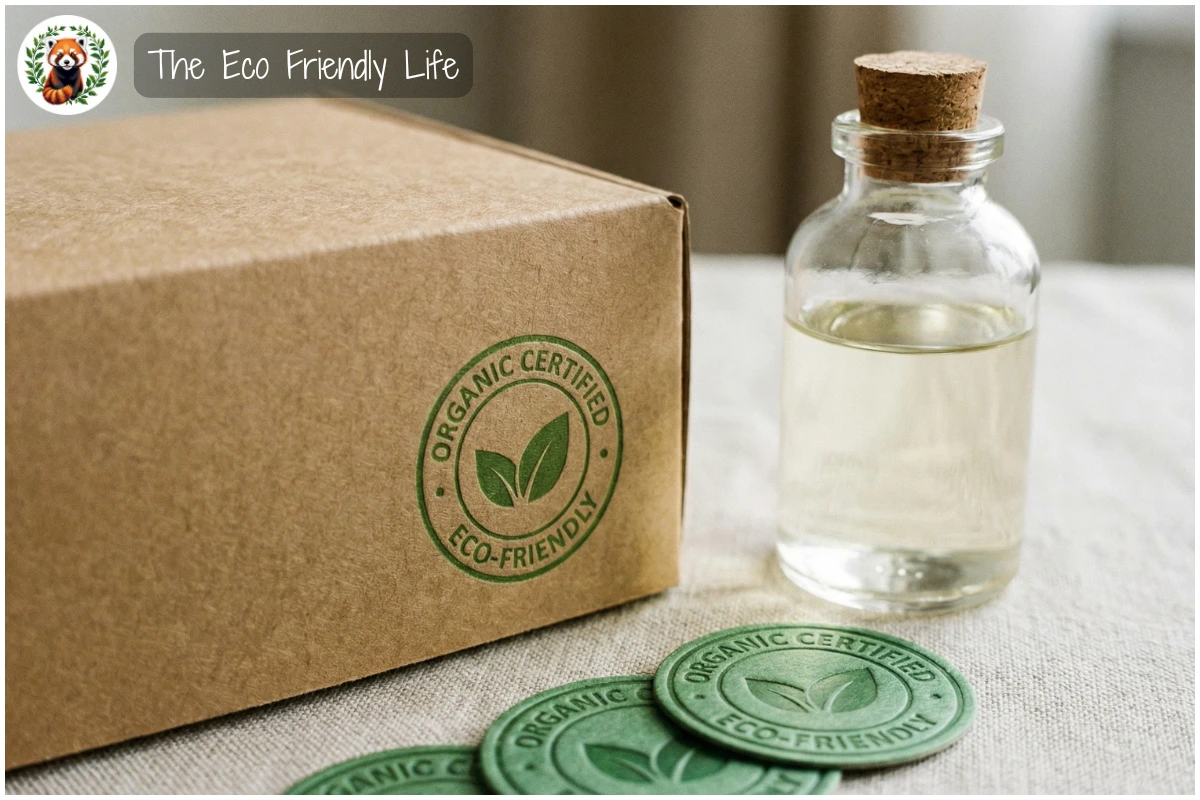
Trusted certifications to look for: Several independent organisations provide reliable third-party verification of ethical and sustainable practices. Fairtrade certification ensures that farmers and workers receive fair prices, decent working conditions, and a Fairtrade Premium for community development. B Corp certification measures a company’s entire social and environmental impact, requiring businesses to meet rigorous standards across governance, workers, community, environment, and customers. The Rainforest Alliance certification supports sustainable farming practices and forest conservation.
Understanding what labels mean: When you see a Fair Trade mark, it indicates the product has been measured against standards covering economic, environmental, and social criteria. Fairtrade has been shown to make significant contributions in critical sustainability areas, including economic security and climate resilience, according to independent impact analyses. B Corp certification is holistic rather than focused on a single issue—it applies across all product lines and requires companies to achieve a score of 80 or above out of 200 points on a comprehensive impact assessment.
The greenwashing challenge: Greenwashing is the practice of making brands appear more sustainable than they actually are, often involving cynical marketing ploys, misguided PR stunts, or unsubstantiated claims. High-profile examples include companies claiming products are “carbon neutral” without adequate long-term offsetting, or marketing items as “compostable” when they require industrial processing unavailable to most consumers. In 2025, major fashion retailer Shein was fined €1 million by Italian regulators for disseminating vague, generic, and misleading environmental claims.
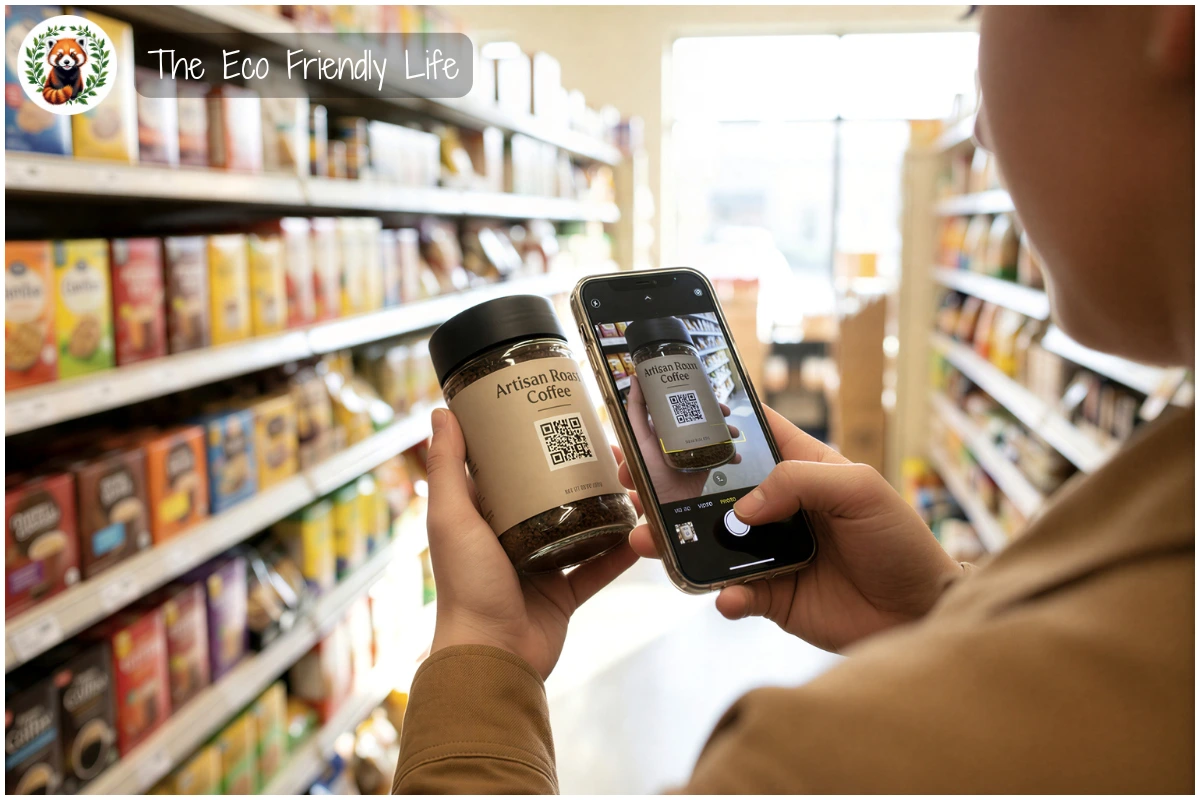
Protecting yourself from false claims: Be wary of vague terms like “eco-friendly,” “natural,” or “green” without specific certifications backing them up. Look for concrete information about materials, sourcing, and manufacturing processes. Trustworthy brands provide clear, accessible information about their sustainable and ethical practices rather than relying on buzzwords. Resources like the Good On You app rate over 6,000 fashion and beauty brands based on their impact on people, the planet, and animals, helping you see through pervasive greenwashing.
Now that you understand how to identify genuinely ethical products, you might be wondering where to actually shop. Let’s look at some specific retailers that ship globally and can help you put your values into practice with quality sustainable products for both adults and families.
Brands and Tools That Support the Planet — Our Recommendations
Making ethical choices becomes much easier when you know where to shop. The following retailers have established themselves as leaders in sustainable and ethical products, offering quality options that can be accessed from around the world.
Our Retailer Recommendation for Adults
tentree – Sustainable Apparel That Plants Trees
tentree is a B Corp certified sustainable clothing brand on a mission to plant 1 billion trees by 2030, and they’ve already planted over 115 million trees worldwide. For every item purchased—whether it’s organic cotton t-shirts, cozy hoodies, or sustainable activewear—tentree plants 10 trees in areas that need reforestation. Their internationally accessible store ships to Australia, Hong Kong, Israel, Japan, Mexico, New Zealand, Singapore, South Korea, Taiwan, United Arab Emirates, and the US, with all products made from eco-friendly materials like organic cotton, hemp, recycled polyester, and TENCEL™ lyocell. Each purchase comes with a unique QR code that lets you track exactly where your trees are planted and see the communities you’re supporting. With their Climate Neutral Certification and commitment to offsetting 100% of their emissions, tentree makes sustainable fashion accessible while creating meaningful environmental impact.
Our Retailer Recommendation for Kids/Families
Package Free Shop – Zero Waste Essentials for Your Home
Package Free Shop is North America’s premier zero-waste retailer offering sustainable alternatives to everyday products, from reusable food storage containers and plastic-free personal care items to eco-friendly cleaning supplies and kitchen essentials. Every order ships 100% plastic-free in upcycled or post-consumer boxes with paper wrapping and tape, making the entire shopping experience align with zero-waste principles. While they primarily serve North America with free domestic shipping on orders over $65, their comprehensive product range makes them an excellent resource for sustainable living essentials. Their curated selection helps customers transition away from single-use plastics and disposable products, with detailed product information explaining the environmental benefits of each item. Package Free Shop participates in affiliate programs through networks like Skimlinks, offering commissions for content creators who promote zero-waste living.
Understanding where to shop is just one piece of the puzzle. Many consumers face genuine challenges when trying to make ethical choices, from budget constraints to information overload. Let’s examine these barriers and discover practical ways to overcome them.
Overcoming the Barriers to Ethical Shopping
The price premium reality: One of the most significant barriers to ethical consumerism is cost. Ethical products often come with higher price tags reflecting the true cost of production—fair wages for workers and environmental safeguards throughout the supply chain. Sustainable goods can be priced 75%-85% higher than conventional alternatives, with some sectors like sustainable fashion showing markups exceeding 200%. This creates a genuine conflict between values and economic reality for many households operating on tight budgets.
Bridging the gap between intention and action: Despite consumer willingness to pay more, actual behaviour often tells a different story—a phenomenon researchers call the “attitude-behaviour gap” or “intention-action gap.” Economic factors, including income levels and broader uncertainty, heavily influence people’s ability and willingness to pay premiums for ethical options. This gap isn’t about consumer hypocrisy—it reflects the genuine challenge of aligning values with practical constraints.
Information overload and confusion: Finding reliable information about a product’s ethical credentials can be overwhelming. Supply chains are incredibly complex, often involving multiple tiers of suppliers and subcontractors across different countries. A company may claim sustainable sourcing without full visibility into practices further down their supply chain. This complexity, combined with the proliferation of eco-labels and marketing claims, can leave consumers feeling paralysed rather than empowered.
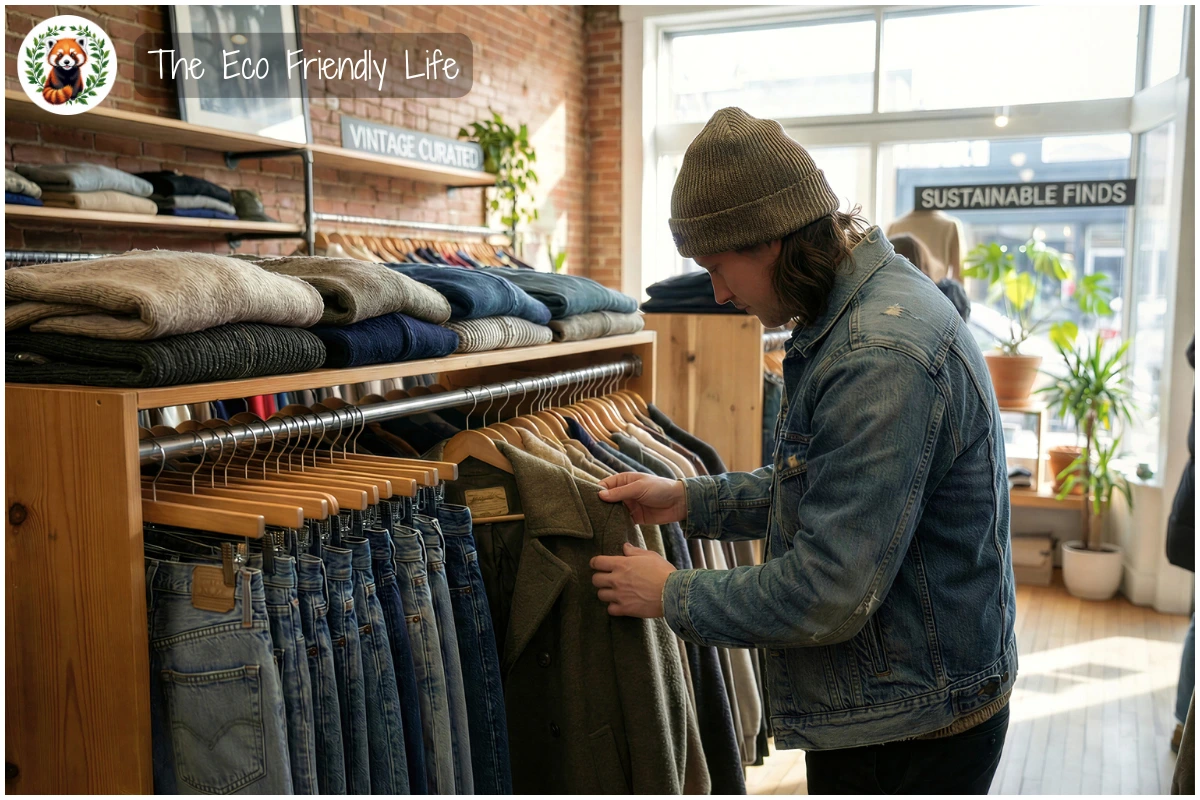
Accessible alternatives exist: Ethical consumerism doesn’t have to be expensive or complicated. Buying secondhand is one of the most accessible and impactful choices— 58% of consumers shopped for clothes secondhand in 2024, with Gen Z leading the charge. Shopping locally, repairing rather than replacing, reducing overall consumption, and supporting ethical brands during sales are all practical ways to shop ethically on any budget. The most sustainable approach often combines mindful consumption with appreciation for what you already own—a philosophy that transcends economic status.
With these challenges in mind, let’s move from theory to action. Here are concrete, budget-friendly steps you can take today to become a more conscious consumer, regardless of your income level.
Practical Daily Tips You Can Action Today
Transforming your shopping habits doesn’t require perfection—it starts with small, consistent changes that accumulate into meaningful impact over time. The following tips offer accessible starting points for anyone looking to align their purchases with their values.
| Tip | How to Implement | How It Helps |
|---|---|---|
| Research before you buy | Spend a few minutes checking a company’s environmental practices and ethics policies using apps like Good On You or Ethical Consumer. | Makes you an informed consumer and rewards transparent companies with your business. |
| Choose secondhand first | Check thrift stores, consignment shops, or apps like Poshmark or ThredUp before buying new items. | Keeps perfectly usable items from landfills while saving money. |
| Support local businesses | Buy from neighbourhood shops and local producers whenever possible, especially for food and everyday items. | Reduces transport emissions and reinvests money in your community. |
| Look for trusted certifications | Prioritise products with Fair Trade, B Corp, Rainforest Alliance, or organic certifications. | Supports independently verified ethical and sustainable practices. |
| Reduce overall consumption | Before purchasing, ask yourself if you truly need the item or if it’s an impulse buy. | The most ethical purchase is often no purchase—reducing demand reduces environmental impact. |
| Bring reusable bags and containers | Keep reusable shopping bags, produce bags, and containers ready for regular use. | Eliminates single-use plastics from your routine. |
| Plan meals to avoid waste | Create shopping lists based on weekly meal plans and check your pantry before shopping. | Reduces food waste and prevents unnecessary purchases. |
| Choose quality over quantity | Invest in durable, well-made items that will last longer rather than cheap disposable alternatives. | Reduces long-term consumption and waste while often saving money over time. |
| Support ethical brands during sales | Sign up for newsletters from ethical brands to receive discount codes and sale alerts. | Makes sustainable products more affordable without compromising values. |
| Learn to read labels | Familiarise yourself with what different labels mean, including fabric content and country of origin. | Helps you identify genuinely ethical products and spot greenwashing. |
These practical steps provide a foundation for ethical shopping, but you might still have some lingering questions. Let’s address the most common queries about making ethical consumerism work in your daily life.
FAQs
Is ethical consumerism only possible for wealthy people? No, ethical consumerism is accessible across all income levels. Many sustainable practices—including buying secondhand, repairing items, reducing overall consumption, and choosing local products—can actually save money while being environmentally responsible.
How can I tell if a brand is genuinely ethical or just greenwashing? Look for specific third-party certifications like Fair Trade, B Corp, or Rainforest Alliance rather than vague claims like “eco-friendly” or “natural.” Use rating apps like Good On You, and check whether brands provide transparent information about their supply chains and practices.
Does individual consumer action really make a difference? Yes. Consumer demand directly influences corporate behaviour—companies respond to what people buy. When enough consumers prioritise ethics, businesses adapt their practices to remain competitive, creating systemic change across industries.
What should I prioritise if I can’t afford to buy everything ethically? Focus on products you purchase frequently or in large quantities, as these have the greatest cumulative impact. Food choices, particularly reducing red meat consumption, and avoiding fast fashion offer significant environmental benefits.
Organizations to Support – Our Recommendations
If you want to extend your impact beyond purchasing decisions, supporting organisations working directly on ethical trade and environmental protection multiplies your contribution.
- Fairtrade International is a global network that connects disadvantaged farmers and workers with consumers, promotes better trading conditions, and empowers producers to combat poverty. With operations across 50+ countries, Fairtrade certification has delivered significant improvements in economic security and climate resilience for farming communities. The most direct way to support Fairtrade’s work is through purchasing Fairtrade certified products, which creates market demand and sends a powerful signal that consumers value fair trade practices. When you choose products bearing the FAIRTRADE Mark, you’re directly supporting the organization’s mission to rebalance global trade.
- Rainforest Alliance works at the intersection of business, agriculture, and forests to create a more sustainable world. Through certification programs, forest conservation, and community support initiatives, they protect vulnerable ecosystems while supporting the livelihoods of farmers and forest communities. You can make a donation through one-time gifts, monthly giving, and legacy planning options.
- Fair Trade USA is an independent nonprofit organisation that certifies products across more than 40 categories, impacting over 1.6 million farmers, workers, fishers, and their families in 52 countries. Their work has delivered $81 million in additional earnings to producer communities in recent years. You can donate to their programs that enable sustainable livelihoods for producers worldwide, or join their community by following their work on social media and participating in Fair Trade campaigns.
These organisations provide excellent opportunities to amplify your personal impact through direct support and conscious purchasing decisions.
Resources and Further Reading
To deepen your understanding of ethical consumerism and stay informed about brand practices, these expert resources offer valuable guidance.
- Ethical Consumer is the UK’s longest-running ethical consumerism organisation, founded in 1989. Their comprehensive ethical shopping guides cover everything from banking and energy to fashion and food, rating companies against over 20 animal welfare, environmental, and human rights criteria. Access to basic scores is free, with full reports available through subscription.
- Good On You provides world-leading sustainability ratings for fashion and beauty brands, used by millions of shoppers globally. Their sustainable fashion guide explains key concepts and terminology, while their searchable directory and mobile applet you check brand ratings instantly while shopping.
- B Lab Global offers comprehensive information about B Corp certification and what it means for businesses committed to balancing profit with purpose. Their certification information hub explains standards and provides resources for understanding how certified companies demonstrate verified social and environmental performance.
These resources will support your ongoing journey as a conscious consumer.
Our Related Articles

A Guide To Sustainable Fabrics: Organic Cotton, Hemp, Bamboo, And More
The clothes we wear tell a story far beyond their style. Every garment begins its journey in fields, forests, or factories, leaving an environmental footprint…
Read More
How To Transition To A Zero Waste Lifestyle
Every day, the average person generates waste that adds up to a staggering problem for our planet. With 353 million tonnes of plastic waste created…
Read MoreConclusion
Ethical consumerism represents a powerful opportunity to align your daily choices with your deepest values. From understanding the foundations of conscious shopping to navigating certifications, overcoming price barriers, and taking practical action, you now have the knowledge to make purchasing decisions that support workers, protect the environment, and hold corporations accountable. Remember that perfection isn’t the goal—every thoughtful choice contributes to meaningful change.
The growth of ethical markets from £17 billion to over £141 billion in the UK alone demonstrates that consumer action truly matters. Whether you start by researching one brand, buying your first secondhand item, or supporting a Fair Trade producer, you’re joining millions of people worldwide who believe that shopping can be a force for good.
What’s one ethical swap you’re planning to make in your next shopping trip? Share your thoughts, questions, or experiences in the comments below—I’d love to hear how you’re incorporating conscious choices into your life.