
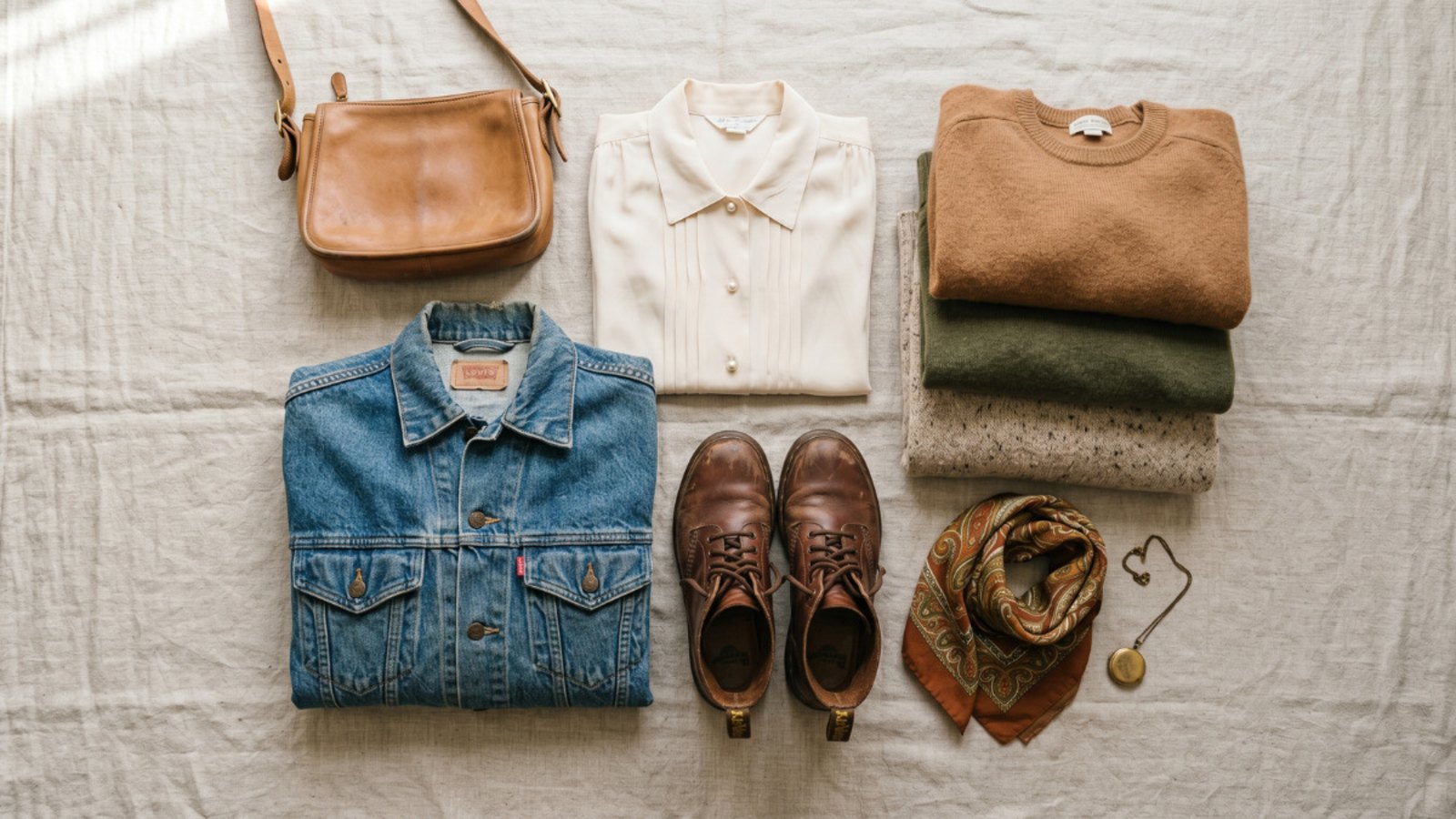

The fashion industry is one of the world’s most resource-intensive sectors, contributing billions of tons of waste, enormous volumes of water consumption, and a significant share of global greenhouse gas emissions every single year. As consumers worldwide become more aware of the true cost behind a brand-new garment, a quieter, more intentional way of shopping has been gaining extraordinary momentum: buying secondhand. Whether it’s hunting through the racks at a local thrift store, scooping up a vintage leather jacket on Depop, or scoring a pre-loved designer bag on Vestiaire Collective, secondhand shopping is no longer a niche habit — it’s one of the most powerful individual choices any of us can make for the planet. And for the times when secondhand isn’t the right fit, knowing which sustainable and ethical fashion brands (opens in a new tab) are genuinely worth your money is the next best step.
Hi, I’m Katrina — a mum, a recovering fast fashion addict, and someone who genuinely believes that the most sustainable wardrobe is the one that already exists. A few years ago I made the switch to secondhand-first shopping, and it changed not just how I dress but how I think about consumption altogether. I’m not here as a fashion expert or an environmental scientist — just as someone who has lived this shift and found it to be one of the most rewarding, creative, and financially liberating decisions I’ve ever made. Whether you’re completely new to thrifting or already dipping your toes into the world of vintage and resale, this article will show you why buying secondhand is one of the smartest choices you can make — and exactly how to do it well. Keep reading; I promise there’s something here for you, wherever in the world you are.
⭐ Our Top Pick — Best Online Thrift Platform
ThredUp Clean Out Kit
I chose the ThredUp Clean Out Kit over alternatives because it uniquely solves both sides of the secondhand equation at once — it gives you a simple way to clear out clothes you no longer wear and puts real money or shopping credit back in your pocket, all while connecting you directly to one of the world’s largest curated online thrift stores.
The single most compelling benefit? You fill a bag with clothes you no longer want, ship it back using a prepaid label, and ThredUp handles all the photography, listing, and selling — crediting cash or shopping credit directly into your account so you can buy better secondhand pieces, with a small processing fee deducted from your earnings.
- ✅ ♻️ Prepaid shipping label provided — a $14.99 processing fee (standard) is deducted from your earnings
- ✅ 💳 Earn cash or ThredUp shopping credit for accepted items, with bonus credit at partner brands like Athleta and Reformation
- ✅ 🌍 Shop thousands of pre-loved styles online from anywhere in the world
☆ | Budget Friendly
👉 Shop ThredUp Clean Out Kit (opens in a new tab)Why Secondhand Shopping Matters for the Planet
The hidden weight of a new garment: Long before a single item of clothing reaches a store shelf, it has already consumed enormous amounts of water, energy, and raw materials. The global fashion industry is responsible for 2–8% of global carbon emissions (opens in a new tab) — more than the combined emissions of all international flights and maritime shipping. On top of that, producing just one new cotton T-shirt requires approximately 2,700 liters of fresh water — enough for one person to drink for two and a half years. When multiplied across the billions of garments produced annually, these figures paint a staggering picture of environmental cost.
What happens after the purchase: The problem doesn’t stop at production. 85% of all textiles (opens in a new tab) generated globally go to the dump each year, with the equivalent of a garbage truck full of clothing being burned or landfilled every single second. Synthetic fabrics like polyester release microplastics as they break down, leaching into soil and waterways and entering the food chain for decades. This cycle of produce–wear–discard is the defining signature of fast fashion — and if you want to understand the full scale of that damage, our guide to what sustainable fashion really means (opens in a new tab) covers it in depth — it’s a cycle that secondhand shopping directly and measurably disrupts.
How buying pre-owned creates real impact: When you choose a secondhand item over a new one, you are actively voting against the production of another garment. A clothing reuse life-cycle study (opens in a new tab) commissioned by the European textile reuse and recycling industry found that reused clothing carries up to 70 times lower environmental impact than new production — with each reused garment saving approximately 3 kg of CO₂ and requiring just a fraction of the water needed to manufacture an equivalent new item. These are real, measurable numbers at the individual level, and they add up fast when millions of people make the same choice.
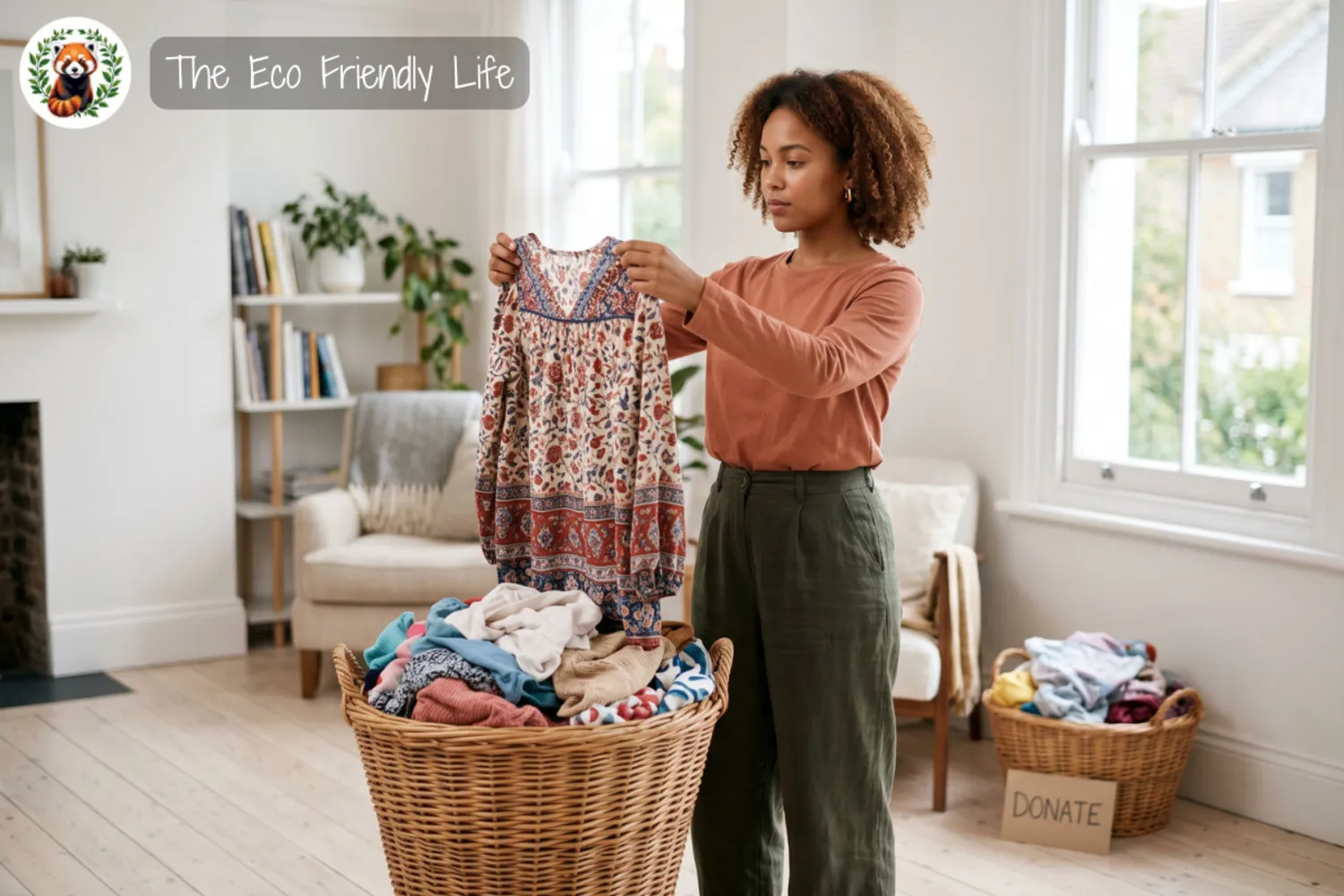
The bigger picture — circular fashion in law and practice: Secondhand shopping is one of the most tangible real-world expressions of circular economy principles — the idea that products should remain in use as long as possible rather than being discarded after a single season. If you’d like a clear grounding in what those principles mean and how they apply across daily life, our guide to key sustainability concepts and practices (opens in a new tab) explains the framework in full. This thinking has moved from niche advocacy into binding global policy. The EU Ecodesign Regulation (opens in a new tab), adopted in 2024, now requires garments sold in European markets to meet minimum durability and recyclability standards, and from 2026, the outright destruction of unsold clothing by large companies is banned. When consumers choose resale, they aren’t just making a personal green choice — they are reinforcing a circular system that regulators, scientists, and sustainability advocates worldwide are actively working to scale.
Understanding the environmental case gives you the why behind the habit. But there’s an equally compelling argument that hits a little closer to home — your wallet. Let’s look at what secondhand shopping can genuinely do for your finances.
The Financial Case for Choosing Pre-Owned
Real money back in your pocket: One of the most immediately motivating reasons to shop secondhand is the direct financial saving. American thrift shoppers save an average (opens in a new tab) of $1,452 per year by choosing pre-owned over new — and that figure is growing year on year as more high-quality inventory moves onto global resale platforms. For families in particular — where children outgrow clothes faster than they wear them out — the savings compound even faster, and secondhand becomes less of a preference and more of an obvious default; our guide to eco-friendly parenting (opens in a new tab) covers exactly how to build that habit across your whole household. For budget-conscious shoppers anywhere in the world, secondhand shopping isn’t just an eco-conscious preference; it’s a practical financial strategy that compounds meaningfully over time.
Quality and luxury, at a fraction of the cost: One of the most overlooked advantages of the secondhand market is the quality of items available at deeply discounted prices. When you buy new, you are paying a significant markup for branding, retail overhead, and marketing costs that have nothing to do with the garment itself. Pre-owned shopping strips those layers away entirely. Platforms like The RealReal (opens in a new tab) and Vestiaire Collective (opens in a new tab) make authenticated luxury goods — designer handbags, high-end coats, premium footwear — accessible at a fraction of their original retail price. You can wear a garment built to last decades rather than something that pills or fades after a handful of washes, and you will spend considerably less doing it.
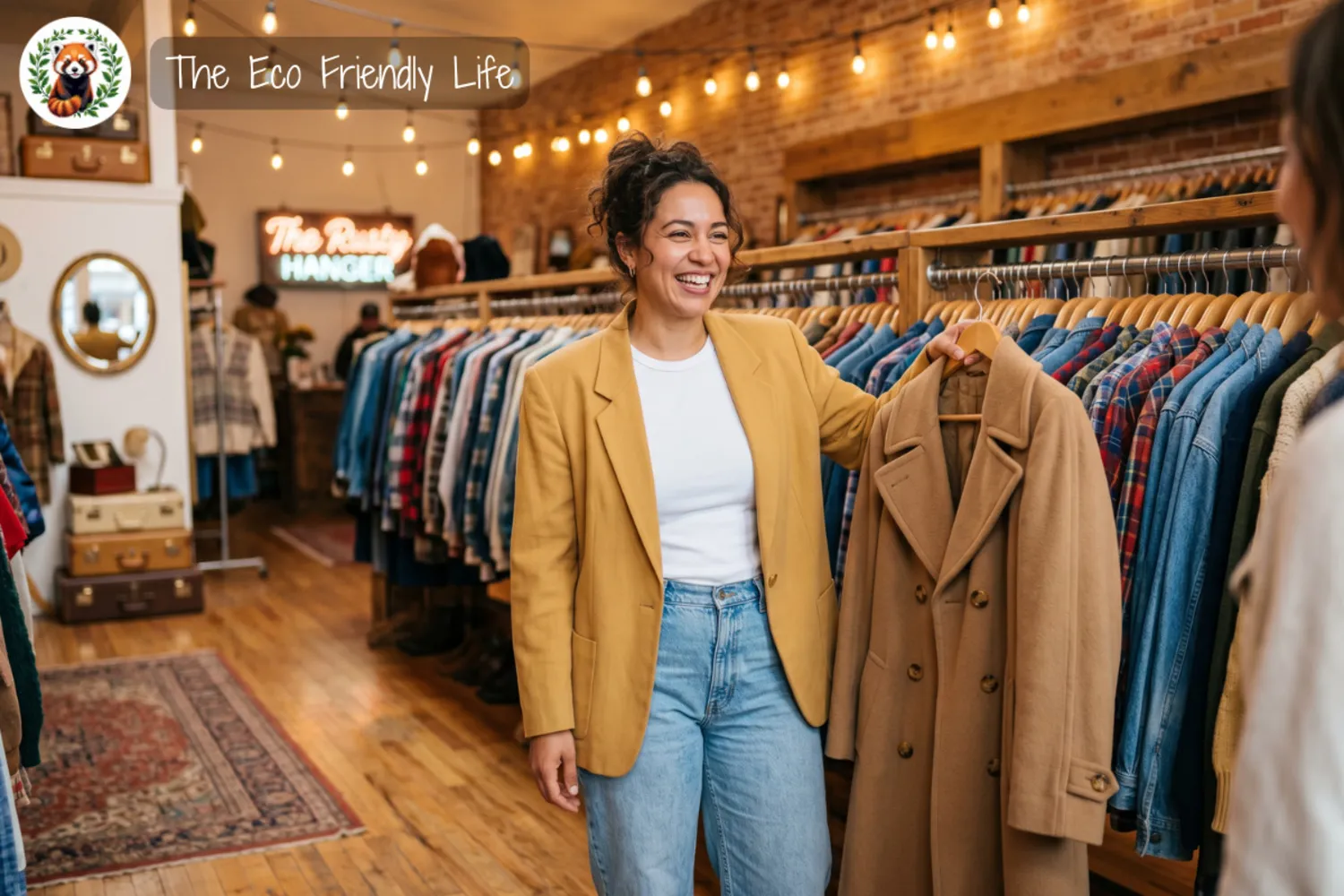
Thinking about resale as an investment: A significant and growing shift in consumer behavior is the practice of buying secondhand with a deliberate eye on future resale value. According to ThredUp’s Resale Report (opens in a new tab), 41% of Gen Z and millennial shoppers now actively avoid buying clothing that doesn’t have strong resale potential, treating their wardrobes less as a consumption habit and more as a curated collection of assets. When you buy a well-maintained vintage denim jacket or a classic quality leather boot from a respected brand, you can often resell it for a comparable or even higher price than you paid — particularly as global demand for pre-loved pieces continues to climb.
A buffer against rising prices: As inflation and cost-of-living pressures affect households across every income bracket globally, the appeal of secondhand has deepened far beyond its traditional base. When retail clothing prices rise — whether due to tariffs, supply chain disruption, or increased raw material costs — consumers increasingly turn to secondhand markets as a direct and practical response. This signals something important: resale is no longer just a lifestyle preference or a sustainability statement. It has become a genuine tool for financial resilience, accessible to anyone with a smartphone and an internet connection, no matter where in the world they live.
The financial benefits are compelling on their own — but some of the most powerful reasons to shop secondhand have nothing to do with money at all. Let’s talk about the pure creative joy of finding something truly one of a kind.
The Joy of Unique Style and Vintage Finds
Standing apart in a sea of sameness: One of the most energizing things about thrifting and vintage shopping is the near-certainty that what you find will be genuinely one of a kind. In a world where global fast fashion chains reproduce the same ten trends across millions of identical pieces, secondhand shopping offers something fundamentally different: individuality. That 1990s silk blouse, the perfectly broken-in Levi’s from the 1980s, the hand-embroidered cardigan that was clearly someone’s labor of love — these pieces carry stories that no fast fashion item ever could. A peer-reviewed study (opens in a new tab) published in Behavioral Sciences found that feelings of authenticity, fun, and genuine interest are key emotional drivers behind secondhand shopping behavior among younger consumers — and that those with secondhand shopping experience consistently report a stronger emotional connection to their clothing overall.
The vintage difference in quality and construction: Vintage clothing — typically defined as items at least 20 to 30 years old — often represents a standard of construction and material quality that is increasingly rare in contemporary fashion. Before the mass adoption of synthetic blends and cost-cutting manufacturing processes, garments were routinely built with denser fabrics, reinforced seams, and a level of craftsmanship that gives them remarkable longevity. A vintage wool coat from the 1970s, properly cared for, can still look exceptional today — and will likely outlast anything produced by a fast fashion brand by decades. Shopping vintage is one of the most direct ways to access genuinely well-made clothing at a fraction of its original cost.
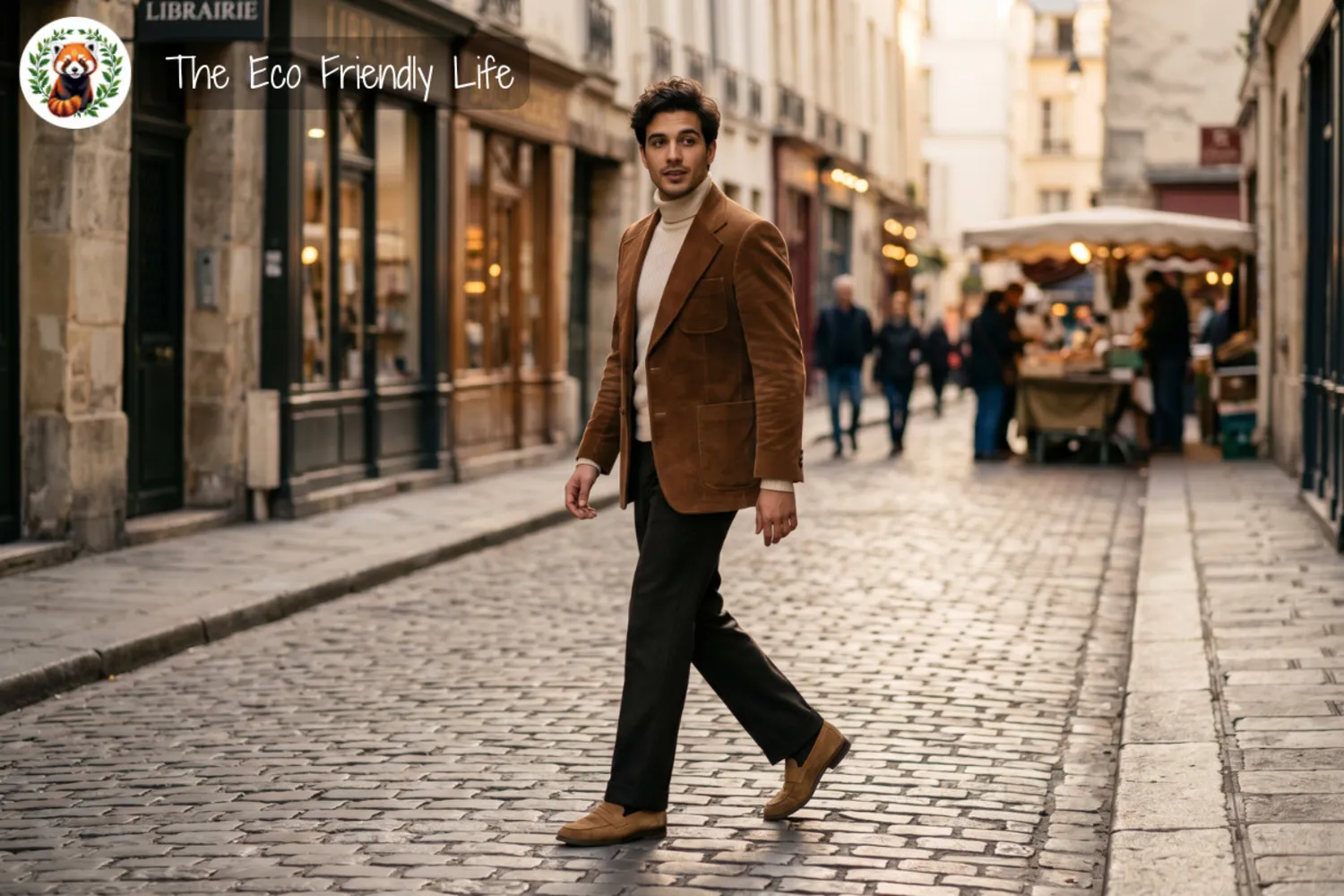
The thrill of the hunt: There is a particular kind of satisfaction that comes from the process of secondhand shopping that is entirely absent from clicking “add to cart” on a fast fashion website. Whether you’re working through rails in a physical thrift store or scrolling through Depop, the element of discovery — the genuine surprise of finding something wonderful you hadn’t planned for — creates a level of engagement that feels fundamentally different from conventional retail. This is why so many people describe thrifting not as a chore or a compromise but as a genuine hobby. The find feels earned, and wearing it carries a quiet, lasting satisfaction that brand-new purchases rarely match.
A global community built on shared values: Secondhand shopping connects you to a worldwide community of people who value longevity, creativity, and thoughtful consumption over trend cycles and disposability — the same values that sit at the heart of ethical consumerism (opens in a new tab) as a broader movement. From local vintage markets to international online platforms, the secondhand world is rich with culture and genuine human connection. Nearly 60% of consumers (opens in a new tab) globally bought secondhand apparel in 2024, with younger generations leading the way — and the global secondhand apparel market is projected to reach $367 billion by 2029. This is not a niche. This is the mainstream future of fashion.
With a clear picture of why secondhand shopping matters — for the planet, for your wallet, and for your personal style — let’s look at the specific platforms making it easier than ever to find and buy pre-loved pieces, wherever in the world you are.
Brands and Tools That Support the Planet — Our Recommendations
The secondhand market has never been more accessible, and the platforms you shop on genuinely shape your experience. The following retailers have been selected because they sell secondhand clothing directly — they are the places you actually go to find and buy pre-owned fashion, not just brands that happen to have a sustainability page. Each ships to multiple countries or operates globally, and each has been checked to make sure the links below take you exactly where you’d expect to go.
Secondhand Fashion for Adults
ThredUp
ThredUp is one of the world’s largest online thrift stores, with millions of pre-loved items for women available to shop right now. You can browse their full secondhand clothing collection (opens in a new tab) — including dresses (opens in a new tab), tops (opens in a new tab), and shoes (opens in a new tab) — filtered by size, brand, and condition, or use their Clean Out bag (opens in a new tab) to send in clothes you no longer wear and earn shopping credit in return. I chose ThredUp as our top pick for this article because no other platform makes online thrifting feel quite so easy and approachable for someone who’s never done it before — the filters, the photography, and the clear condition ratings remove all the guesswork.
Depop
Depop is the global peer-to-peer resale platform built around vintage and thrifted style, with sellers listing unique finds across 150 countries. Whether you’re searching their vintage clothing marketplace (opens in a new tab) for a 1990s windbreaker (opens in a new tab) or rare vintage denim (opens in a new tab), the experience feels more like browsing a curated vintage fair than shopping on a conventional app. What makes Depop stand out for me is the personality behind every listing — sellers photograph their own pieces, style them, and write their own descriptions, which makes the community feel genuinely engaged rather than transactional.
Vestiaire Collective
Vestiaire Collective is the world’s leading authenticated pre-owned luxury fashion marketplace and the first fashion resale platform to achieve B Corp certification — a compelling combination of trust and sustainability credentials. Their pre-owned women’s fashion (opens in a new tab) — including a vast selection of designer handbags (opens in a new tab) — and men’s designer collections (opens in a new tab) span a catalog of over 5 million items across 12,000+ brands, including Chanel, Louis Vuitton, and Prada, with more than 30,000 new pieces added daily, and every item checked by an expert authentication team before it reaches you. I recommend Vestiaire Collective for anyone who’s ever wanted to own a quality designer piece but hasn’t been willing to pay full retail — the authentication process is rigorous enough that you can shop with real confidence.
Poshmark
Poshmark is one of the world’s most popular peer-to-peer resale communities, where everyday people list their own pre-loved clothing, shoes, and accessories for buyers around the globe. With over 200 million listings across women’s clothing (opens in a new tab) and men’s clothing (opens in a new tab) — spanning every brand, style, and price point from high-street basics to designer pieces — the platform caters to all adults looking to refresh their wardrobes for up to 90% off retail. The social format, complete with seller profiles, followers, and virtual Posh Parties (opens in a new tab), makes it feel far more like a community than a shopping app. What I genuinely appreciate about Poshmark is that the people behind the listings are real individuals clearing out their wardrobes, not warehouse resellers — and that human element makes the whole experience feel more connected and meaningful.
Secondhand Fashion for Kids and Families
ThredUp
thredUP is one of the world’s largest online thrift stores, built for parents who want quality secondhand children’s clothing without the clutter of general resale platforms. Their kids’ clothing shop (opens in a new tab) features gently used pieces from over 55,000 trusted brands — covering sizes from newborn through tween — with easy-to-browse sections for girls (opens in a new tab) and boys (opens in a new tab) so you can shop by size, brand, or category in seconds. I chose thredUP for this article specifically because children outgrow clothes at a rate that makes buying new feel genuinely wasteful — and thredUP solves that problem beautifully, offering up to 90% off retail on quality kids’ pieces, all quality-checked before they reach your door.
Poshmark
Poshmark is one of the world’s largest online resale marketplaces, with over 165 million members and more than 200 million listings spanning kids’, baby, and adult clothing all in one place. You can browse their secondhand kids’ clothing — including dedicated girls’ clothing (opens in a new tab) and boys’ clothing (opens in a new tab) sections — filtering by size, brand, and condition to make it easy to refresh your child’s wardrobe and pick up a few pieces for yourself in the same visit. I specifically chose Poshmark for families because its kids’ department (opens in a new tab) covers newborn through teen sizes across beloved brands like Carter’s and Patagonia, meaning you can dress a growing family sustainably without juggling multiple platforms.
These platforms collectively cover the full spectrum of secondhand shopping — from budget-friendly everyday thrifting all the way through to authenticated luxury resale and dedicated kids’ fashion. Now that you know where to shop, let’s make sure you know how to shop secondhand well — because the right approach makes all the difference between a frustrating scroll and a genuinely great find.
How to Shop Secondhand Like a Pro
Start with a plan: The most common mistake new secondhand shoppers make is heading into a thrift store or opening a resale app without any direction. While spontaneous discovery is part of the joy, having a loose list of what you’re actually looking for — a denim jacket in a size medium, winter boots in a neutral tone, a quality blazer for work — gives your browsing purpose and prevents you from buying things simply because they’re cheap. Approach it as you would a farmers market rather than a supermarket: you have something specific in mind, but you stay genuinely open to what surprises you along the way.
Dress for the occasion when shopping in-store: When visiting a physical thrift store or vintage market, wear simple, fitted clothing that’s easy to layer over or assess quickly without needing a fitting room. Comfortable shoes are non-negotiable — thrift stores involve a lot of standing and slow browsing through dense racks. The experienced thrifter’s approach is what’s sometimes called the “double loop”: walk the aisles once quickly, scanning for colors, textures, and shapes that catch your eye, then do a second, slower pass to catch what you missed the first time. The second sweep almost always surfaces something the first didn’t.
Mastering online secondhand platforms: Shopping secondhand online requires a slightly different skill set to in-store thrifting. On platforms like Depop (opens in a new tab), Vinted (opens in a new tab), or Vestiaire Collective (opens in a new tab), use specific search terms — brand names, garment types, measurements, and decades (for example, “1990s Levi’s 501 W28”) rather than broad, generic categories. Save searches and turn on notifications for specific items you’re after; on many platforms, the best pieces disappear within hours. Always check the seller’s rating and read descriptions carefully, paying close attention to actual measurements rather than stated size labels, which can vary dramatically across eras and regions.
⚙️ Recommended: ThredUp Clean Out Kit
ThredUp’s Clean Out Kit is the perfect starting point for anyone ready to dive into the secondhand ecosystem — send off the clothes you no longer wear and use your earnings to fund your very first batch of secondhand purchases.
- ✅ 📦 Prepaid shipping label included — a $14.99 processing fee is deducted from your earnings when items sell
- ✅ 💰 Earn cash or ThredUp shopping credit for accepted items (bonus credit available at partner brands like Madewell, Athleta, and Gap)
- ✅ 🛍️ Shop millions of pre-loved styles directly on ThredUp
Inspecting items and knowing what to walk away from: Whether shopping in-store or online, condition is everything. Always inspect items thoroughly — check seams, zippers, armpits, collars, and hems for wear, staining, or damage. For online purchases, don’t hesitate to message sellers directly and ask for additional photos or specific measurements. A minor flaw — a loose button, a small hem coming undone — is easy and inexpensive to fix and is no reason to pass on an otherwise excellent piece. However, significant fabric thinning, permanent staining, or structural damage to shoes and bags is generally worth avoiding unless you have the skills or budget for professional repair.
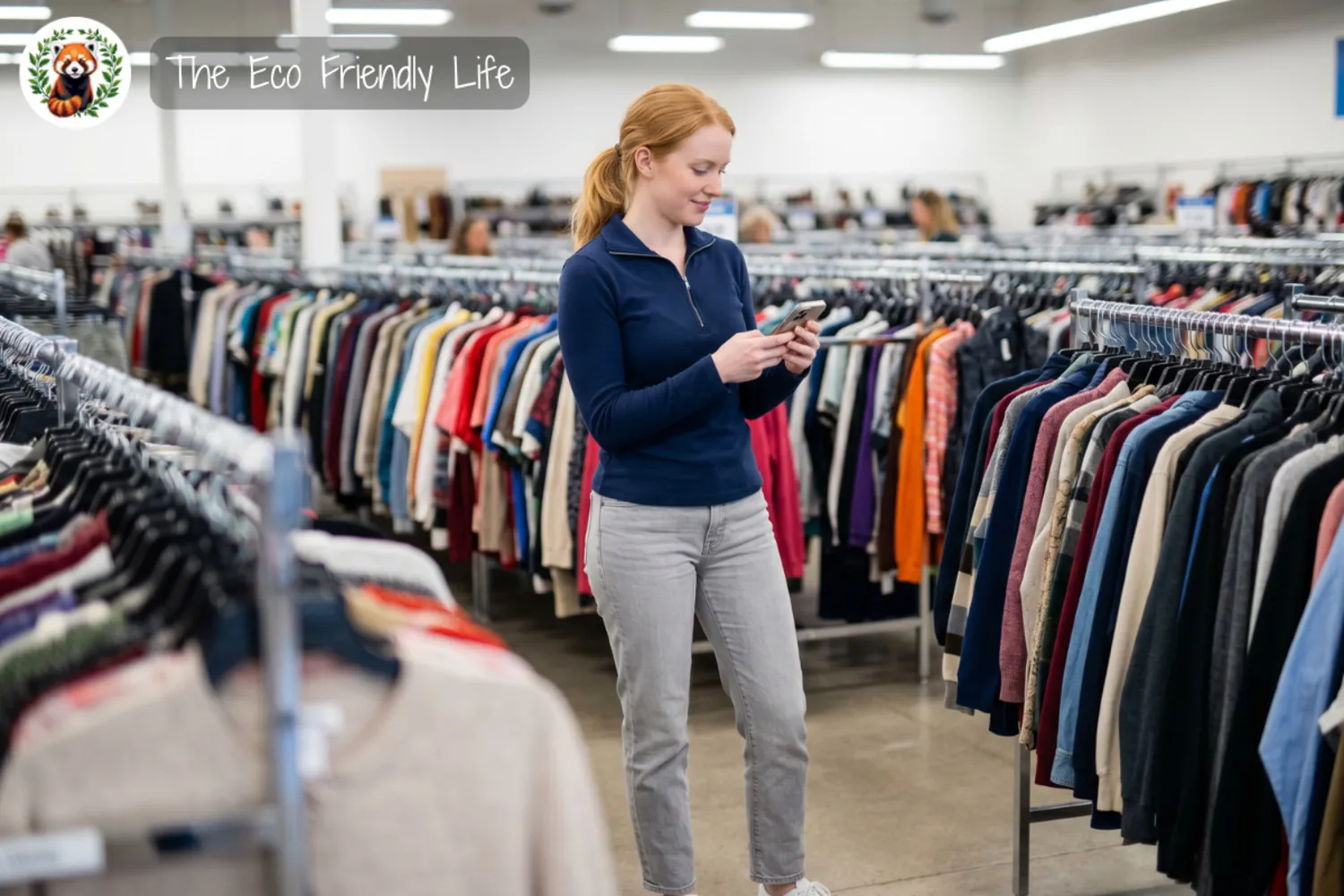
Building your secondhand wardrobe intentionally: The most sustainable secondhand wardrobe is one that’s built slowly and with intention. Rather than buying anything and everything at low prices simply because you can, focus on pieces that genuinely integrate with what you already own. A useful habit is to photograph your existing wardrobe and keep images of items you love or that inspire you on a Pinterest board (opens in a new tab) or simple mood board, then use that reference when browsing resale platforms. If you’d like a more structured framework for doing this, our guide to transitioning to a sustainable wardrobe (opens in a new tab) walks through exactly how to approach it step by step. This turns secondhand shopping from an impulsive habit into a genuinely considered practice — and ensures that every piece you bring home actually gets worn, which is the whole point.
With a solid understanding of how to find great secondhand pieces, let’s translate all of this into ten simple, concrete actions you can start taking right now, today.
Practical Daily Tips You Can Action Today
Building a secondhand wardrobe doesn’t have to happen overnight. Here are ten practical steps you can act on right now, no matter where in the world you are.
| Tip | How to Implement It | Why It Helps |
|---|---|---|
| Do a wardrobe audit | Set aside an hour to pull out everything you haven’t worn in the past 12 months and sort it into donate, sell, and keep piles. | Knowing what you already own prevents duplicate purchases and reveals exactly which gaps a secondhand find could fill. |
| Start a “want list” | Write down five specific pieces you genuinely need before opening any secondhand platform or entering a thrift store. | A focused list stops impulse buying and ensures the things you bring home are pieces you’ll actually wear. |
| Try one new platform this week | Download Depop, sign up to ThredUp, or browse Poshmark for just 15 minutes with no pressure to buy. | Familiarity with a platform’s layout and filters makes future searching much faster and far less overwhelming. |
| Sell before you buy | List a few items from your wardrobe audit on Poshmark or ThredUp before spending anything new. | Selling first funds your purchases and reinforces a circular mindset rather than simply adding more to your overall consumption. |
| Shop secondhand for basics first | Target jeans, T-shirts, knitwear, and outerwear — categories where quality secondhand pieces are plentiful and easy to find in great condition. | Basics make up the bulk of most wardrobes and don’t need to be bought new; this is where secondhand shopping delivers the greatest impact. |
| Check measurements, not just size labels | Before buying anything online, compare the item’s stated measurements to your own rather than relying on the labeled size. | Sizing has changed dramatically across decades, so a vintage “Large” can easily fit like a modern “Small” — measurements remove all guesswork. |
| Set a resale value mindset | When buying anything secondhand, ask yourself: “Could I resell this for a similar price if I changed my mind?” | Choosing pieces with strong resale potential protects your budget and helps keep quality clothing moving through the circular economy. |
| Visit thrift stores midweek | Plan your in-store thrift visits for Tuesday or Wednesday rather than the weekend when crowds are highest. | Thrift stores typically restock early in the week after weekend donations, giving you first access to the freshest inventory. |
| Follow great sellers on resale apps | On Depop or Poshmark, follow sellers whose taste aligns with yours and enable notifications for their new listings. | The best secondhand pieces move within hours; following great sellers puts you first in line before anyone else gets a look. |
| Care for pre-loved pieces properly | Read the care label on every secondhand garment you buy and hand wash or cold machine wash it before wearing it for the first time. | Correct care from day one dramatically extends the life of pre-loved pieces — keeping them in your wardrobe longer and out of landfill. |
Small, consistent actions build into lasting habits — and each step above moves you further from disposable fashion and closer to a wardrobe that genuinely reflects your values. Now let’s address some of the most common questions people have when they’re starting out with secondhand shopping.
FAQs
Here are honest answers to some of the questions we hear most often about secondhand shopping.
Is secondhand clothing hygienic?
Yes — provided you wash items before wearing them, pre-loved clothing is perfectly safe and hygienic. A standard warm machine wash or hand wash is sufficient for most garments; dry cleaning is recommended for delicate vintage pieces or structured items like blazers and coats.
Is the secondhand market only for people on a tight budget?
Not at all. The secondhand market spans every price point, from dollar-rack thrift finds to five-figure authenticated luxury pieces. Platforms like Vestiaire Collective and The RealReal serve shoppers who want access to premium, well-made items at below-retail prices — the appeal is quality and long-term value, not just affordability.
Does buying secondhand really make an environmental difference?
Yes — and a measurable one. Buying used clothing instead of new reduces carbon emissions by an average of 25%, while also saving significant quantities of water and energy per item. When practiced mindfully — replacing new purchases rather than simply adding to overall consumption — secondhand shopping creates genuine, cumulative environmental impact.
How do I know if an online secondhand item is authentic?
For general fashion, check the seller’s ratings, reviews, and photographs carefully, and always request additional images if in doubt. For luxury or designer items, use an authenticated resale platform like The RealReal or Vestiaire Collective, which employ expert authentication teams to verify every item before it is listed for sale.
Organizations to Support
If secondhand shopping has sparked a deeper interest in the future of fashion, these three organizations are doing meaningful global work you can actively support right now.
- Fashion Revolution is a global movement operating across 80 countries, founded in the aftermath of the 2013 Rana Plaza factory collapse in Bangladesh — a disaster that killed over 1,100 garment workers and exposed the true human cost of fast fashion. For over a decade they have campaigned for radical transparency, worker safety, and accountability across the entire global fashion supply chain, producing the annual Fashion Transparency Index and coordinating the world’s largest fashion activism campaign each April. You can contribute to their ongoing educational programs, policy campaigns, and global network by donating to Fashion Revolution (opens in a new tab) — every contribution directly funds the advocacy work that keeps brands accountable.
- Clean Clothes Campaign is the garment industry’s largest alliance of labor unions and non-governmental organizations, active across Europe and supported by a global partner network of more than 250 organizations worldwide. Through urgent worker solidarity campaigns, policy lobbying, and direct engagement with brands and governments, they hold the fashion industry accountable on living wages, safe working conditions, and the right to organize. Their work speaks directly to why choosing secondhand matters: every pre-owned purchase reduces demand for new production and the labor exploitation that often comes with it. You can support Clean Clothes Campaign (opens in a new tab) on their website — even a small monthly contribution funds their ongoing advocacy and worker solidarity work.
- The OR Foundation works on the ground in Accra, Ghana — home to Kantamanto Market, one of the world’s largest secondhand clothing markets — addressing the very real, very visible problem of low-quality fast fashion waste that overwhelms communities and ecosystems across the Global South. They campaign for systemic industry accountability, support local waste pickers and traders, and advocate globally for extended producer responsibility policies that put the burden of textile waste back on the brands that create it. Their work is a powerful reminder that secondhand shopping, done thoughtfully, should also mean donating quality — not offloading waste. You can support The OR Foundation (opens in a new tab) by donating directly through their website.
Each of these organizations represents a different but deeply connected dimension of the global fashion system — and supporting any one of them is one of the most direct ways to move beyond individual action into meaningful collective change.
Resources and Further Reading
For anyone wanting to explore the world of secondhand fashion more deeply, these three expert resources are excellent starting points.
- ThredUp’s Annual Resale Report is the most comprehensive publicly available data-driven overview of the global secondhand apparel market. Published each year, it covers market size, consumer behavior trends, platform growth, environmental impact, and forecasts for the resale economy in rigorous, accessible detail. Whether you want to understand the scale of the shift happening right now or find data to back up your own sustainable fashion conversations, the ThredUp Resale Report (opens in a new tab) is the single most useful document in this space and it’s completely free to read.
- The Ellen MacArthur Foundation’s “A New Textiles Economy” is a landmark report that provided the intellectual and systems-level foundation for circular fashion thinking globally. It sets out a clear, evidence-based vision for what a truly circular textile industry would look like — and explains precisely why resale, repair, and recycling are not optional extras but central pillars of that future. A New Textiles Economy (opens in a new tab) is available in full on the Ellen MacArthur Foundation’s website and remains essential reading for anyone who wants to understand the bigger picture behind why secondhand matters.
- Good On You is a globally trusted fashion brand rating platform that scores companies on their impact across people, the planet, and animals, using a rigorous evidence-based methodology developed with input from leading sustainability experts. Beyond brand ratings, their website is packed with practical guides, explainers, and how-to content that helps everyday consumers make more informed choices across their entire wardrobe — not just when shopping secondhand. Visit Good On You’s website (opens in a new tab) to deepen your understanding of what responsible fashion consumption actually looks like in practice.
Together, these resources will give you both the data and the broader framework to understand secondhand fashion not just as a shopping habit, but as part of a larger, unstoppable movement reshaping the future of how the world gets dressed.
Our Related Articles
How To Transition To A Sustainable Wardrobe
The fashion industry is one of the most resource-intensive on the planet, consuming vast amounts of water, energy, and raw materials while generating significant waste…
Read More (opens in a new tab)
Top Sustainable And Ethical Fashion Brands
The fashion industry stands at a crossroads. While it contributes to approximately 10% of global carbon emissions and generates 92 million tons of textile waste…
Read More (opens in a new tab)
What Is Sustainable Fashion?
Sustainable fashion shows up on hang tags, in ad campaigns, and in checkout-page pop-ups so often that the phrase has started to lose meaning. Ask…
Read More (opens in a new tab)Conclusion
Buying secondhand — whether through a thrift store, a vintage market, or a global resale platform — is one of the most genuinely impactful, financially rewarding, and creatively fulfilling choices available to any consumer, anywhere in the world. It reduces carbon emissions, conserves water and energy, keeps quality clothing in active circulation, and challenges the disposable culture that fast fashion has spent decades normalizing. The global secondhand apparel market is on course to reach $367 billion by 2029, and with nearly 60% of consumers worldwide already buying pre-owned, the momentum is not just real — it’s irreversible. The shift is happening, and every time you choose pre-loved over brand new, you are a meaningful part of it.
Start small: download one secondhand app this week, do a quick wardrobe audit, or simply browse ThredUp for fifteen minutes. You might be surprised how quickly a habit becomes a genuine passion. We’d love to hear from you — have you already made the switch to secondhand shopping, and if so, what’s the best or most unexpected piece you’ve ever found? Share your story in the comments below!
