


Most of us reach for our shampoo bottle each morning without giving its ingredient list a second glance. Yet the products we use to clean our hair are some of the most chemically complex items in our bathrooms — and two ingredients in particular, sulfates and parabens, have attracted mounting attention from health professionals, environmental scientists, and everyday consumers alike. Understanding what these chemicals actually do — to your hair, your body, and the planet — can be genuinely eye-opening.
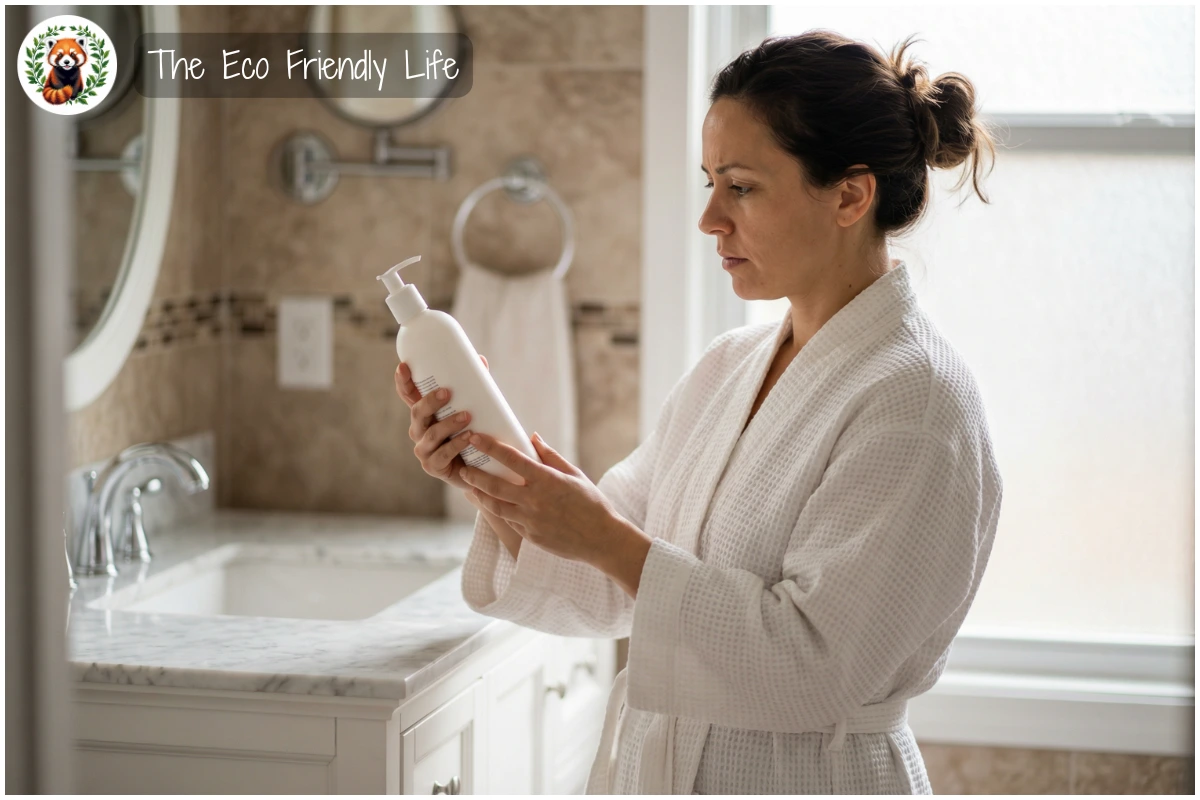
I’m Katrina, and I’ll be honest: I was a dedicated label-ignorant shampoo user for most of my adult life. It wasn’t until I started paying closer attention to sustainable living that I finally flipped over that bottle and started asking questions. I’m not a dermatologist or a cosmetic chemist — I’m just a regular person who got curious, did the reading, and made some changes that genuinely surprised me with their results. If you’re interested in what’s really in your shampoo and whether swapping it out could be worth the effort, you’re in exactly the right place — so keep reading, because what you discover might just change your whole wash-day routine.
What Exactly Are Sulfates and Parabens
The foamy culprit — sulfates: Sulfates are synthetic surfactant compounds — most commonly sodium lauryl sulfate (SLS) and sodium laureth sulfate (SLES) — that produce the rich, satisfying lather most of us associate with a thorough clean. They bind to oil and dirt with impressive efficiency, which is precisely why they became a staple ingredient in mainstream shampoos. The problem is that they don’t discriminate between the day’s grime and the scalp’s naturally produced protective oils, stripping both away indiscriminately.
The silent preservative — parabens: Parabens are a group of synthetic compounds used as preservatives in cosmetics, pharmaceuticals, and food products. In shampoos and conditioners, they serve the practical purpose of preventing bacterial and fungal growth and extending a product’s shelf life. You’ll find them listed on ingredient labels under names like methylparaben, ethylparaben, propylparaben, and butylparaben — often near the end of a long ingredient list, easy to overlook.
Why they’re everywhere: The reason these two ingredients appear in the majority of mainstream shampoos comes down to economics and familiarity. Sulfates create the thick lather consumers have long equated with effectiveness, and parabens are inexpensive, stable preservatives that allow products to sit on shelves for months or even years. Together, they produce results that feel immediately satisfying — but that performance comes with trade-offs that aren’t immediately visible.
The shift in awareness: In Europe, EU Regulation 1223/2009 — the EU’s primary cosmetics law — has resulted in restrictions and outright bans on several specific paraben compounds, reflecting serious concern at a regulatory level. Separately, peer-reviewed dermatology research has confirmed that SLS causes dose-dependent skin irritation in humans, with severity increasing alongside both concentration and duration of contact — levels well within the range used in standard commercial shampoos. This regulatory and scientific scrutiny has driven a substantial wave of “free-from” formulations, with clean beauty brands now offering genuinely effective alternatives across every hair type and price point.
With a clear understanding of what these ingredients actually are, it’s worth looking closely at what they’re doing to your hair and scalp with every single wash — and the picture that emerges is more significant than most people expect.
How These Chemicals Affect Your Hair and Scalp
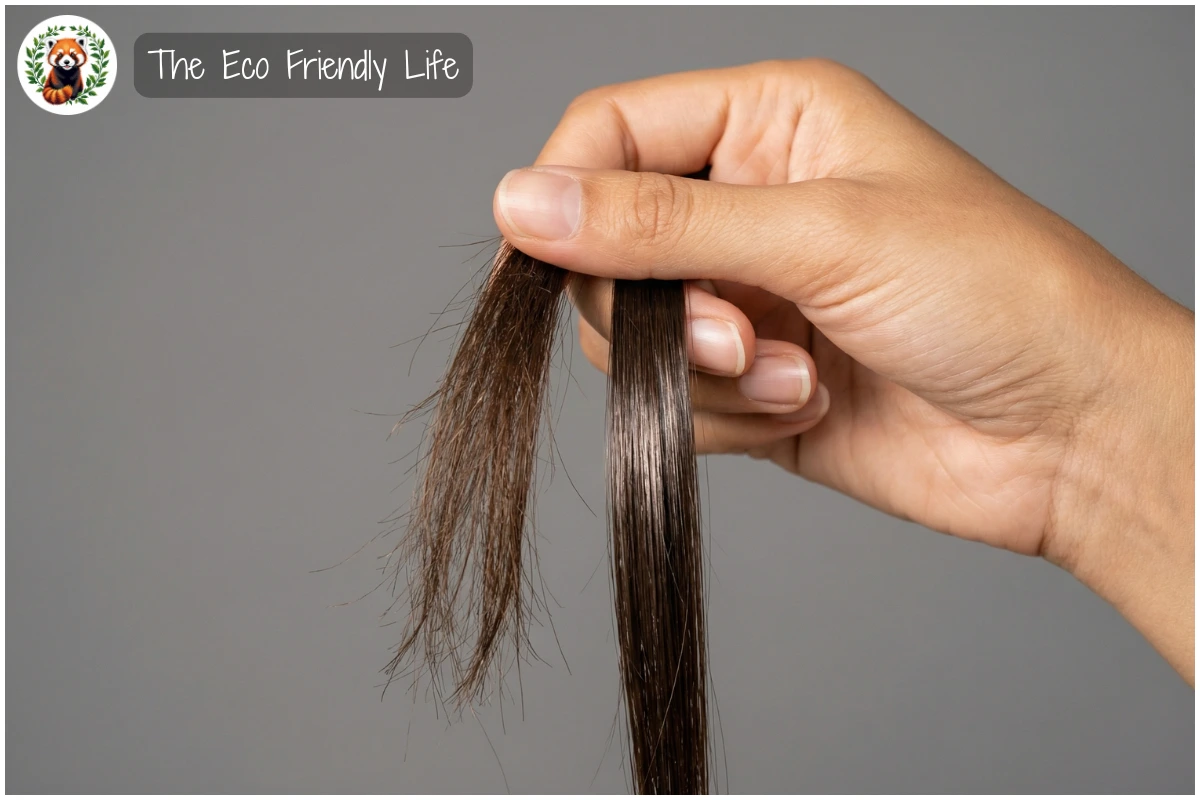
Stripping more than just dirt: Because sulfates bind so effectively to oil, they remove not just surface grime but also your scalp’s natural sebum — the oil it produces to moisturize and protect both the scalp and the hair shaft. Over time, this repeated stripping leaves hair feeling dry and brittle, and the scalp — in an attempt to compensate — begins overproducing oil, which accelerates the greasy feeling that prompts another wash. It becomes a cycle that is frustratingly self-reinforcing.
The moisture imbalance cycle: One of the most commonly reported experiences among people who switch away from sulfates is that their scalp gradually stops flip-flopping between bone dry and excessively oily. Sulfate-free shampoos preserve the scalp’s natural moisture barrier, giving the sebaceous glands time to self-regulate. The result, after the initial adjustment period, is hair that stays fresher for longer — a genuine quality-of-life improvement that also means washing less frequently.
Sensitive scalps and scalp conditions: For those with sensitive skin, eczema, or psoriasis, sulfates can trigger inflammation, redness, and itching on the scalp. Parabens add another layer of concern for sensitive individuals — they can cause allergic reactions and contribute to dryness and scalp irritation through repeated use. Many people who have long struggled with an itchy, flaky, or inflamed scalp without understanding why find real relief simply by removing these two ingredients from their routine.
Parabens and the hormone question: Beyond surface-level irritation, the deeper concern with parabens relates to their biological behavior. Research has identified parabens as potential endocrine disruptors, with evidence showing they can interfere with estrogen-related pathways in the body — raising concerns about their cumulative impact on hormonal balance with long-term, repeated exposure. While the science continues to evolve and individual responses vary, many health professionals advise choosing paraben-free products as a prudent step, particularly for children, pregnant women, and those with hormone-sensitive health conditions.
Color-treated and chemically processed hair: If you color your hair, sulfates are quietly working against your investment with every wash. Their aggressive action lifts the hair cuticle and accelerates color fade, dulling vibrancy and significantly shortening the life of hair dye. Sulfate-free formulas cleanse without penetrating as deeply, meaning color stays truer for longer — a practical financial benefit that, for regular color clients, can quickly offset the slightly higher cost of a cleaner product.
Understanding the impact on your hair and body is only part of the story. These ingredients don’t stay neatly confined to your shower drain — they travel far beyond it, and the environmental dimension is one that’s hard to set aside once you’re aware of it.
The Bigger Picture — Environmental Impact
From drain to waterway: Every time a conventional shampoo is rinsed away, its chemical ingredients pass through wastewater systems and eventually enter rivers, lakes, and oceans. Parabens have been classified as emerging environmental pollutants and detected globally across a wide range of water sources — including surface waters, river sediments, and marine organisms. Their prevalence in aquatic systems has become a serious concern among environmental scientists tracking the downstream effects of everyday consumer choices.
Pseudo-persistent pollution: Although parabens can biodegrade, they are released into the environment at a rate that far exceeds their natural breakdown — a quality that has earned them classification as pseudo-persistent pollutants, as documented in peer-reviewed research published in Nature. They have been detected across lakes, rivers, sediments, and drinking water globally, with recorded concentrations reaching up to 6 µg/L in drinking water sources and exceeding 100 µg/L in wastewater treatment plants. This continuous environmental presence means exposure can continue even for individuals who have long since switched to paraben-free products themselves.
The impact on aquatic ecosystems: The consequences for marine and freshwater life are measurable and serious. A 2024 systematic review spanning 128 sampling sites across six countries found parabens bioaccumulating in fish muscle, liver, brain, and reproductive organs — and inducing oxidative stress, endocrine disruption, neurotoxicity, reproductive impairment, and developmental abnormalities in both aquatic invertebrates and vertebrates. Research documented in the Nature article further identified six parabens and their metabolites in the water, sediments, and tissue of fish, sharks, invertebrates, and aquatic plants across Florida’s coastal waters, illustrating just how deeply these compounds have penetrated natural ecosystems.
Sulfates and aquatic toxicity: Although sulfates biodegrade more readily than parabens, they remain acutely toxic to aquatic life in concentrated form, with LC50 values for SLS in freshwater fish recorded between 1 and 14 mg/L across multiple studies. At the scale of global daily personal care use, even biodegradable chemicals create measurable ecological pressure — particularly in regions with less advanced wastewater treatment infrastructure where dilution and breakdown are less complete.
Clean choices, collective impact: Switching to sulfate-free and paraben-free shampoos is, in tangible terms, a decision to reduce the chemical burden you personally send down the drain with every wash. At an individual level it seems small — but multiplied across millions of daily showers worldwide, it represents a genuinely meaningful contribution to the health of our shared water systems. With the evidence clear and the motivation firmly in place, all that remains is knowing which products to reach for — and that’s exactly what we cover next.
Brands and Tools That Support the Planet — Our Recommendations
The clean hair care market has matured substantially in recent years, and there are now genuinely excellent sulfate-free, paraben-free shampoos available for every hair type, budget, and household. Whether you’re looking to address scalp health, protect color-treated hair, reduce your environmental footprint, or find something gentle enough for young children, the brands below deliver on all of it — no compromise required.
Our Retailer Recommendations for Adults
Divi Official
If the section on hair and scalp health resonated with you, Divi is worth a close look. Their entire shampoo range is formulated without sulfates, parabens, or harsh stripping agents, with a specific focus on restoring the scalp’s natural moisture balance. Their Hydrating Shampoo & Conditioner is dermatologist-tested and sits at the heart of a range that has collectively earned over 11,000 reviews for its ability to reduce dryness, support the scalp barrier, and improve overall hair health — making it one of the most well-evidenced clean options available. Ships internationally.
Function of Beauty
One of the most common barriers to switching is not knowing which formula will suit your specific hair. Function of Beauty removes that uncertainty entirely with fully customized, sulfate-free and paraben-free shampoos and conditioners built around your hair type, texture, and goals. Their personalized hair quiz generates a formula made specifically for you — a particularly smart solution for anyone who has tried and abandoned clean shampoos in the past because nothing quite worked for their hair. Ships to multiple countries worldwide.
WOW Skin Science
For those motivated by the environmental and scalp-rebalancing sections of this article, WOW Skin Science offers an accessible and globally available range of sulfate-free, paraben-free shampoos at an everyday price point. Their bestselling Apple Cider Vinegar Shampoo uses natural ACV to gently clarify the scalp, remove buildup from conventional products, and restore pH balance — making it one of the most recommended options for those just beginning the transition away from conventional formulas. Available via their India storefront and US storefront with international shipping.
Aveda
For those who connected with the environmental impact section, Aveda represents one of the most thorough answers in the clean hair care market. Every shampoo and conditioner in their range is formulated without sulfates or parabens, using sustainably sourced plant-based ingredients — and their packaging is made from post-consumer recycled materials. Aveda’s commitment runs from the formula through to the supply chain, making this a brand that takes the full environmental picture seriously, not just the ingredient label. Available globally through their website and salon partners worldwide.
Our Retailer Recommendations for Kids/Families
The Honest Company
As highlighted in the article, children are more vulnerable to chemical exposure than adults — which makes switching their products one of the most impactful places to start. The Honest Company was built specifically to address that concern, offering a full range of baby and kids’ personal care products free from sulfates, parabens, synthetic fragrances, and over 2,500 questionable ingredients. Their gentle, tear-free shampoo + body wash is dermatologist-tested and safe from birth, giving parents a trustworthy starting point for building a cleaner routine for their family. Available in the US with international shipping options.
Mustela
Founded in France in 1950 and now trusted by parents in over 70 countries, Mustela specializes in baby and children’s skincare and hair care formulated from natural ingredients, without parabens, sulfates, or harsh preservatives. Their hair care range includes sulfate-free cleansing products for newborns through to older children — such as the Gentle Shampoo for daily washing and detangling, and the Foam Shampoo for Newborns for sensitive scalps and cradle cap — with dermatologist- and pediatrician-tested formulas designed to respect delicate young skin and developing systems. One of the most globally accessible clean baby hair care brands available.
Having the right products in hand is a genuine head start. But knowing which products to buy is only part of the picture — understanding exactly how to make the transition smoothly, and what to expect in the first few weeks, is what sets a successful switch apart from a frustrating one. That’s precisely what the next section covers.
Making the Switch — What to Expect and How to Succeed
The adjustment period is real: One of the most common reasons people abandon sulfate-free shampoos within the first week is an unexpected and temporary transition period. After years of sulfate use, the scalp has been conditioned to overproduce oil to compensate for constant stripping. When sulfates are removed from the routine, it takes approximately four to six washes for sebum production to recalibrate to its natural rhythm. During this window, hair may feel heavier or greasier than usual — and this is entirely normal, not a sign the new product isn’t working.
Less lather does not mean less clean: The biggest mental shift required when switching to a sulfate-free shampoo is releasing the long-held belief that thick lather equals effective cleaning. Sulfate-free formulas use milder surfactants — often sugar-based compounds identifiable by the word “glucoside” on the label, or amino acid-derived alternatives — that lift and remove dirt and oil without the aggressive stripping action of SLS or SLES. Adding more water rather than more product is the key practical technique for getting the most from these gentler formulas.
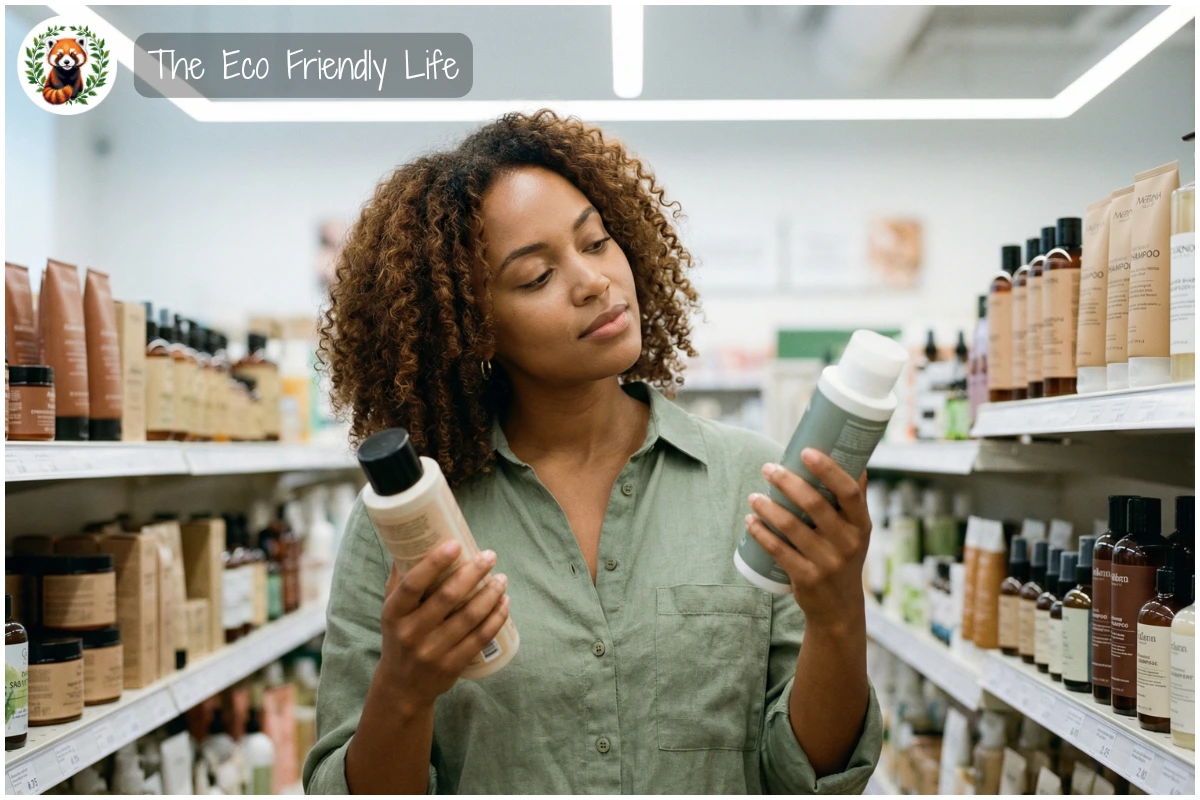
Step-by-step for a smoother transition: A few practical habits significantly improve the transition experience. Thoroughly saturating hair with water before applying any product helps gentler surfactants distribute and activate more effectively. Washing twice during the first several uses helps clear residual buildup left by previous products — a useful indicator is that the second application typically produces noticeably more lather than the first. Always follow with a sulfate-free, paraben-free conditioner applied to the lengths and ends only, then rinse thoroughly, to restore softness without weighing down the roots.
Address silicone buildup before you begin: If your current conditioners or styling products contain silicones — a very common ingredient in mainstream hair care — it’s worth doing one or two washes with a gentle clarifying shampoo before starting your new clean routine. Sulfate-free cleansers may not be strong enough to cut through accumulated silicone deposits, which can leave hair feeling coated or gummy and make a new formula appear ineffective. Clearing the slate first gives your cleaner product the best possible environment to perform from day one.
Finding the right formula for your hair type: One of the real advantages of the modern clean beauty market is the breadth of sulfate-free and paraben-free options now tailored to specific hair needs. Fine hair benefits from lightweight volumizing formulas; curly and coily hair thrives with richly moisturizing options containing plant butters and oils; oily scalps respond well to balancing formulas with ingredients like apple cider vinegar or tea tree; and color-treated hair has a wide selection of protective, color-safe options to choose from. There is a clean option for every hair type — finding yours simply requires knowing what to look for.
The practical reality of any meaningful lifestyle shift comes down to daily, repeatable decisions — small actions that, made consistently, add up to lasting change. To make that as easy as possible, we’ve condensed the most impactful steps into ten practical tips you can start using today, each with clear guidance on how to put them into action.
Practical Daily Tips You Can Action Today
Making the move to cleaner hair care is more manageable than it might seem. These straightforward steps will help you build a healthier routine one decision at a time.
| Tip | How to Implement It | Why It Helps |
|---|---|---|
| Read your current shampoo label | Check the ingredients list for SLS, SLES, methylparaben, ethylparaben, propylparaben, and butylparaben. | Awareness comes first — once you know what’s in your product, the motivation to replace it follows naturally. |
| Use the EWG Skin Deep database | Visit ewg.org/skindeep and search your current products before your next purchase. | Each product receives a safety score based on its ingredient profile, giving you a clear basis for comparing products. |
| Saturate hair fully before shampooing | Run water through your hair for 30–60 seconds before applying any product. | Thorough pre-wetting activates gentler surfactants and ensures more even product distribution. |
| Double-shampoo during the transition | Apply, rinse, then apply your sulfate-free shampoo a second time for the first few washes. | Helps lift residue from previous products; increased lather on the second wash shows it’s working. |
| Extend washes from daily to every 2–3 days | Let your scalp rest between washes as it adjusts to the new routine. | Less frequent washing allows the scalp to regulate natural oil production without repeated disruption. |
| Switch your conditioner at the same time | Swap to a sulfate-free, paraben-free conditioner alongside your shampoo. | Keeping silicone-heavy conditioners in your routine can reduce the new shampoo’s effectiveness and prolong the adjustment period. |
| Do a clarifying wash before switching | Use a gentle clarifying shampoo for one or two washes before starting your new clean product. | Removes silicone and product buildup so the new formula can work on a clean slate from day one. |
| Try a weekly scalp massage at wash time | Use your fingertips to massage the scalp in small circular movements for 3–5 minutes during washing. | Stimulates circulation, distributes natural oils, and supports a healthier scalp environment for new growth. |
| Prioritize your children’s products first | Begin the clean switch with your kids’ hair products before your own. | Children are more vulnerable to chemical exposure; their products are often the most impactful place to start. |
| Choose recyclable or refillable packaging | When selecting a new product, check whether the brand offers refills or uses post-consumer recycled materials. | Aligns your clean hair care choice with a broader commitment to reducing plastic waste and environmental impact. |
Small, consistent choices are the foundation of real change. Before we close, let’s answer some of the most common questions people have when making the switch.
FAQs
Will sulfate-free shampoo actually clean my hair properly?
Yes — sulfate-free shampoos are fully capable of cleaning hair effectively. They use milder surfactants that lift and remove dirt and oil without the aggressive stripping action of SLS or SLES, leaving the scalp genuinely clean with its natural moisture balance intact.
How long does the adjustment period last?
For most people, the scalp settles into its new balance within four to six washes, though those with particularly oily or product-coated hair may take a couple of weeks. Patience through this window is the single biggest factor in a successful transition.
Are sulfate-free and paraben-free shampoos suitable for all hair types?
Absolutely. Sulfate-free formulas are appropriate for every hair type — fine, curly, oily, color-treated, dry, and everything in between — and there are products specifically designed for each. The diversity of options in the clean beauty market makes it entirely possible to find the right match for your specific needs.
Do paraben-free products have a shorter shelf life?
Paraben-free products can have a somewhat shorter shelf life than conventional alternatives, as they rely on natural preservative systems. To extend their longevity, store products away from direct heat and moisture between uses, and check the “period after opening” symbol on the packaging for guidance.
Organizations to Support — Our Recommendations
If this article has sparked a deeper interest in the issues at play, there are meaningful ways to extend your commitment beyond your own bathroom shelf and contribute to the wider effort to make personal care safer for people and the planet.
- The Environmental Working Group (EWG) is a US-based nonprofit that advocates for stronger chemical safety regulations in everyday consumer products, including cosmetics and personal care. Their widely used Skin Deep database helps millions of consumers worldwide make safer product choices, and their policy campaigns push for systemic regulatory reform globally. You can directly support this work by donating to EWG — every contribution helps keep their independent research running.
- Breast Cancer Prevention Partners (BCPP), which runs the Campaign for Safe Cosmetics, works to eliminate harmful chemicals — including parabens and other endocrine-disrupting compounds — from beauty and personal care products through science, industry accountability, and legislative reform. Their campaigns have already led to major market-level changes in how personal care products are formulated across North America. You can support BCPP’s mission and help fund the work that protects consumers everywhere.
- The Plastic Soup Foundation is an international nonprofit based in the Netherlands that campaigns against chemical and plastic pollution in the world’s oceans and waterways — including the contamination caused by personal care product ingredients like parabens. Their work sits at the heart of the environmental concerns raised in this article. You can donate to Plastic Soup Foundation to help protect aquatic ecosystems from the ongoing pressure of everyday consumer chemicals.
Each of these organizations offers a meaningful way to translate personal values into collective action — and all accept donations directly through the links above.
Resources and Further Reading
For those who want to go deeper on any of the topics covered here, these trusted expert sources are an excellent place to start.
- The EWG Skin Deep database is the world’s leading consumer resource for checking the safety of personal care product ingredients. Search any product or individual ingredient to receive a detailed, science-backed safety rating — an invaluable tool for building a cleaner bathroom shelf with confidence.
- The Campaign for Safe Cosmetics’ chemicals of concern guide provides a comprehensive, accessible breakdown of the most widely used chemicals in personal care products — including sulfates and parabens — with plain-language explanations of health concerns alongside guidance on safer alternatives for every product type.
- The peer-reviewed article “Ecotoxicological Impacts of Parabens on Flora and Fauna,” published in Nature in 2025, is one of the most current and thorough scientific overviews available on how parabens accumulate in and harm aquatic ecosystems — essential reading for anyone wanting to understand the environmental science behind the everyday choices explored in this article.
These three resources together offer a credible and well-rounded foundation for building a genuinely informed approach to your hair care routine going forward.
Our Related Articles
A Guide To Choosing Non-Toxic Makeup
Navigating the world of beauty products can feel overwhelming, especially when you start to uncover the hidden ingredients lurking in your favorite lipsticks and foundations….
Read More
Understanding Natural Approaches To Health And Beauty
In today’s world, the conversation around health and beauty has shifted dramatically. Rather than chasing quick fixes or unproven trends, people worldwide are rediscovering what…
Read More
What Does It Mean To Live A Green Lifestyle?
A green lifestyle represents a conscious commitment to making daily choices that minimize environmental harm and promote the health of our planet. Living sustainably means…
Read MoreConclusion
Switching to sulfate-free and paraben-free shampoos is one of the simplest, most repeatable steps available to anyone interested in living more consciously — for their own health and for the health of the environment. Sulfates strip the scalp of the natural oils it needs to thrive, parabens introduce chemical exposure with potential hormonal implications, and both find their way into the water systems that sustain aquatic ecosystems across the globe. The alternatives, as this article has shown, are not just safer — for most people, they deliver genuinely better results once the transition period has passed. Clean hair care is no longer a niche or difficult pursuit; it is accessible, effective, and available for every hair type and budget worldwide.
If you’ve been on the fence, let this be the nudge you needed. Start small — flip over your current bottle, check one ingredient, and try one new product. Your hair, your scalp, and the planet will all benefit from the decision.
Have you already made the switch to sulfate-free or paraben-free hair care, or are you just starting to consider it? What’s been your biggest challenge or your biggest surprise along the way? Share your experience in the comments below — your story could be exactly what someone else needs to take that first step.