

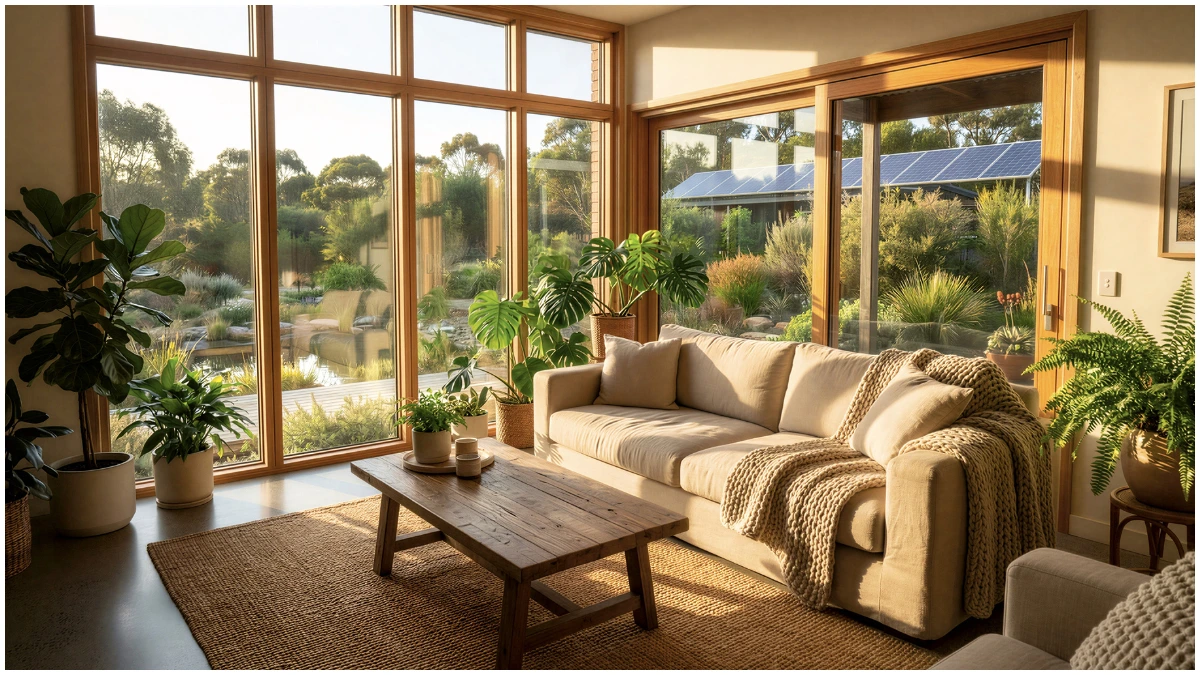

Keeping our homes comfortable while reducing our environmental impact has become one of the most important challenges of modern living. As energy costs rise and climate concerns grow more urgent, homeowners around the world are turning to sustainable solutions that can dramatically improve energy efficiency while treading more lightly on the planet. Eco-friendly insulation and energy-efficient windows represent two of the most impactful upgrades you can make to your home, offering benefits that extend far beyond lower utility bills. With up to 40% of a home’s heating energy lost through windows alone, making informed choices about these building elements can transform your living space into an energy-efficient sanctuary.
I’m Katrina, and I’m thrilled to welcome you to this deep dive into the world of sustainable home improvements. Whether you’re building a new home, planning a renovation, or simply looking for ways to make your existing space more comfortable and environmentally responsible, the choices you make about insulation and windows can have lasting effects for decades to come. Join me as we explore the latest innovations, natural materials, and practical strategies that can help protect our planet for future generations while keeping your home comfortable year-round.
Understanding Natural and Recycled Insulation Materials
The shift away from petrochemicals: Traditional insulation materials like fibreglass and polystyrene have long dominated the building industry, but their production involves significant energy consumption and releases harmful greenhouse gases. Today’s eco-conscious homeowners have access to an impressive range of alternatives made from natural, renewable, and recycled materials that perform just as well—or better—than their conventional counterparts. These materials not only insulate effectively but often provide additional benefits such as moisture regulation, acoustic dampening, and improved indoor air quality. Natural-based insulations offer solutions with low to negligible embodied energy compared to synthetic alternatives that may make their use counterproductive from a climate perspective.
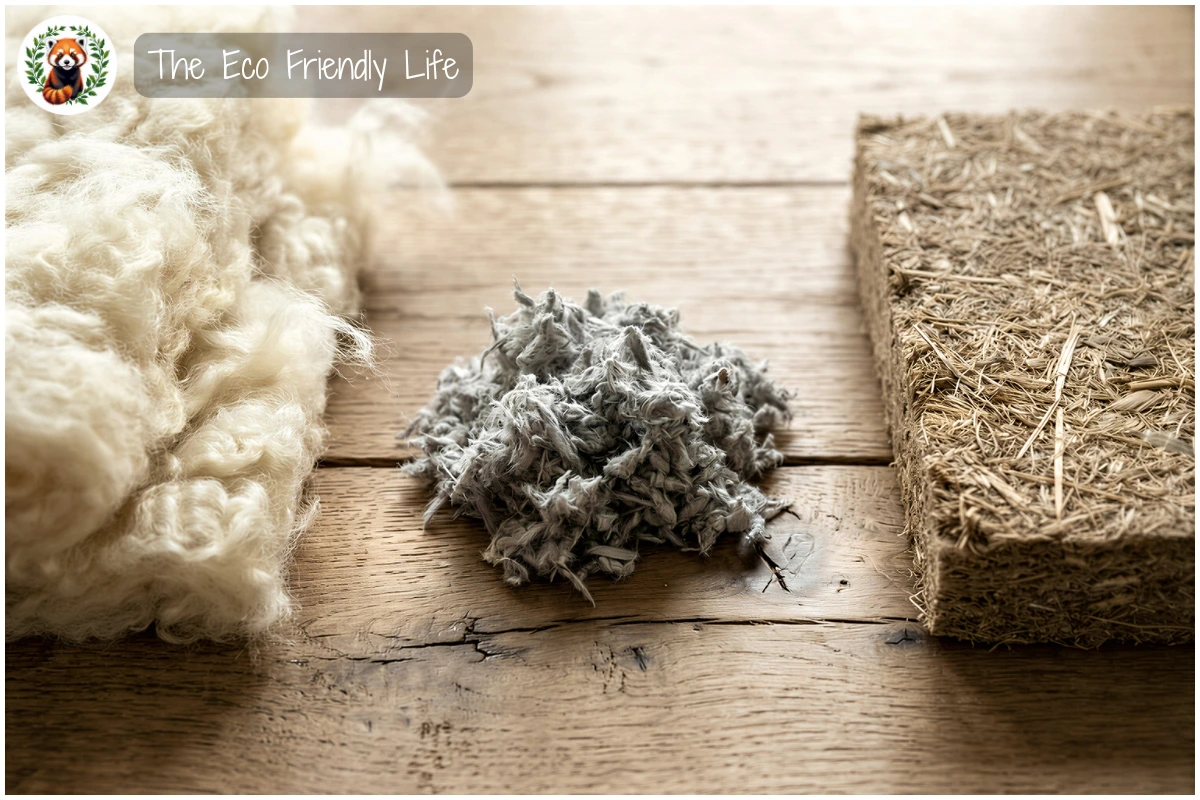
Cellulose insulation from recycled paper: One of the most accessible and affordable eco-friendly options, cellulose insulation is manufactured from up to 85% recycled paper products, primarily post-consumer newspapers and cardboard. The paper fibres are treated with natural mineral borates that provide fire resistance, pest deterrence, and mould prevention. With an R-value of approximately 3.2-3.8 per inch, cellulose performs comparably to conventional materials while diverting waste from landfills and requiring significantly less energy to produce than fibreglass. The dense-pack installation process allows the material to fill cavities completely, reducing thermal bridging and air infiltration while preventing settlement over time.
Sheep wool as nature’s insulator: Sheep wool insulation represents one of the most sustainable choices available, requiring less than 15% of the energy needed to produce fibreglass insulation. This renewable material is shorn twice yearly and regrows naturally, creating a continuous supply without harming the animals. Wool’s unique properties allow it to absorb up to 33–35% of its weight in moisture without losing insulation effectiveness, naturally regulate humidity, and even neutralise certain indoor pollutants like formaldehyde through its keratin protein component. The material is fire-resistant, biodegradable at the end of its useful life, and maintains thermal conductivity values between 0.032 and 0.044 W/mK depending on density and composition.
Hemp and hempcrete innovations: Hemp fibre insulation has emerged as a viable option in sustainable building. Hemp is a fast-growing crop that absorbs substantial amounts of carbon dioxide during growth, with cultivation of one metric tonne of industrial hemp sequestering 1.37 to 1.6 metric tonnes of CO₂. Hempcrete, which combines hemp fibres with lime and water, can result in sequestering up to 10 kg of CO₂ per square metre of wall insulation in optimal conditions. Research confirms that hemp-based boards exhibit carbon footprints of -2.302 kg CO₂ equivalent per square metre—genuinely carbon-negative materials that offer superior moisture management, mould resistance, and non-toxic properties.
The benefit of these natural insulation options lies not only in their environmental credentials but also in their contribution to healthier indoor living spaces. Unlike some synthetic insulations that can off-gas volatile organic compounds, natural materials create breathing walls that help maintain optimal humidity levels and superior air quality throughout the year. Now let’s explore the other critical component of your home’s thermal envelope: energy-efficient windows and the technologies that make them perform.
Energy-Efficient Window Technologies
The science of keeping heat where you want it: Windows are critical components of any home’s thermal envelope, yet they’re also significant weak points where heat can easily escape or enter. Traditional single-glazed windows can lose up to 40% of a home’s heating energy and allow up to 87% of heat to be gained through them, making window upgrades one of the most impactful improvements you can make. Modern energy-efficient windows employ multiple technologies working together to dramatically reduce heat transfer while maintaining natural light and views.
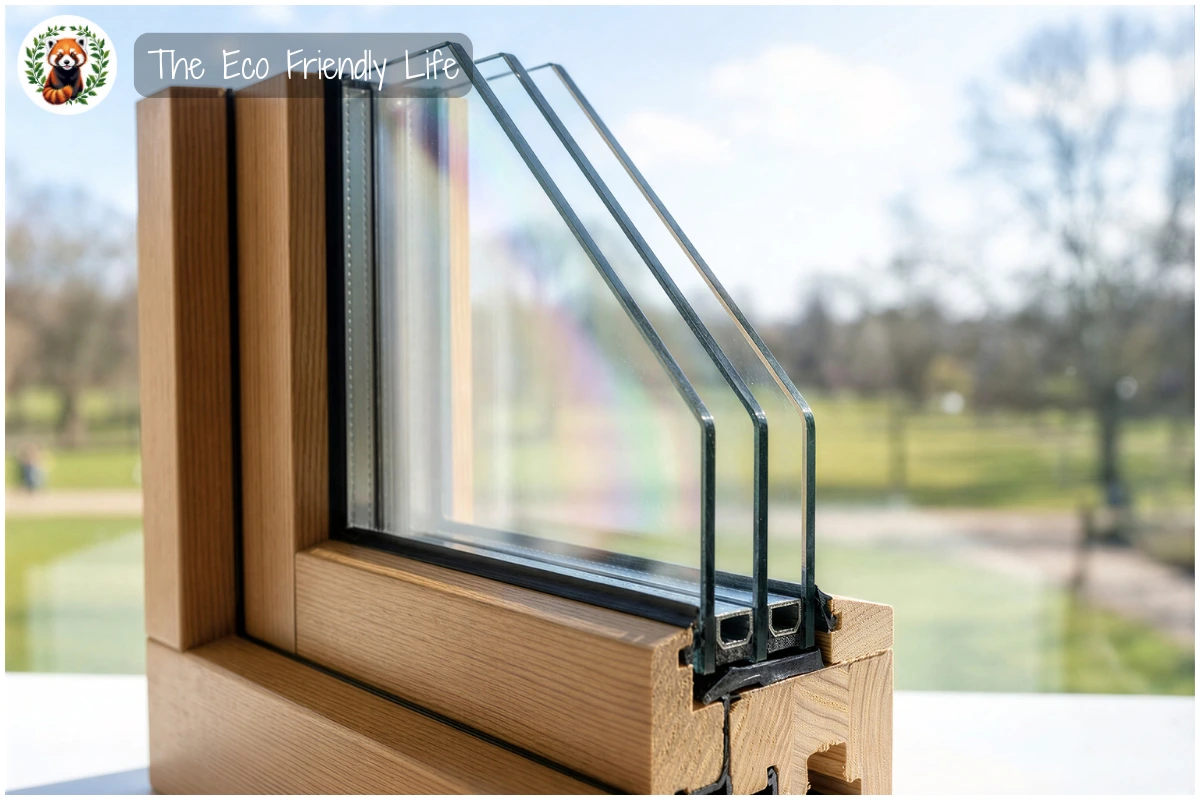
Double and triple glazing explained: The fundamental principle behind energy-efficient windows is creating insulating barriers between indoor and outdoor environments. Double-glazed windows feature two panes of glass separated by an air or gas-filled cavity, while triple-glazed windows add a third pane for even greater insulation. Replacing single-glazed windows with triple glazing reduces heat loss by approximately 90%, while double glazing achieves around 75% reduction. Triple-glazed windows typically achieve U-values of 0.8 to 1.6 W/m²K compared to around 5 W/m²K for single glazing—the lower the U-value, the better the insulation performance.
Low-emissivity glass coatings: Low-E (low-emissivity) coatings represent one of the most significant advances in window technology. These microscopically thin, virtually invisible metallic oxide layers are applied directly to glass surfaces and can reduce energy loss by 30% to 50% while costing only 10-15% more than standard glazing. Low-E coatings work by reflecting infrared radiation—heat—back toward its source while still allowing visible light to pass through. With an estimated 40–70% of building energy loss occurring through windows and doors, and 90% of window energy loss occurring through the glass itself, these coatings have proven valuable for building efficiency.
Frame materials matter: The thermal performance of windows depends on both the glazing and the frame material. uPVC and timber frames offer superior insulation compared to standard aluminium, which conducts heat readily. uPVC frames are naturally good insulators, require minimal maintenance, and are often more affordable than alternatives. Timber frames provide excellent thermal performance and a classic aesthetic but require regular upkeep. Modern thermally broken aluminium frames incorporate a layer of non-conductive material to reduce heat transfer, combining strength with improved efficiency.
Understanding these technologies empowers you to make informed choices about window upgrades. The right combination of glazing, coatings, and frame materials can transform drafty, uncomfortable rooms into consistent, energy-efficient living spaces. Let’s now explore even more advanced glazing solutions and the critical role that proper installation plays in achieving optimal performance.
Advanced Glazing Solutions and Installation Considerations
Vacuum insulated glazing represents the future: While double and triple glazing have become increasingly common, vacuum insulated glazing (VIG) represents the latest advancement in window technology. VIG units achieve remarkable thermal performance by creating a vacuum between two glass panes, eliminating the medium through which heat normally transfers. These innovative units provide thermal insulation three to five times better than conventional insulating glass units, with centre-of-pane U-values as low as 0.33 W/m²K achievable in laboratory conditions. Despite being only about 8.3mm thick, VIG makes it ideal for heritage building retrofits where maintaining original window profiles is essential.
Gas fills and their performance benefits: The inert gases used between window panes play a crucial role in thermal performance. Argon gas has a thermal conductivity of 0.016 W/m·K—approximately 33% lower than air at 0.026 W/m·K. Double-glazed windows with argon filling can improve thermal efficiency by 20-30% compared to air-filled units. Adding argon to double-glazed windows with low-E coating reduces the U-factor by 17%, while krypton can achieve up to 25% reduction due to its even lower thermal conductivity of 0.009 W/m·K. For optimal performance, units should maintain argon levels above 90% to achieve their rated U-values.
Smart glazing and electrochromic windows: Emerging technologies include electrochromic (EC) smart windows that can dynamically adjust their tint level in response to conditions or user preferences. These windows can achieve energy savings of 17-23% compared to conventional low-E glazed windows while maintaining visual comfort throughout buildings. Though currently more expensive than static options, smart windows offer particular benefits in commercial applications and homes with significant solar exposure, with solar heat gain coefficients adjustable to block up to 86% of solar thermal energy when needed.
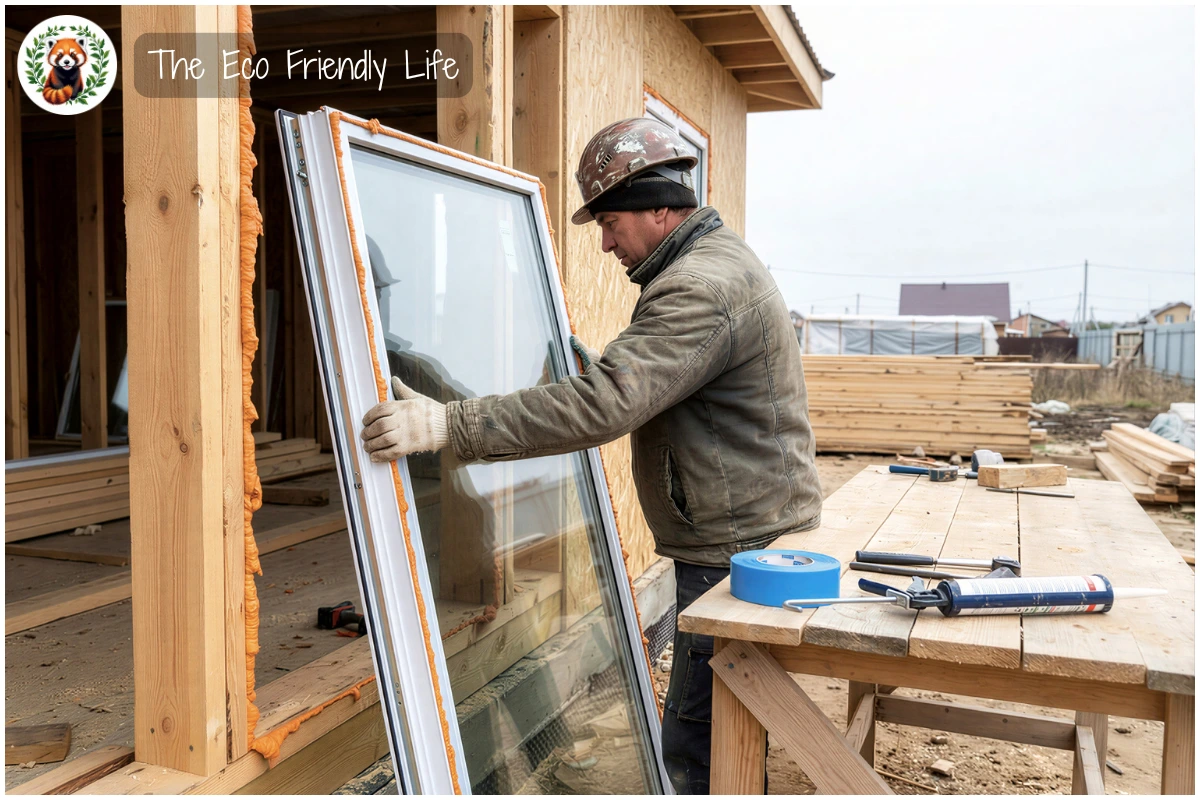
Installation quality determines performance: Even the highest-performing windows will underperform if poorly installed. Proper installation requires careful attention to air sealing, ensuring no gaps exist between the window frame and the building structure. Using appropriate sealants, maintaining proper clearances, and following manufacturer specifications are essential for achieving rated performance levels. The Passive House standard requires airtightness of 0.6 air changes per hour at 50 Pascals pressure—far tighter than typical new construction—demonstrating how critical proper sealing is for energy efficiency.
The investment in high-performance windows and proper installation pays dividends throughout the life of your home. Beyond immediate energy savings, quality windows enhance comfort, reduce condensation issues, improve sound insulation, and can increase property values. Speaking of investments, let’s look at some retailers who share these sustainability values and can help you source quality products for your eco-friendly home improvements.
Brands and Tools That Support the Planet — Our Recommendations
When choosing products for sustainable home improvements, supporting retailers that share your environmental values multiplies the positive impact of your purchase. The following recommendations offer both quality products and genuine commitment to sustainability, giving you confidence that your investment supports businesses working toward a greener future.
Our Retailer Recommendation for Adults
EcoHome Insulation – Specialist Multifoil Insulation Solutions
EcoHome Insulation is the UK’s leading distributor of multifoil insulation products, specialising in high-performance reflective insulation solutions for roofs, walls, floors, conservatories, and garden buildings. Their bestselling EcoQuilt Expert Multifoil is a thin, flexible, and easy-to-install insulation material ideal for DIY projects, designed to reflect heat back into your home during winter and keep excess heat out during summer. EcoHome Insulation ships throughout the UK with free next-day delivery on orders over £100, and also delivers to Europe and offshore locations, making their specialist insulation products accessible to a wider audience.
Our Retailer Recommendation for Kids/Families
Green Kid Crafts – Teaching Sustainability Through Play
For families looking to introduce sustainability concepts to children, Green Kid Crafts offers award-winning subscription boxes that combine STEAM education with environmental awareness. Each monthly box includes eco-friendly, non-toxic craft materials and activities that teach children aged 2-10+ about topics like renewable energy, conservation, and sustainable living—including projects about home efficiency and building envelope concepts. The company plants one tree for every order placed, ships internationally, and uses 100% recycled packaging materials, allowing families to reduce waste while learning together about how to live sustainably.
Making conscious choices about where we shop allows our purchasing power to support companies actively working toward environmental solutions. Every sustainable purchase creates ripple effects throughout supply chains and business communities. Now, let’s explore the practical considerations you should weigh when planning your own home upgrade projects.
Practical Considerations for Your Home Upgrade
Assessing your current thermal envelope: Before investing in new insulation or windows, understanding your home’s existing thermal performance helps prioritise improvements effectively. Signs of inadequate insulation include rooms that are difficult to heat or cool, drafts near windows and doors, ice dams on roofs during winter, and high energy bills relative to similar homes. Professional energy audits can identify specific problem areas using thermal imaging cameras, while simple DIY checks like feeling for temperature differences near external walls and windows provide useful initial information for planning your upgrades.
Matching materials to climate conditions: The ideal insulation and window specifications vary significantly depending on your local climate. Homes in predominantly cold regions benefit most from high R-value insulation throughout the building envelope and windows with low U-factors that minimise heat loss. In warm climates, low solar heat gain coefficient (SHGC) windows that reflect more solar radiation become priorities.—some solar glass can achieve SHGC values as low as 0.14, meaning 86% of solar thermal energy is reflected away. The U.S. Department of Energy provides comprehensive guidance on selecting appropriate products for different climate zones.
The importance of air sealing: Insulation performance depends heavily on controlling air movement through the building envelope. Even the best insulation materials cannot compensate for air leaks that allow warm or cool air to escape freely. Before or alongside insulation upgrades, addressing gaps around windows, doors, electrical outlets, plumbing penetrations, and other openings with appropriate caulking and weatherstripping maximises the effectiveness of your investment. Cellulose insulation’s dense-pack installation can achieve excellent air sealing when installed to proper density specifications of 3.5 to 4.5 lb/ft³.
Balancing performance with budget: Sustainable upgrades don’t require unlimited budgets. Staged improvements—starting with air sealing, then adding insulation to accessible areas like attics and underfloors, followed by window upgrades over time—can achieve substantial benefits within practical financial constraints. Look for rebates and incentives from local utilities, government programs, and manufacturers that can significantly offset costs. Double glazing can reduce window heat loss by 74% and potentially save between £50-175 annually on energy bills, making the investment increasingly attractive over time.
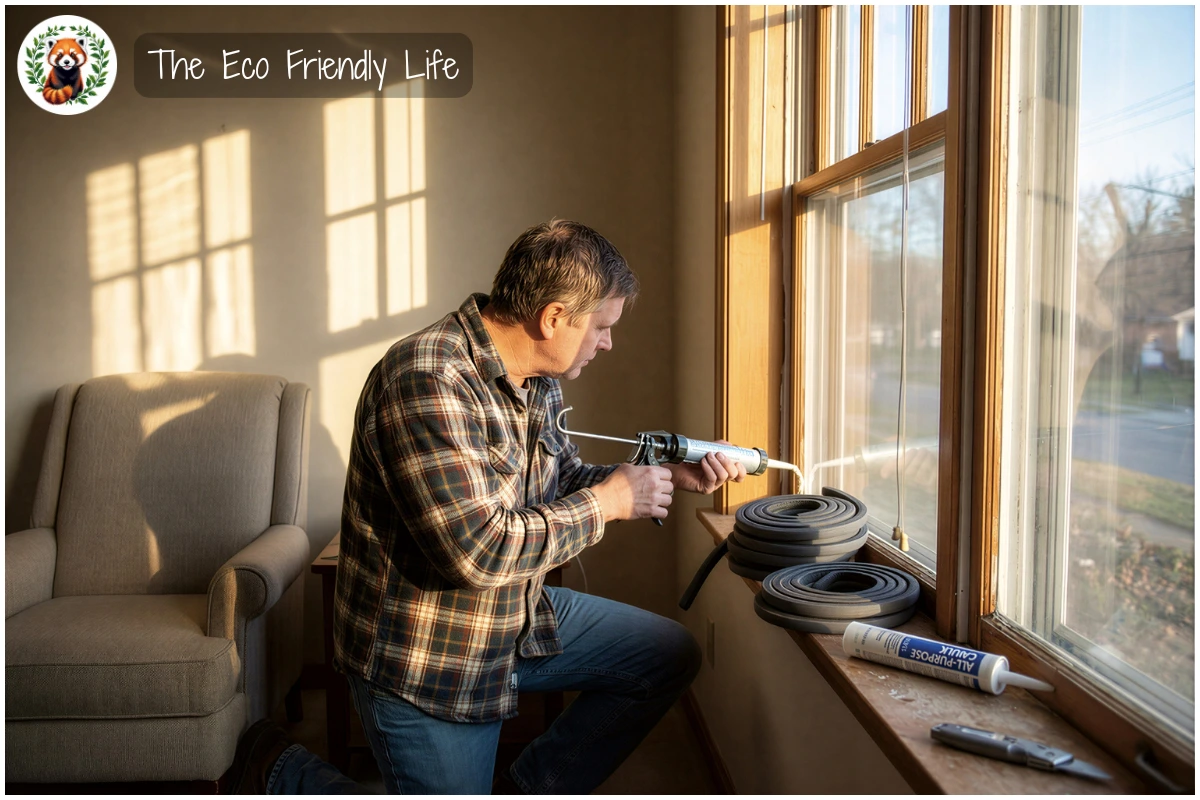
Taking time to plan and prioritise improvements ensures your investment delivers maximum comfort and energy savings. Starting with the fundamentals—air sealing and insulation—before moving to more expensive window upgrades often provides the best return on investment. While you’re planning larger projects, there are also many simple actions you can take immediately to improve your home’s thermal performance.
Practical Daily Tips You Can Action Today
Simple changes in how you manage your home’s thermal performance can reduce energy consumption immediately while you plan larger upgrades.
| Tip | How to Implement | How It Helps |
|---|---|---|
| Apply weatherstripping to doors and windows | Purchase self-adhesive foam or rubber strips and apply around all exterior door and window frames | Reduces drafts and prevents heated or cooled air from escaping through gaps |
| Install heavy curtains or thermal blinds | Choose lined curtains or cellular blinds for windows; close them at night and during extreme temperatures | Creates an additional insulation layer, reducing heat transfer through glass by up to 25% |
| Use door draft stoppers | Place fabric or foam draft blockers at the base of exterior doors | Blocks cold air infiltration and keeps conditioned air inside |
| Seal gaps around electrical outlets | Apply foam gasket insulators behind outlet covers on external walls | Stops air leakage through these common penetration points |
| Apply window insulation film | Purchase a window insulation kit with shrink film and double-sided tape; apply to interior window frames | Creates a secondary glazing effect, improving insulation at minimal cost |
| Add rugs to uncarpeted floors | Place area rugs on hard floors, especially over cold concrete or suspended timber | Provides insulation underfoot and reduces heat loss through floors |
| Maintain your heating and cooling systems | Replace filters regularly and schedule annual professional servicing | Ensures systems run efficiently, reducing energy waste |
| Use ceiling fans strategically | Run fans counterclockwise in summer for cooling breeze; clockwise at low speed in winter to push warm air down | Improves comfort and reduces reliance on heating and cooling systems |
| Close off unused rooms | Shut doors to seldom-used rooms and close their heating vents | Concentrates conditioned air where you need it most |
| Monitor and adjust thermostat settings | Lower heating by 1-2 degrees and raise cooling by the same amount; use programmable or smart thermostats | Each degree adjustment can save approximately 3% on energy bills |
These simple adjustments cost little or nothing yet can noticeably improve comfort and reduce energy consumption. Implementing them while planning larger improvements keeps you progressing toward a more efficient home. You likely still have questions about eco-friendly insulation and windows, so let’s address some of the most common queries.
FAQs
Here are answers to common questions about eco-friendly insulation and windows.
What R-value of insulation do I need for my home?
Required R-values vary by climate zone and building element. Generally, attics need R-38 to R-60, walls R-13 to R-21, and floors R-25 to R-30, but check your local building codes for specific requirements as they account for regional climate conditions.
How much can I save by upgrading to energy-efficient windows?
Upgrading from single-glazed to double-glazed windows can reduce window heat loss by approximately 74%, potentially saving £50-175 annually depending on your climate and energy costs, while triple glazing can reduce heat loss by up to 90%.
Is natural insulation like sheep wool worth the extra cost?
Natural insulations often cost more initially but provide benefits including better moisture management (absorbing up to 35% of their weight without losing effectiveness), improved indoor air quality through pollutant absorption, longer lifespan, and lower environmental impact.
Can I install eco-friendly insulation myself?
Many eco-friendly insulations like cellulose batts, sheep wool, and hemp batts are DIY-friendly and safe to handle without protective equipment. Blown-in insulation typically requires professional equipment, though many suppliers offer rental options for capable DIYers.
Organizations to Support – Our Recommendations
Supporting organisations working toward sustainable building and climate solutions amplifies the impact of your individual choices.
- Habitat for Humanity operates ReStores around the world that accept donations of building materials, furniture, and household goods, keeping usable items out of landfills while funding affordable housing construction. Donated materials often include windows, doors, and insulation that can find new life in other homes. Learn more and find your local donation centre at Habitat ReStore’s donation page.
- Rocky Mountain Institute (RMI) works globally to transform energy use in buildings, transportation, and industry. Their Carbon-Free Buildings program focuses on policies and technologies to make buildings more efficient and powered by clean energy, including research on advanced insulation and window technologies. Support their work at RMI’s donation page.
- 350.org is a global grassroots climate movement working to end the fossil fuel era and build a world of community-led renewable energy. Their campaigns include advocating for energy-efficient buildings as part of comprehensive climate solutions. Contribute at 350.org’s donation page.
Your support helps these organisations continue their vital work toward a more sustainable built environment and a healthier planet.
Resources and Further Reading
Deepening your understanding of sustainable building practices empowers better decision-making for your home improvements.
- U.S. Department of Energy’s Energy Saver provides comprehensive guides on windows, doors, and skylights including how to evaluate energy performance ratings, understand U-factors and SHGC, and select appropriate products for your climate zone.
- Passive House Institute offers detailed technical resources on achieving ultra-low energy buildings, including specifications for thermal insulation and window performance that represent the gold standard for energy-efficient construction.
- Green Building Advisor features extensive articles, forums, and expert advice on insulation choices covering everything from material comparisons to installation techniques, helping homeowners and professionals make informed decisions.
These resources represent some of the most authoritative sources available for learning about sustainable building practices and can guide you through even complex renovation projects.
Our Related Articles
How To Make Your Home Energy-Efficient
Rising energy costs and growing environmental concerns are driving more people than ever to rethink how they power their homes. The good news? Making your…
Read More
What Is A Sustainable Home?
The way we build and inhabit our homes has a profound impact on the planet. From the energy we consume to the materials we use,…
Read MoreConclusion
Transforming your home with eco-friendly insulation and energy-efficient windows represents one of the most meaningful investments you can make—for your comfort, your finances, and our shared environment. From cellulose made of recycled newspapers to sheep wool that regulates moisture naturally, and from triple-glazed windows with low-E coatings to vacuum insulated glazing that rivals wall performance, today’s sustainable building products deliver solid results while minimising environmental impact.
The journey toward a more efficient home doesn’t require doing everything at once. Start with air sealing and the tips you can implement today, then progressively address insulation and windows as budget and circumstances allow. Every improvement reduces energy consumption, lowers carbon emissions, and enhances the comfort of your living space.
What’s the first sustainable upgrade you’re planning for your home? Have you already made improvements that transformed your energy bills or comfort levels? Share your experiences and questions in the comments below—your insights could help others on their own journey toward more sustainable living.