

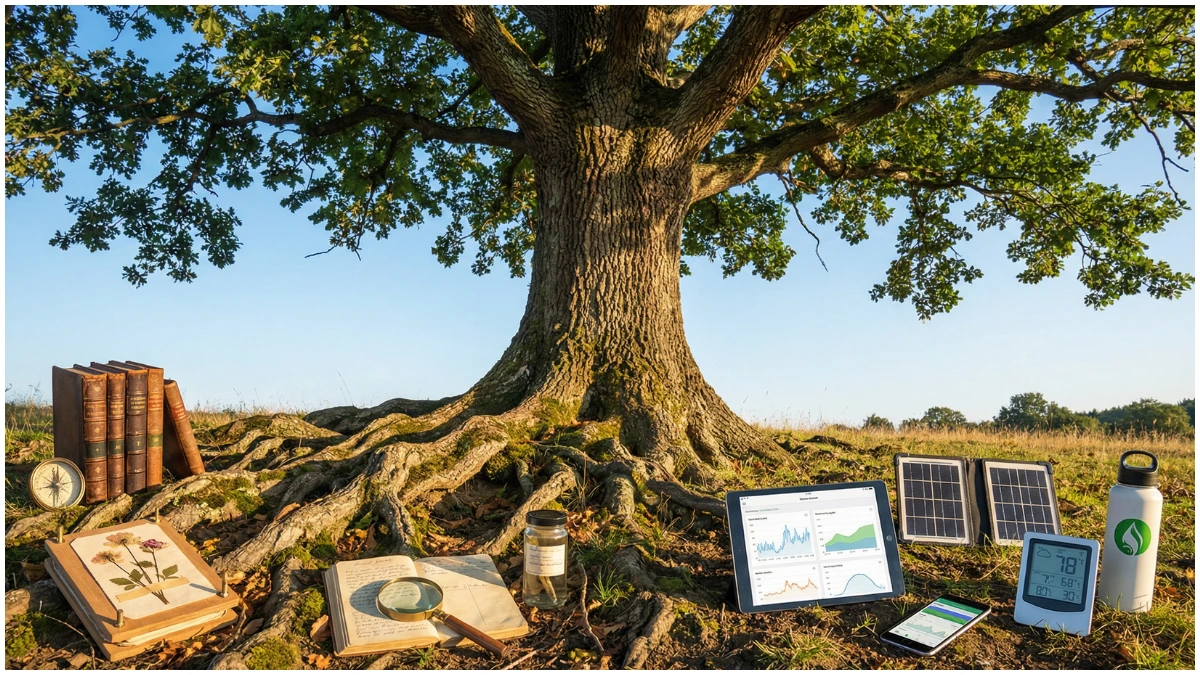

Environmental education didn’t appear overnight—it evolved through decades of growing awareness, global collaboration, and shifting priorities about our relationship with the natural world. From early nature study movements to today’s technology-driven sustainability programs, the journey of environmental education reflects humanity’s deepening understanding of our interconnected planet. What began as simple outdoor learning has transformed into a sophisticated, multidisciplinary approach that addresses climate change, conservation, and sustainable development across every corner of the globe.
I’m Al, and like many of you, I’ve spent years trying to live more sustainably while understanding the systems that shape our environmental future. Environmental education has been my gateway to making sense of complex ecological challenges and finding practical ways to make a difference. Whether you’re an educator, parent, student, or simply someone curious about how we’ve arrived at our current approach to teaching environmental awareness, this article will walk you through the pivotal moments, influential declarations, and modern innovations that have shaped how we learn about—and care for—our planet.
The Early Roots of Environmental Learning
From Philosophy to Practice: The foundation of environmental education stretches back to 18th-century philosopher Jean-Jacques Rousseau, who argued in his work “Emile: or, On Education” that learning should focus on the environment itself. This revolutionary idea challenged traditional book-based education and planted seeds for experiential learning. By the 1800s, Swiss naturalist Louis Agassiz echoed this philosophy with his famous directive to students: “Study nature, not books.” These early thinkers recognized that direct interaction with the natural world offered irreplaceable educational value.
The Nature Study Movement: The late 19th and early 20th centuries witnessed the birth of the nature study movement, formalized when Wilbur Jackman wrote “Nature Study for the Common Schools” in 1891. This movement integrated academic learning with outdoor exploration, encouraging students to observe, question, and understand their local ecosystems. Nature study programs spread across schools, establishing the precedent that environmental learning belonged in formal education settings.
Conservation Education Era: The devastating Dust Bowl of the 1930s marked another turning point, giving rise to conservation education programs across America. As wind erosion destroyed farmland and displaced communities, the urgent need to teach resource management and environmental stewardship became undeniable. Government agencies like the U.S. Forest Service championed conservation education, teaching citizens about sustainable land use and the consequences of environmental neglect. This era demonstrated that environmental education could serve as a tool for addressing real-world ecological crises.
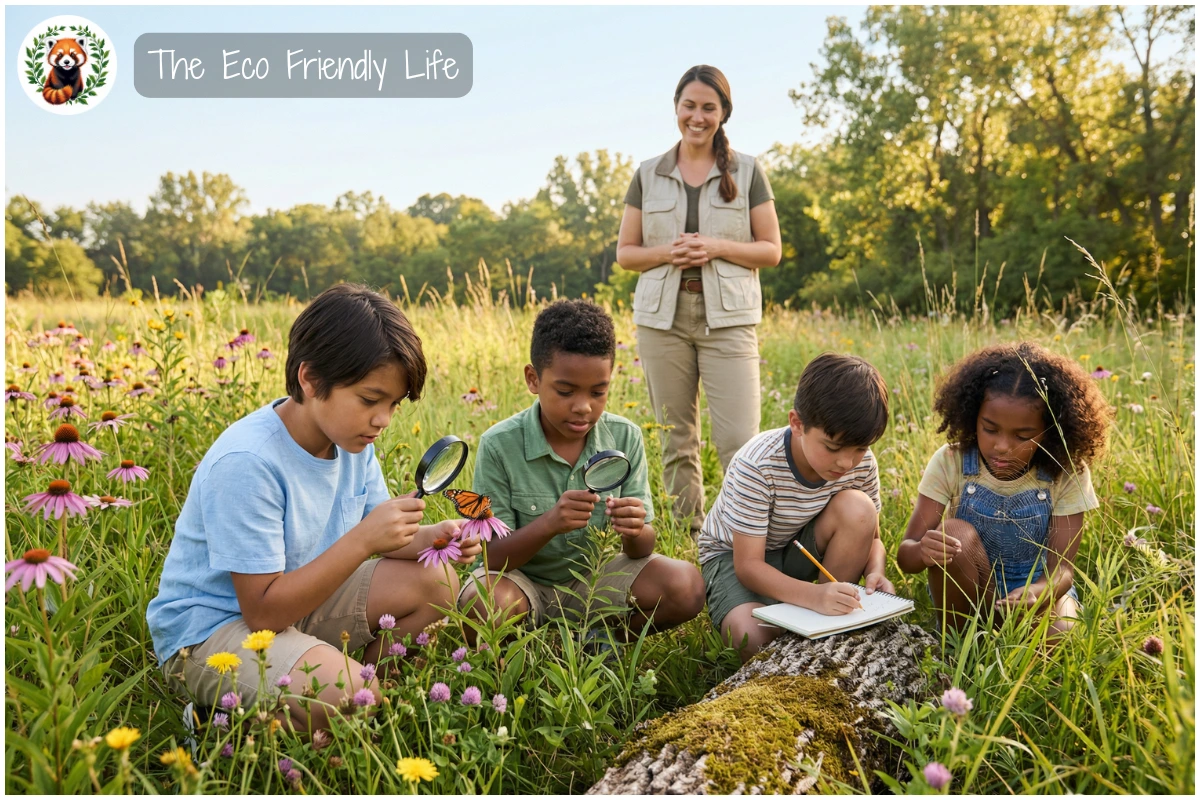
These early foundations established key principles that continue today: learning should involve direct environmental interaction, understanding our impact on nature matters, and education can drive behavioral change. As we moved into the mid-20th century, these scattered efforts would coalesce into a recognized global movement with formal definitions and institutional support.
The Birth of Modern Environmental Education
Defining the Field: The term “environmental education” entered professional discourse in 1965 when Dr. W.L. Stapp of Wales used it at a Paris meeting of the International Union for the Conservation of Nature. This marked the first formal recognition of environmental education as a distinct discipline. Just four years later, in 1969, James A. Swan authored one of the first articles about environmental education as a new movement in the Phi Delta Kappan, and William B. Stapp published the first definition of environmental education in The Journal of Environmental Education. These academic contributions legitimized the field and provided frameworks for implementation.
Earth Day and Legislative Action: On April 22, 1970, twenty million Americans participated in the first Earth Day, creating a watershed moment for environmental awareness. This massive public demonstration of environmental concern catalyzed political action. Later that year, U.S. President Nixon passed the National Environmental Education Act, mandating the incorporation of environmental education into K-12 schools. The legislation transformed environmental learning from an optional enrichment activity into an expected component of public education.
Institutional Development: The establishment of the National Association for Environmental Education (now the North American Association for Environmental Education) in 1971 created crucial infrastructure for the field. This organization provided resources for teachers, promoted environmental education programs, and worked to improve environmental literacy nationwide. During the 1970s, foundational programs like Project Learning Tree were developed, offering educators ready-made, interdisciplinary activities to teach environmental concepts effectively.
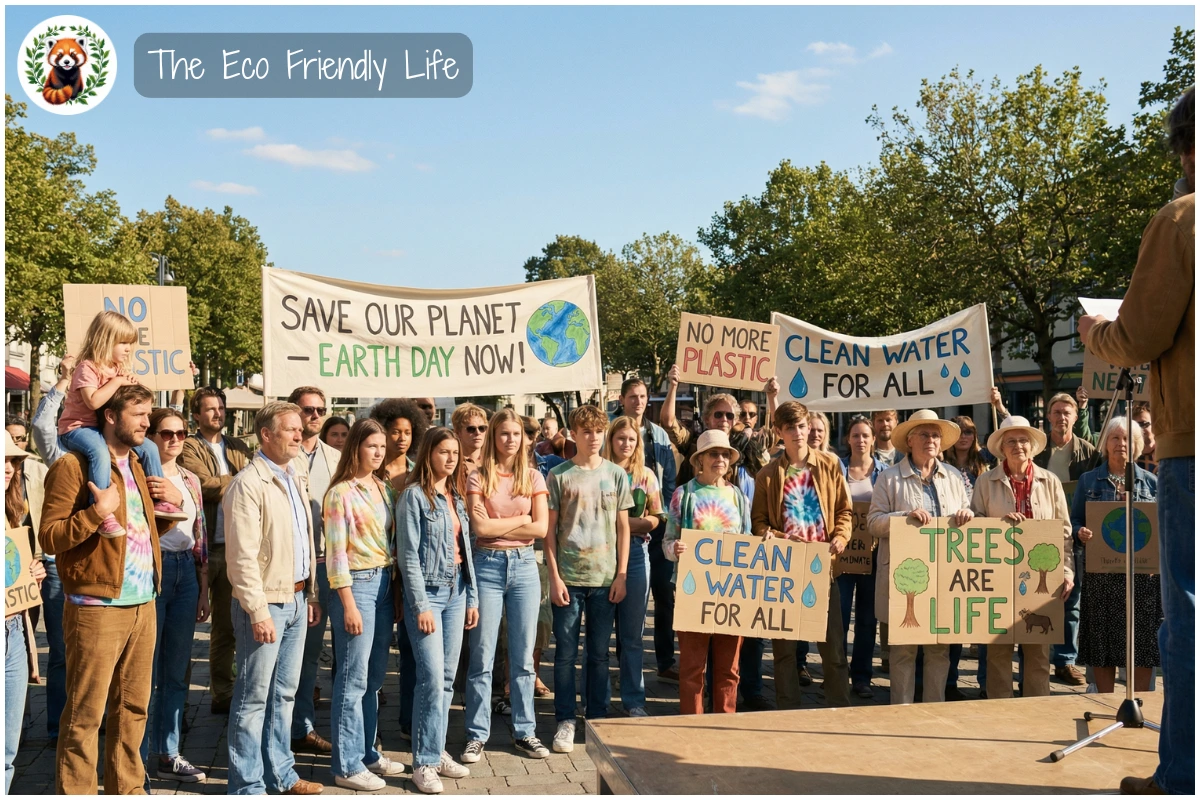
The 1970s represented environmental education’s coming-of-age decade, transitioning from scattered local initiatives to coordinated national and international efforts. This institutional foundation would prove essential as the movement gained global momentum through international conferences and declarations.
Global Frameworks and International Cooperation
The Belgrade Charter: In 1972, the United Nations Conference on Human Environment in Stockholm, Sweden, produced the Belgrade Charter, establishing the first global framework for environmental education. This document proposed that environmental education should be a lifelong journey focused on responding to a changing world, with the goal of providing “the provision of skills and attributes needed to play a productive role towards improving life and protecting the environment with due regard given to ethical values”. The Charter emphasized that environmental education must consider the environment in its totality—natural, social, economic, and cultural dimensions interconnected.
The Tbilisi Declaration: October 1977 marked another milestone when UNESCO and the United Nations Environment Programme convened the world’s first intergovernmental conference on environmental education in Tbilisi, Georgia. The resulting Tbilisi Declaration established objectives that remain foundational today: awareness, knowledge, attitudes, skills, and participation. These five objectives created a comprehensive framework for developing environmental stewards across generations. The Declaration also emphasized that environmental education should enable learners to participate in planning their learning experiences and take action on environmental issues.
Sustainable Development Emerges: The 1987 Brundtland Report introduced the concept of sustainable development, fundamentally shifting environmental education’s focus. The term “nature” was replaced with “environment” to encompass not only natural ecosystems but also social, economic, and cultural components of human communities. This broader perspective recognized that environmental issues couldn’t be separated from human development and quality of life.
The Earth Summit Revolution: The 1992 United Nations Conference on Environment and Development in Rio de Janeiro—known as the Earth Summit—brought together 117 heads of state, making it the largest gathering of world leaders in history at that time. The conference produced Agenda 21, a comprehensive action plan for sustainable development that explicitly recognized youth involvement as “critical to the long-term success” of environmental initiatives. The Earth Summit marked the beginning of unprecedented efforts to integrate environmental protection with economic development.

These international frameworks established environmental education as a global priority and created shared language and goals that transcended national boundaries. The collaborative spirit of these declarations would influence educational policy worldwide for decades to come. Today, these foundational principles are accessible through various learning platforms and resources that make environmental education available to people everywhere.
Brands and Tools That Support the Planet — Our Recommendations
The evolution of environmental education has created a rich ecosystem of learning resources that bring these historical developments and principles to life. Whether you’re seeking to understand the theoretical foundations laid by the Belgrade Charter and Tbilisi Declaration, explore the modern digital approaches that are transforming the field, or engage children in hands-on environmental learning that echoes the nature study movement, these carefully selected retailers offer products and resources specifically designed for environmental education.
Our Retailer Recommendations for Adults
Coursera
Coursera offers university-level environmental education courses that embody the interdisciplinary approach championed by UNESCO frameworks. Their catalog includes The Age of Sustainable Development taught by Columbia University’s Jeffrey Sachs, covering the evolution of sustainable development thinking, and comprehensive Environmental Science courses from leading institutions worldwide. These courses provide the knowledge and skills objectives outlined in the Tbilisi Declaration, making formal environmental education accessible globally.
MasterClass
MasterClass features Dr. Jane Goodall’s Conservation course, which traces her journey from early wildlife observation to environmental activism—mirroring the field’s evolution from nature study to conservation action. The 29-lesson series covers animal intelligence, environmental threats, climate change, advocacy strategies, and communication techniques, embodying the awareness, attitudes, and participation objectives central to environmental education frameworks.
Bookshop.org
This independent bookstore platform offers extensive collections of environmental and sustainability books covering environmental education history, conservation philosophy, climate science, and sustainable development. From foundational texts documenting the field’s evolution to contemporary works on environmental pedagogy, Bookshop.org provides the literature that shaped and continues to advance environmental education while supporting local bookstores.
National Geographic
National Geographic’s subscription provides comprehensive educational resources for teachers and learners, including premium lesson plans, interactive maps, videos, and articles covering biodiversity, conservation, and sustainable development. Subscribers gain access to materials that support the interdisciplinary, experiential approach to environmental education developed throughout the field’s history, with exclusive resources suitable for classroom implementation and self-directed learning.
Our Retailer Recommendations for Kids/Families
Green Kid Crafts
Green Kid Crafts delivers monthly STEAM subscription boxes specifically designed around environmental education themes including Ecosystem Science, Environmental Activism, Wildlife Science, and Earth Science. Founded by environmental scientist Penny Bauder, each box contains 4-6 hands-on activities plus a 12-page educational magazine that teaches children ages 3-10+ about sustainability, conservation, and ecological concepts through experiential learning—directly echoing the nature study movement’s philosophy of learning through doing.
Choose your Headline Level
KiwiCo offers environmental science kits and nature-based projects including their Environmental Science: Oil Cleanup kit and animal and nature exploration boxes that teach biological concepts, ecology, and environmental problem-solving. These hands-on science and nature kits introduce children to environmental challenges and conservation science through interactive experiments that build the awareness and skills emphasized in environmental education frameworks.
These retailers have been selected because they offer products and resources directly tied to environmental education—from formal courses covering the field’s theoretical foundations to hands-on materials that engage learners in the observation, experimentation, and action that have defined quality environmental education since its earliest days. Beyond accessing educational resources, there are also simple, practical ways to embody environmental education principles in your daily life.
The Digital Revolution and Contemporary Trends
Technology Integration: Environmental education in 2025 and 2026 has been transformed by digital technology, moving far beyond textbooks into immersive, interactive learning experiences. Universities worldwide now integrate courses on green technologies and sustainable management into their curricula, while business schools teach students to minimize corporate carbon footprints. Virtual reality platforms allow students to explore endangered ecosystems without leaving their classrooms, and adaptive AI-powered platforms personalize environmental education by analyzing how students learn and offering individualized challenges like calculating family carbon footprints.
Interdisciplinary Approaches: Modern environmental education embraces complexity by integrating sustainability across all academic subjects rather than treating it as a standalone topic. This interdisciplinary strategy helps students understand that environmental challenges connect to economics, politics, ethics, technology, and human health. Schools increasingly collaborate with environmental organizations and startups to engage students in real-world projects, from urban greening initiatives to waste recycling innovations. This practical, problem-solving approach equips students with skills they can immediately apply in their communities.
Climate Change Focus: The escalating climate crisis has intensified environmental education’s urgency and scope. Digital platforms now play crucial roles in spreading climate change awareness globally, utilizing social media, online courses, and multimedia tools to create an engaged worldwide community. However, this digital expansion faces challenges including the digital divide, misinformation, and the need for effective policy frameworks to ensure quality and accessibility.
Community-Based Learning: Contemporary environmental education increasingly creates ecosystems where students, teachers, and local communities work together on environmental challenges. Students develop startups addressing local problems from river cleaning to biomaterial development, encouraging entrepreneurial thinking alongside environmental awareness. International university partnerships enable students to share experiences and implement learned solutions in their home countries. This collaborative model recognizes that environmental education must extend beyond individual learning to community transformation.

These contemporary trends reflect environmental education’s maturation into a dynamic field that leverages technology while maintaining its core mission of creating informed, engaged environmental stewards. Understanding these innovations is valuable, but translating knowledge into everyday action remains the heart of environmental education’s purpose.
Practical Daily Tips You Can Action Today
Environmental education isn’t just about formal learning—it’s about daily actions that embody the awareness, knowledge, attitudes, skills, and participation emphasized in the Tbilisi Declaration. Here are practical ways to integrate environmental education principles into your everyday life, transforming theory into tangible impact.
| Tip | How to Implement | How This Helps |
|---|---|---|
| Learn one environmental fact daily | Subscribe to environmental newsletters or follow credible environmental organizations on social media. Dedicate five minutes each morning to reading about an environmental topic. | Building consistent environmental knowledge increases awareness and helps you make informed decisions about consumption and lifestyle choices. |
| Practice observation walks | Take weekly walks in your local area specifically to observe nature—notice seasonal changes, wildlife, plant diversity, and environmental changes. Keep a simple journal of observations. | This develops environmental awareness and connection to your local ecosystem, mirroring the nature study movement’s core principles. |
| Teach someone else | Share one environmental fact or sustainable practice with a family member, friend, or colleague each week. Discuss environmental topics at dinner. | Teaching reinforces your own learning and expands environmental literacy in your community through personal connections. |
| Connect daily choices to impacts | Before purchasing or discarding items, pause to consider their environmental lifecycle—where they came from, how they’re made, and where they’ll end up. Take 30 seconds to reflect. | This critical thinking develops the environmental problem-solving skills emphasized in international environmental education frameworks. |
| Engage with diverse sources | Explore environmental education content from different regions, cultures, and perspectives through documentaries, podcasts, or books. Aim for one new source monthly. | Understanding global environmental perspectives builds comprehensive awareness and reveals how environmental issues connect across borders. |
| Participate in local environmental activities | Join community cleanups, tree plantings, or environmental workshops in your area. Dedicate a few hours monthly to hands-on environmental action. | Direct participation embodies the action-oriented approach of modern environmental education and creates tangible positive impact. |
| Question greenwashing | When companies make environmental claims, spend two minutes researching their actual practices and commitments. Look for third-party certifications and transparency. | Developing critical evaluation skills helps you identify genuine sustainability efforts versus marketing tactics, promoting informed consumer choices. |
| Create family environmental discussions | Dedicate time weekly to discuss environmental topics with household members—what you’ve learned, challenges you face, solutions you’ve discovered. Make it conversational, not preachy. | Regular dialogue normalizes environmental thinking and problem-solving while building collective household commitment to sustainable practices. |
| Monitor your local environment | Notice changes in your immediate surroundings—air quality, local wildlife, seasonal patterns, or development impacts. Document patterns over months. | Long-term observation develops environmental literacy and helps you understand local ecosystem health and changes. |
| Connect screen time to action | For every hour spent learning about environmental issues online or through media, dedicate 15 minutes to a related action—reducing waste, changing a habit, or supporting an organization. | Balancing knowledge acquisition with practical action prevents environmental anxiety and creates meaningful personal contribution to solutions. |
These simple practices transform environmental education from abstract concepts into lived experience, creating the awareness, knowledge, attitudes, skills, and participation that international frameworks identified as essential objectives. As you begin implementing these approaches, you may have questions about environmental education’s development and scope.
Frequently Asked Questions
When did environmental education officially begin?
While nature study and conservation education existed earlier, environmental education as a formally recognized field emerged in the 1960s, with the term first used professionally in 1965 and officially defined in 1969.
What was the most influential document in environmental education history?
The 1977 Tbilisi Declaration is widely considered the most influential document, as it established the core objectives and principles that guide environmental education programs worldwide today.
How has environmental education changed in the 21st century?
Modern environmental education has shifted from primarily nature-focused learning to comprehensive sustainability education that integrates climate change, uses digital technology, emphasizes practical problem-solving, and connects environmental issues to social justice and economic development.
Who can benefit from environmental education?
Environmental education is designed for all ages and backgrounds—from young children to adults—and the Tbilisi Declaration explicitly stated it should be lifelong learning both inside and outside formal school systems.
Organizations to Support – Our Recommendations
Supporting organizations dedicated to environmental education amplifies your personal impact by contributing to programs that reach communities worldwide.
- North American Association for Environmental Education (NAAEE): As the leading professional association for environmental educators since 1971, NAAEE builds a global network of changemakers, produces research-backed resources, and strengthens local and national environmental education networks across the globe. By donating to NAAEE, you help provide free resources like webinars and professional development while ensuring that cost is never a barrier to conference access or quality environmental education.
- Project Learning Tree (PLT): This award-winning initiative of the nonprofit Sustainable Forestry Initiative has spent half a century training educators who influence and inspire hundreds of young people throughout their careers. PLT creates pathways to green careers in communities most at risk for environmental and economic challenges while building environmental literacy that lasts a lifetime. Donate to PLT to support their Roots for the Future campaign and advance nature-based education, ensuring every child has access to hands-on environmental learning.
- Environmental Defense Fund (EDF): EDF drives game-changing solutions to major environmental issues including climate change and air pollution while supporting environmental education initiatives that build public understanding of environmental challenges. Through science-based approaches and practical innovation, EDF creates a vital Earth for everyone. Contribute to EDF’s mission to fight climate change and secure a healthier, safer world for all communities.
Each of these organizations has demonstrated long-term commitment to environmental education and operates transparent programs that create measurable impact across diverse communities globally.
Resources and Further Reading
Deepen your understanding of environmental education history and practice through these expert resources.
- North American Association for Environmental Education (NAAEE): NAAEE provides comprehensive resources through their eePRO learning platform, including an environmental education timeline that traces the field’s evolution from early nature study through modern sustainability education. The platform also offers professional development materials and research-backed resources for educators at all levels.
- Project Learning Tree: This international award-winning program provides curriculum for educators of Pre-K through 12th-grade students, featuring hands-on, interdisciplinary environmental education activities. The independently evaluated lessons are proven to increase student knowledge and encourage positive environmental attitudes. PLT’s curriculum connects students to nature while building critical thinking skills about forests, conservation, and sustainability.
- UNESCO’s Tbilisi Declaration: Access the 1977 Tbilisi Declaration, the foundational document that established the framework, principles, and guidelines for environmental education at all levels worldwide. Reading this historic declaration provides crucial insight into the five core objectives—awareness, knowledge, attitudes, skills, and participation—that continue guiding environmental education programs today.
These resources offer both historical context and practical tools for anyone seeking to understand or implement effective environmental education programs in their communities.
Our Related Articles
How We Can Help The Environment
The planet we live on is under enormous pressure — from rising temperatures and shrinking forests to oceans overwhelmed with plastic. The challenges can feel…
Read More
Eco-Friendly Parenting Explained
Bringing a child into the world changes not just your daily routines but your entire perspective on the future. As parents and caregivers, we naturally…
Read More
Your Guide To Key Environmental Terms
Understanding the language of environmental science is the first step toward becoming an informed planetary citizen. Whether you’re hearing about climate policies on the news,…
Read MoreConclusion
Environmental education has traveled an extraordinary journey from 18th-century philosophical ideas to today’s sophisticated, technology-enhanced global movement. What began with simple observations of nature has evolved into a comprehensive discipline addressing humanity’s most pressing challenge—living sustainably on a finite planet. The milestones we’ve explored—from the nature study movement through the Tbilisi Declaration to contemporary digital learning platforms—demonstrate consistent growth in understanding that environmental literacy isn’t optional, but essential for our collective future.
The evolution continues today as educators, students, communities, and individuals worldwide embrace environmental education’s potential for change. Whether you’re just beginning your environmental education journey or you’ve been engaged for years, your participation matters. Every person who develops environmental awareness, knowledge, attitudes, skills, and commitment to action contributes to the global movement that these decades of evolution have built.
What aspect of environmental education history surprised you most, and how might you apply environmental education principles in your own life or community? Share your thoughts and experiences in the comments below—your perspective adds to the ongoing conversation that shapes environmental education’s future.