



The climate crisis often feels like a distant, insurmountable challenge played out on global stages among world leaders and massive corporations. However, the most tangible and immediate changes frequently happen right in our own backyards. Local climate action shifts the narrative from global anxiety to neighborhood empowerment, proving that while the problem is planetary, the solutions can be deeply personal and community-driven. By focusing on the streets we walk, the air we breathe, and the local systems we rely on, we can dismantle the feeling of helplessness and replace it with visible, concrete progress.
Hi, I’m Al, and I am thrilled you are here to explore this journey with me. I know firsthand how overwhelming the headlines can be, but I have also seen the incredible energy that sparks when neighbors come together to solve a problem. Whether you are an introvert who loves data or an extrovert who loves organizing block parties, there is a specific, necessary role for you in this movement. Let’s dig into how you can stop worrying and start building a resilient future for your community right now.
The Power of Proximity
Local Governance Drives Global Change: The municipal level is where the rubber meets the road regarding carbon emissions. City councils and local municipalities often control building codes, public transit routes, waste management systems, and zoning laws. When you advocate for better bike lanes or stricter energy efficiency standards for new buildings in your town, you are directly reducing emissions in a way that international treaties struggle to enforce. In fact, cities account for between 60% and 80% of energy consumption and generate as much as 70% of human-induced greenhouse gas emissions, making local intervention disproportionately powerful.
Community Resilience as a Buffer: Climate action is not just about mitigation; it is about adaptation and protection. Localized networks create the social safety nets required when extreme weather hits. A neighborhood that has already organized a community garden, established a tool library, or set up a communication tree is better equipped to handle food supply disruptions or power outages. Studies show that these local adaptation measures offer higher social and economic returns by avoiding loss and damage before it occurs.
Economic Benefits Stay Local: Transitioning to a green economy on a local scale keeps money circulating within the community rather than exporting it to fossil fuel giants. When a town invests in community-owned solar projects or retrofits schools for energy efficiency, it creates local jobs for installers, electricians, and engineers. Research indicates that for every £1 invested in local climate mitigation, communities can save substantially on future costs while generating high-quality green jobs.
Visible Progress Drives Commitment: One of the biggest barriers to climate action is the delay between action and result. On a global scale, it takes years to see temperature data shift. Locally, however, the feedback loop is immediate. You can see the trees you planted growing; you can ride the bus on the new route you petitioned for; you can eat the vegetables from the community plot. This tangible evidence of progress acts as a psychological buffer against despair, reinforcing a sense of personal agency.
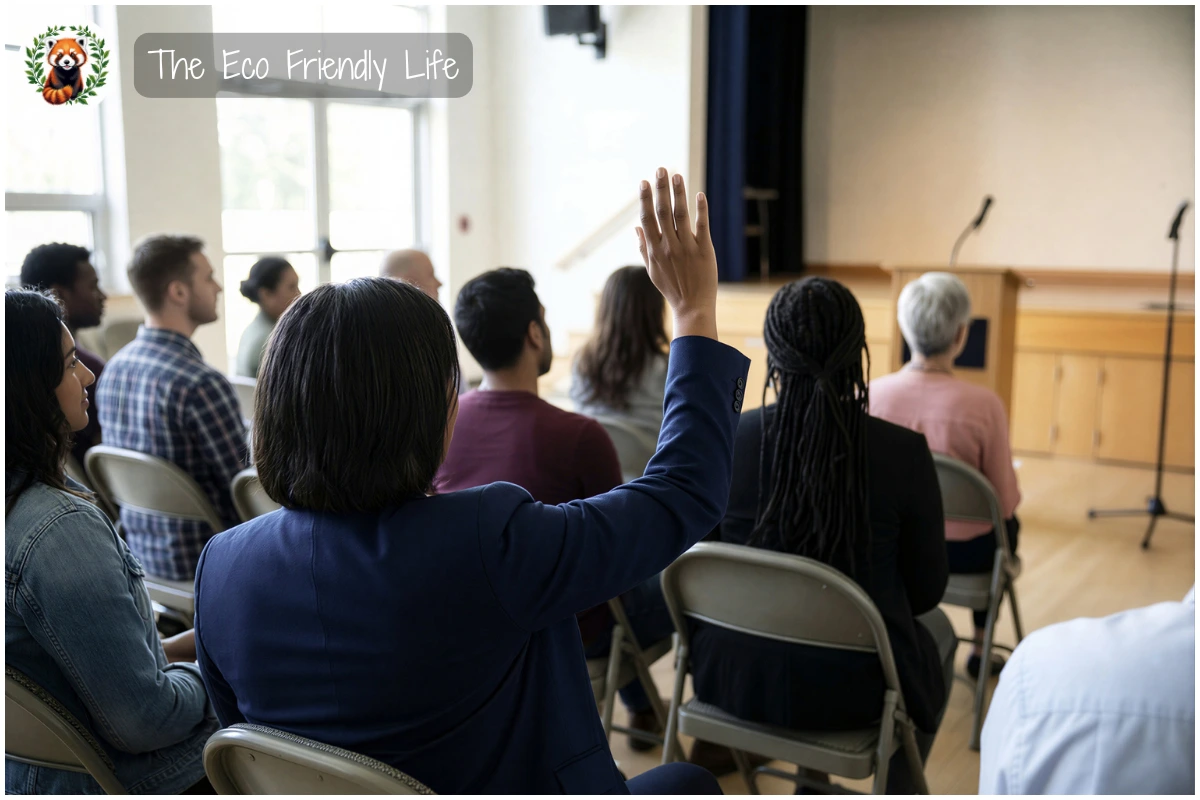
So, we know why local matters, but the next logical step is figuring out exactly who you are in this ecosystem and where you fit best.
Identifying Your Activist Archetype
The Connector and Communicator: Every movement needs people who are natural networkers. If you are the type of person who knows everyone on your street or loves hosting dinner parties, your role is to weave the social fabric of the movement. You might be the one to organize a block party centered around energy saving, manage the social media account for a local conservation group, or simply talk to neighbors to demystify the concept of climate change. Your superpower is trust; people listen to you because they know you, making you an effective messenger for ideas that might otherwise seem radical or difficult.
The Hands-On Builder: Some of us prefer soil under our fingernails to holding a microphone. If you are practical and task-oriented, your entry point is through direct physical action. This looks like volunteering at a community composting facility, joining a tree-planting brigade, or helping repair bicycles at a local repair café. These actions are vital because they serve as proof of the alternative world we are trying to build. You are not just talking about a circular economy; you are physically fixing a toaster to keep it out of a landfill, which is a powerful political act.
The Researcher and Policy Wonk: Local governments are often under-resourced and overwhelmed by technical data. If you enjoy reading fine print, understanding legal frameworks, or analyzing statistics, you can become an invaluable asset to local advocacy groups. You might translate complex zoning laws for your neighbors, research successful green initiatives in other cities to propose to your council, or track local budget allocations to ensure climate promises are actually funded. You provide the intellectual ammunition that the activists on the front lines need to win their arguments.
The Resource Mobilizer: Activism requires resources, whether that is money, space, or materials. If you have a knack for logistics or fundraising, you can operate the engine room of local climate action. This could involve writing grant applications for a community solar project, finding a local business willing to donate space for meetings, or organizing a fundraising concert. You bridge the gap between a good idea and a funded, executable project, ensuring that the visionaries have the tools they need to work.

Once you have identified your personal strengths, it is time to look at the structural changes that require a collective push.
Systemic Shifts in Your Neighborhood
Renewable Energy Through Community Power: While individual actions are a great starting point, moving the needle on climate change requires shifting the systems we live in. This often begins with the energy grid. In many parts of the world, Community Choice Aggregation (CCA) allows residents to band together to purchase renewable energy in bulk. By joining or starting such a cooperative, you bypass the standard fossil-fuel-heavy utility mix and force a market demand for green electrons. It turns the passive act of paying a monthly electric bill into an active vote for a renewable future.
Building Transportation Networks That Work: Transportation is another massive lever for local decarbonization. Most cities were designed for cars, not people, but this is reversible. Advocacy groups often struggle to get attendees for boring transit board meetings, which means your presence there is disproportionately powerful. Pushing for protected bike lanes or bus rapid transit corridors helps reverse the trend of urban sprawl that forces reliance on private vehicles. It is not just about you riding a bike; it is about creating an environment where a family feels safe enough to let their children ride to school, exponentially reducing the town’s carbon footprint.
Redesigning Waste and Housing Systems: Finally, look at the “metabolism” of your city—specifically, waste and housing. Advocating for city-wide composting programs can drastically reduce methane emissions from landfills. Simultaneously, pushing for “density” in housing—allowing duplexes or accessory dwelling units in single-family zones—prevents urban sprawl and protects surrounding nature. While urban density’s relationship to carbon is complex, avoiding low-density expansion is generally critical for reducing per-capita emissions. Winning a zoning change might sound dry, but it saves more carbon than a lifetime of recycling.
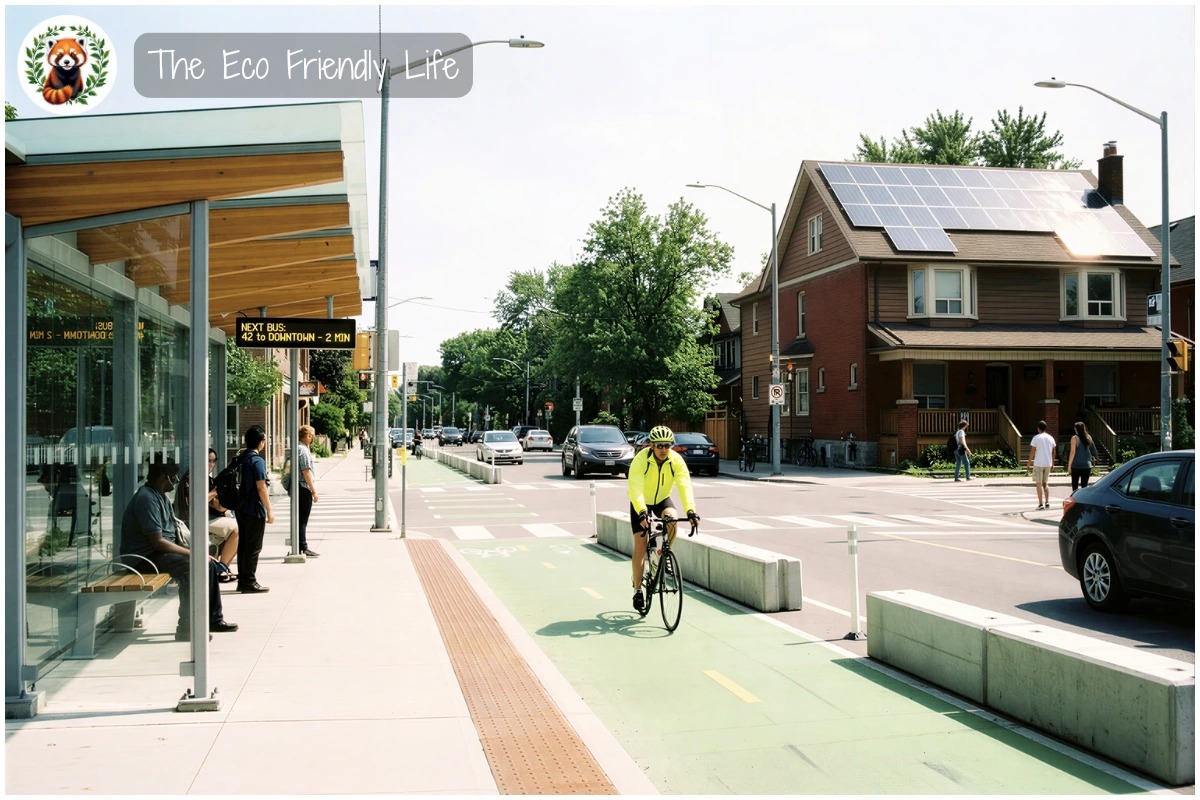
Of course, while we fight for these systemic changes, we still need to live, eat, and shop. This brings us to how we can align our purchasing power with our principles.
Brands and Tools That Support the Planet — Our Recommendations
Voting with our wallets is a secondary but significant form of action. Supporting businesses that prioritize circular economies, education, and durability helps shift the market away from disposable culture. Here are two recommendations for different age groups that align with the values of local stewardship.
Our Retailer Recommendation for Adults
Patagonia: Built to Last and Repair
Patagonia is an outdoor apparel company that has made environmental activism core to its business model. They commit to environmental responsibility through sustainable manufacturing, fair labor practices, and a repair program that extends the life of their products. We recommend exploring Patagonia’s Worn Wear program, which offers refurbished and repaired clothing, as well as guidance on repairing your own gear. Buying worn items or learning to repair what you already own are powerful acts of resistance against fast fashion. Whether you need a durable jacket for outdoor conservation volunteering or hiking boots that will last decades, Patagonia’s commitment to longevity means your purchase becomes an investment in durability rather than a cycle of replacement.
Our Retailer Recommendation for Kids/Families
KiwiCo: Inspiring the Next Generation of Innovators
For families, engaging children in climate concepts requires hands-on learning that is fun rather than frightening. KiwiCo produces science and art crates that teach mechanics, engineering, and sustainability. We recommend the Solar Energy projects at KiwiCo. These projects allow young people to build functional solar-powered devices. It moves the concept of renewable energy from an abstract idea in a textbook to a tangible machine they built with their own hands, developing a generation that understands and embraces green technology.
Now that we have equipped ourselves with the right gear and mindset, let’s return to grassroots actions that heal the land and strengthen community bonds.
Restoring Nature and Community Ties
Regenerative Gardening and Rewilding: Traditional landscaping often works against nature, utilizing chemical fertilizers and water-intensive lawns that offer zero habitat for pollinators. The rewilding movement encourages turning private and public spaces back into havens for biodiversity. By replacing a manicured lawn with native wildflowers, you create a carbon sink and a feeding ground for bees and butterflies. On a community level, this looks like guerilla gardening on neglected roadside strips or petitioning the city to stop spraying pesticides in parks. It is an act of healing the earth one square meter at a time.
The Circular Economy of Repair: We have been conditioned to throw things away when they break, but “away” is just a landfill on the edge of town. Repair Cafés are springing up globally as a solution. These are free meeting places where the community gathers to fix things together—clothes, furniture, electrical appliances, and bicycles. Volunteering at or starting a Repair Café prevents waste and transfers skills between generations. Repairing a single item, like a smartphone, can save significant CO2 emissions compared to buying new. It challenges the planned obsolescence of modern manufacturing and reclaims the autonomy of being able to maintain our own possessions.
Citizen Science and Data Collection: You do not need a PhD to contribute to scientific understanding. Many environmental organizations rely on citizen scientists to track local changes. This could involve counting bird populations during migration, testing local creek water for pollutants, or measuring air quality in different neighborhoods. This data is often used in court cases or council meetings to prove that environmental damage is happening. Projects like the one in Tonawanda, NY, proved that citizen-led air quality monitoring can directly lead to massive reductions in industrial pollution. It grounds activism in hard facts and allows ordinary residents to be the eyes and ears of the scientific community.
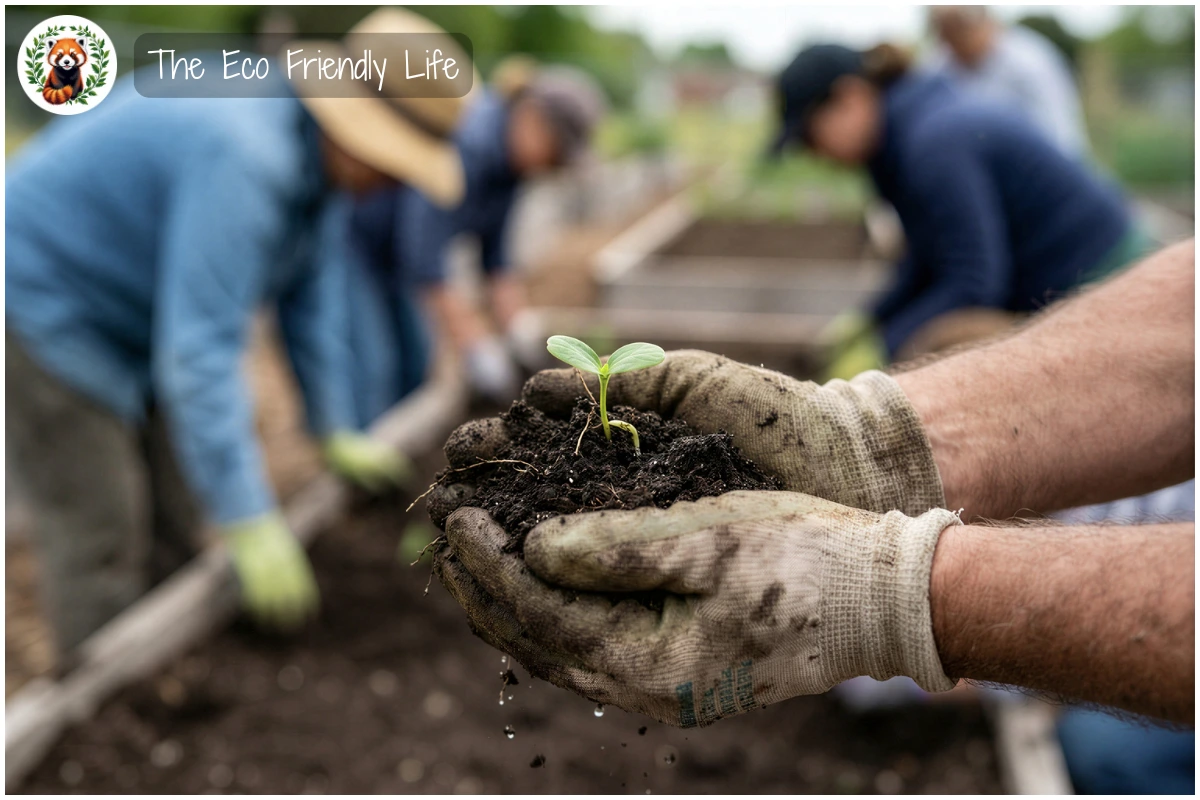
If you are looking for immediate, smaller steps to get the ball rolling before diving into deep organizing, here is a cheat sheet for today.
Practical Daily Tips You Can Action Today
Small shifts in routine can act as gateway actions to larger advocacy. Here are ten practical ways to align your daily life with your local climate goals.
| Action | Implementation | Impact |
|---|---|---|
| Switch Your Bank | Move your money to a credit union or ethical bank that does not finance fossil fuels. | Stops your savings from funding oil and gas exploration, and directs capital toward sustainable businesses. |
| Eat Local and Seasonal | Buy food grown within your region at farmers’ markets or through community-supported agriculture programs. | Drastically cuts “food miles” and supports the local agricultural economy and soil health. |
| Unplug “Vampires” | Put electronics on power strips and switch them off at night or when not in use. | Reduces “phantom load” electricity usage instantly and cuts your energy bill. |
| Compost Kitchen Scraps | Start a home bin or join a community compost drop-off program in your area. | Prevents methane release in landfills and creates rich soil for gardens. |
| Audit Your Trash | Look at what you throw away for one week and identify the single-use plastic items. | Reveals where you can make permanent swaps and reduces landfill waste. |
| Walk the “Last Mile” | Replace car trips under 2 kilometers with walking or biking. | Reduces emissions while connecting you visually with your neighborhood. |
| Wash Clothes Cold | Switch your washing machine to 30°C (86°F) or cold water cycles. | Saves massive amounts of energy used for heating water and reduces utility bills. |
| Line Dry Laundry | Skip the dryer when the weather permits and hang clothes outside or indoors. | One of the single biggest energy savers for a household, with zero cost. |
| Carry Reusables | Keep a kit (cup, bag, cutlery) in your daily bag to avoid single-use items. | Stops the demand for single-use plastic before it starts. |
| Talk About It | Mention climate action in casual conversation once a day with friends or colleagues. | Breaks the social silence around climate change and normalizes the topic. |
With so many ways to get started, you might have questions about how to navigate this journey. Here are some answers to common questions that arise when people begin their local climate action work.
FAQs
Can I still help if I have very little free time?
Absolutely. Even one hour a month makes a difference. You can set up automated donations to local groups, sign petitions, or share information on neighborhood social media pages.
Does local action actually affect global temperatures?
Yes, because cities consume over two-thirds of the world’s energy and account for more than 70% of global CO2 emissions. Changing how a city operates is one of the most efficient ways to lower global aggregate emissions.
Is climate action expensive to get involved in?
Most grassroots action is free. Joining a community garden, attending a council meeting, or organizing a cleanup costs nothing but time, and many sustainable swaps (like buying less) actually save money.
Organizations to Support – Our Recommendations
If you have the means to donate, these organizations are doing critical work on the ground and have a global reach that empowers local chapters.
- 350.org is an international movement of ordinary people working to end the age of fossil fuels and build a world of community-led renewable energy. They specialize in grassroots organizing and holding leaders accountable through local campaigns. Donate to 350.org.
- Friends of the Earth International is the world’s largest grassroots environmental network, uniting 73 national member groups and some 5,000 local activist groups on every continent. They campaign on today’s most urgent environmental and social issues. Support Friends of the Earth International.
- The Rainforest Alliance focuses on forests while working deeply with local communities, farmers, and indigenous people to build sustainable rural economies. Their work proves that local community welfare is the best defense against deforestation. Ways to Give – Rainforest Alliance.
These groups understand that the people living on the land are its best protectors.
Resources and Further Reading
To deepen your understanding of the mechanisms behind local change and climate solutions, we recommend these expert sources.
- Project Drawdown is widely considered the world’s leading resource for climate solutions. They provide a comprehensive, reviewed database of solutions (like retrofitting buildings and educating girls) that can be implemented locally to reach “drawdown”—the point where greenhouse gases in the atmosphere start to decline. Explore Solutions at Project Drawdown.
- C40 Cities is a network of the world’s mega cities committed to addressing climate change. Their research and reports are excellent for understanding how urban centers specifically can lead the way in climate action and public health. Read C40 Knowledge Hub.
- UN Climate Action is the United Nations’ central hub for climate change information. It offers a high-level global perspective that helps contextualize why your local actions are vital components of international goals like the Paris Agreement. Visit UN Climate Action.
Knowledge is the foundation of effective action; these sources will ensure your efforts are evidence-based.
Our Related Articles
Why Community Involvement Is Essential For Climate Action
Climate change is not just a distant threat for future generations—it is actively reshaping our world today. From unprecedented heatwaves to devastating floods, rising sea…
Read More
Climate Change: Causes, Effects And Solutions
The planet we call home is sending us urgent signals. From unprecedented heatwaves scorching cities to devastating floods reshaping coastlines, climate change has moved from…
Read MoreConclusion
Getting involved in local climate action is not about shouldering the weight of the world alone; it is about finding your specific role in the community’s collective effort and playing it fully. Whether you are planting seeds, repairing bikes, speaking up at council meetings, or simply financing the work of others, your contribution is valid and necessary. The antidote to despair is action, and the best place to start is right outside your front door. By acting locally, we send a powerful signal that a different future is possible—one built on connection, resilience, and care.
What is the first local step you are planning to take this week? I would love to hear your ideas and commitments in the comments below—let’s inspire each other!