



Water is the foundation of life, yet it’s a resource many of us take for granted until shortages strike. From turning on a tap for a morning shower to washing dishes after dinner, the average household uses hundreds of liters of water daily without a second thought. As global populations grow and climate patterns shift, freshwater resources face unprecedented pressure. The good news is that each of us holds power to make a meaningful difference through simple changes in our daily routines.
I’m Al, and like many of you, I’ve become increasingly aware of how precious our water supply truly is. Over the years, I’ve witnessed firsthand how small adjustments in my own home have led to significant reductions in water use—and lower utility bills to boot. My journey toward more sustainable living began with curiosity about where my water came from and where it went, and it’s evolved into a genuine passion for conservation. Whether you’re motivated by environmental concerns, rising water costs, or simply wanting to do your part, I welcome you to explore these practical strategies with me. Keep reading to discover how straightforward changes can transform your household’s water footprint and contribute to a more sustainable future for all.
Understanding Your Household Water Consumption
Know Where Your Water Goes: The typical household uses water across multiple areas, with some consuming far more than others. In most homes, toilets are the largest water-consuming fixture, accounting for nearly 30% of indoor water use, while showers account for approximately 20% of household water consumption. Washing machines, faucets, and leaks make up the remainder of indoor use. Understanding these proportions helps you identify where conservation efforts will have the greatest impact.
Recognize Regional Variations: Water consumption patterns vary significantly depending on where you live. According to recent data, the average person uses between 100 and 150 liters of water per day globally. However, countries like the United States see much higher per-person usage—the average American family uses more than 300 gallons daily. These differences stem from factors including climate, household size, appliance efficiency, and outdoor water needs such as lawn irrigation. In Australia, for instance, household water use increased to 174 kiloliters per household in 2023-24, up from 168 kiloliters the previous year, primarily due to warmer, drier conditions.
Identify Your Baseline: Before implementing conservation measures, it’s helpful to establish your current water usage. Check your water meter readings over several weeks to understand your household’s patterns. Many modern smart meters provide hourly data, allowing you to pinpoint high-usage periods and potential leaks. This baseline measurement gives you a reference point to track improvements and celebrate successes as you adopt water-saving practices.
Consider Seasonal Impacts: Water consumption often spikes during warmer months when outdoor watering increases and people shower more frequently. In Melbourne, for example, household water use can rise by 25% during summer. Being mindful of these seasonal variations helps you plan targeted conservation strategies for high-use periods, such as adjusting irrigation schedules or shortening showers during hot weather.
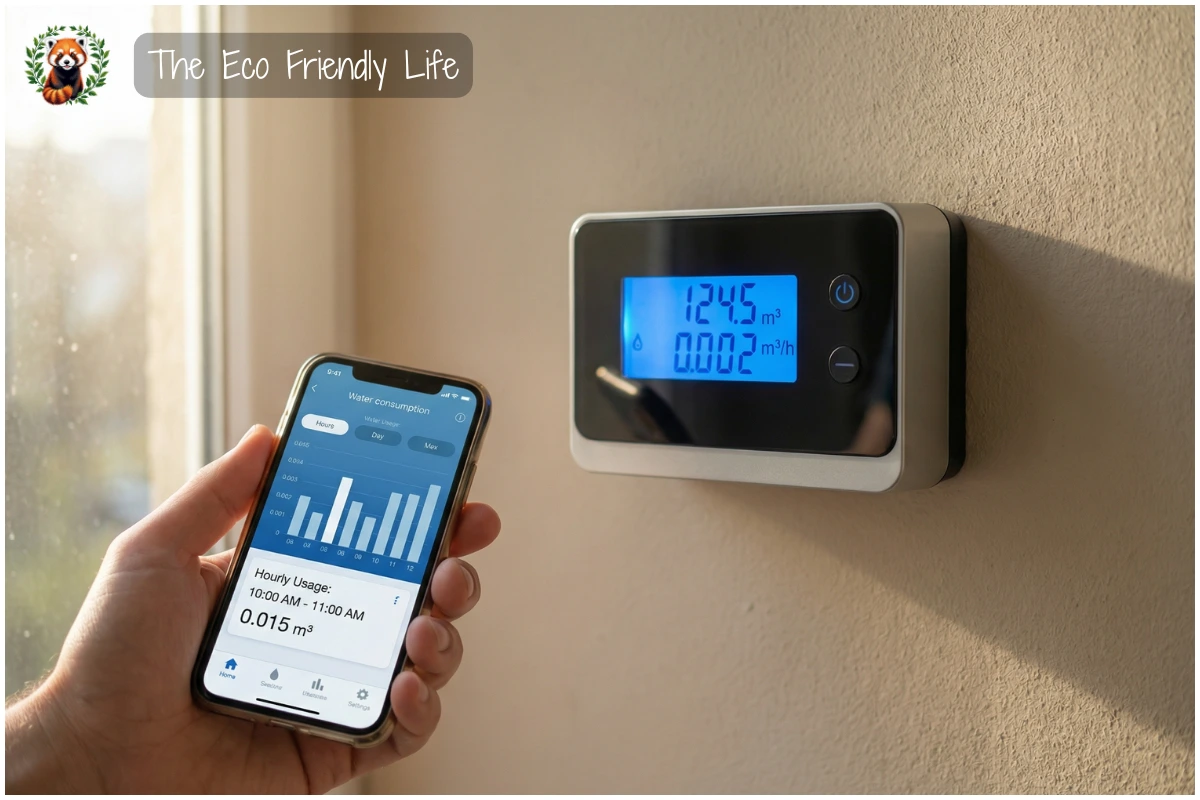
Understanding your current water consumption creates the foundation for effective conservation. Once you know where and when your household uses the most water, you can begin implementing targeted strategies to reduce waste through efficient fixtures and appliances.
Upgrading to Water-Efficient Fixtures and Appliances
Low-Flow Showerheads Transform Water Use: Replacing a standard showerhead with a water-efficient model is one of the simplest yet most impactful changes you can make. Traditional showerheads use approximately 20–25 liters per minute, while modern efficient models use only 7.5–9 liters per minute. This reduction of more than half doesn’t mean sacrificing water pressure—advanced designs use aerators that mix air with water, maintaining a satisfying spray while dramatically cutting consumption. Over a year, this upgrade can save over 5,000 liters.
Dual-Flush Toilets Cut Water Waste: Toilets are significant water users in every home, but not all flushes require the same amount. Dual-flush toilets offer two flushing options: approximately 3 liters for liquid waste and 6 liters for solid waste. Compare this to older single-flush toilets that use 9-11 liters per flush regardless of need, and the savings become clear. For a family of four, upgrading to a dual-flush system can save over 30,000 liters annually while maintaining effective waste removal.
Faucet Aerators Deliver Quiet Efficiency: These small, inexpensive devices attach to your existing taps and can reduce water flow by 30% or more without compromising functionality. Aerators work by introducing air bubbles into the water stream, creating a fuller, softer flow at lower volumes. They’re particularly effective for handwashing and teeth brushing, activities where full water pressure isn’t necessary. Installation takes minutes and requires no plumbing expertise, making aerators an accessible first step toward conservation.
Energy Star Appliances Offer Double Benefits: When replacing major appliances, choosing Energy Star certified models delivers water and energy savings. Modern dishwashers use significantly less water than hand washing—saving approximately 8,400 gallons annually while cleaning more effectively. Energy Star front-loading washing machines use up to 70% less water than traditional top-loaders. Though the upfront cost may be higher, these appliances typically pay for themselves through reduced utility bills within a few years.
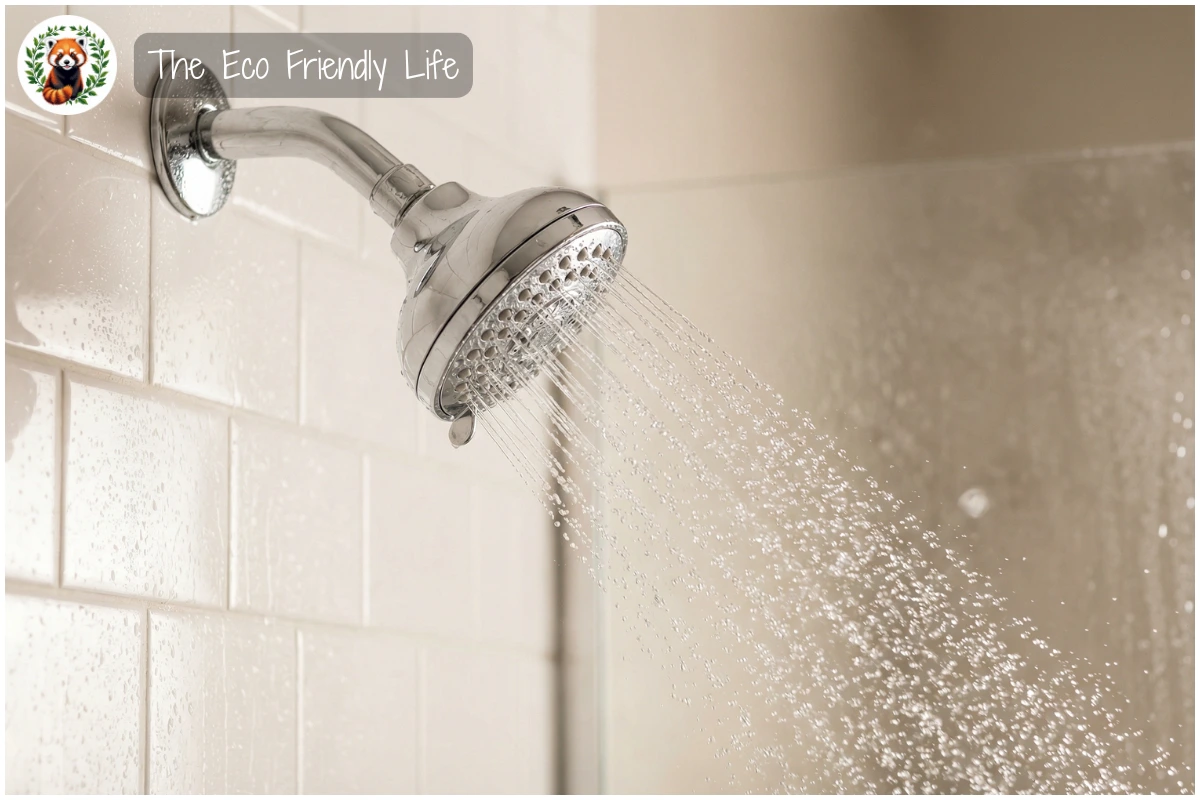
With these water-efficient fixtures and appliances installed, you’ve addressed the major water-consuming areas of your home. The next step is to explore alternative water sources that can further supplement your household needs while reducing reliance on municipal supplies.
Harvesting Rainwater and Reusing Greywater
Rainwater Collection Offers Free Resources: Rainwater harvesting captures precipitation from your roof and stores it for later use, reducing dependence on municipal water supplies. Even modest rainfall can yield substantial volumes—a roof area of just 100 square meters can collect over 80,000 liters annually in regions with moderate precipitation. This harvested water is ideal for garden irrigation, car washing, and toilet flushing. With proper filtration, it can even be used for laundry or, with advanced treatment, for drinking. Rainwater systems range from simple barrel collection to sophisticated tanks with pumping systems, making them adaptable to various budgets and property sizes.
Installation Varies by Scale: Basic rainwater harvesting can begin with a single barrel positioned beneath a downspout, costing less than $100. More comprehensive systems include larger tanks (1,000–10,000 liters), first-flush diverters that remove initial roof runoff containing debris, filters, and pumps for distributing water throughout your property. The investment typically ranges from several hundred to several thousand dollars, but many regions offer rebates or incentives to offset costs. The financial payback period depends on your water costs and usage, but the environmental benefits start immediately.
Greywater Recycling Extends Water Life: Greywater—the relatively clean wastewater from showers, baths, bathroom sinks, and washing machines—represents 50-80% of household wastewater. Rather than sending this water directly to sewers, greywater systems capture, filter, and redirect it for outdoor irrigation or toilet flushing. This approach can reduce household water consumption by 30-40%. Simple gravity-fed systems divert water from individual fixtures to gardens, while more sophisticated systems include treatment stages for broader applications.
Follow Safety Guidelines: When implementing greywater reuse, certain precautions ensure safety and effectiveness. Only use greywater from sources free of fecal matter—kitchen sinks and dishwashers should be excluded due to grease and food particles. Apply greywater below the soil surface through subsurface irrigation to minimize contact and odor. Use biodegradable, low-sodium soaps and detergents to avoid harming plants or building up salts in soil. Most jurisdictions have regulations governing greywater systems, so check local requirements before installation.
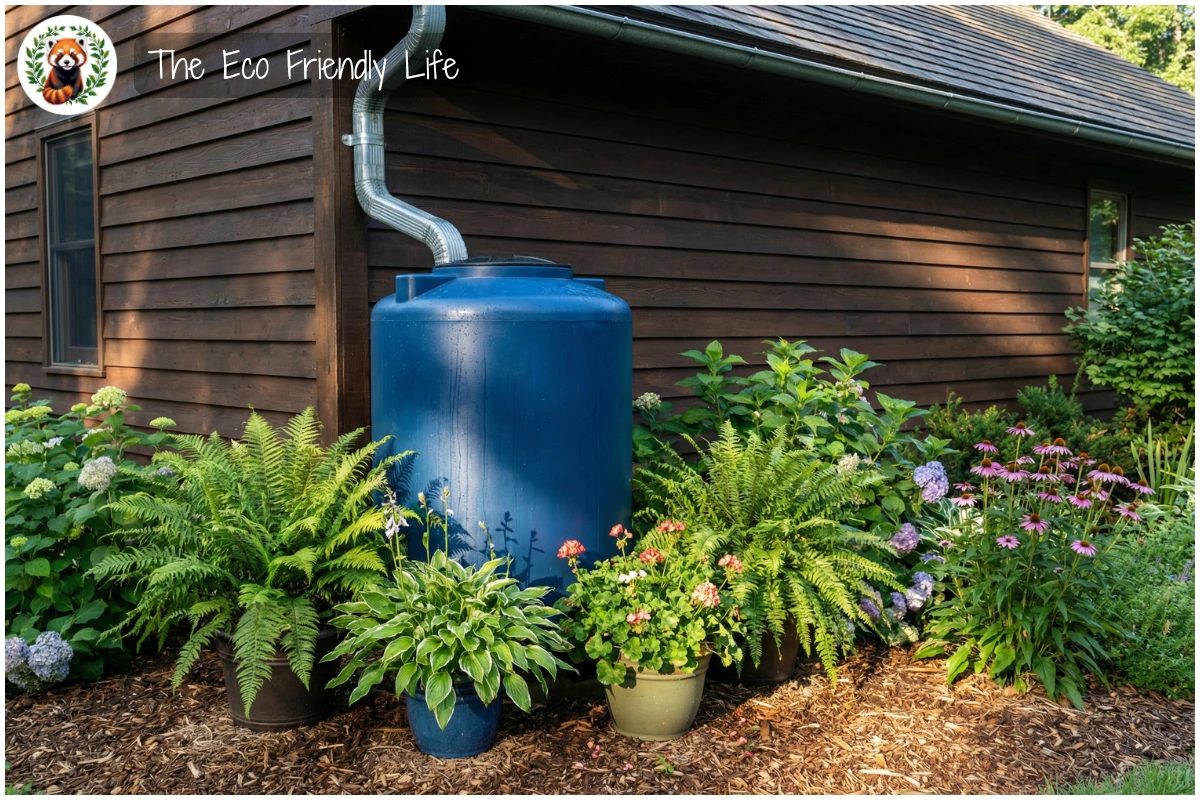
By capturing and reusing water that would otherwise be wasted, you’ve created a more circular water system in your home. Now turn your attention to outdoor spaces, where strategic plant choices and landscaping techniques can dramatically reduce irrigation needs altogether.
Creating Water-Wise Outdoor Spaces
Xeriscaping Transforms Landscaping: Xeriscaping is a landscaping approach designed to minimize water requirements through strategic plant selection, soil management, and design principles. The term comes from the Greek word “xeros” meaning dry, combined with landscaping. Far from creating barren deserts, xeriscaping produces vibrant, diverse gardens that can conserve about 50% of outdoor water consumption. This approach is particularly valuable in arid climates but offers benefits in any region by reducing maintenance demands and water bills while supporting local ecosystems.
Choose Native and Drought-Tolerant Plants: The foundation of xeriscaping is selecting plants adapted to your local climate and soil conditions. Native plants have evolved over millennia to thrive with natural rainfall patterns, requiring minimal supplemental watering once established. Drought-tolerant species—including many succulents, cacti, ornamental grasses, and Mediterranean herbs such as lavender and rosemary—store water in their tissues or have deep root systems that access moisture unavailable to shallow-rooted plants. These plants often require watering only once every 2-3 weeks during summer, or even less once mature, compared to traditional lawns that may need daily watering.
Reduce Lawn Areas: Traditional turf grass is among the most water-intensive landscaping choices, often requiring 4-6 liters per square meter daily during growing seasons. By replacing or reducing lawn areas with native groundcovers, mulched beds, or hardscaping elements such as patios and pathways, you can eliminate much of this demand. Where lawn is desired, consider drought-resistant grass varieties or alternatives such as clover, which require less mowing and water while providing attractive green coverage.
Implement Smart Irrigation Practices: When watering is necessary, timing and method matter significantly. Water during early morning or evening hours to minimize evaporation losses, avoiding midday heat. Drip irrigation systems deliver water directly to plant roots with minimal waste, using up to 50% less water than sprinklers. Group plants with similar water needs together, a technique called hydrozoning, to avoid overwatering drought-tolerant species while ensuring thirsty plants receive adequate moisture. Apply 5-10 centimeters of organic mulch around plants to reduce evaporation, moderate soil temperature, and suppress weeds that compete for water.
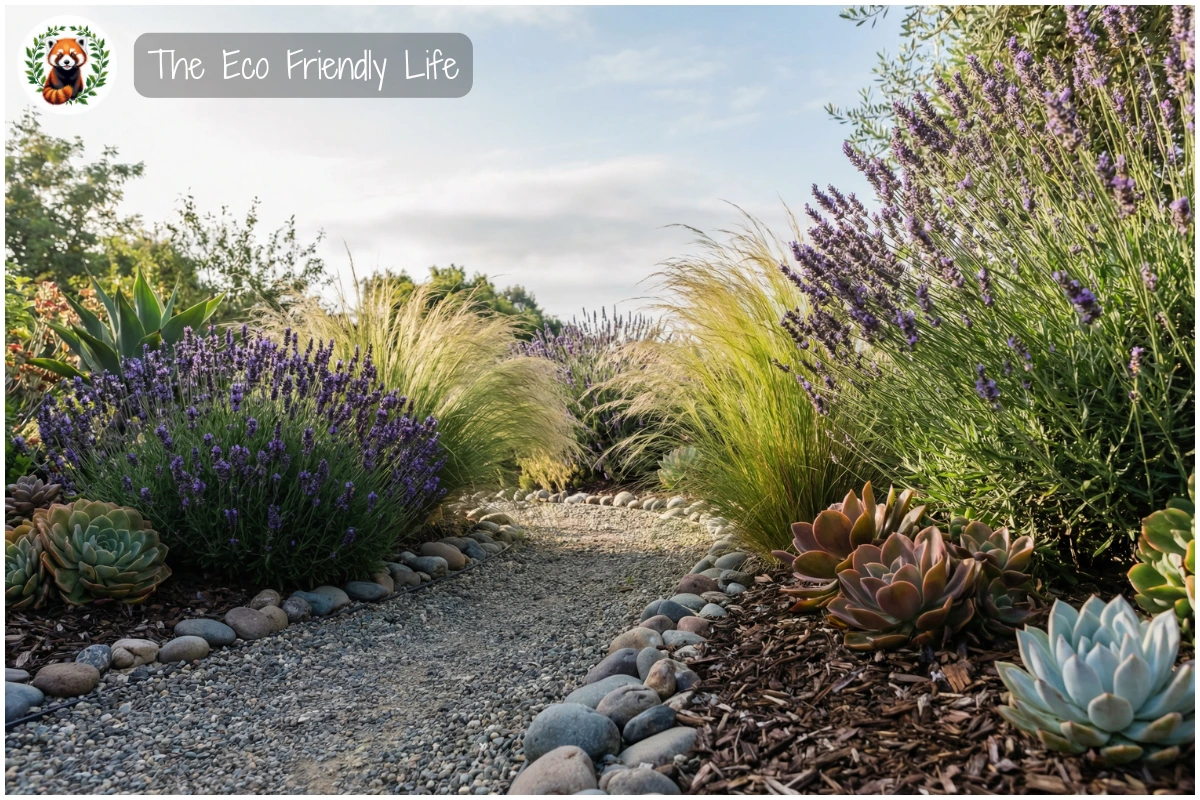
With your outdoor spaces optimized for water efficiency, you’ve addressed one of the largest sources of household water use. But even the most efficient fixtures and gardens can’t compensate for hidden leaks silently draining resources and money, which makes detection and repair essential to your conservation efforts. How to identify and fix these problems before they escalate comes next.
Brands and Tools That Support the Planet — Our Recommendations
Finding the right products and retailers makes implementing water conservation easier and more effective. These carefully selected retailers offer affiliate programs and provide high-quality water-saving products directly related to reducing household water usage, with options accessible to customers worldwide.
Our Retailer Recommendations for Adults
DripWorks
Since 1991, DripWorks has specialized in drip irrigation, complete irrigation kits, and rainwater harvesting components for homeowners and professionals. Their extensive catalog includes everything from basic drip lines to complete irrigation kits designed to reduce outdoor water consumption by up to 50%. With educational resources and expert support, DripWorks helps customers implement effective water-saving irrigation. Ships throughout the United States with international inquiries welcomed.
BlueBarrel Systems
BlueBarrel creates innovative rainwater harvesting kits that transform recycled 55-gallon barrels into modular rainwater collection systems. Their professionally-designed systems offer the lowest price-per-gallon storage on the market while keeping plastic barrels out of landfills. Each DIY RainKit includes everything needed for installation with detailed instructions and video tutorials. BlueBarrel facilitates local barrel sourcing across North America and ships their RainKits throughout the United States and Canada.
Aquasana
Aquasana manufactures premium water filtration systems, shower filters, and whole-house solutions that reduce chlorine and contaminants while encouraging reduced bottled water consumption. Their NSF-certified shower filters remove over 90% of chlorine, promoting water efficiency by making tap water more appealing for all household uses. With 15,000+ five-star reviews and high average order values, Aquasana demonstrates proven customer satisfaction. Ships throughout North America with international distribution partners.
EarthHero
As a certified B Corp and Climate Neutral company, EarthHero curates home essentials, reusable water bottles, eco-friendly cleaners, and zero-waste essentials from over 150 vetted brands. Their marketplace includes water-saving shower products, reusable alternatives to disposable items, and sustainable household goods that support conservation values. EarthHero donates 1% of sales to environmental nonprofits through 1% for the Planet and ships throughout the United States with expanding international reach.
Our Retailer Recommendations for Kids/Families
Klean Kanteen
Since 2004, Klean Kanteen has pioneered stainless steel bottles, kids’ sippy bottles, food storage containers, and steel straws designed to eliminate single-use plastic. Their durable, BPA-free products feature kid-friendly designs with fun colors and patterns that encourage hydration while teaching sustainable habits. As a certified B Corporation operating in over 40 countries, Klean Kanteen demonstrates commitment to environmental stewardship with 100% renewable electricity usage. Available globally through international distributors and online retailers.
EcoVessel
EcoVessel creates insulated kids’ water bottles, triple-insulated drink containers, and reusable drinkware for families featuring TriMax technology that keeps beverages cold for 36 hours. Their vibrant, durable designs survive active lifestyles while helping families reduce plastic bottle waste. EcoVessel products come in sizes perfect for small hands and school lunchboxes, making sustainable hydration accessible for children of all ages. Since joining 1% for the Planet, they’ve donated 5% of online sales to environmental protection charities. Ships throughout North America with select international availability.
These retailers share a commitment to environmental stewardship while providing practical products that make water conservation achievable for every household member. Supporting them helps fund continued development of sustainable solutions while equipping your home with effective conservation tools. Now that you have access to the right products, examine how to identify and fix leaks that undermine your conservation efforts.
Detecting and Fixing Leaks Promptly
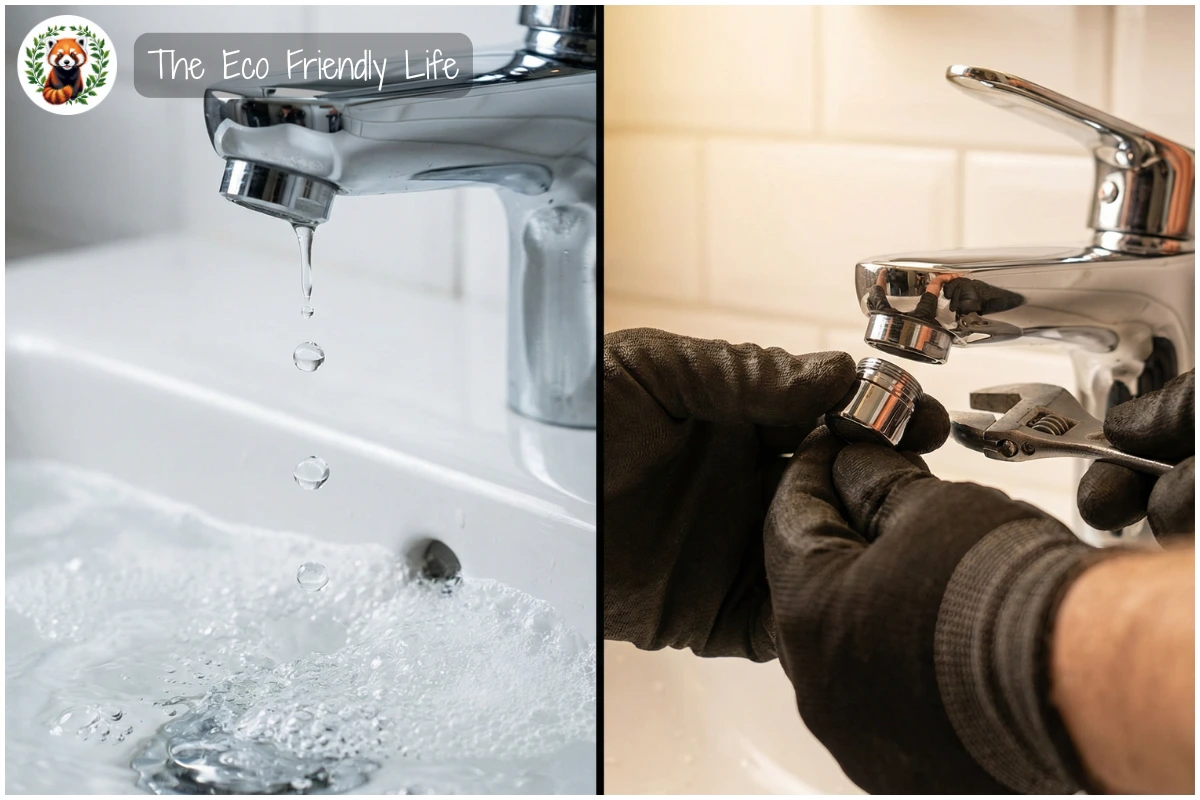
Small Leaks Create Big Problems: Hidden leaks are silent water thieves that can waste astounding amounts before you notice them. A dripping faucet losing just one drop per second wastes approximately 10,000 liters annually—enough to fill a small swimming pool. Running toilet leaks are even worse, potentially wasting 9,000 liters or more per year. EPA leak statistics indicate that the average household can waste significant amounts daily on household leaks, though many homes have no leaks while others experience severe waste. These losses add up on water bills and strain municipal supplies unnecessarily.
Conduct Regular Leak Detection: Checking for leaks should be part of routine home maintenance. Start with a simple meter test: turn off all water-using appliances and taps, record your water meter reading, wait 15-20 minutes without using any water, then check the meter again. If the numbers have changed, you have a leak. For toilets, perform the “paper test” by placing toilet paper at the back of the bowl and waiting without flushing—if it becomes wet, water is seeping from the cistern. Add food coloring to the tank and watch if color appears in the bowl without flushing. Check outdoor irrigation systems for broken sprinkler heads or line leaks that create unexplained wet patches.
Smart Technology Aids Detection: Modern smart water meters change leak detection by providing real-time consumption data and automatic alerts. These digital meters monitor usage hourly and can notify you immediately via text or email if overnight consumption suggests a running tap or toilet. Some systems compare your usage patterns to similar households, flagging anomalies that might indicate problems. While installation often requires utility company participation, smart meters pay for themselves by catching costly leaks early before they cause thousands of dollars in damage.
Fix Problems Quickly: Many leak repairs require no special expertise. Dripping faucets often need only a new washer or O-ring, available at hardware stores for a few dollars. Running toilets typically result from worn flapper valves that cost $10-20 and install in minutes. For irrigation systems, replace damaged sprinkler heads or repair broken lines yourself or through a landscaping professional. Major leaks involving pipes behind walls or underground require professional plumbers, but catching them early through vigilant monitoring prevents catastrophic damage and water waste.
With leaks detected and repaired, your water conservation system is operating at peak efficiency. Beyond these physical improvements and repairs, simple daily behaviors can amplify your water savings significantly without requiring any investment or special equipment.
Practical Daily Tips You Can Action Today
| Tip | How to Implement | How It Helps |
|---|---|---|
| Shorten Showers | Aim for 4-minute showers using a timer or waterproof clock. Challenge family members to beat their time. | Reduces water use by 20-40 liters per shower, saving thousands of liters monthly for an average household. |
| Turn Off Taps | Close taps while brushing teeth, soaping hands, or shampooing hair. Only run water when actively rinsing. | Saves 8 gallons (30 liters) per day when brushing teeth alone, preventing unnecessary waste. |
| Run Full Loads | Only operate washing machines and dishwashers when completely full. Combine smaller laundry loads when possible. | Maximizes water efficiency per item cleaned and reduces total wash cycles needed weekly. |
| Keep Drinking Water Cold | Store a jug of water in the refrigerator rather than running taps until water cools. | Eliminates the 2-4 liters typically wasted waiting for cold water from taps. |
| Reuse Vegetable Water | Save water used for rinsing or boiling vegetables (once cooled) for watering houseplants or gardens. | Repurposes nutrient-rich water that would otherwise go down the drain. |
| Monitor Water Bills | Review monthly bills for unusual increases that might indicate leaks or inefficient practices. | Enables early problem detection and tracks conservation progress over time. |
| Educate Family Members | Discuss water conservation importance and post reminder signs near taps and showers. | Creates household-wide awareness and commitment to conservation behaviors. |
| Collect Shower Warm-Up | Place a bucket in the shower to catch cold water while waiting for hot water. Use for plants or flushing. | Captures 5-10 liters per shower that typically flows unused down the drain. |
| Wash Produce in Bowl | Fill a bowl or sink to wash fruits and vegetables instead of running water continuously. | Uses a fraction of the water compared to washing under running tap. |
| Choose Quick Rinse | Select the shortest appropriate wash cycle on appliances and use eco-modes when available. | Reduces both water consumption and energy use while maintaining cleaning effectiveness. |
These straightforward actions require no financial investment yet deliver immediate water savings. By incorporating even half of these tips into daily routines, households can reduce consumption by 20-30%. As you implement these practical behaviors, questions inevitably arise about specific situations and techniques.
Frequently Asked Questions
How much water can I realistically save with these conservation measures?
Most households can reduce water consumption by 30-50% through a combination of efficient fixtures, leak repairs, and behavioral changes. Installing low-flow showerheads and dual-flush toilets alone can save 50,000-80,000 liters annually for a family of four, while fixing even small leaks prevents another 10,000-20,000 liters from being wasted.
Are water-efficient fixtures as effective as standard ones for cleaning?
Modern water-efficient fixtures perform as well or better than traditional models. Low-flow showerheads use aeration technology to maintain pressure satisfaction, dual-flush toilets employ improved bowl designs that require less water for complete flushing, and Energy Star appliances include advanced sensors and spray technology that clean more effectively than older models while using less water.
Is rainwater safe to use in my home?
Rainwater collected from roofs is generally safe for non-potable uses including irrigation, car washing, and toilet flushing without treatment. For laundry or other indoor applications, basic filtration removes debris. Drinking rainwater requires multi-stage filtration and disinfection to remove potential contaminants from roofing materials and airborne particles, which is achievable with appropriate treatment systems.
Will xeriscaping make my garden look unattractive?
Xeriscaping creates diverse, colorful, and attractive landscapes using drought-tolerant plants, ornamental grasses, flowering perennials, and native species. These gardens often have more visual interest than traditional lawns, with varied textures, seasonal blooms, and wildlife appeal. Many award-winning landscapes use xeriscape principles while looking lush and vibrant year-round.
Organizations to Support – Our Recommendations
Supporting organizations dedicated to global water access amplifies your personal conservation efforts by contributing to large-scale solutions.
- Water.org – Co-founded by Matt Damon and Gary White, Water.org has empowered more than 85 million people worldwide with access to safe water and sanitation through microfinance programs. Their WaterCredit initiative helps families in need secure small, affordable loans to install household water connections and toilets, breaking cycles of poverty. Support their mission to expand access in 11 countries across Africa, Asia, and Latin America by making a donation to Water.org.
- WaterAid – Operating for over 40 years, WaterAid has reached 29 million people with clean water, 29 million with decent toilets, and 28 million with hygiene education. This international nonprofit works alongside communities to establish sustainable water systems, train local workforces, and advocate for improved water policies. Help WaterAid reach 400 million more people with life-saving clean water in the next decade by contributing to their global programs.
- charity: water – This nonprofit has funded over 3,350 water projects worldwide since 2008, bringing clean water to more than 500,000 people. charity: water operates with a 100% model—all public donations directly fund water projects, with GPS coordinates provided so you can see exactly where your contribution goes. Help end the global water crisis one community at a time by giving to charity: water’s clean water projects.
These organizations demonstrate proven track records of transparency, effectiveness, and lasting impact in addressing global water challenges.
Resources and Further Reading
Deepen your understanding of water conservation and management through these expert resources.
- EPA WaterSense – The U.S. Environmental Protection Agency’s WaterSense program provides comprehensive information about water-efficient products, rebates, and conservation strategies. Since launching in 2006, the program has helped save over 2.1 trillion gallons of water through labeled products and educational resources. Access product specifications, water-saving calculators, and implementation guides through EPA WaterSense to inform your decisions about water efficiency in your home.
- World Resources Institute Aqueduct – WRI’s Aqueduct tools use open-source data to map and analyze current and future water risks including floods, droughts, and stress across global locations. This comprehensive resource helps understand water challenges at regional, national, and local scales with high-resolution data and projections. Explore WRI’s Aqueduct water risk mapping tools and data to assess water security and identify solutions for your region.
- UN-Water – As the United Nations inter-agency coordination mechanism for all freshwater-related matters, UN-Water provides authoritative information on global water challenges, Sustainable Development Goal 6 progress, and integrated water resource management. Access UN-Water’s data, policy frameworks, and international collaboration resources for comprehensive information on water sustainability initiatives worldwide.
These resources offer evidence-based information from leading authorities in water management and conservation.
Our Related Articles

Eco-Friendly Insulation And Window Options
Keeping our homes comfortable while reducing our environmental impact has become one of the most important challenges of modern living. As energy costs rise and…
Read More
How To Make Your Home Energy-Efficient
Rising energy costs and growing environmental concerns are driving more people than ever to rethink how they power their homes. The good news? Making your…
Read More
What Is A Sustainable Home?
The way we build and inhabit our homes has a profound impact on the planet. From the energy we consume to the materials we use,…
Read MoreConclusion
Water conservation at home requires neither complicated systems nor demanding schedules—it’s a series of thoughtful choices that collectively create profound impact. From the simple act of turning off the tap while brushing your teeth to the more substantial investment in water-efficient fixtures, every action matters. We’ve explored how understanding your consumption patterns, upgrading to modern appliances, harvesting alternative water sources, creating drought-tolerant landscapes, detecting leaks, and adjusting daily habits can reduce household water use by 30-50% or more. These changes lower utility bills and contribute to preserving precious freshwater resources for future generations and ecosystems that depend on them.
The journey toward sustainable water use is ongoing, and perfection isn’t the goal—progress is. Start with the changes that feel most manageable for your household, celebrate your successes, and gradually incorporate additional strategies over time. Remember that your individual efforts inspire neighbors, friends, and family while contributing to collective conservation that makes measurable differences in community water security.
What water conservation strategy are you most excited to implement first in your home? Perhaps you’re planning to install low-flow showerheads, start collecting rainwater, or transform your lawn into a beautiful xeriscape garden. Share your thoughts, experiences, and questions in the comments below—your insights might inspire others on their own conservation journeys, and together we can create a community committed to protecting our most vital resource.