



When ordinary people come together around a shared concern and decide to act, something powerful happens. A grassroots movement begins not in boardrooms or government offices, but in neighborhoods, community centers, and living rooms where individuals recognize their collective capacity to create change. These movements represent democracy in its most authentic form—people organizing from the ground up to address issues that directly affect their lives, from environmental protection to social justice, from local neighborhood improvements to systemic policy reforms.
Unlike top-down initiatives driven by institutions or political leaders, grassroots movements use the passion, dedication, and lived experiences of everyday citizens who refuse to wait for someone else to solve the problems they see in their communities. I’m Katrina, and like many of you, I’m someone who believes deeply in sustainable living and the strength we hold when we work together. I’ve witnessed firsthand how small actions, when multiplied across a community, can spread outward to create lasting change. Whether you’re concerned about climate change, social inequality, or simply want to make your neighborhood a better place to live, understanding grassroots movements is your gateway to becoming part of something bigger than yourself. Read on to see how these community-driven efforts are reshaping our world, one local action at a time.
Understanding Grassroots Movements
The Foundation of Change: A grassroots movement is essentially a collective endeavor that grows from the community level, much like community-driven organizing across a field. The term itself captures the organic, bottom-up nature of these efforts—change that springs from the “grass roots” of society rather than being imposed from above. Senator Albert Jeremiah Beveridge of Indiana is credited with early use of this political metaphor in 1912 when he described the Progressive Party as having “come from the grass roots” and grown “from the soil of people’s hard necessities.” This grassroots approach differs from traditional power structures because it is not dictated by large corporations or government bodies; instead, it runs on the passion and dedication of volunteers who are directly affected by the issues they seek to address.
People-Powered Decision Making: What distinguishes grassroots movements from other forms of social organization is their commitment to participatory democracy and collective action from volunteers at the local level. These movements use self-organization to encourage community members to contribute by taking responsibility and action for their community. The power lies not in having the most money or the loudest megaphone, but in the authenticity of connection to the lived experiences of the people involved. When a neighborhood experiences pollution in a local stream, a grassroots response means residents come together to test water quality, organize clean-ups, plant native vegetation, and educate others about responsible waste disposal—all driven by their direct stake in the outcome.
Historical Roots and Evolution: Throughout history, grassroots activism has been powerful for change in societies around the world. The origins can be traced back to early colonial protests against British taxation, with the American Revolution itself representing a grassroots movement driven by ordinary people willing to fight for their rights and freedoms. In the years following, movements for women’s suffrage, abolition, and workers’ rights all gained momentum through grassroots organizing. The civil rights movement of the 1960s stands as perhaps the most famous example, where ordinary people fed up with systemic racism and discrimination used sit-ins, marches, and peaceful protest to bring attention to their cause and pressure leaders to take action. More recently, environmental movements have emerged as strong grassroots forces, with activists working to address climate change and protect vulnerable ecosystems.
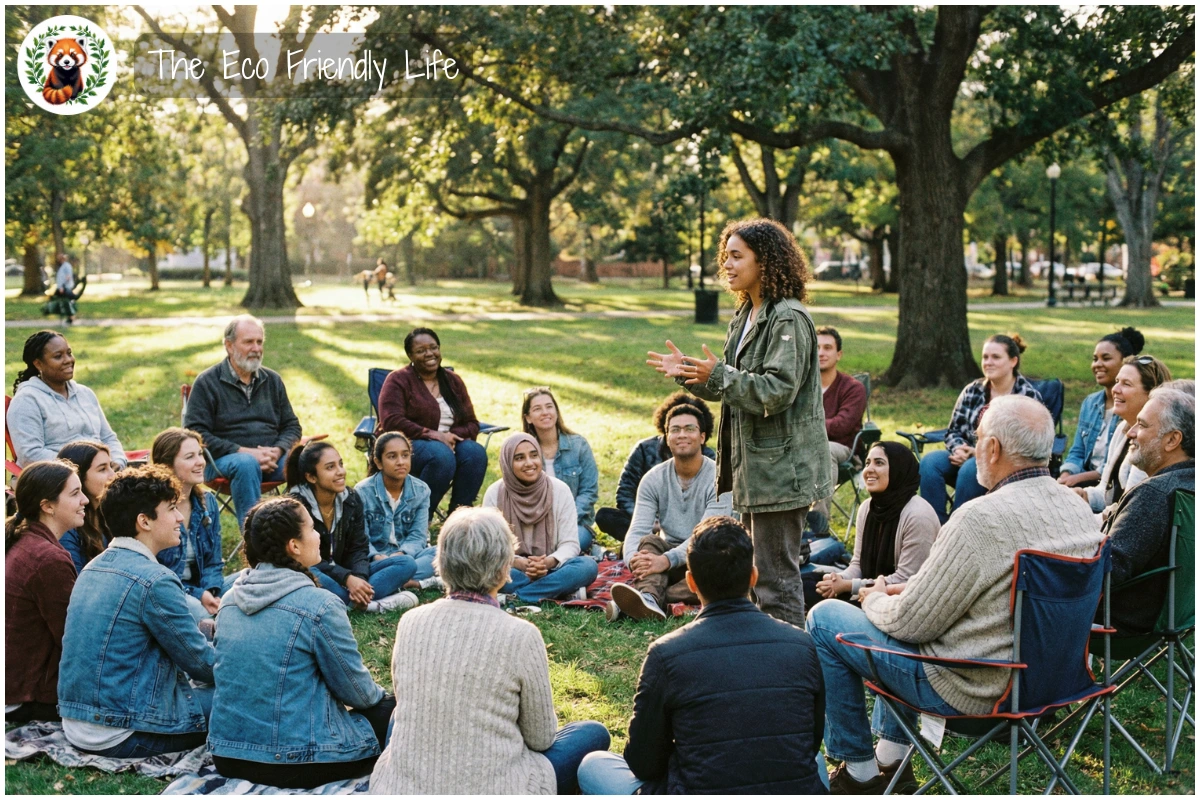
The influence of grassroots movements lies in their ability to give voice to marginalized communities and challenge the status quo. From the abolitionist movement to contemporary environmental and social justice movements, grassroots activism has consistently pushed societies toward greater equality and justice. These movements operate outside of traditional power structures, often challenging them and proposing alternative ways of living. They function as testing grounds for sustainable practices and social innovations, serving as “niches” where radical ideas can emerge and challenge the dominant socio-technical “regime.”
Building Blocks of Effective Grassroots Organizing
Starting with Shared Concerns: Every successful grassroots movement begins with identifying an issue that resonates deeply within a community. The organizer’s first responsibility is building trust on a personal level with the community, understanding that organizing requires building relationships, not just engaging in transactions. This means listening to the community to understand its concerns and problems rather than imposing external priorities. The organizer must recognize that their political priorities may not be the priorities of the community, and they should discuss with community leaders possible solutions that the community might support to resolve these concerns.
Recruitment and Mobilization Strategies: Building a grassroots base requires strategic recruitment that meets people where they are. The most effective approach starts with those most affected by the issue—people who can speak from personal experience rather than secondhand knowledge. Direct, personal asks are often the best recruitment tool, as many people will get involved if personally invited and made to feel needed. Successful movements also offer easy entry points with bite-sized opportunities that lower barriers to participation, such as signing a petition, attending an information session, or joining a social event. This “ladder of engagement” concept gradually deepens involvement, converting casual supporters into core activists over time.
Organizational Structure and Leadership: Effective grassroots movements distribute work and develop layers of leadership rather than concentrating power in a few individuals. The organization is member-driven—the agenda is set by members, the governing body is elected by members, and the language resonates with members. Rather than one leader managing dozens of individuals, successful movements employ models like the “snowflake” structure where small teams each have local team leaders who coordinate with overall organizers. This distributed leadership approach empowers emerging leaders, provides mentorship and support, and ensures the movement can scale effectively.
Communication and Strategy: Grassroots movements utilize a variety of strategies, from fundraising and registering voters to encouraging political conversation. The key is focusing on increasing mass participation in politics while maintaining authenticity and connection to community needs. Modern movements leverage both traditional tactics—door-to-door canvassing, phone calls, community events—and digital tools like social media campaigns to spread their message. However, the most effective organizing happens through one-on-one conversations that allow for deep, personal engagement where organizers can address concerns and objections on the spot. Success comes from meeting people in places where they are comfortable and accessible, both online and offline.
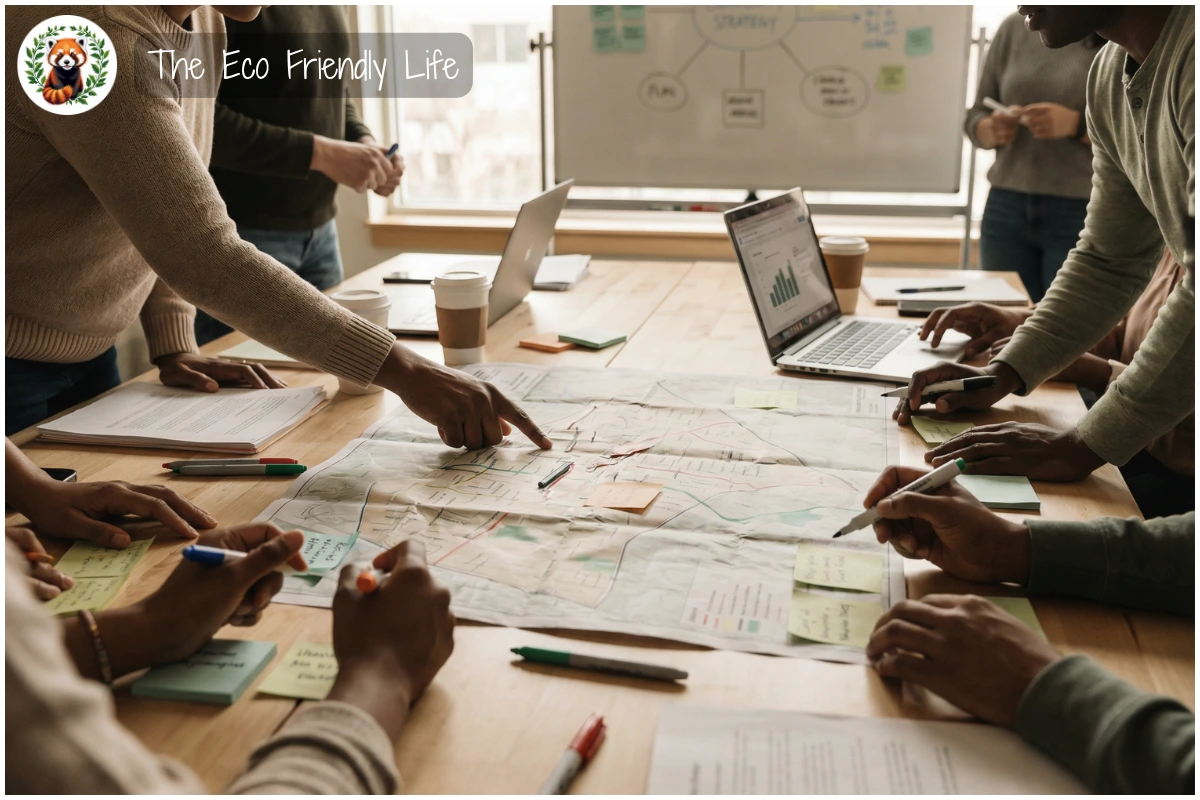
Successful grassroots efforts also understand the value of measuring what matters. Rather than tracking lagging indicators like votes during early voting, effective campaigns measure daily behaviors that predict future outcomes—tracking quality conversations with target voters, not just door knocks. They also continuously reevaluate the effectiveness of their strategies and tactics, communicating changes to community leaders and the community itself. This adaptive approach, combined with strong community engagement through canvassing, community meetings, workshops, and teach-ins, creates the foundation for lasting impact.
The Impact and Influence of Grassroots Movements
Driving Policy and Social Change: Grassroots movements have demonstrated strong capacity to influence policy and reshape social norms at local, regional, national, and even international levels. The civil rights movement achieved landmark legislation including the Civil Rights Act of 1964 and the Voting Rights Act of 1965, which dismantled legal segregation and ensured voting rights for African Americans. More recently, environmental grassroots efforts like the protests against the Dakota Access Pipeline in 2016 raised global awareness about Indigenous rights and environmental protection, influencing future activism and policy discussions. In the United Kingdom, Extinction Rebellion’s 2019 protests led to Parliament declaring a climate emergency, with over 300 local councils following suit, demonstrating how grassroots disruption can move climate issues to the center of political discussion.
Empowering Democratic Participation: Community organizing demonstrates that democracy extends far beyond casting votes—it’s about the power ordinary people hold to reshape society. Grassroots movements exemplify participatory democracy at its most authentic, providing ordinary people with tools to address issues that institutional politics often ignores. They empower communities to advocate for their own needs and redefine what is possible, giving voice to citizens often sidelined in national debates. Research shows that movements succeed by combining local grassroots mobilization with strategic capacity, relational power, and transformative organizing that builds leadership from within communities and maintains sustained pressure over time.
Building Community Capacity and Resilience: Beyond immediate policy wins, grassroots movements build long-term community capacity for environmental management and social action. When community members actively participate in decision-making processes and hands-on activities, they develop deeper attachment to their surroundings and vested interest in its well-being. This sense of collective responsibility builds a culture of environmental consciousness that extends beyond project boundaries, inspiring broader societal changes toward sustainability. Environmental workshops, for instance, serve as incubators for grassroots movements, providing platforms for individuals to connect with like-minded peers, form alliances, and mobilize resources for collective action.
Shifting Power Dynamics: The impact of grassroots movements on democracy goes beyond promoting regime change or democratic innovation in governing institutions. Movements can create “democratic laboratories” where experimentation around core democratic values leads to impacts in multiple arenas. The hybridity of grassroots approaches—combining local agility with broader influence—allows movements to respond quickly to local needs while scaling to address systemic issues. Scholars note that grassroots movements can be especially powerful when they create disruption that pressures elites to make concessions, though early formalization can dilute flexibility and reduce impact.

The sustainability of grassroots impact depends on several factors. Movements that combine insider and outsider strategies—lobbying alongside direct action and protests—tend to be more effective. Building broad coalitions between grassroots groups, NGOs, unions, academics, and other allies creates a strong, resourceful force for winning lasting change. Additionally, movements that maintain grassroots character—keeping decision-making at the community level while accessing resources from larger organizations—are better positioned to achieve meaningful, lasting transformation.
Brands and Tools That Support the Planet — Our Recommendations
Learning from the experiences of successful organizers is vital for anyone interested in grassroots activism and community organizing. The following retailers offer books and educational resources specifically focused on grassroots movements, community organizing strategies, and social change—all delivered globally to support activists wherever they are.
Adult-Focused Resources for Organizers and Activists
Bookshop.org
Bookshop.org is an online bookstore that financially supports independent bookshops worldwide while offering a vast selection of books on grassroots organizing, community activism, and social justice. The platform carries essential titles like “Rules for Radicals” by Saul Alinsky, “Prisms of the People” by Hahrie Han, “Organizing for Social Change” by the Midwest Academy, and “The Activist’s Handbook” by Aidan Ricketts. With worldwide shipping available, activists globally can access the knowledge they need to build effective movements.
Better World Books
Better World Books is a certified B Corporation and socially-conscious bookseller that has raised over $35 million for literacy initiatives while donating 38 million books worldwide. They specialize in new and used books on activism, social movements, and community organizing, offering titles at accessible prices with worldwide delivery. Their Book-for-Book program matches every purchase with a book donation to someone in need. The retailer carries comprehensive resources on grassroots strategies including “Roots to Power: A Manual for Grassroots Organizing” and “How Organizations Develop Activists.”
The Commons Social Change Library
The Commons is a free digital library offering 1,500+ educational resources specifically designed for activists, organizers, and campaigners. While not a traditional retailer, this comprehensive online resource provides campaign strategy guides, community organizing toolkits, workshop materials, and case studies—all freely accessible to movements worldwide. Resources include “5 Tools to Plan Your Campaign Strategy,” collections of books on activism and social change, and practical guides from experienced organizers. For those seeking to deepen their organizing knowledge without cost barriers, The Commons represents an invaluable complement to purchased books, offering immediate access to tested strategies and frameworks from successful movements.
Educational Resources for Youth and Emerging Activists
Bookshop.org Youth Selection
The same platform that serves adult organizers also offers an extensive collection of books designed to educate and inspire young activists. Titles like “Beyond Resistance! Youth Activism and Community Change” edited by Shawn Ginwright, Pedro Noguera, and Julio Cammarota, along with “Catch the Fire: An Art-Full Guide to Unleashing the Creative Power of Youth” provide frameworks specifically for youth-led organizing. These resources help young people understand their power to create change, develop leadership skills, and connect with broader social justice movements. Parents, teachers, and youth mentors can access these materials with worldwide shipping while supporting independent bookstores.
Social Justice Books
Social Justice Books is a project dedicated to curating children’s and young adult books that address social justice themes, including activism and community organizing. Their website features carefully selected booklists on “Activism and Organizing” for readers from pre-K through grade 12. While primarily a resource directory that links to retailers like Bookshop.org, Social Justice Books provides invaluable guidance for parents and educators seeking age-appropriate materials that introduce young people to concepts of grassroots movements, collective action, and democratic participation. Their curated selections ensure families can find books that spark meaningful conversations about social change and civic engagement.
Better World Books Youth Section
Better World Books offers an extensive collection of children’s and young adult titles focused on activism, social movements, and community organizing at affordable prices through their new and used book marketplace. Their social mission—matching every purchase with a book donation and supporting global literacy—makes them an ideal choice for families wanting to instill values of both activism and social responsibility. Youth can learn about historical movements, contemporary activism, and practical organizing skills through age-appropriate texts, while families know their purchases support literacy programs worldwide. The platform ships globally, making these educational resources accessible to young activists everywhere.
These retailers provide the essential educational foundation that every grassroots organizer needs. By investing in books and resources about community organizing, activists gain access to decades of accumulated wisdom, tested strategies, and inspiring examples from movements that have successfully created change. Whether you’re just beginning your organizing journey or looking to deepen your strategic thinking, these resources offer the knowledge to turn passion into effective action.
Challenges and Opportunities in Modern Grassroots Organizing
Resource Constraints and Sustainability: Grassroots movements often face significant challenges related to limited resources, potential backlash from opponents, and difficulty sustaining momentum over the long term. Unlike well-funded institutional campaigns, grassroots efforts typically rely on volunteer labor and small donations, making it difficult to compete with corporate or government resources. Organizations may struggle with time and cash constraints, though smaller groups do have advantages in meeting local people where they are and trying new approaches quickly. The question of how to fund grassroots work without compromising independence remains a persistent challenge, as relying on external funding can jeopardize organizational legitimacy and create tensions between professionalization and maintaining community connections.
Scaling Without Losing Authenticity: One of the critical tensions in grassroots organizing is how to scale impact while maintaining the community-rooted character that makes these movements powerful. As movements grow, there’s risk of hierarchization and co-optation, where the original grassroots character becomes diluted. Successful movements manage this by maintaining distributed leadership structures and ensuring that local communities retain decision-making authority even as broader coalitions form. The key is to let impacted communities lead, with NGOs and larger organizations following their guidance rather than imposing external priorities.
Digital Tools and the Participation Gap: Advances in technology and communication offer new opportunities for grassroots movements to overcome traditional challenges. Social media, crowdfunding platforms, and digital organizing tools have made it easier to reach larger audiences, raise funds, and coordinate actions effectively. However, digital activism also presents obstacles, particularly around the digital divide and surveillance risks in the Global South and authoritarian contexts. While mobility restrictions during the COVID-19 pandemic prompted greater dependence on virtual protest tactics, translating material activism into digital spaces requires careful attention to digital literacy and security.
Maintaining Momentum and Avoiding Burnout: Sustaining engagement over time requires intentional strategies to recognize achievements, maintain morale, and continuously recruit new participants. Movements that celebrate milestones and successes help maintain participant motivation. Transparency about how individual actions contribute to overall success serves as reward for efforts and keeps supporters motivated. Building in opportunities for reflection, relationship-building, and mutual support helps prevent burnout among core organizers and volunteers. The most effective movements understand that sustainable activism requires caring for the people doing the work, not just accomplishing tasks.
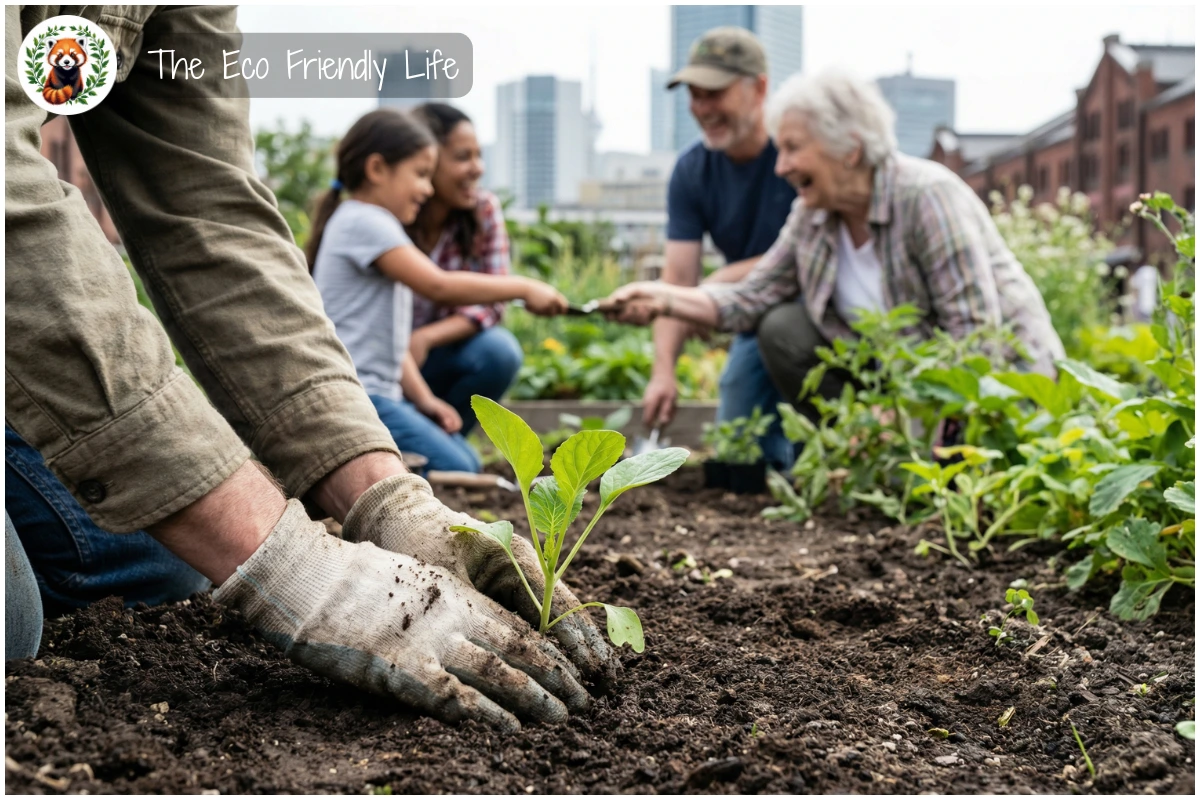
Despite these challenges, grassroots movements continue to demonstrate strong resilience and adaptability. By combining local knowledge with broader coalitions, leveraging both traditional and digital organizing tactics, and maintaining focus on community ownership and participatory decision-making, grassroots movements remain one of the most potent forces for social transformation. The lessons from successful movements emphasize the importance of starting small, building authentic relationships, distributing leadership, and keeping the needs and priorities of affected communities at the center of all organizing work.
Practical Daily Tips You Can Action Today
Grassroots change begins with individual actions. Here are ten practical ways you can contribute to community action and grassroots movements in your daily life:
| Tip | How to Implement | How It Helps |
|---|---|---|
| Start local conversations | Talk with neighbors, family, and friends about issues you care about. Listen more than you speak to understand their concerns. | Builds awareness and identifies potential allies. Relationships are the foundation of all grassroots organizing. |
| Attend community meetings | Find local town halls, neighborhood associations, or issue-focused gatherings. Show up and participate in discussions. | Demonstrates community interest in issues. Your presence adds legitimacy to grassroots concerns and helps build collective voice. |
| Support grassroots organizations | Donate time or money to local groups working on causes you care about. Even small contributions make a difference. | Provides essential resources for organizing efforts. Local groups often operate on shoestring budgets where every contribution counts. |
| Share information responsibly | Use social media to amplify grassroots campaigns, petitions, and events. Verify information before sharing. | Extends reach of grassroots messages. Digital amplification helps movements grow beyond immediate geographic areas. |
| Participate in peaceful protests | Join marches, rallies, or demonstrations for causes you support. Bring friends or family to increase impact. | Visible public action demonstrates strength of community feeling. Numbers matter in showing decision-makers the scale of concern. |
| Contact elected representatives | Call, email, or write letters to local and national officials about issues important to you. Be specific about what you want them to do. | Direct constituent pressure influences policy decisions. Elected officials track and respond to constituent communication. |
| Shop with your values | Choose to purchase from businesses that support sustainable practices and community initiatives. Research company ethics. | Economic choices signal market demand for ethical business. Supporting responsible businesses creates incentive for others to follow. |
| Host or attend workshops | Organize or participate in educational sessions about local issues, community organizing, or sustainable living practices. | Builds knowledge and skills within the community. Informed citizens are empowered citizens capable of effective action. |
| Document community issues | Take photos or videos of local problems (with permission). Share through appropriate channels to raise awareness. | Visual evidence makes problems tangible and harder to ignore. Documentation supports advocacy by showing real conditions. |
| Build local coalitions | Connect different community groups working on related issues. Facilitate conversations between organizations to identify common goals. | Unified efforts are more powerful than fragmented ones. Coalition-building multiplies impact by combining resources and constituencies. |
Each of these actions, when multiplied across a community, contributes to building the foundation for larger grassroots movements. The key is consistency and authentic engagement—showing up repeatedly and building genuine relationships over time creates the trust and solidarity necessary for collective action.
FAQs
What’s the difference between a grassroots movement and other types of activism?
Grassroots movements originate from the bottom up, driven by ordinary community members directly affected by issues, whereas other activism might be organized top-down by established institutions or funded campaigns. The key distinction is that grassroots efforts prioritize local participation and community ownership of both the problem and the solutions.
Do grassroots movements actually create change, or are they just symbolic?
History demonstrates that grassroots movements create substantial, lasting change—from the civil rights movement achieving landmark legislation to environmental campaigns stopping harmful projects. While not every movement succeeds, those that combine persistent organizing, clear demands, and strategic action regularly influence policy and shift social norms at local, national, and international levels.
How much time does participating in a grassroots movement require?
Participation can range from minimal time commitments like signing petitions or sharing information online, to more involved roles like attending weekly meetings or organizing events. Effective movements offer a “ladder of engagement” with entry points for various time commitments, allowing people to contribute according to their capacity.
Can grassroots movements work on issues beyond environmental concerns?
Absolutely. While environmental grassroots movements are prominent, the model applies to virtually any community concern—education reform, healthcare access, workers’ rights, affordable housing, food justice, racial equality, and countless other issues. The grassroots approach works wherever people share common concerns and organize collectively to address them.
Organizations to Support – Our Recommendations
If you’re inspired to support grassroots organizing and community action, these global organizations provide critical resources to movements around the world:
- GlobalGiving: As a nonprofit that connects donors with grassroots projects worldwide, GlobalGiving makes it easy to support locally-led initiatives tackling community challenges from disaster relief to environmental protection. Their platform features vetted projects where you can donate and receive regular updates showing your direct impact, empowering communities to create their own solutions rather than imposing external approaches.
- The Fund for Global Human Rights: This organization delivers funding, strategic support, and emergency assistance directly to grassroots human rights activists and movements worldwide who are working to stop repression and protect fundamental freedoms. With over $166 million delivered to 1,400+ organizations globally, they specialize in supporting the often-invisible work of local activists confronting injustice in their own communities. Your contribution helps these frontline defenders keep going despite facing crackdowns and threats.
- Global Fund for Women: For nearly 40 years, Global Fund for Women has shifted power to feminist movements on the frontlines of creating lasting change, providing over $230 million in grants to 5,600+ organizations across 175 countries. They fund bold activists, groups, and movements mobilizing against harassment, discrimination, violence, and oppression, with support going directly to grassroots partners who understand their communities’ needs best. Your gift fuels movements working to end civil wars, elect female presidents, and secure protective laws for marginalized people.
These organizations exemplify the principle of community-led change by channeling resources directly to grassroots initiatives rather than imposing solutions from above, ensuring that people most affected by challenges lead their own movements for change.
Resources and Further Reading
For those wanting to deepen their understanding of grassroots organizing and put these principles into practice, these expert resources provide valuable guidance:
- Organizing: People, Power, Change: This comprehensive guide by scholar-activist Marshall Ganz from Harvard Kennedy School explores the five key leadership practices of community organizing—telling stories, building relationships, structuring teams, strategizing, and acting—with practical frameworks for developing capacity for effective grassroots work. The resource emphasizes creating shared relational commitment and recasting individual interests as common interests.
- SNCC Legacy Project – First Principles of Organizing: Drawing from the legendary Student Nonviolent Coordinating Committee’s civil rights organizing work, this resource outlines 14 essential lessons for grassroots organizing, emphasizing building trust, listening to communities, empowering local leadership, and continuously evaluating strategies. These time-tested principles from one of history’s most effective grassroots movements remain profoundly relevant today.
- Community Organizing Principles and Practice Guidelines: This detailed academic resource from Hunter College provides 13 core principles for effective community organizing, including understanding power dynamics, making your case with evidence, assuming the principle of least contest, and balancing process with product. It offers practical guidance for navigating the complex sociopolitical and technical dimensions of organizing work.
These resources represent decades of accumulated wisdom from successful organizing efforts worldwide, offering both theoretical frameworks and practical tools for anyone committed to grassroots change.
Our Related Articles

How To Get Involved In Local Climate Action
The climate crisis often feels like a distant, insurmountable challenge played out on global stages among world leaders and massive corporations. However, the most tangible…
Read More
Why Community Involvement Is Essential For Climate Action
Climate change is not just a distant threat for future generations—it is actively reshaping our world today. From unprecedented heatwaves to devastating floods, rising sea…
Read MoreConclusion
Grassroots movements remind us that profound change doesn’t require waiting for permission from those in power—it begins when ordinary people recognize their collective capacity to shape the world around them. From historical movements that achieved civil rights and environmental protections to contemporary campaigns addressing climate change and social justice, grassroots organizing has consistently proven itself as one of the most powerful forces for progress. These movements succeed not through massive budgets or institutional authority, but through authentic relationships, persistent effort, and the courage of communities to advocate for themselves.
The beauty of grassroots action is that it’s accessible to everyone. Whether you attend a community meeting, support a local organization, participate in a protest, contact your representatives, or simply start conversations with neighbors about issues you care about, you’re contributing to the larger movement for change. Every individual action, when multiplied across a community, creates effects that extend far beyond their origin. As we face urgent challenges from climate crisis to social inequality, grassroots movements offer not just hope, but a proven pathway toward the more just, sustainable, and equitable world we need.
Now I want to hear from you: What issue in your community needs grassroots action, and what’s one step you could take this week to start addressing it? Share your thoughts and experiences in the comments below—your story might inspire others to take their first step toward creating change.