


The modern world bombards us with messages to buy more, own more, and do more. But what if the path to greater happiness, financial security, and environmental sustainability lies in the opposite direction? Minimalism—a lifestyle choice centered on living with less and prioritizing what truly matters—offers a compelling alternative to the consumption-driven culture that dominates our daily lives. This approach isn’t about deprivation or austerity; it’s about intentionally curating your life to make space for experiences, relationships, and values that bring genuine fulfillment.
Hello, I’m Katrina, and like many of you, I’ve spent years navigating the pull between wanting to live more sustainably and feeling overwhelmed by where to start. My journey toward minimalism began with small, thoughtful choices that gradually transformed how I relate to my possessions, my time, and my impact on the planet. I’ve discovered that minimalism isn’t just about having less stuff—it’s about creating space for what matters most while simultaneously reducing our environmental footprint. If you’re curious about how embracing “less” can actually give you more freedom, peace, and purpose, keep reading to explore the practical and profound ways minimalism can reshape your life for the better.
Understanding the Minimalist Philosophy
The Origins of Modern Minimalism: While minimalism as an art movement emerged in the 1960s visual arts with artists like Frank Stella and Donald Judd creating works that stripped away excess to reveal essential forms, the lifestyle movement we recognize today has deeper roots spanning multiple cultures. The philosophy evolved from various traditions emphasizing simplicity, from Japanese aesthetics to Scandinavian design born from post-war economic necessity. What started as an artistic reaction against Abstract Expressionism has transformed into a comprehensive approach to living that questions conventional relationships with material possessions.
Voluntary Simplicity as a Core Value: At its heart, minimalism embraces voluntary simplicity—the conscious choice to reduce consumption in exchange for more time, freedom, and meaningful experiences. This isn’t about forced scarcity but intentional abundance in the areas that truly matter. The lifestyle challenges the dominant narrative that accumulation equals success, instead proposing that deliberately limiting possessions can create space for personal growth, stronger relationships, and deeper connection to purpose.
Three Dimensions of Minimalist Living: Research identifies three distinct dimensions that define the minimalist consumer: owning fewer possessions, preferring sparse aesthetics with simple and uncomplicated designs, and practicing mindfully curated consumption through thoughtful selection of items. These dimensions work together to create a lifestyle that values quality over quantity, function over fashion, and intentionality over impulse.
This philosophy extends beyond just de-cluttering your home—it’s fundamentally about shifting from a consumer mindset to one of conscious curation. The minimalist approach encourages examining every purchase, commitment, and possession through the lens of whether it genuinely adds value to your life or merely occupies space. With this understanding of minimalism’s foundations, we can now explore how this lifestyle choice directly benefits our planet.
The Environmental Imperative
Reducing Your Carbon Footprint Through Less: The environmental case for minimalism is compelling and quantifiable. Those who adopt minimalist behaviors achieve approximately 22–23% smaller carbon footprints compared to regular consumers, primarily through reduced clothing and food consumption. Members of grassroots environmental initiatives have about 16% lower total carbon footprints than non-participating individuals, with even larger reductions in specific categories like 43% lower for food and 86% lower for clothing. These reductions stem from decreased demand for manufacturing, transportation, and packaging—all major contributors to global greenhouse gas emissions.
Breaking the Cycle of Overconsumption: The fashion industry alone ranks as the fourth environmental pressure in Europe in terms of primary resource use. By embracing minimalist practices like capsule wardrobes—owning approximately 30–50 versatile pieces that coordinate easily—individuals significantly reduce textile waste while maintaining functional, stylish clothing options. This approach directly challenges fast fashion’s disposable culture and the environmental devastation it causes through water pollution, chemical use, and textile waste.
Waste Reduction and Resource Conservation: Minimalism’s environmental benefits extend beyond carbon emissions. By owning fewer possessions and being more mindful of purchases, minimalists generate substantially less waste—crucial for managing overflowing landfills. The movement encourages buying only what you need, choosing durable items over disposable ones, and supporting the circular economy through second-hand purchases and donation of unwanted items. Second-hand consumption can reduce environmental impacts by up to 42% for climate impact metrics, while reuse initiatives have diverted over 1 million tonnes of waste from landfill. This conscious consumption pattern helps preserve finite resources, reduce deforestation for packaging materials, and minimize plastic pollution that plagues our oceans and ecosystems.

The connection between minimalism and environmental sustainability operates on both individual and systemic levels. When consumers collectively shift toward less consumption, it signals to manufacturers that sustainable, durable products matter more than endless variations of cheap, disposable goods. Understanding these environmental impacts naturally leads us to consider how minimalism affects our inner world as well.
Mental Clarity and Well-Being Benefits
Decluttering Your Mind by Decluttering Your Space: The relationship between physical clutter and mental health is well-documented and significant. Clutter overstimulates the visual cortex, leading to increased stress levels and difficulty concentrating, acting like visual noise that constantly reminds us of unfinished tasks. Research confirms that cluttered environments elevate cortisol and create feelings of overwhelm and anxiety, while organized environments promote calm and mental clarity. When you clear physical clutter, you literally make space for mental clarity, allowing your brain to rest and focus more effectively.
Enhanced Focus and Reduced Decision Fatigue: Living with fewer possessions dramatically reduces the cognitive load of daily decision-making. The average person makes approximately 35,000 decisions each day, and each decision depletes mental energy—a phenomenon called decision fatigue. Minimalist practices like capsule wardrobes simplify morning routines, freeing mental capacity for more important decisions. Participants in capsule wardrobe studies consistently report feeling less stressed and more capable of focusing on priorities beyond appearance.
Increased Life Satisfaction and Fulfillment: Research on minimalism and well-being demonstrates that minimalism positively impacts subjective happiness and overall well-being. By reducing attachment to material possessions and shifting focus toward experiences and relationships, minimalists report greater sense of fulfillment and life satisfaction. The practice encourages living in the present moment rather than constantly striving for the next purchase or achievement, creating mindfulness and deeper appreciation for what already exists in your life. This shift from materialistic values to experiential ones correlates with reduced depression, increased respect for oneself, and improved mental health outcomes.
The psychological benefits of minimalism extend to how you perceive time. With fewer possessions to maintain, organize, and worry about, you reclaim hours previously spent on managing stuff—time that can be redirected toward hobbies, relationships, rest, or personal development. These mental health advantages connect directly to practical resources that can support your minimalist journey, from quality basics to educational tools.
Brands and Tools That Support the Planet — Our Recommendations
Building a minimalist lifestyle requires thoughtful product choices that prioritize quality, longevity, and intentional design. These carefully selected retailers specialize in products that directly support minimalist principles—from capsule wardrobe essentials to educational tools that encourage simplified living for the whole family.
Our Retailer Recommendations for Adults
Everlane
Ethical fashion brand creating women’s capsule essentials and men’s staple pieces including their signature organic cotton tees, durable denim, and minimalist footwear. Known for radical transparency in pricing and sustainable materials, Everlane’s clean aesthetic and durable construction make building a versatile, long-lasting wardrobe effortless. Their pieces coordinate seamlessly, reducing the need for excess clothing while offering everything from comfortable everyday basics to tailored essentials and men’s everyday styles for both men and women.
Quince
Affordable luxury essentials featuring Mongolian cashmere sweaters for women and men’s cashmere pieces, 100% European linen basics, Italian leather shoes, and organic cotton clothing at radically low prices. Quince’s direct-to-consumer model delivers quality minimalist pieces perfect for building capsule wardrobes without luxury price tags. Sustainable materials and timeless designs ensure purchases remain wardrobe staples for years.
Patagonia Worn Wear
Secondhand marketplace for pre-owned Patagonia gear that embodies minimalism’s buy-less-buy-better philosophy. Their trade-in program gives credit for used items, extending product lifecycles and reducing consumption. Browse men’s jackets, women’s clothing, fleeces, and outdoor essentials that perform like new while keeping textiles out of landfills.
The Minimalists
The Minimalists offers digital resources and decluttering courses from Joshua Fields Millburn and Ryan Nicodemus, pioneers of modern minimalism. Their educational content includes their award-winning documentaries on Netflix, a popular podcast with over 200 million downloads, essay collections covering finances and possessions, and practical guides for living with less. Access frameworks, short films, and resources that support every stage of your minimalist journey, tailored for both individuals and families seeking to simplify their lives.
Our Retailer Recommendations for Kids/Families
Green Kid Crafts
STEAM-focused subscription boxes designed for ages 3-5 (Junior) and 5-10+ (Discovery), with each box containing 4-6 hands-on science and art projects using eco-friendly materials. Each monthly themed box teaches children that creativity doesn’t require excess toys—just quality, purposeful activities. Perfect for families embracing minimalism while providing meaningful, educational experiences that encourage environmental awareness and intentional play, with projects suitable for both boys and girls.
Little Passports
Educational subscription boxes that spark curiosity through World Adventures geography (ages 6-10), Science Junior experiments (ages 5-8), and Early Explorers activities (ages 3-5). Each monthly package delivers experience-based learning rather than accumulating plastic toys, aligning with minimalist family values. Choose from themes exploring countries and cultures, hands-on science discoveries, or world themes like oceans and animals to inspire learning through fewer, higher-quality materials suitable for both boys and girls.
These retailers demonstrate that minimalist living doesn’t mean sacrificing quality or values—it means choosing fewer, better things that serve genuine purposes in your life. By investing in durable essentials, secondhand options, and experience-based products rather than accumulating disposables, you create a lifestyle that’s both personally fulfilling and environmentally responsible. With the right resources in place, we can now explore how minimalism translates into tangible financial benefits.
Financial Freedom Through Intentional Spending
Breaking Free from Impulse Purchases: Minimalism delivers tangible benefits to your financial health. When you adopt minimalist principles, you naturally become more intentional with purchases, questioning whether each new item genuinely adds value to your life. The practice of implementing a 24 to 48-hour rule before non-essential purchases significantly reduces impulse buying—a major budget drain for most households, with the average consumer spending over $3,000 annually on unplanned purchases. This mindfulness helps curb the trap of buying things simply because they’re on sale or trending, redirecting those funds toward meaningful financial goals like investing or debt reduction.
Lower Living Costs Through Simplified Housing: Housing represents the largest expense for most families, and minimalism offers substantial savings opportunities here. By realizing you don’t need as much space once clutter is eliminated, many minimalists successfully downsize to smaller homes. Smaller living spaces come with multiple financial advantages: lower mortgage or rent payments, reduced property taxes, decreased utility bills for heating and cooling, and less expensive maintenance. These savings can amount to thousands of dollars annually, providing greater financial flexibility and security.
Investing in Quality Over Quantity: The minimalist approach fundamentally shifts spending patterns from quantity to quality. Rather than purchasing cheap items that need frequent replacement, minimalists invest in well-made, durable products that last years longer. While quality items typically cost more upfront, the long-term cost per use is significantly lower—a principle that applies to everything from clothing and furniture to appliances and tools. This investment mindset saves money over time and reduces consumption cycles and waste, supporting both financial and environmental goals.
Building Long-Term Wealth: By cutting unnecessary expenses and eliminating financial waste, minimalism creates substantial opportunities for building wealth. The money previously spent on unused gym memberships, forgotten subscriptions, impulse purchases, and excess possessions can be redirected toward retirement savings accounts or experiences that genuinely enrich life. Many minimalists report reduced financial stress and greater peace of mind as they recognize they’re no longer tied down by material possessions or consumer debt, creating genuine financial freedom that enables career changes, entrepreneurship, or early retirement.
The financial benefits compound over time. As you become more practiced at distinguishing wants from needs and aligning purchases with values, the savings grow exponentially while your quality of life—measured by experiences, relationships, and freedom—actually increases. These principles become even more powerful when translated into daily, actionable habits.
Practical Daily Tips You Can Action Today
| Tip | How to Implement | How It Helps |
|---|---|---|
| Start with one drawer | Choose a single drawer, remove everything, and return only items you’ve used in the past year. Take photos of sentimental items before donating. | Creates immediate visible progress and builds decluttering momentum. Proves you can live without most stored items. |
| Implement the one-in-one-out rule | For every new item entering your home, remove one similar item through donation or disposal. | Prevents clutter accumulation and maintains minimalist spaces. Forces consideration of whether new purchases are truly necessary. |
| Clear all flat surfaces daily | Spend five minutes before bed clearing counters, tables, and horizontal surfaces of clutter. | Reduces visual noise and stress. Creates sense of calm and control in your living spaces. |
| Establish a 48-hour purchase rule | Write down non-essential items you want to buy, wait two days, then reassess if you still need them. | Eliminates impulse purchases and saves money. Helps distinguish genuine needs from temporary wants. |
| Create a donation station | Keep a visible box or bag in each room for items you’re ready to release. | Makes decluttering continuous rather than overwhelming. Ensures unused items find new homes rather than gathering dust. |
| Practice digital minimalism | Delete unused apps, unsubscribe from promotional emails, and limit social media to 30 minutes daily. | Reduces mental clutter and screen time. Improves focus, sleep quality, and real-world connections. |
| Plan similar weekly meals | Eat the same breakfast and lunch each weekday and rotate 2-3 dinner options. | Reduces decision fatigue and food waste. Simplifies grocery shopping and meal preparation. |
| Embrace empty space | Don’t feel compelled to fill every corner or wall—let minimalist spaces breathe. | Creates visual calm and reduces cleaning time. Reminds you of the peace minimalism brings. |
| Buy experiences instead of things | Redirect discretionary spending toward travel, concerts, classes, or time with loved ones. | Creates lasting memories without adding clutter. Increases life satisfaction more than material purchases. |
| Set physical boundaries | Define specific spaces for categories (33 clothing items in your wardrobe, books on two shelves). | Makes it easy to recognize when you’re accumulating too much. Provides clear guidelines for what stays. |
These actionable steps don’t require dramatic lifestyle changes or major time commitments. Small, consistent actions build minimalist habits that eventually become automatic, transforming both your living space and your mindset.
Frequently Asked Questions
Q: Does minimalism mean I can never buy anything new?
A: Minimalism centers on intentional consumption—buying things you genuinely need or that add meaningful value to your life, rather than accumulating possessions mindlessly or impulsively.
Q: How do I start minimalism with a family when everyone has different comfort levels with decluttering?
A: Begin by leading through example with your own spaces, involve family members in discussions about shared values and goals, and let children make age-appropriate decisions about their belongings rather than forcing minimalism upon them.
Q: Won’t buying higher-quality items cost me more money initially?
A: Yes, quality items typically have higher upfront costs, but they last significantly longer and require fewer replacements, making them more economical over time while also reducing environmental waste.
Q: Can I practice minimalism and still enjoy hobbies that require equipment or collections?
A: Absolutely. Minimalism isn’t about arbitrary limits—it’s about being intentional. If photography equipment, art supplies, or sports gear genuinely enriches your life and gets regular use, keep them.
Organizations to Support – Our Recommendations
Supporting organizations working toward environmental conservation amplifies your minimalist impact beyond personal lifestyle choices. These global nonprofits protect ecosystems, combat climate change, and promote sustainable living practices worldwide.
- Conservation International focuses on protecting essential natural resources including food systems, fresh water, and climate stability. Over 30 years, they’ve successfully protected over 601 million hectares of land, marine, and coastal areas including critical Amazon rainforest regions. Make a one-time or monthly donation to fund urgent conservation work protecting the places that need it most.
- Rainforest Action Network advocates for environmental and human rights, specifically protecting rainforests and addressing corporate environmental impacts. They work directly with communities to preserve biodiversity hotspots and challenge destructive industry practices. Support their campaigns fighting for healthy forests, stable climate, and human rights through tax-deductible donations.
- The Hope Effect transforms orphan care globally while promoting sustainable, minimalist practices in their operational model. Founded on principles of doing more with less, they ensure 100% of public donations fund direct care rather than administrative costs. Join their mission building family-style homes for orphans around the world.
Each of these organizations demonstrates that living with less environmental impact requires both personal action and systemic change. Your support helps scale sustainable practices from individual households to entire ecosystems.
Resources and Further Reading
To deepen your understanding of minimalism and sustainable living, these expert resources provide comprehensive guidance, research-backed information, and practical tools.
- Becoming Minimalist offers extensive practical advice from Joshua Becker, a leading voice in the minimalist movement. Their blog provides specific strategies for maintaining minimalism with comprehensive guides for sustaining simplified living long-term.
- The Green Hub delivers Australian-focused sustainable living advice covering native gardening, ethical fashion, food waste reduction, and climate action. Their practical sustainability guides make environmental responsibility feel achievable rather than overwhelming, with monthly tips and stories for greener living.
- Renew Australia provides authoritative information on energy efficiency, solar systems, and sustainable home retrofits specifically for Australian conditions. Their expert resources include cost breakdowns, product comparisons, and policy advocacy through Sanctuary magazine and Sustainable House Day events.
These resources bridge the gap between minimalist philosophy and practical implementation, offering evidence-based approaches to simplified, sustainable living.
Our Related Articles

How To Transition To A Zero Waste Lifestyle
Every day, the average person generates waste that adds up to a staggering problem for our planet. With 353 million tonnes of plastic waste created…
Read More
What Does It Mean To Live A Green Lifestyle?
A green lifestyle represents a conscious commitment to making daily choices that minimize environmental harm and promote the health of our planet. Living sustainably means…
Read More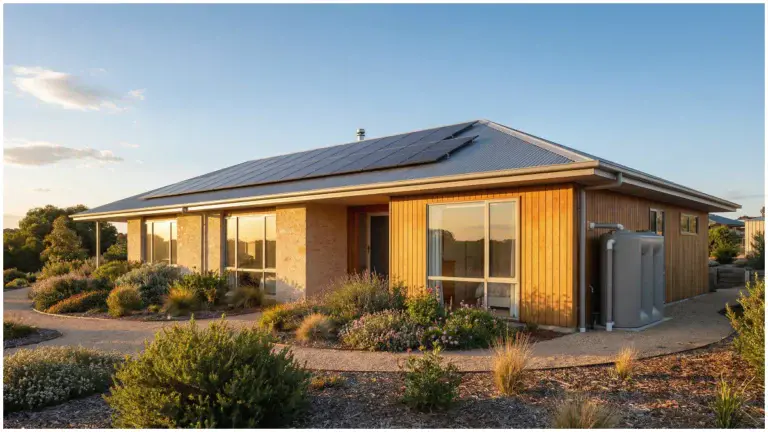
What Is A Sustainable Home?
The way we build and inhabit our homes has a profound impact on the planet. From the energy we consume to the materials we use,…
Read MoreConclusion
Minimalism offers far more than aesthetic appeal or organized closets—it provides a comprehensive framework for living more intentionally, sustainably, and joyfully. By choosing to own less, consume consciously, and prioritize experiences over possessions, you simultaneously reduce environmental impact, improve mental well-being, strengthen financial security, and create space for what genuinely matters in your life. The journey doesn’t require perfection or dramatic overnight transformation; small, consistent choices compound into profound lifestyle changes that benefit both you and the planet.
Whether you start by clearing one drawer, implementing a 48-hour purchase rule, or simply questioning the next thing you bring into your home, you’re taking meaningful steps toward a more intentional existence. The beauty of minimalism lies in its flexibility—it adapts to your unique circumstances, values, and goals rather than imposing rigid rules. As you discover the freedom that comes from owning less and living more deliberately, you’ll likely find that “less” truly does become “more” in all the ways that matter.
What area of your life feels most cluttered right now—your home, your schedule, your digital space, or your finances? Which single minimalist practice from this article will you implement first, and what do you hope it will change for you? Share your thoughts, experiences, or questions in the comments below—your journey might inspire someone else to take their first step toward simplified, sustainable living.