

I still remember the exact shelf in our laundry where the bottles used to line up — a different one for whites, a different one for colors, a bottle of stain remover that never quite emptied before the new one arrived. Getting rid of that shelf turned out to be one of the slower changes in this house, not because the products weren’t available, but because working out which ones were actually worth the switch took longer than I expected.
Blueland’s laundry tablets are the pick this best overall eco-friendly laundry detergent review keeps coming back to, and they’re worth a proper look at why. I’m Katrina, a primary school teacher and a parent of two boys five years apart, and laundry is one of the categories where our household has been through every stage — homemade, store-bought, and eventually the researched kind we do now. I’m not a chemist and I’ve never worked in a lab, so what I bring here is the same thing I’d bring to marking a piece of work: read it carefully, check where the claims actually come from, and say plainly where I’m not sure. Stick with me and I’ll walk through what these tablets actually get right, where they fall short, and who they’re genuinely worth buying for.
🌎🌱🤝 Quick Verdict — Blueland Laundry Detergent Tablets
Blueland Laundry Detergent Tablets
Best for: households ready to cut plastic packaging out of the laundry cupboard entirely
This rating reflects a product whose certifications mostly hold up against the actual registers rather than just its own marketing page — with a real gap in independent performance testing that’s worth knowing before you buy.
- ✅ Certifications that check out on the certifying bodies’ own registers, not just the brand’s word for it
- ✅ No dissolvable film and no plastic bottle — the tablet itself is the whole design
- ✅ Ships to five countries, wider than most plastic-free laundry brands manage
One honest limitation: it ships to only five countries and international orders get no returns, exchanges or replacements at all.
| ~$25 USD | Premium (one-time purchase, 60-tablet Starter Set; $20 USD on Autoship)
👉 Buy Blueland Tablets (opens in a new tab)What You’re Getting
Blueland trades under the name One Home Brands Inc, based in New York, and its stated mission is to eliminate single-use plastic bottles from home cleaning through refillable packaging rather than disposable ones. The laundry range is built around that idea specifically: a tablet with no wrapper at all, rather than the dissolvable film used in most pods and sheets.
The Starter Set includes one Forever Tin — a steel container meant to be refilled rather than replaced — and 60 tablets. After that, refills come in a resealable paper pouch in packs of 60, 120 or 300 tablets, with no tin needed. Dosing is one tablet per load, or two for a large load, dropped straight into the drum before the clothes go in.
The Free & Clear formula is fragrance-free, and the full ingredient list is short: sodium carbonate, citric acid, microcrystalline cellulose, subtilisin, lauryl/myristyl glucoside, amylase, sorbitan caprylate, mannanase, sodium citrate, cellulase and hydrated silica. Two other scents are available, Fresh Dew and Spring Bloom. The tablets are formulated without parabens, phosphates, dyes, PVA, phthalates, optical brighteners, ammonia, chlorine or bleach, and the brand states they’re vegan, gluten-free, soy-free and nut-free. They’re not recommended for silk, wool, satin or cashmere.
One gap worth naming plainly: Blueland doesn’t publish where these tablets are actually manufactured. On a site that asks readers to check the sourcing behind a claim, an unanswered sourcing question deserves a mention rather than a guess.
With the specifics out of the way, it’s worth looking at what actually holds up when you check the claims against the source rather than the label.
Key Features
No film, no bottle: The whole design premise here is a compressed tablet with nothing wrapped around it, which is a genuinely different approach from pods and sheets that use a dissolvable film, or liquids that need a bottle at all. The only part of the system meant to last is the Forever Tin, and that gets refilled rather than thrown out. It’s a small mechanical difference, but it’s the one that actually removes a category of packaging waste rather than just making it recyclable — which fits into a zero waste lifestyle more directly than most laundry products manage.
🌿✨ Ready to try it? Blueland Laundry Detergent Tablets
No wrapper, no bottle, no measuring cup to rinse out.
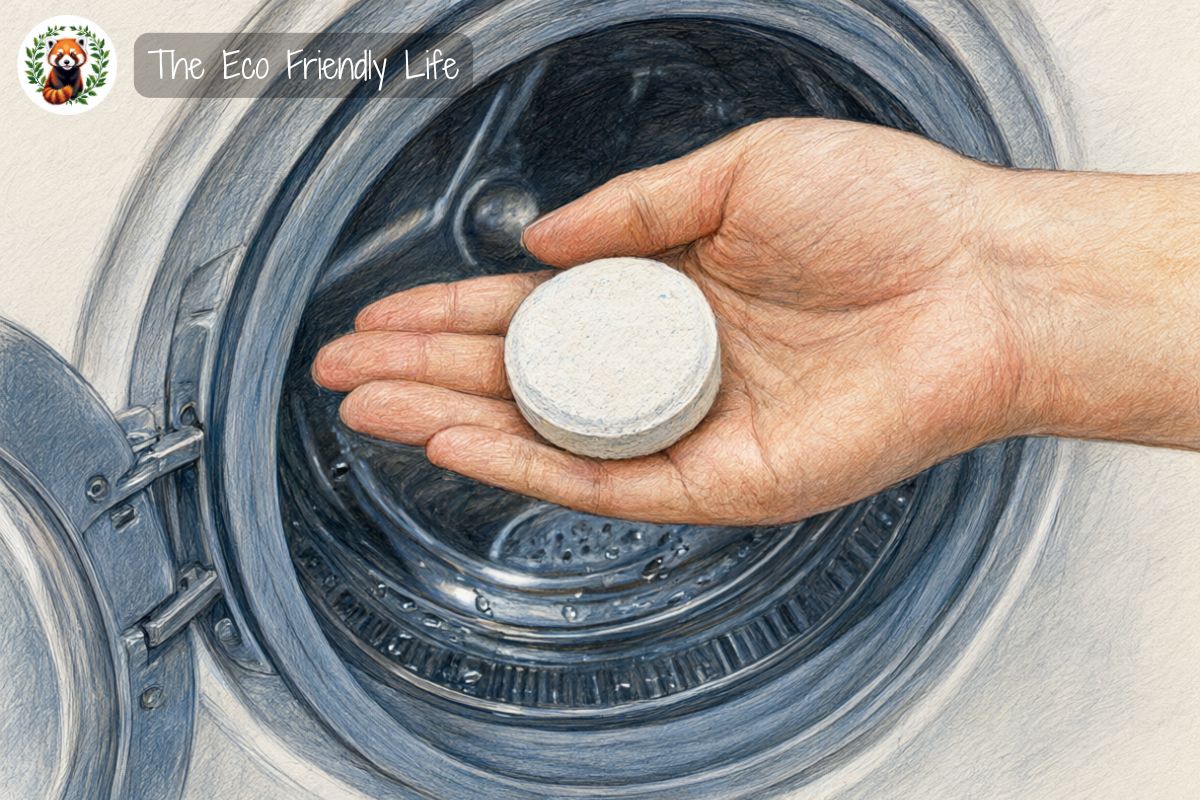
- ✅ One tablet per load, straight into the drum
- ✅ Works across HE, front-load and top-load machines
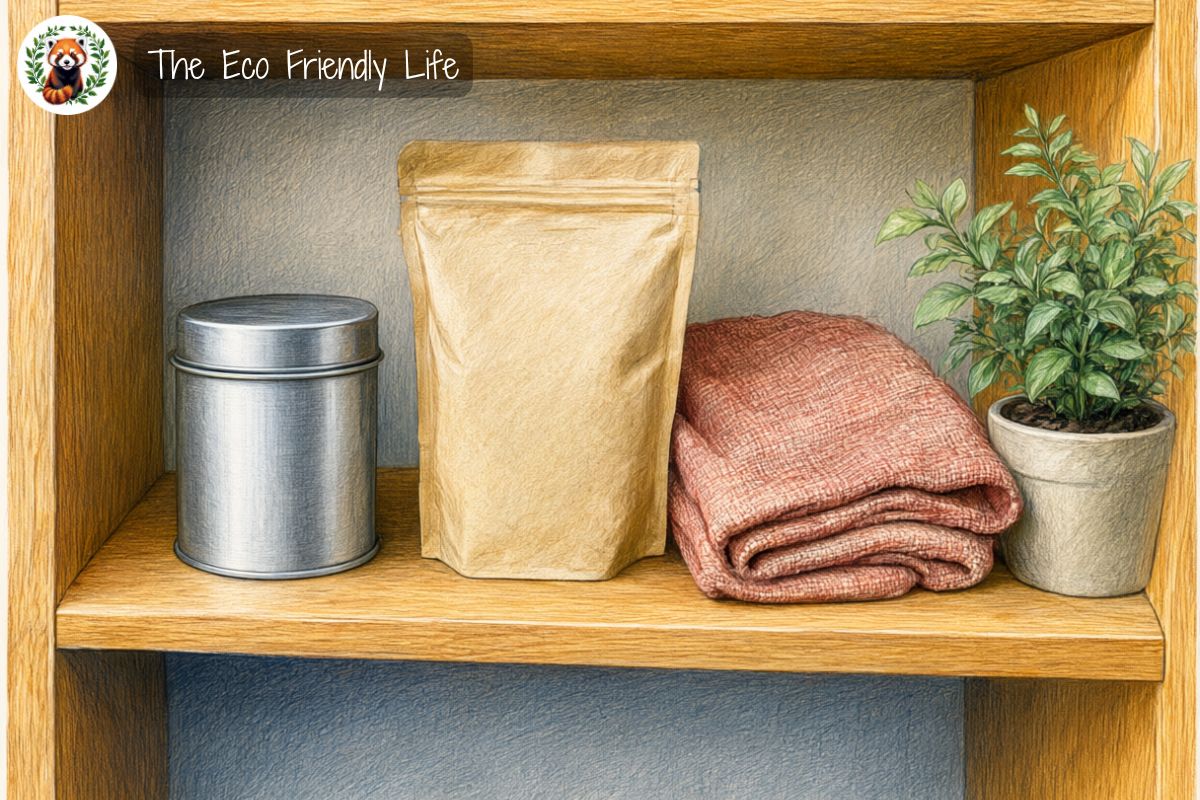
Certifications that actually check out: This is the feature that separates Blueland from most of what shows up in a search for eco laundry detergent. Its parent company holds an active B Lab register (opens in a new tab) certification with an overall score of 110.0, well above the median for certified businesses. The Free & Clear tablets carry an A grade on EWG’s own registry (opens in a new tab), with the full ingredient list published rather than summarized. And the tablets hold a genuine Cradle to Cradle registry (opens in a new tab) listing — though it’s worth being precise about what that actually means. The certificate is a Material Health Certificate at Gold level, which covers one of the five categories in the full standard (opens in a new tab), not the full Cradle to Cradle Certified product certification the marketing language implies. It’s a real credential, just a narrower one than the logo suggests. Separately, Blueland reports its emissions through a Climate Label profile (opens in a new tab), with a stated commitment to cut emissions 42 percent by 2030. Reading past a brand’s own certifications page and checking the actual register is exactly the kind of thing worth doing before trusting any non-toxic cleaning products claim, laundry or otherwise.
One claim that doesn’t check out as cleanly: Blueland’s product pages surface an EPA Safer Choice mark, but Blueland’s own certifications page attaches that specific mark to its hand soap range, not the laundry tablets — and EPA’s own certified products list couldn’t be searched to confirm or rule out a laundry listing either way. That’s not the same as the claim being false, but it’s not confirmed, and it belongs in the honest version of this review rather than the flattering one.
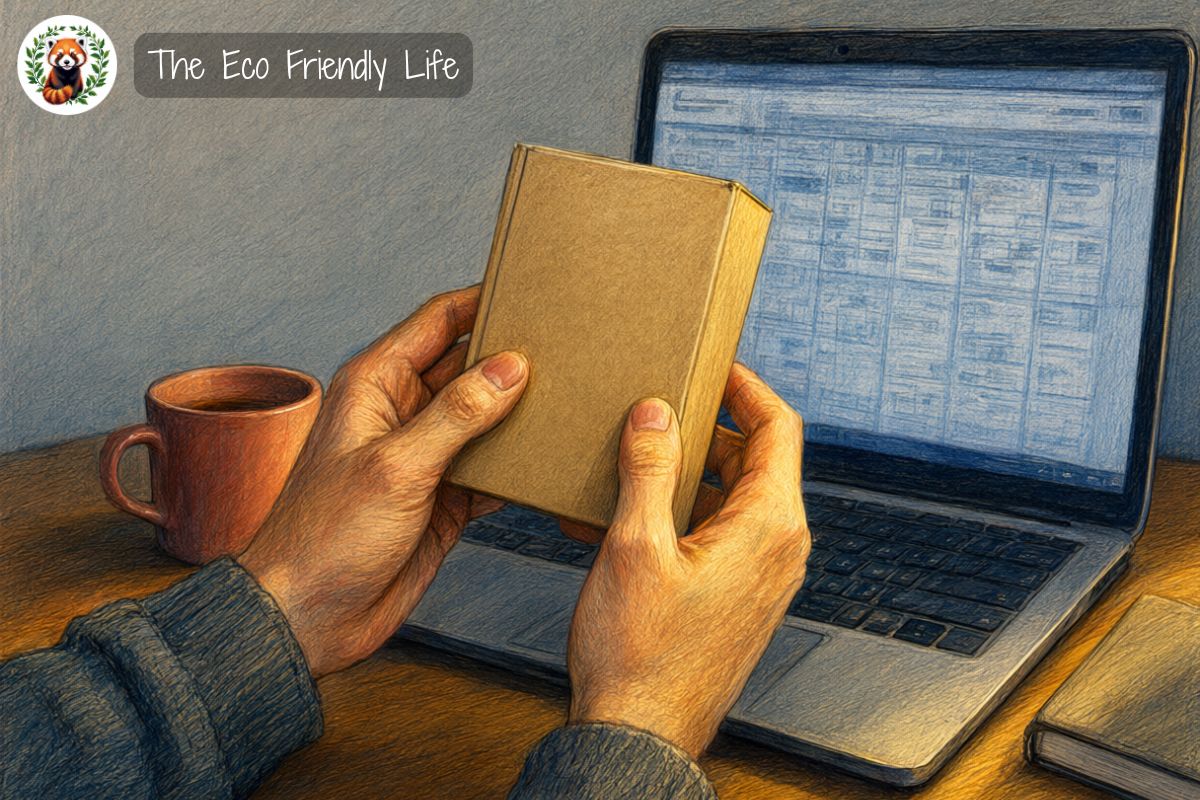
The PVA question, and who’s actually asking it: Ordinary detergent pods and sheets use a dissolvable film made from polyvinyl alcohol, or PVA, and Blueland’s whole packaging pitch rests partly on avoiding it. The evidence behind that pitch is worth looking at directly rather than taking on faith. The 2021 study (opens in a new tab) most often cited for the claim that most PVA survives wastewater treatment states plainly that it was funded in part by Blueland. Blueland then petitioned the EPA in January 2023 to require independent safety testing of PVA and to downgrade its status on the agency’s own safer-ingredients list — and the EPA denied both requests in EPA’s 2023 denial (opens in a new tab), finding that the PVA structures used in Safer Choice products have half-lives under 60 days and meet the program’s criteria. That’s not the end of the conversation — other scientists dispute (opens in a new tab) narrower points about how slowly PVA breaks down in cold water, without endorsing the original study’s headline figure either. Spotting the gap between a claim and who funded the study behind it is a basic greenwashing check, and I’d rather name the funding and the regulatory outcome plainly than let a genuinely useful packaging design ride on a claim that doesn’t hold up to scrutiny.
Shipping reach, and what it costs outside the US: Blueland ships to the United States, Canada, the United Kingdom, Australia and New Zealand — not Hawaii or Alaska, and not continental Europe or Asia. That’s a wider footprint than most plastic-free laundry brands, which are often single-market, but it’s not global, and the cost outside the US is real: shipping runs to roughly AU$28 to Australia and NZ$29 to New Zealand on top of a US starter price of $25 USD. International orders also get no returns, exchanges or replacements under Blueland’s own return policy (opens in a new tab), which is a meaningfully different deal from what a US buyer gets.
Between the tablet design, the certifications that actually verify, and the shipping reach, there’s a real product underneath the marketing here — but real doesn’t mean uncomplicated, and how that plays out day to day is worth looking at honestly.
How It Performs in Real Life
The one gap nobody’s filled yet: As far as I could find, no independent lab has published a controlled cleaning-performance test of these specific tablets, in either direction. That’s a genuine blind spot, not a minor omission. Consumer Reports found (opens in a new tab) that none of the plastic-free detergent strips it tested cleaned stains effectively, and in an independent lab test (opens in a new tab) of eco detergents more broadly, a concentrated liquid outperformed every sheet and powder tried, landing within 5 percent of a conventional detergent on stain removal. Blueland’s tablets are a different format from either of those, so neither result tells you directly how the tablets themselves perform — it just means nobody has actually checked, which is worth knowing before you decide this is the “best overall” pick on cleaning power specifically rather than on packaging and verifiable claims.
What temperature actually changes: Blueland states the tablets dissolve fully in any temperature cycle, which is a manufacturer claim rather than an independently tested one. What is independently documented is that ENERGY STAR notes (opens in a new tab) water heating accounts for roughly 90 percent of the energy a washing machine uses, and that switching from hot to cold cuts that energy use substantially. Laundry has turned out to matter more than I expected in this house — washing less often, cooler, and line drying, which is easy here in Australia, does more for how long clothes actually last than anything printed on a detergent label. That was a genuine surprise to me, and it cost nothing to change. We went through a proper DIY phase with cleaning products before this — vinegar, bicarb, castile soap, the usual list. I couldn’t tell you now which recipes we actually settled on, but I remember exactly which jobs they handled and which they didn’t: general surfaces and glass were genuinely fine, grease and anything that needed real disinfecting were not, and it took us longer than it should have to stop assuming we were doing it wrong rather than accepting the limits of what we were making. What we do now is buy a formulated product for the jobs that actually need one and keep the simple options for the jobs they’re good at, and that’s roughly the lens I’d bring to a tablet like this too.
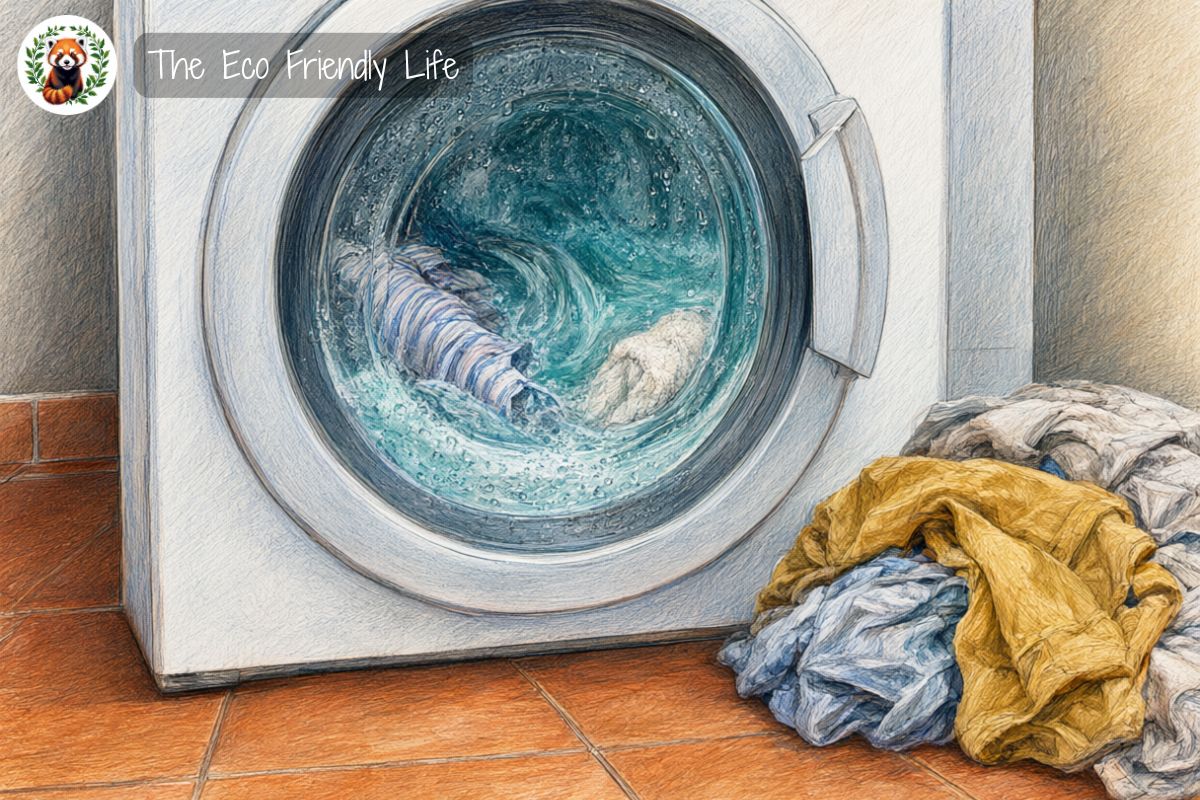
What it won’t do: The tablets aren’t recommended for silk, wool, satin or cashmere, so anyone with a wardrobe that leans that way will need a separate product regardless of how the rest of this review lands — which is worth knowing before you build your whole sustainable fabrics laundry routine around one detergent.
Where the margin gets thinner: For households doing heavier, more frequent loads — the kind that come with young kids or cloth diapers in the mix — the absence of published performance data matters more, not less, because there’s less margin for a detergent that only sort of works. That’s not a reason to rule the tablets out on its own, just a reason to watch your own results a little more closely for the first few washes than you might with a detergent that already has that data published.
The part that’s easy to miss: Buying outside the US means checking two things most reviews skip: the shipping cost and the return terms. At $0.28 to $0.35 USD per load depending on whether you’re subscribed, this isn’t the cheapest plastic-free option, and a reader in Australia or the UK is paying international shipping on top of a product that can’t be returned if it doesn’t suit their machine or their water. None of that makes it a bad product. It does mean the “best overall” label in this review is doing real work — it’s about the packaging and the paper trail behind the claims, not a promise that it’s also the cheapest or the best-tested detergent on the market. Washing habits do more for how long your sustainable wardrobe actually lasts than which specific tablet sits in the drawer, and that’s true whichever detergent you land on.
None of this makes the tablets a bad choice. It just means the value here is the packaging and the paper trail behind the claims, not a guaranteed win on cost or cleaning power, and that’s worth carrying into the pros and cons below.
Pros and Cons
Pros:
- Genuinely plastic-free design — no dissolvable film, no bottle, just a tablet and a refillable tin
- Certifications that hold up when checked against the certifying bodies’ own registers, not just the brand’s marketing copy
- Fragrance-free formula with a short, readable eleven-item ingredient list
- Strong aggregated owner sentiment — 4.66 out of 5 across 2,019 reviews at Target (opens in a new tab)
- Ships to five countries, further than most plastic-free laundry brands manage
Cons:
- No independent laboratory has published a cleaning-performance test of these specific tablets, so the “best overall” claim in this review rests on packaging and verified certifications, not on tested cleaning power
- Costs roughly $0.28 to $0.35 USD per load, close to double a plastic-free powder alternative
- International orders get no returns, exchanges or replacements at all, and shipping outside the US adds real cost on top of the product price
- An EPA Safer Choice mark shown on the product page couldn’t be confirmed against EPA’s own certified products list
- Not suitable for silk, wool, satin or cashmere
It’s a genuinely strong option on the things that can be checked, and honest about the things that can’t be — which, on balance, is closer to a fair trade than most products in this category offer.
Our Verdict
Blueland Tablets
Judged on what can actually be verified — packaging design, certifications that hold up against their own registers, and shipping reach — Blueland’s laundry tablets are the strongest plastic-free option covered in this review, and that’s the basis for calling it the best overall pick here. That’s a different claim from saying it’s the best-cleaning detergent on the market, and nobody, including Blueland, has published the data that would settle that question either way.

The tablets suit a household that has already decided plastic packaging is the thing to fix first, wants a fragrance-free formula with a short ingredient list, and is buying from one of the five countries Blueland actually serves. They suit that household less well if cost per load is the deciding factor, if a return option matters in case the tablets don’t dissolve well in a particular machine, or if independently verified cleaning performance is non-negotiable.
How It Compares
Meliora Laundry Powder Detergent
Meliora Laundry Powder Detergent is a scoop-and-measure powder built from baking soda, washing soda and coconut-oil soap rather than an enzyme formula. It differs from Blueland mainly in cost and format: at roughly $0.16 USD per load, it’s close to half the price per load, though it asks you to measure rather than drop in a pre-dosed tablet. A reader who’s price-sensitive, does high laundry volumes, and is comfortable with a scoop should choose this instead. Price tier: Budget.
Seventh Generation Concentrated Free & Clear
Seventh Generation Concentrated Free & Clear is a liquid detergent in a plastic bottle, and it’s the strongest independent cleaning-performance result found anywhere in this research — within 5 percent of a conventional detergent in lab testing, and EPA Safer Choice certified (opens in a new tab), a claim that’s actually confirmed for this specific product rather than ambiguous. The trade-off is the plastic bottle, plus two preservative ingredients that are recognized skin sensitizers. A reader whose first priority is tested cleaning performance, and who’s willing to accept a plastic bottle to get it, should choose this instead. Price tier: Mid-range.
Bio-D Fragrance Free Laundry Liquid
Bio-D Fragrance Free Laundry Liquid is the non-US option worth naming, since Blueland doesn’t ship to the UK’s near neighbors or continental Europe at all. Made in Britain, sold in bulk sizes up to 20 liters, and independently confirmed as a Certified B Corporation (opens in a new tab) in its own right, it differs from Blueland by being a liquid rather than a tablet and by having no equivalent US availability question to navigate. A reader in the UK or Europe, or anyone who’d rather buy in bulk than subscribe, should choose this instead. Price tier: Budget to Mid-range, depending on size.
For most readers weighing plastic packaging, verifiable claims and buying from a serviced country, Blueland is still the strongest of the four — but each of these earns its place for a genuinely different buyer, and that’s worth taking seriously rather than treating as a formality.
FAQs
Choosing a laundry detergent usually comes down to a handful of practical questions, so here are the ones that come up most for a product like this.
Do plastic-free laundry tablets actually clean as well as liquid detergent?
Not always, and the honest answer for this specific product is that nobody has independently tested it either way. Consumer Reports found (opens in a new tab) that plastic-free detergent strips it tested weren’t effective at cleaning stains, while an independent lab test (opens in a new tab) of eco detergents found liquids performing best overall. Tablets are a different format from either, so treat cleaning performance as an open question rather than an assumption either way.
Is the PVA film in ordinary laundry pods really a plastic pollution problem?
It’s genuinely disputed rather than settled. The 2021 study (opens in a new tab) behind the strongest version of that claim discloses Blueland funding, and the EPA denied Blueland’s own petition to require further PVA testing in EPA’s 2023 denial (opens in a new tab), finding the PVA used in certified products biodegrades within 60 days. Some scientists still raise narrower questions about how it behaves in cold water, without backing the original headline figure.
Do the tablets dissolve properly in a cold or quick wash cycle?
Blueland states they do, across any temperature setting, though that’s the brand’s own claim rather than an independently tested one. Washing cold is worth doing regardless — ENERGY STAR notes (opens in a new tab) that water heating makes up about 90 percent of a washing machine’s energy use, so the temperature setting matters more for your energy bill than for most stains.
Can I get these outside the United States, and what does it cost?
Yes, in four other countries — Canada, the UK, Australia and New Zealand — but not continental Europe, Asia, Hawaii or Alaska. Shipping runs to roughly AU$28 to Australia and NZ$29 to New Zealand, and international orders of any kind get no returns, exchanges or replacements. It’s worth deciding you’re happy with the product before you order if you’re outside the US.
Are they safe for sensitive skin and for cloth diapers?
The Free & Clear formula is fragrance-free and dye-free, with an eleven-item ingredient list that’s fully published on EWG’s own registry (opens in a new tab), where it holds an A grade. Blueland also claims National Eczema Association acceptance for this scent specifically, though that couldn’t be independently confirmed during research. They’re not recommended for silk, wool, satin or cashmere, which is worth knowing if diaper covers or other technical fabrics are in the mix.
Our Related Articles
Choosing Eco-Friendly And Non-Toxic Cleaning Products
Every time you reach under the sink for a spray bottle or scoop of laundry powder, you’re making a choice — and its effects extend…
Read More (opens in a new tab)
How To Transition To A Sustainable Wardrobe
The fashion industry is one of the most resource-intensive on the planet, consuming vast amounts of water, energy, and raw materials while generating significant waste…
Read More (opens in a new tab)
What Is Ethical Consumerism?
Every time you reach for your wallet, you’re casting a vote. Whether it’s choosing a morning coffee, selecting a new pair of jeans, or picking…
Read More (opens in a new tab)Conclusion
Blueland’s laundry tablets are a genuinely different approach to a category that’s mostly just repackaged the same handful of ingredients for years — no film, no bottle, and certifications that actually survive being checked against the bodies that issue them. What they’re not, at least not yet, is independently tested for cleaning performance, and that gap is worth knowing about before you decide this is the detergent that solves everything.
This one is best for a household that’s already decided plastic packaging is the problem worth fixing first, is buying from one of the five countries Blueland actually serves, and doesn’t mind paying a bit more per load for that certainty.
Have you tried switching to a tablet or sheet format for laundry, and did it actually hold up the way the packaging promised?
