
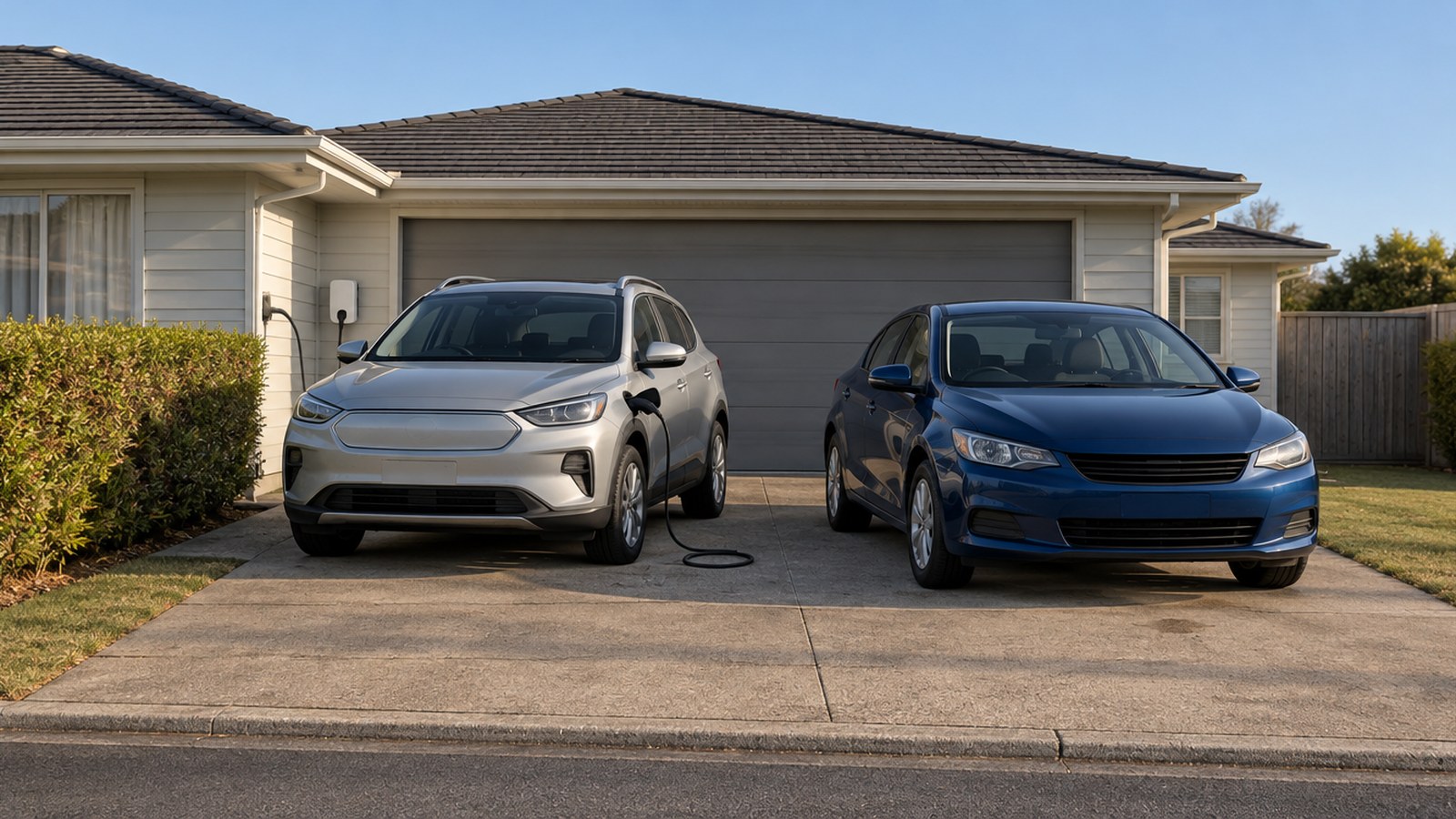

Choosing your next car has become a question about what powers it as much as how it looks. A hybrid still runs on gasoline but wastes far less of it, a fully electric car runs on whatever your grid and your roof can supply, and a plug-in hybrid sits somewhere between the two. This comparison of hybrid vs fully electric cars puts six current models side by side on the things that decide it for most households: lifetime emissions, where you’ll charge, what each one costs to run, and what you’ll pay where you live.
I’m Katrina. I teach primary school, I’m raising two boys, and I’m not a motoring journalist, a mechanic or an automotive engineer. What I bring is a household here in Australia that drives electric after researching it properly, and a teacher’s habit of asking where a number came from before repeating it. We drive electric, so the hybrid side of this comparison comes from research rather than our own driveway. Stay with me through the four questions first, because the right car for you depends far more on where you park at night than on anything in a brochure.

⭐ Our Top Pick — Hybrid vs Fully Electric Cars
Hyundai Ioniq 5 (SE RWD)
★★★★☆ | ~$37,750 USD | Mid-range
If you can charge at home, a fully electric car cuts lifetime emissions furthest, and the Ioniq 5 pairs 318 miles of range (opens in a new tab) with a 10-year battery warranty (opens in a new tab) for less than a Model Y. Its 800-volt system charges from 10 to 80 percent (opens in a new tab) in about 20 minutes on a 350 kW charger, which takes much of the sting out of a family road trip.
What We Look For
A hybrid, a plug-in hybrid and a fully electric car all share the electric vehicle basics of a battery and a motor; what separates them is where the energy comes from. Four questions sort these cars faster than any spec sheet, and they apply wherever you live.
Lifetime emissions matter more than the tailpipe: A fully electric car has no tailpipe, but its battery carries a carbon cost before it turns a wheel. The International Council on Clean Transportation (ICCT) estimates that building a battery electric car produces about 40 percent more (opens in a new tab) emissions than building a gasoline car, and that the difference is paid back after about 17,000 km (opens in a new tab) (roughly 10,500 miles) of driving. Over a whole life, a battery electric car sold in the EU in 2025 comes out 73 percent lower (opens in a new tab) than a comparable gasoline car, against 20 percent for a hybrid and 30 percent for a plug-in hybrid on real-world use. Those numbers move with your local grid: the ICCT's global study put the battery electric advantage at 60 to 68 percent (opens in a new tab) in the US, 37 to 45 percent in China and 19 to 34 percent in India. MIT found that on a coal-heavy grid such as West Virginia's, an EV can emit more than a hybrid (opens in a new tab) while still beating a gasoline car, and the EPA says EVs typically have a smaller carbon footprint (opens in a new tab) than gasoline cars even after counting the electricity used to charge them.
Where you'll charge decides most of it: Most EV drivers charge overnight at home (opens in a new tab). An ordinary 120-volt outlet adds about 5 miles (opens in a new tab) of range per hour, roughly 40 miles over eight hours, while a 240-volt Level 2 charger adds about 25 miles (opens in a new tab) an hour and refills a typical battery overnight. That covers more than most people need, since over 73 percent of US car trips are 10 miles or less (opens in a new tab). Charging at an apartment building can work closer to public charging (opens in a new tab), and that is the honest case for a hybrid. Plug-in hybrids depend on this question most of all: the European Commission found that plug-ins registered in 2021 emitted 3.5 times their official (opens in a new tab) CO2 figures in real driving, mainly because they weren't charged and driven on electricity as often as assumed. The ICCT's study of about 920,000 European plug-ins found that gap had grown to 4.6 times by 2023 (opens in a new tab).
What we learned at home: We have rooftop solar and we drive electric here in Australia, and both were decisions we researched properly before committing. Both took longer to arrive at than the marketing suggests they should. The anxieties people have going in are mostly not the ones that turn out to matter: charging ends up being about the routine you settle into rather than the range figure on the spec sheet, and charging at home changes the calculation substantially. We also rented for years before we owned, and as a tenant you can't install anything that doesn't come off the wall when you leave. If a home charger isn't possible for you yet, weigh that first.
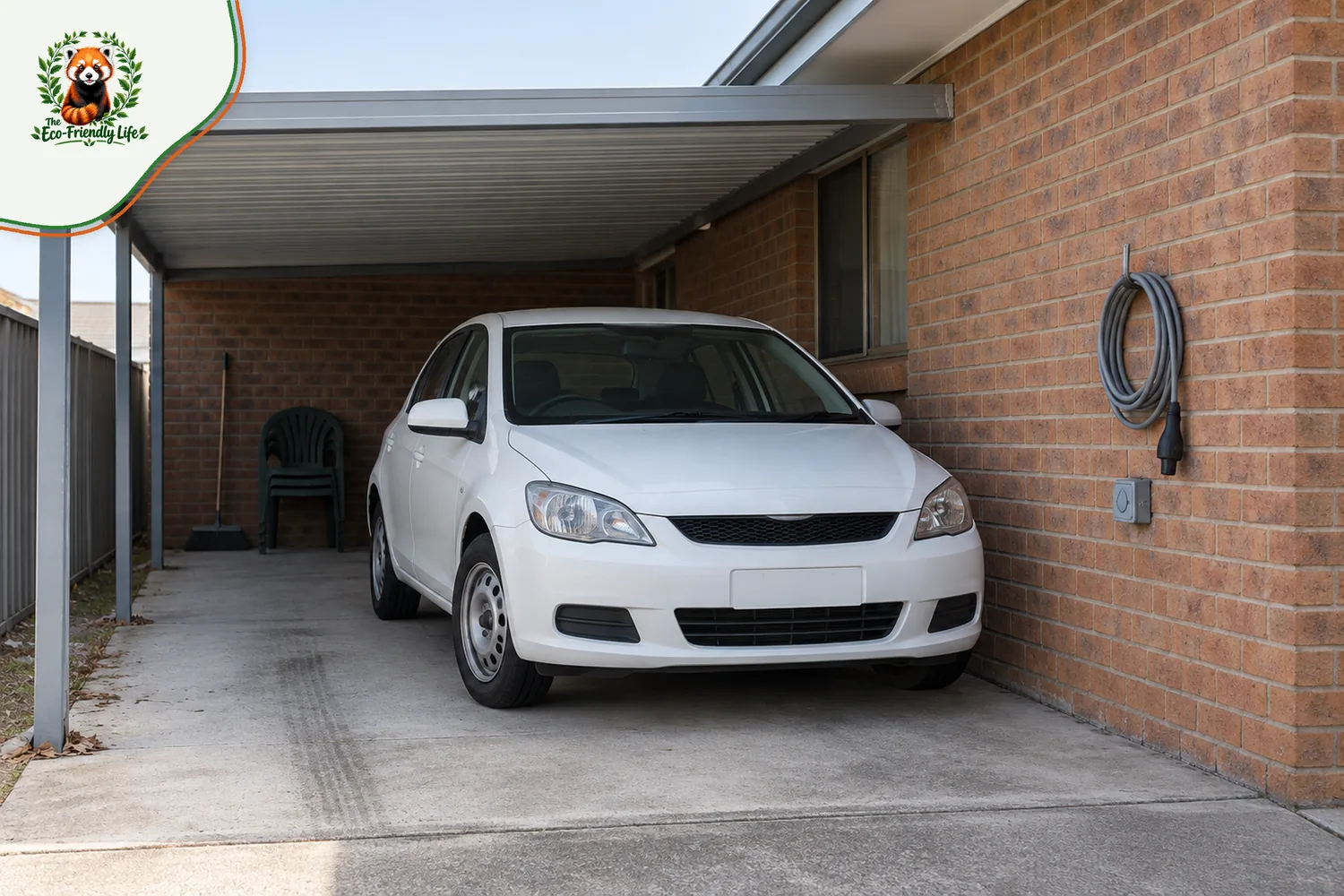
Running costs favor the plug, at average prices: With US regular gasoline at $4.354 USD a gallon (opens in a new tab) in the first week of October 2026 and home electricity averaging 18.31 cents per kWh (opens in a new tab), the Model Y's rating of 138 MPGe (opens in a new tab) works out to about $4.47 USD per 100 miles, against about $9.90 USD in gasoline for the RAV4 Hybrid. That is our own arithmetic, using the EPA's equivalence of 33.7 kWh per gallon (opens in a new tab), and your local rates or regular public fast charging will shift it. Servicing follows the same pattern. Hybrids and plug-in hybrids need the same general maintenance (opens in a new tab) as a conventional car, while fully electric cars need less and wear their brakes more slowly thanks to regenerative braking. Argonne National Laboratory put scheduled maintenance at 6.1 cents per mile (opens in a new tab) for a battery electric car against 10.1 cents for a gasoline car.
Battery life is less of a gamble than it sounds: Telematics company Geotab's data on more than 22,700 EVs shows average capacity loss of 2.3 percent a year (opens in a new tab), with about 81.6 percent of the original capacity projected after eight years. Cars that fast-charge heavily at high power lose about 3.0 percent a year (opens in a new tab), twice the 1.5 percent of light users. The EPA reports that 97.5 percent of EVs (opens in a new tab) still run on their original battery, excluding major recalls, and many manufacturers back EV batteries with an 8-year/100,000-mile warranty (opens in a new tab).
Price and incentives depend on where you live: Every price in this comparison is a US starting price before destination fees, and incentives can change the sums more than any trim choice. They differ sharply by country, so here they are region by region.
In the United States: The federal clean vehicle credit of up to $7,500 USD is no longer available (opens in a new tab) for vehicles acquired after September 30, 2025, so the US prices here are what you pay before state or utility programs.
In the United Kingdom: The Electric Car Grant takes up to £3,750 off eligible (opens in a new tab) new electric cars priced at £37,000 or less, applied by the dealer, and runs until 31 March 2030. The Nissan Leaf below is on the grant's top band list (opens in a new tab).
In Australia: Battery electric cars priced under the luxury car tax threshold for fuel-efficient vehicles can be exempt from fringe benefits tax (opens in a new tab) when an employer provides them, but from 1 April 2025 plug-in hybrids are generally no longer treated as zero or low emissions vehicles for that exemption.
Everywhere else: Incentives vary country by country, but the market is moving fast. Electric cars, counting plug-in hybrids, passed 20 million sales (opens in a new tab) in 2025, a quarter of all new cars, and in China 70 percent of battery electric cars sold were already cheaper than average (opens in a new tab) conventional cars.
With those four questions in hand, here's how the six cars compare, starting with the one we'd choose if you can charge at home. Three of the six are Toyotas: the RAV4 comes as both a hybrid and a plug-in, which shows that trade-off in a single car, and the Corolla is the cheapest hybrid in the line-up.
Hyundai Ioniq 5

★★★★☆ | ~$37,750 USD | Mid-range
Best for: Home chargers who want a long warranty and fast road-trip charging
- 318 miles of range (opens in a new tab) (SE RWD, EPA estimate)
- 10-year/100,000-mile battery warranty (opens in a new tab) (US)
- 114 MPGe combined (opens in a new tab)
- 10-80% in 20 minutes (opens in a new tab) on a 350 kW charger
Nearly the Model Y's range for less: The SE RWD starts at $37,750 USD (opens in a new tab) before freight, $2,240 USD less than the rear-wheel-drive Model Y, and the EPA rates it at 318 miles (opens in a new tab) against the Tesla's 321. Hyundai cut 2026 prices by up to $9,800 USD (opens in a new tab) on some trims after the federal tax credit ended, and the 2027 car costs only $250 more than that.
Fast charging is the standout: The Ioniq 5 runs on an 800-volt system that Hyundai says charges from 10 to 80 percent (opens in a new tab) in as little as 20 minutes on a 350 kW charger, and a NACS port comes included (opens in a new tab). That suits families who road-trip a few times a year. Day to day, a Level 2 charger at home refills a typical battery overnight (opens in a new tab), and that's the better habit anyway, since Geotab found heavy high-power fast charging is the biggest stressor (opens in a new tab) on battery health.
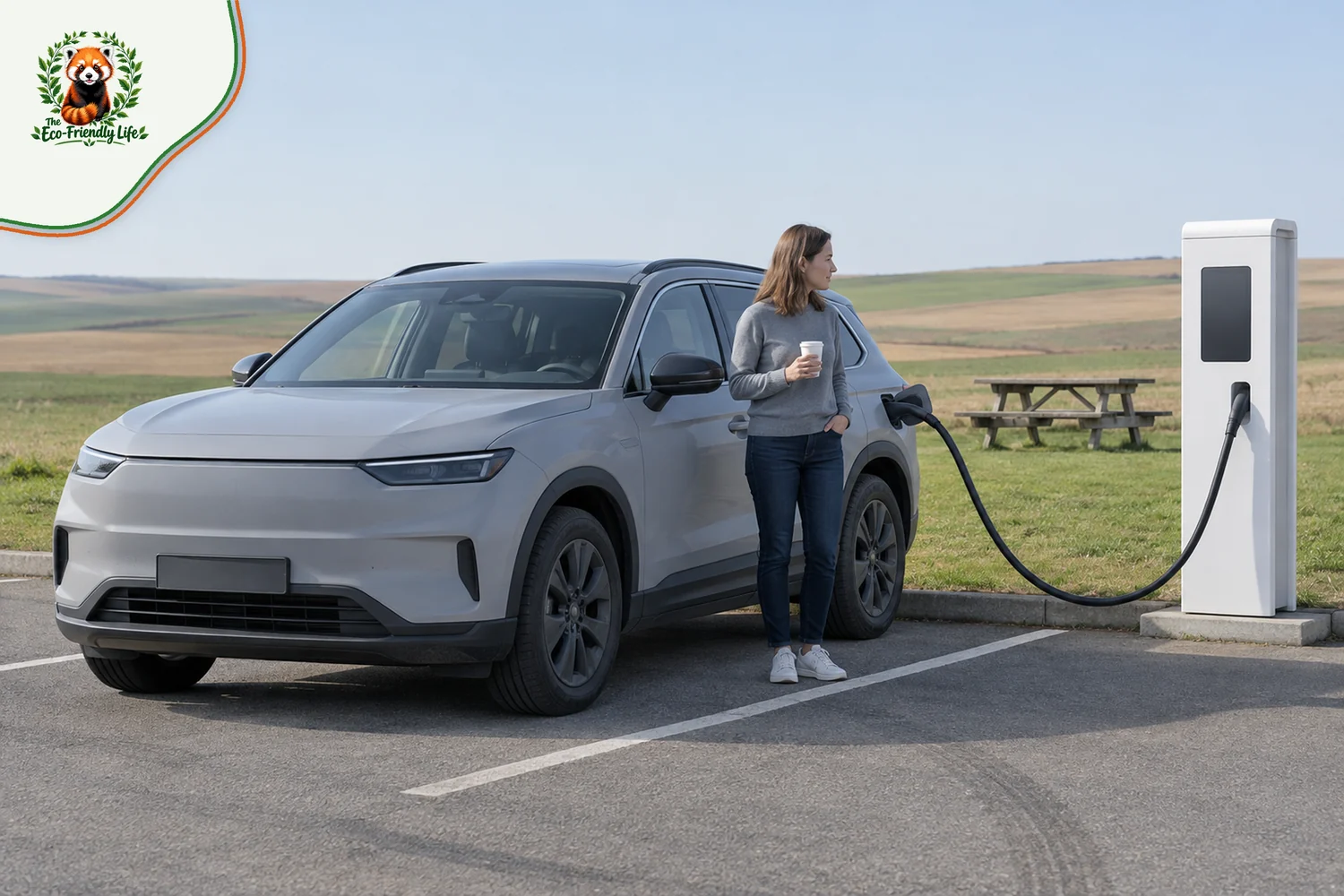
The warranty, and the trade-offs: Hyundai covers the battery for 10 years (opens in a new tab) or 100,000 miles in the US, for later owners as well as the first, two years longer than Tesla or Nissan. It is less efficient than the Model Y, at 114 MPGe (opens in a new tab) combined against 138, which comes to about $5.41 USD per 100 miles at the average home rate (opens in a new tab) in our calculation, against $4.47 USD for the Tesla. Outside the US the sums change: the UK car starts at £40,695 (opens in a new tab) and isn't on the Electric Car Grant list (opens in a new tab), and in Australia the Ioniq 5 now starts at AUD 76,200 (opens in a new tab) before on-road costs, well above the Model Y's AUD 58,900 (opens in a new tab).

What we like
- 318 miles of range (opens in a new tab) for less than a Model Y
- 10-year/100,000-mile battery warranty (opens in a new tab), for later owners too
- 10-80% in 20 minutes (opens in a new tab) on a 350 kW charger
- Sold in the UK (opens in a new tab) and Australia (opens in a new tab) as well as the US
What could be better
- Less efficient than the Model Y, at 114 MPGe (opens in a new tab) against 138
- Expensive in Australia, from AUD 76,200 (opens in a new tab)
- Not eligible for the UK's Electric Car Grant (opens in a new tab)
If you'd rather have the most efficient SUV on EPA's list, the next car is the one to weigh it against.
Tesla Model Y

★★★★☆ | ~$39,990 USD | Mid-range
Best for: Home chargers who want the most efficient SUV
- 321 miles of range (opens in a new tab) (EPA estimate)
- 8-year battery warranty (opens in a new tab), up to 100,000 miles
- 138 MPGe (opens in a new tab) on 18-inch wheels
- Seats five, 74 cu ft cargo (opens in a new tab)
The most efficient SUV on EPA's list: At 138 MPGe on 18-inch wheels, the rear-wheel-drive Model Y sits behind only two sedans at the top of fueleconomy.gov's 2026 rankings (opens in a new tab), and Tesla bases its claim to the most efficient electric SUV (opens in a new tab) in the US on those EPA figures. Choosing the 19-inch wheels drops the rating to 131 MPGe (opens in a new tab). Efficiency is what turns into money here: at average US home electricity prices, that rating comes to about $4.47 USD per 100 miles in our calculation from EIA's July average (opens in a new tab), less than half the RAV4 Hybrid's fuel cost and below the Ioniq 5's $5.41 USD.
Range and charging that answer the usual worries: The EPA-estimated range is 321 miles (opens in a new tab), and Tesla says its Superchargers can add up to 160 miles (opens in a new tab) in 15 minutes across a network of more than 80,000 worldwide. For everyday driving, the Mobile Connector is included (opens in a new tab) for a standard outlet, and a Wall Connector costs $585 USD before installation. Pair home charging with rooftop solar and some of the electricity you drive on can come from your own roof.
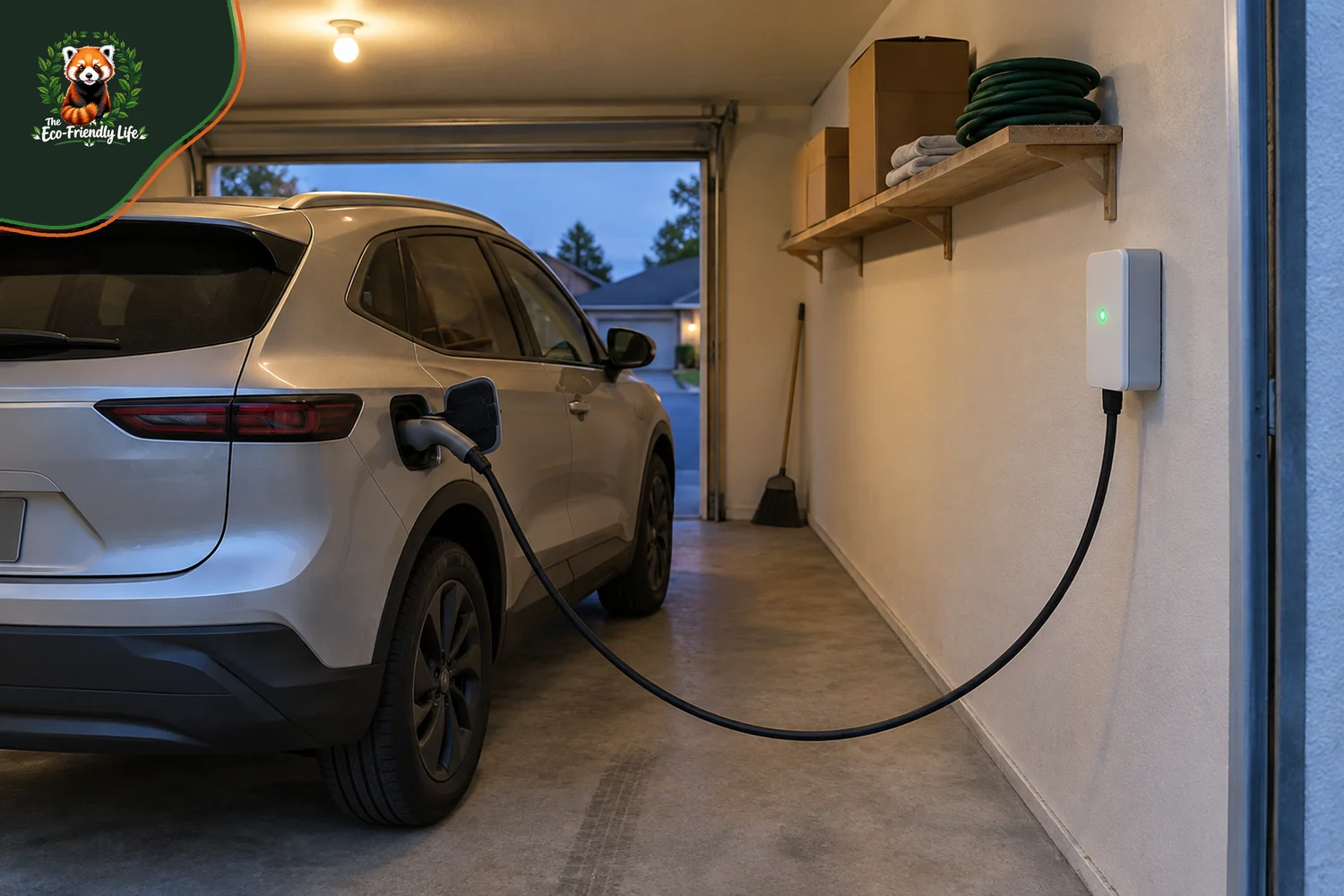
What to weigh before you order: The rear-wheel-drive version starts at $39,990 USD (opens in a new tab) before destination and order fees, and all-wheel drive adds $2,000. The battery and drive unit carry an 8-year/100,000-mile warranty (opens in a new tab), with 4 years or 50,000 miles of basic cover. If road trips are frequent, keep Geotab's finding in mind: heavy use of high-power fast charging is the single largest stressor (opens in a new tab) on battery health. In Australia, the cheaper version isn't offered and Model Y starts at AUD 58,900 (opens in a new tab) for the Premium rear-wheel drive.
The brand question: Tesla's European sales fell 27.8 percent (opens in a new tab) in 2025, and the reasons reported range from incentive cuts and Chinese competition to a backlash against Elon Musk's political activities. On the two independent yardsticks in the company section below, Tesla scores higher than any other maker in this comparison, so whether the brand rules the car out is a values call only you can make.

What we like
- About $4.47 USD per 100 miles at average US home prices, under half the RAV4 Hybrid's fuel cost
- Top EPA efficiency (opens in a new tab) of any SUV for 2026
- 321 miles of range plus a large fast-charging network
- 8-year/100,000-mile battery and drive unit warranty
What could be better
- All-wheel drive costs $2,000 more (opens in a new tab)
- Frequent fast charging on road trips wears batteries faster (opens in a new tab)
- The cheaper version isn't sold in Australia, where it starts at AUD 58,900 (opens in a new tab)
- Some buyers are avoiding the brand over Musk's politics (opens in a new tab)
If charging at home isn't on the cards for you, the next car takes the opposite approach.
Toyota RAV4 Hybrid

★★★★☆ | ~$31,900 USD | Mid-range
Best for: Drivers who can't charge at home and need SUV space
- 47 city/40 highway mpg (opens in a new tab) (LE)
- 10-year hybrid battery warranty (opens in a new tab), up to 150,000 miles (US)
- 44 mpg combined (opens in a new tab) (FWD, Toyota estimate)
- No plug and no charger needed
A hybrid that asks nothing new of you: For 2026, Toyota moved the RAV4 to an all-electrified line-up (opens in a new tab) in the US, offered as a hybrid or a plug-in hybrid with no gasoline-only version. The hybrid pairs a gas engine with electric motors (opens in a new tab) and fills up at any gas station, so nothing about how you drive or refuel has to change. The LE starts at $31,900 USD (opens in a new tab) and is rated 47 mpg in the city and 40 on the highway, with Toyota estimating 44 mpg combined (opens in a new tab) for front-wheel drive.
The honest limit of a hybrid: Every mile still burns gasoline. The ICCT puts a hybrid's lifetime emissions 20 percent below (opens in a new tab) a gasoline car's, against 73 percent for a battery electric car, and MIT's figures land in the same place, at about 260 grams per mile (opens in a new tab) for hybrids against more than 350 for gasoline cars. It also needs the same general maintenance (opens in a new tab) as a conventional car. At average US gasoline prices, fuel comes to about $9.90 USD per 100 miles in our calculation from the EIA's weekly price (opens in a new tab), more than double the Model Y's home-charging cost. Even so, a family SUV rated at 44 mpg chips away at transport's climate impact without asking anything new of the household.

Warranty, power and where you can buy it: Toyota covers the hybrid battery for 10 years (opens in a new tab) or 150,000 miles in the US, and the cover transfers to the next owner. Output is 226 hp with front-wheel (opens in a new tab) drive or 236 hp with all-wheel drive. The trims built for rougher roads give up efficiency: the Woodland is rated 41 city/35 highway (opens in a new tab). In Australia, the RAV4 hybrid starts at AUD 45,990 (opens in a new tab) plus on-road costs.

What we like
- No charger or change of routine needed
- About 44 mpg combined (opens in a new tab) from a family-size SUV
- 10-year/150,000-mile hybrid battery (opens in a new tab) warranty in the US, transferable
- Sold widely, including in Australia (opens in a new tab)
What could be better
- Still runs on gasoline, with about a 20 percent lifetime cut (opens in a new tab) against 73 percent for a battery electric car
- Needs conventional servicing (opens in a new tab)
- Woodland and other rugged trims lose efficiency (opens in a new tab)
For a fully electric car at less than the RAV4 Hybrid's starting price, the Leaf is the one to look at.
Nissan Leaf

★★★★☆ | ~$29,990 USD | Budget
Best for: First-time EV buyers on a tighter budget
- 303 miles of range (opens in a new tab) (S+, EPA estimate)
- Built-in NACS port (opens in a new tab) for Tesla Superchargers
- 75 kWh battery (opens in a new tab)
- 8-year/100,000-mile battery warranty (opens in a new tab)

💰 Value Pick
Nissan Leaf (S+)
More than 300 miles of rated range for $29,990 USD, less than the cheapest RAV4 Hybrid.
- 303 miles of range (opens in a new tab) (EPA estimate)
- Supercharger access (opens in a new tab) with no adapter
Over 300 miles for under $30,000: The third-generation Leaf S+ starts at $29,990 USD (opens in a new tab) before destination fees and pairs a 75 kWh battery with an EPA-estimated range of 303 miles (opens in a new tab). That is close to the Model Y's range for $10,000 USD less, and Nissan rates the S+ at up to 131 MPGe in town (opens in a new tab).
Charging and battery care: A built-in NACS port gives the Leaf access to Tesla Superchargers (opens in a new tab) with no adapter, which widens the road-trip map considerably. At home, a Level 2 charger refills a typical EV battery overnight (opens in a new tab). The battery now has thermal management (opens in a new tab) to keep its temperature in range and protect charging speed, and it carries an 8-year/100,000-mile limited warranty.
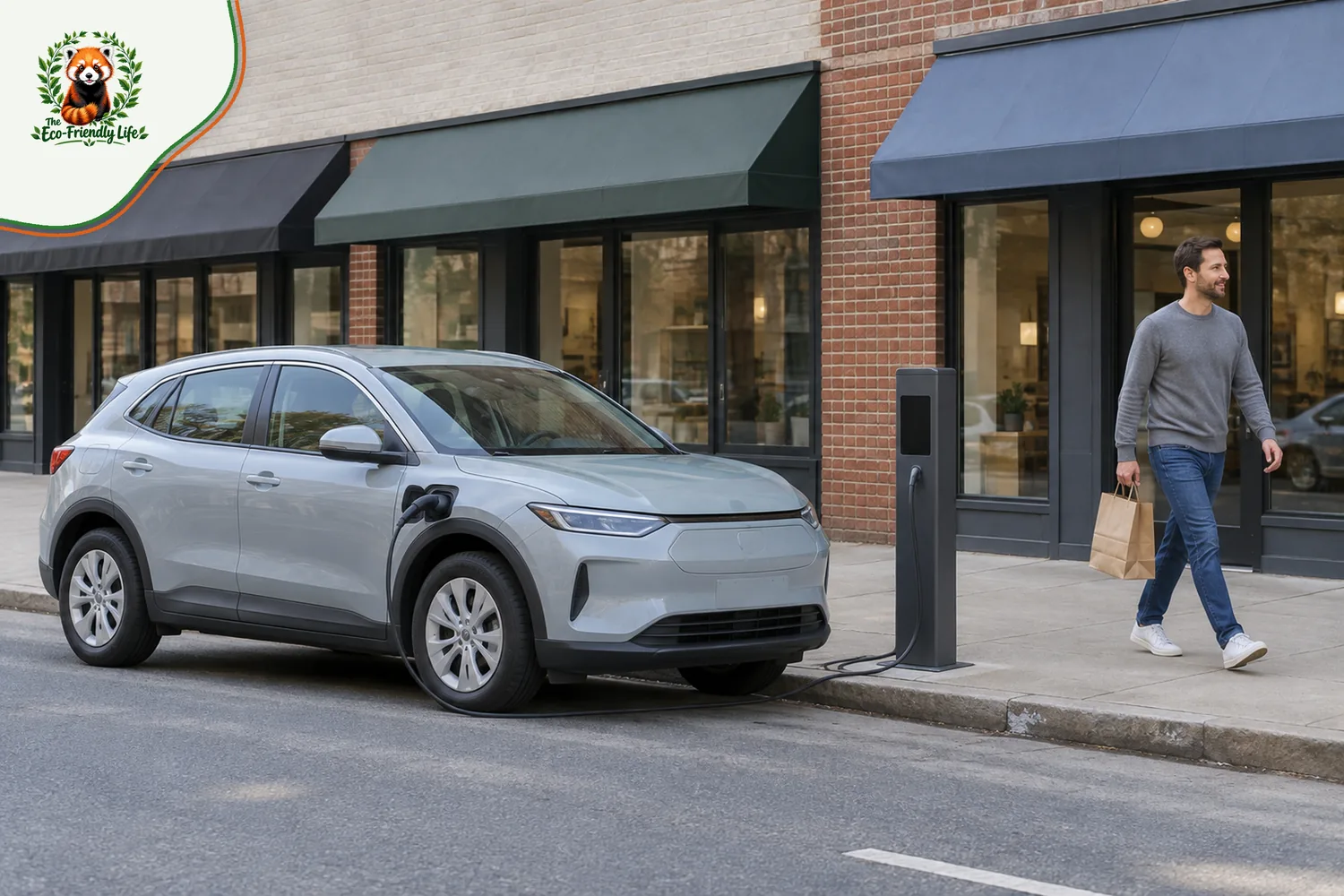
Check the trim and your country: Range falls as the trims climb, to 288 miles (opens in a new tab) on the SV+ at $34,230 USD and 259 miles on the Platinum+ at $38,990 USD, so the S+ is the sweet spot. In the UK, the Leaf is on the Electric Car Grant's Band 1 list (opens in a new tab), worth up to £3,750 off (opens in a new tab). In Australia, it isn't on sale yet and doesn't appear in Nissan Australia's range (opens in a new tab).

What we like
- 303 miles of range (opens in a new tab) for under $30,000 USD
- Supercharger access (opens in a new tab) with no adapter
- Battery thermal management and an 8-year/100,000-mile warranty
- On the UK grant's top band (opens in a new tab)
What could be better
- Not on sale in Australia yet (opens in a new tab)
- Range drops to 259 miles (opens in a new tab) on the Platinum+
- Prices are before destination fees
If a plug isn't practical and the budget is tight, the next car is the cheapest way into a hybrid.
Toyota Corolla Hybrid

★★★★☆ | ~$25,175 USD | Budget
Best for: Budget buyers who can't charge at home
- 53 city/46 highway mpg (opens in a new tab) (Hybrid LE)
- All-wheel drive available (opens in a new tab)
- 50 mpg combined (opens in a new tab) (Hybrid XLE, Toyota estimate)
- 10-year hybrid battery warranty (opens in a new tab), up to 150,000 miles (US)
The cheapest way into a hybrid here: The 2027 Corolla Hybrid LE starts at $25,175 USD (opens in a new tab) and is rated 53 mpg in the city and 46 on the highway, with Toyota estimating 50 mpg combined (opens in a new tab) on the XLE. At average US gasoline prices, that is about $8.71 USD per 100 miles in our calculation from the EIA's weekly price (opens in a new tab), the lowest fuel cost of the two hybrids here.
A hybrid in most places it's sold: The city rating beats the highway one, so stop-start commuting is where the Corolla Hybrid earns its keep, and all-wheel drive is available on the hybrid (opens in a new tab) for snowier roads. Outside the US, the hybrid is often the only choice. Every Corolla grade in Australia uses Toyota's hybrid system (opens in a new tab), and the UK Corolla Hatchback is sold as a hybrid from £30,845 on the road (opens in a new tab).

Where it falls short: This is the smallest car in the comparison, a compact sedan rather than an SUV. It still burns gasoline on every trip, which caps the lifetime saving at about 20 percent (opens in a new tab) against a gasoline car, and it needs the same servicing (opens in a new tab) as one. The upside of a long-lived hybrid is that buying secondhand makes sense too, because Toyota's US hybrid battery warranty runs for 10 years from first use (opens in a new tab), not from the day you buy.

What we like
- The lowest price here at $25,175 USD (opens in a new tab)
- About 50 mpg combined (opens in a new tab) with no change to how you refuel
- Sold as a hybrid in Australia (opens in a new tab) and the UK (opens in a new tab)
- 10-year/150,000-mile hybrid battery (opens in a new tab) warranty in the US
What could be better
- The smallest car in the comparison, and a sedan
- Still burns gasoline, with about a 20 percent lifetime cut (opens in a new tab)
- Needs conventional servicing (opens in a new tab)
The last car sits between the two camps, and whether it suits you comes down to one habit.
Toyota RAV4 Plug-in Hybrid

★★★☆☆ | ~$41,500 USD | Premium
Best for: Drivers with a home plug who still face long trips
Electric for the school run, gasoline for the long haul: The SE starts at $41,500 USD (opens in a new tab) and has an EPA-estimated 54 miles (opens in a new tab) of all-electric range, which covers the short trips (opens in a new tab) that make up most US car journeys. On electricity it's rated 101 MPGe, about $6.11 USD per 100 miles at the average home rate (opens in a new tab) in our calculation, and once the battery runs down it carries on as a hybrid at 40 mpg (opens in a new tab).
It only works if you plug it in: This is the car where your habits matter most. The European Commission found real-world plug-in hybrid emissions averaged 3.5 times the official (opens in a new tab) figures, and the ICCT's September 2026 analysis found the gap left plug-ins only about 18 percent lower (opens in a new tab) in real-world CO2 than combustion cars and conventional hybrids. Run on gasoline, this RAV4 costs about $10.89 USD per 100 miles at the EIA's weekly price (opens in a new tab) in our calculation, more than the regular RAV4 Hybrid.
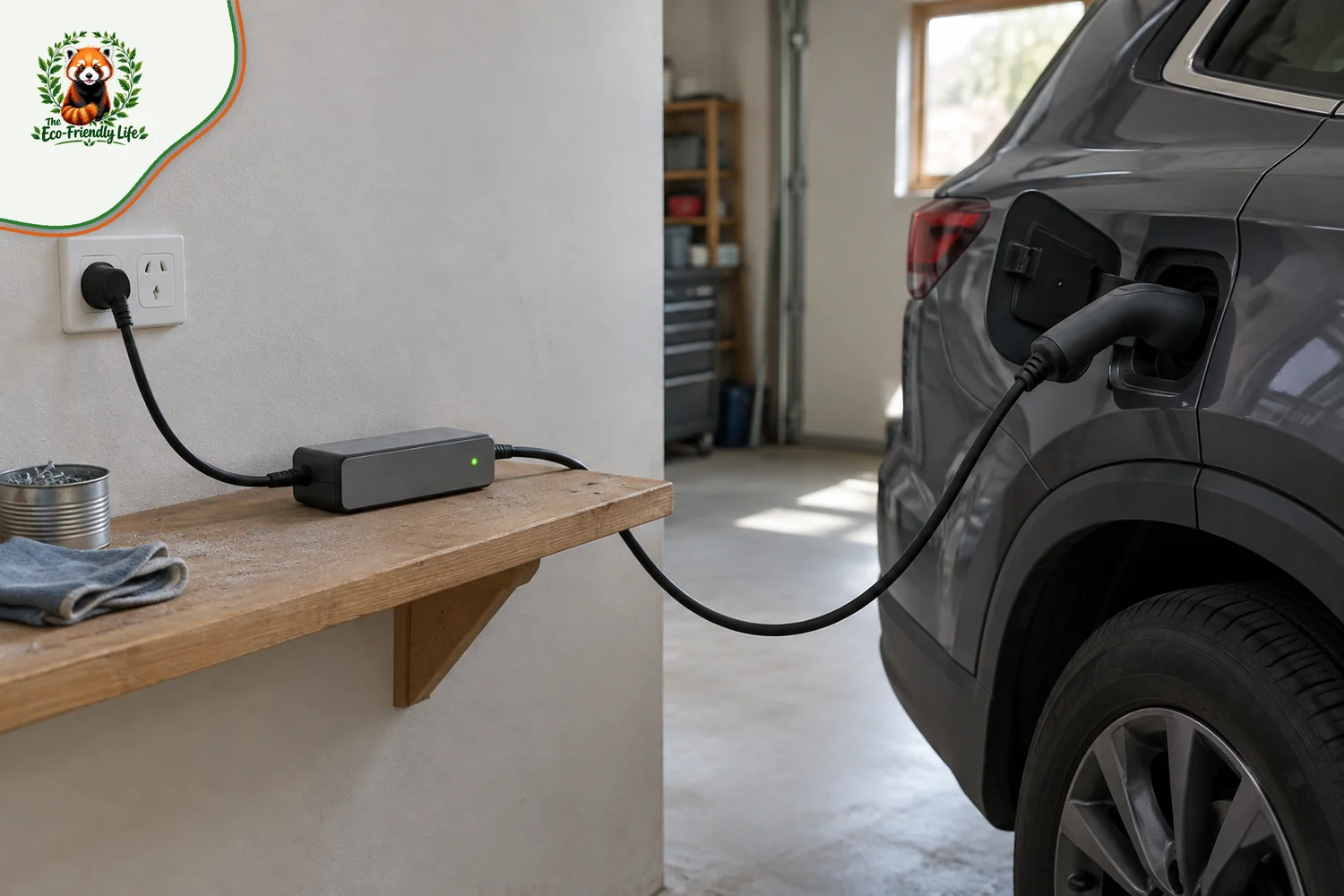
The hardware, and the price of flexibility: The SE has a 7 kW onboard charger that takes about 4 hours (opens in a new tab) on Level 2 from 10 to 80 percent, while the XSE and Woodland add an 11 kW charger and DC fast charging. At $41,500 USD it's the most expensive car here, $9,600 USD more than the RAV4 Hybrid LE, and it carries two drivetrains that both need regular servicing (opens in a new tab). In Australia, the plug-in starts at AUD 58,840 (opens in a new tab) plus on-road costs for the XSE 2WD and no longer qualifies for the fringe benefits tax exemption (opens in a new tab). If long trips happen only a few times a year, it's worth weighing lower-carbon travel for those trips against buying a car around them.

What we like
- 54 electric miles (opens in a new tab) covers most daily driving
- A gasoline engine for long trips, with no charging stops
- Cheap electric miles, about $6.11 USD per 100 at average US home prices
- 324 hp (opens in a new tab), the most powerful car here
What could be better
- Only delivers if charged: real-world plug-in emissions ran 3.5 to 4.6 times (opens in a new tab) official figures in Europe
- The most expensive car here at $41,500 USD (opens in a new tab)
- On gasoline it costs more per mile than the regular RAV4 Hybrid
- No fringe benefits tax exemption (opens in a new tab) in Australia
How They Compare
Here are the six side by side; MPGe is the distance a car travels on electricity holding the energy of a gallon (opens in a new tab) of gasoline.
How they compare
If you can charge at home, the three fully electric cars cut emissions and running costs furthest: the Ioniq 5 for its warranty and fast charging, the Model Y for efficiency and the Leaf for the lowest price of entry. If you can't, the RAV4 Hybrid and Corolla Hybrid trim fuel use without asking you to change anything, the RAV4 for families and the Corolla for tighter budgets. The RAV4 Plug-in Hybrid only earns its higher price for a household that will plug it in nearly every night.
The Companies Behind the Cars
What a car does on the road is only part of it; who makes it matters too, and two independent yardsticks let you compare the carmakers here, plus BYD, which many readers outside the US will be weighing.
How they compare
| Carmaker | Cars here | Battery supply chain score (Amnesty, 2024) | Climate lobbying (InfluenceMap, 2022-24) |
|---|---|---|---|
| Hyundai | Ioniq 5 | 21 / 90 (opens in a new tab) | D+ (opens in a new tab) |
| Tesla | Model Y | 49 / 90 (opens in a new tab) | B (opens in a new tab) |
| Toyota | RAV4 Hybrid, Corolla Hybrid, RAV4 Plug-in Hybrid | Not ranked | D (opens in a new tab) |
| Nissan | Leaf | 22 / 90 (opens in a new tab) | D+ (opens in a new tab) |
| BYD | None (not sold in the US) | 11 / 90 (opens in a new tab) | Not assessed |
What the two scores measure: Amnesty International scored 13 carmakers out of 90 on how they check for human rights abuses (opens in a new tab) in the mining and processing behind their batteries, and the best, Mercedes-Benz, managed only 51 (opens in a new tab). InfluenceMap grades how well a company's climate policy lobbying (opens in a new tab) lines up with the Paris Agreement. Neither is a verdict on the car itself, and both describe 2022 to 2024.
Tesla scores best here, and still divides buyers: Tesla scored 49 of 90 (opens in a new tab) with Amnesty and a B with InfluenceMap (opens in a new tab), which credits it with supporting combustion-engine phase-outs in the EU and UK. Its chief executive, Elon Musk, has also taken a prominent political role, and some buyers have gone elsewhere as a result: Tesla's European sales fell 27.8 percent (opens in a new tab) in 2025, though incentive cuts and Chinese competition played a part too. We put the Ioniq 5 first because it gives up little on range or price and leaves the brand question out of it. If that question doesn't weigh with you, the Model Y is the more efficient car.
Hyundai, Toyota and Nissan have records too: Hyundai scored 21 of 90 (opens in a new tab), and Amnesty found no evidence of comprehensive supply chain mapping (opens in a new tab) for its battery minerals; InfluenceMap notes it opposed US emissions standards (opens in a new tab). In September 2025, in the US state of Georgia, about 475 people were detained (opens in a new tab) in an immigration raid on the battery plant Hyundai and LG Energy Solution were building beside Hyundai's EV factory. Nissan scored 22 of 90 (opens in a new tab) and a D+ from InfluenceMap (opens in a new tab), which notes it opposed fuel economy standards in the US and Australia. Toyota wasn't in Amnesty's ranking, but it is the lowest-scoring automaker (opens in a new tab) of the 15 InfluenceMap assessed, having opposed numerous policies (opens in a new tab) to phase out combustion engines.
BYD and Geely, if you're outside the US: Outside the US, Chinese brands are a real option: BYD outsold Tesla in the UK and Germany (opens in a new tab) in 2025. Choosing one doesn't settle the company question, though. BYD scored lowest of all with Amnesty, at 11 of 90 (opens in a new tab), and in 2025 labor prosecutors in Brazil sued BYD and two contractors over conditions analogous to slavery (opens in a new tab) for 220 workers building its Camaçari plant; BYD said it does not tolerate disrespect for Brazilian law and human dignity. Geely Auto, which controls Volvo Cars and Polestar, scored 22 of 90 (opens in a new tab). In the US, BYD doesn't sell cars at all, because of 100 percent tariffs (opens in a new tab) and restrictions on connected vehicles from China, and new 2027 Polestars are barred from sale (opens in a new tab).
None of this changes how the six cars perform, but it's fair to weigh who you're buying from as well as what you're buying.
FAQs
Five questions that come up most when people weigh a hybrid against a fully electric car.
Is a hybrid better for the planet than a gasoline car?
Yes, by a modest margin. The ICCT estimates a hybrid's lifetime emissions at 20 percent below (opens in a new tab) a comparable gasoline car, against 73 percent for a battery electric car. MIT's numbers agree, at about 260 grams per mile (opens in a new tab) for hybrids against more than 350 for gasoline cars.
Can I own an electric car without a home charger?
Yes, if your driving and local charging allow it. An ordinary outlet adds about 40 miles (opens in a new tab) over eight hours, and over 73 percent of US car trips are 10 miles or less (opens in a new tab). Apartment charging can work closer to public charging (opens in a new tab), though, so check what's available near you before you buy.
How long do EV and hybrid batteries last?
Longer than most people expect. The EPA says EV batteries are designed to last (opens in a new tab) the life of the vehicle, and Geotab projects about 81.6 percent capacity (opens in a new tab) after eight years. In the US, Hyundai (opens in a new tab) covers EV batteries for 10 years/100,000 miles, Tesla (opens in a new tab) and Nissan (opens in a new tab) for 8 years/100,000 miles, and Toyota covers hybrid batteries for 10 years/150,000 miles (opens in a new tab).
Do electric cars lose range in cold weather?
Yes. In Recurrent's data from more than 30,000 US vehicles, 34 popular EV models averaged 78 percent (opens in a new tab) of their ideal range in freezing temperatures, and AAA testing cited by the EPA found losses of about 40 percent (opens in a new tab) with the heater running. A heat pump helps, adding about 10 percent of range (opens in a new tab) at 32°F.
Is a plug-in hybrid the best of both worlds?
Only if you charge it. Europe's official test assumed plug-ins would drive 80 percent on electricity (opens in a new tab), but about 21 percent would have been accurate in 2022, and the EU is due to correct its formula in late November 2026.
Our Related Articles
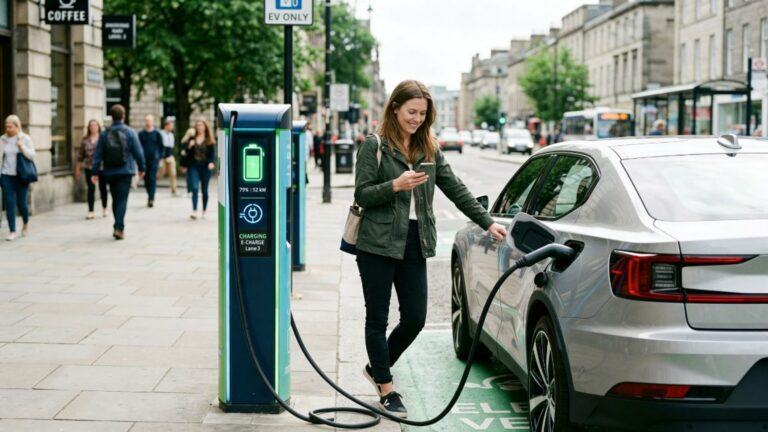
Overview Of Electric Vehicles (EVs) And Their Benefits
Electric vehicles have moved from niche curiosity to everyday reality faster than almost anyone expected. A few years ago, seeing one on the road
Read article

Solar Power: How It Works And Its Benefits
The sun rises every morning, casting its golden rays across our planet and providing an abundant source of free energy that could power our
Read article

Renewable And Non-Renewable Energy Sources Explained
Energy powers every aspect of modern life, from the lights in our homes to the vehicles we drive and the industries that create the
Read article
Conclusion
A hybrid, a plug-in hybrid and a fully electric car can all cut your fuel use, but they do it to very different degrees, and the deciding factor is usually where you'll park at night. With a home charger, a fully electric car brings the largest cut in lifetime emissions and the lowest running costs, which is why the Ioniq 5 leads, with the Model Y close behind on efficiency and the Leaf the value choice. Who makes the car is worth weighing too, and none of the companies here, or the Chinese alternatives, has a spotless record. Without one, the RAV4 Hybrid and Corolla Hybrid trim fuel use with no change to your routine, and the plug-in RAV4 suits only a household that will charge it almost every night.
Which way are you leaning, and is it your parking spot or your budget that's making the call?
