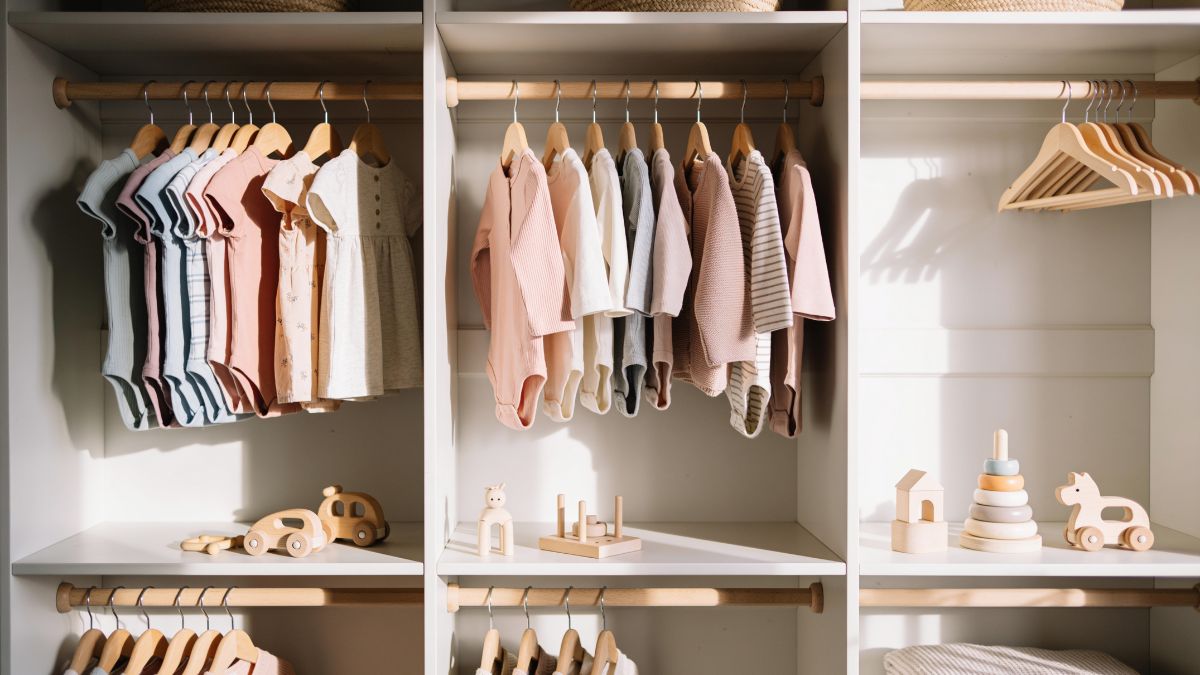

Building a sustainable, eco-friendly wardrobe for adults is challenging enough. For children, who outgrow shoes in three months and can burn a hole through the knee of a new pair of pants before you’ve washed them twice, the challenge compounds fast. The fashion industry is already one of the most resource-intensive sectors on the planet, and children’s clothing sits right at the accelerated end of it — bought quickly, worn briefly, and discarded without much thought about what went into making it.
My name is Katrina, and I’ve been refining how our family approaches kids’ clothing for several years now. Our two boys have stress-tested every system I’ve tried — losing buttons, destroying knees, and growing upward with no regard for the wardrobe we’d carefully planned. What I’ve learned is that a genuinely eco-friendly kids’ wardrobe comes down to three things: knowing which clothes are worth spending more on and why, leaning on secondhand as the default rather than the backup, and taking care of what you have so it reaches the next child in good shape. The rest of this guide covers all of it practically, so keep reading.
🌎🌱🤝 Our Top Pick — Best Organic Basics Tee for Kids
Mightly Organic Cotton Long Sleeve Pocket Tee
I picked this as the top pick because it does what the best kids’ basics do: it’s genuinely gender-neutral, sized from toddler to teen, built in 100 percent GOTS-certified organic cotton, and priced low enough that you can buy a few and rotate through them without thinking twice.
The long-sleeve design earns its place as the most-worn layer in a small capsule wardrobe — versatile enough to go under outerwear or stand alone, in non-toxic colorways that hold up through repeated cold washes.
- ✅ GOTS-certified organic cotton | Fair Trade Certified factory
- ✅ Tagless construction | Low-impact dyes
- ✅ Ships to US, Canada, UK, EU, and Australia
| ~$17.95 | Budget-friendly
👉 Shop Mightly Tee (opens in a new tab)What Children’s Clothing Is Actually Costing the Planet
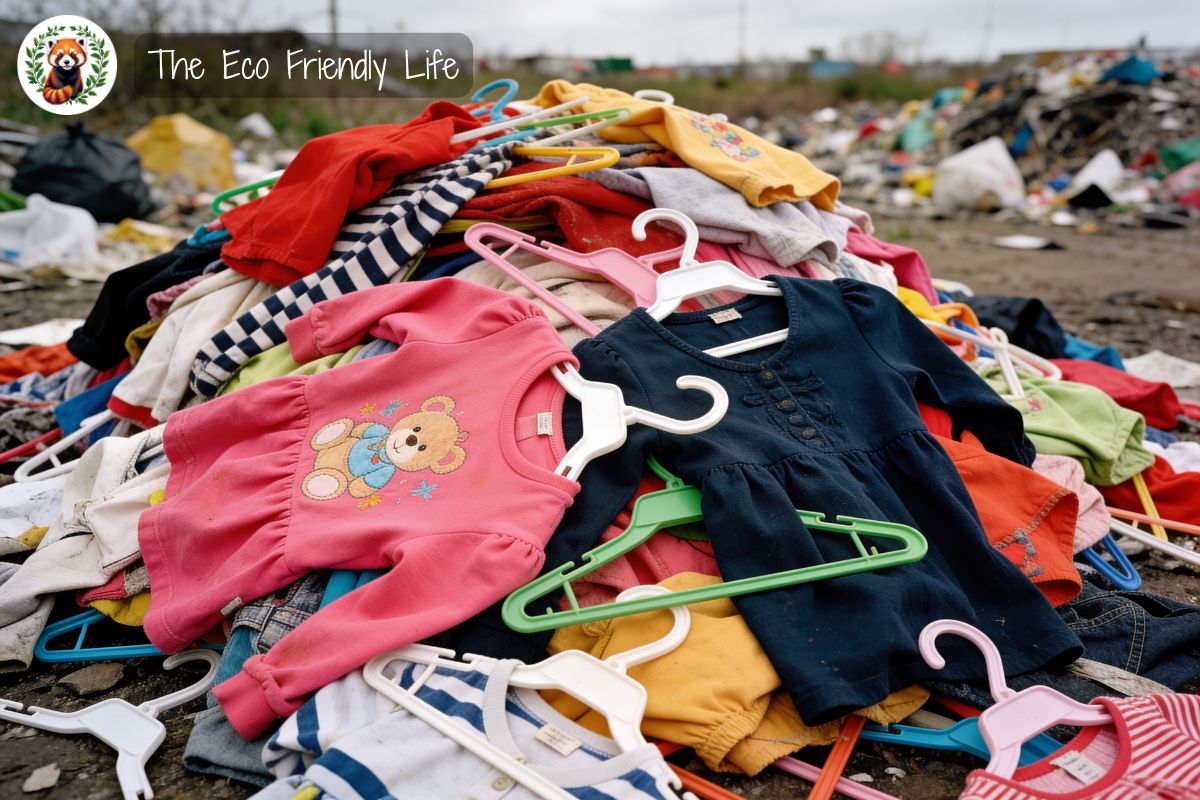
The fast fashion cycle is faster for kids than for anyone else: A baby can move through four clothing sizes in a single year. By school age, the pace slows, but the problem doesn’t — cheaply made, short-lived clothing moves through families and into landfill faster than most parents track. This rapid turnover pushes parents toward lower-cost options, which is exactly how the fast fashion industry is structured to profit. Sustainable fashion brands (opens in a new tab) designed around durability and longevity offer a direct alternative — but first, it helps to understand why the mainstream approach costs so much.
The fashion industry’s footprint is already alarming: The UN Environment Programme (opens in a new tab) reports that the textile sector is responsible for 2 to 8 percent of global greenhouse gas emissions and uses 215 trillion liters of water every year. Less than one percent of clothing is currently recycled into new clothing. Children’s clothing, with its extremely short useful life per individual owner, makes an already inefficient system significantly worse.
Conventional cotton is one of agriculture’s most chemical-intensive crops: The Environmental Justice Foundation (opens in a new tab) reports that cotton covers just 2.4 percent of the world’s cultivated land but accounts for 6 percent of global pesticide use and 16 percent of its insecticides. Those chemicals don’t stop at the farm gate — residues can persist in finished fabric, and the pesticide-heavy production model causes significant harm to farming communities. For parents choosing conventional cotton children’s clothing without knowing what produced it, that supply chain is worth understanding.
Synthetic fabrics carry their own risk profile: Polyester, nylon, and acrylic — the materials behind most budget kids’ clothing — shed microplastic fibers every time they are washed. A peer-reviewed analysis in Polymers (opens in a new tab) confirmed that washing synthetic fabrics releases thousands of microplastic fibers per laundry load into wastewater. Children’s skin is thinner and more permeable than adult skin, making direct contact with chemical-laden or microplastic-shedding fabrics a more significant concern for this age group than most mainstream kids’ clothing brands acknowledge. Reading up on eco-friendly parenting (opens in a new tab) more broadly gives the full picture of how clothing choices fit into a wider set of family decisions.
Understanding what conventional kids’ clothing costs the planet — and potentially the child wearing it — changes how you look at a rack of cheap printed tees. That context is the starting point for making better choices, and the next section covers the specific tools that help you do it.
What the Labels Mean and Which Ones to Trust
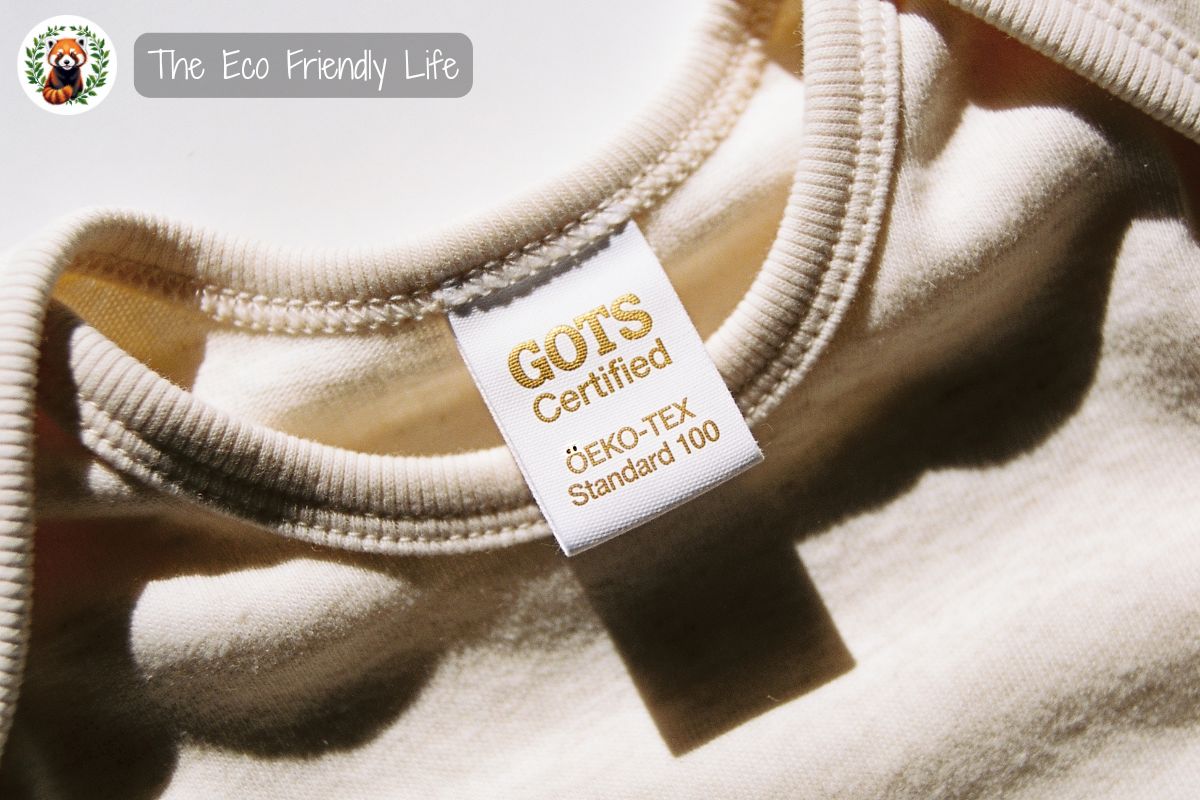
Not all certifications are equal: The two most important certifications for children’s clothing are GOTS and OEKO-TEX Standard 100 — and they test for different things. GOTS, administered by the Global Organic Textile Standard (opens in a new tab), covers the entire supply chain from farm to finished garment: cotton must be grown without synthetic pesticides, processed without toxic chemicals, and produced under verified ethical labor conditions. OEKO-TEX Standard 100, detailed on the OEKO-TEX website (opens in a new tab), tests the finished fabric for over 1,000 harmful substances — including formaldehyde, heavy metals, and azo dyes — but does not govern how the raw material was farmed. Both certifications matter; GOTS is the stronger standard for parents who want accountability from field to shelf.
🌿✨ Recommended: Mightly Long Sleeve Pocket Tee
When building from scratch with certified basics, this is where I’d start — GOTS-certified end-to-end, explicitly designed as a gender-neutral layer, and priced so you can buy multiples without stretching the budget.
- ✅ 100% GOTS-certified organic cotton | Fair Trade Certified factory
- ✅ Itch-free labels | Gender-neutral | Non-toxic dyes
Organic doesn’t always mean chemical-free: A garment labeled “organic” may only refer to the fiber content, not the dyes, finishes, or processing methods applied afterward. A shirt grown from organic cotton can still be treated with formaldehyde-based finishes or colored with azo dyes unless the entire production process is independently verified. GOTS certification covers that full production chain — not just the raw material. When you see only a vague “natural” or “eco-friendly” label without a named third-party certification, treat it as unverified. Our guide to sustainable fabrics (opens in a new tab) goes deeper on the differences between fabric types and what each certification actually covers.
Natural fibers are the safer default: Organic cotton, linen, wool, and TENCEL lyocell all outperform synthetics in both chemical safety and end-of-life biodegradability. For everyday kids’ basics — the tees, leggings, and underlayers they wear most — organic cotton or TENCEL are the right choices. For outerwear requiring weather resistance, recycled polyester is a reasonable compromise, particularly when washed using a microplastic-catching bag. Avoiding primary synthetics as a first-layer choice wherever possible is the practical starting point.
Watch for greenwashing in the kids’ market: The children’s clothing sector has been slower than adult fashion to develop rigorous sustainability standards, and some brands exploit vague terms freely. “Gentle on skin” is not a certification. “Eco fabric” is not a certification. A brand that cannot name a specific third-party standard for any claim it makes is a brand to approach skeptically. The claims worth acting on are those backed by GOTS, OEKO-TEX, Fair Trade, bluesign (a fabric-processing standard verifying chemical safety and environmental performance), or the Global Recycled Standard — all of which require independent annual verification.
Understanding certifications is half the task — the other half is knowing when to apply that knowledge and when to skip buying new entirely. The next section covers the practical shopping strategy.
Smart Shopping Strategies for an Eco-Friendly Kids’ Wardrobe
Secondhand is the most sustainable option, full stop: No certification, organic content, or ethical factory can fully undo the environmental cost of manufacturing a new garment. The most eco-friendly piece of children’s clothing is one that already exists. Our full rundown on buying secondhand (opens in a new tab) covers the platforms, the strategy, and why thrifting kids’ clothing specifically makes more sense than almost any other category. Kids’ secondhand markets are particularly strong — children outgrow clothes before they wear them out, which means secondhand kids’ clothing is frequently in excellent condition.
Buying up a size extends a garment’s life significantly: When a new purchase is necessary, buy one size larger than your child currently wears. For most children, the difference between a garment that fits perfectly right now and one with a little room is minimal — but it adds weeks or months to the garment’s useful life before it passes on to the next child. This single habit, combined with the broader sustainable wardrobe guide (opens in a new tab) the site covers, meaningfully reduces how many garments you cycle through in a year without any change in quality or spending.
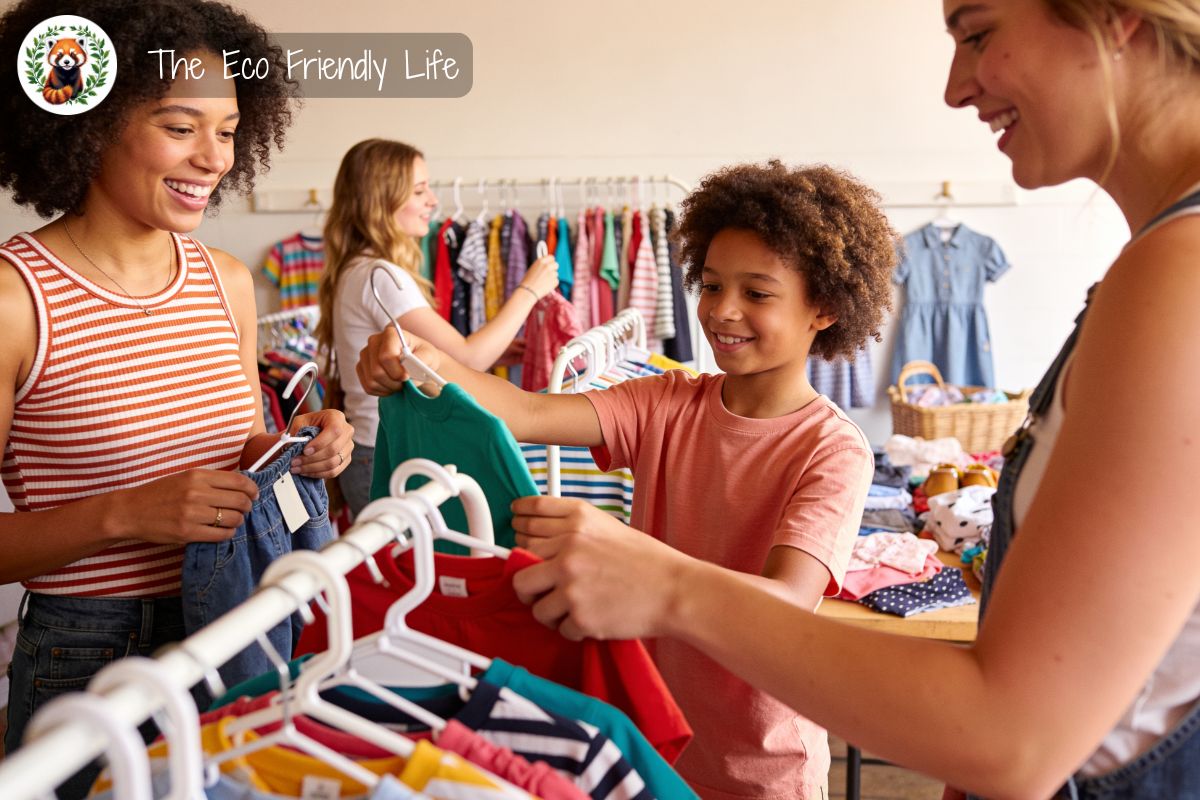
Gender-neutral and adjustable clothing stretches much further: A wardrobe built around neutral colors and classic cuts passes between children more easily — between siblings, between families, or via swap groups and resale. Brands that design in adjustable waistbands, roll-up hems, or size-extending features are worth seeking out specifically. These choices reduce the total number of items you need and make the secondhand handoff much smoother when a garment eventually leaves your household.
A capsule approach cuts through the noise: Rather than filling a drawer with options, a deliberate kids’ capsule wardrobe — typically seven to ten interchangeable pieces per season, with two or three full outfits’ worth of rotation — forces quality over quantity and creates a cleaner hand-me-down chain. The pieces that earn a place in a capsule wardrobe should be certified, durable, and versatile. This is not about restricting what children wear; it is about removing the decision fatigue and waste that comes from an overstuffed wardrobe most of which never gets worn.
Smart shopping decisions reduce the number of garments entering your household and improve the sustainability of every piece that does. The next section introduces the brands making it easier to find what you’re looking for.
Brands and Tools That Support the Planet — Our Recommendations
Finding trustworthy retailers for eco-friendly children’s clothing takes more research than it should. The brands below were chosen for verified sustainability credentials, genuine kids’ ranges, and reliable international shipping. Each carries independently verified certifications backing what they say about their products.
Patagonia
About
A certified B Corp and one of the most credible names in sustainable outdoor clothing globally, Patagonia uses Fair Trade certified sewing across more than 80 percent of its range. Its kids’ and baby collection uses organic and Regenerative Organic Certified® cotton, and covers newborns through older children. Ships internationally.
Our Recommendation
The Kids’ Graphic T-Shirt (opens in a new tab) is a 100 percent organic cotton daily tee built for active kids — the kind of reliable, certified layer that earns its place at the center of a small wardrobe. I’d pick this as the core organic piece for a kids’ summer capsule. Not the right choice if you’re looking for budget pricing, but hard to beat on durability and certification depth.
Mightly
About
A US-based certified brand making GOTS-certified organic cotton kids’ clothing from sizes 2T through 14, in Fair Trade Certified factories. Founded by moms with apparel industry backgrounds, Mightly covers the full range — tees, leggings, dresses, pajamas, hoodies, and underwear — at accessible everyday prices. Cotton is sourced through the Chetna Organic Farmers Association, a farmer-owned non-profit working with smallholder families in India. Ships to US, Canada, UK, EU, and Australia; other regions email for a quote.
Our Recommendation
The Long Sleeve Pocket Tee (opens in a new tab) is the most versatile certified starting piece I’d put in a kids’ capsule wardrobe: explicitly gender-neutral in design, GOTS-certified from field to finished garment, itch-free, and at $17.95 affordable enough to buy in rotation. Honest caveat: if you’re outside the direct shipping regions, you’ll need to contact Mightly for a freight quote, and the range doesn’t extend past size 14.
tentree
About
A Canadian sustainable brand that plants ten trees for every item purchased — over 120 million trees planted to date. The kids’ range uses organic cotton, TENCEL lyocell, and recycled polyester. tentree also offers a clothing recycling program through Supercircle. Ships internationally.
Our Recommendation
The Kids Classic Hoodie (opens in a new tab) is a practical, durable organic cotton layer for kids who spend time outdoors year-round. I’d put this in a capsule wardrobe as the go-to outerwear layer — and the tree-planting angle makes it a useful starting point for conversations with older kids about why what we buy matters. Note that this hoodie blends organic cotton with recycled polyester.
Mini Rodini
About
A Swedish kids’ fashion brand covering ages 0 through 11 with strong environmental commitments: all garments are made from 100 percent certified materials including GOTS-certified organic cotton, GRS-certified recycled polyester, and TENCEL lyocell. Offers a three-year warranty and a take-back resale program. Ships globally.
Our Recommendation
The Basic T-Shirt in Black (opens in a new tab) is a wardrobe-building staple in soft TENCEL lyocell — 100 percent biodegradable and manufactured in a closed-loop system. I’d pick this for older kids who want design personality alongside strong eco credentials. It’s a premium price point; not the right starting point if budget is tight.
Our Retailer Recommendations for Kids/Families
Frugi
About
A UK-based specialist children’s clothing brand, founded in 2004 to address the lack of sustainable kids’ options. In 2025, Frugi became a certified B Corporation with a score of 90.9. Every cotton garment is GOTS-certified, outerwear is made from recycled plastic bottles, and the brand runs an active circular clothing take-back initiative. Ships internationally.
Our Recommendation
The Hugh Dungaree (opens in a new tab) is a GOTS organic cotton dungaree with adjustable straps and three pockets — the kind of practical, durable piece I’d put in a toddler’s wardrobe as the garment that gets worn constantly and passed on in good shape. Honest caveat: Frugi’s non-UK shipping takes longer than domestic, and its aesthetic leans distinctly British/colorful, which won’t suit every preference.
Little Green Radicals
About
A UK-based brand building ethical organic kidswear since 2005 with Fairtrade-certified producers in India. Every cotton garment is 100 percent GOTS certified. Covers babies through children up to age eight, runs a take-back and resale scheme, and ships internationally. All garments are designed specifically to pass from one child to the next.
Our Recommendation
The Red Knee Patch Star Joggers (opens in a new tab) are made from organic interlock cotton with elasticated waist and cuffs and extra room for nappies on younger sizes — a genuine everyday piece. The honest caveat: the range tops out at age eight, so this brand has a limited window of usefulness as children grow.
Great brands make the sourcing decision easier, but the clothes they make still need the right care to reach their potential lifespan — and to avoid the microplastic problem that comes with synthetic fabric washing. That is what the next section covers.
How to Make Every Garment Last Longer
Cold water washing extends fabric life and cuts energy use: The majority of a garment’s carbon footprint over its lifetime comes from how it is washed and dried, not from how it is made. Washing in cold water — 30 degrees Celsius or below — significantly reduces energy consumption per cycle and is gentler on fibers, which means GOTS-certified organic cotton pieces hold up much longer before thinning or pilling. For kids’ clothes, which go through more wash cycles than adult clothing, making this switch has immediate, measurable impact. Similar thinking applies across many categories of household consumption, as the eco-friendly diapers (opens in a new tab) guide on this site explores for parents of younger children.
A washing bag catches microplastics before they reach the water supply: For any synthetic or blended garment in your household — whether recycled polyester outerwear or a stretch-blend legging — washing inside a microplastic-filtering bag prevents the bulk of synthetic fiber shedding from entering wastewater. The Guppyfriend Washing Bag is the most research-backed option available, designed to capture loose microfibers inside the bag so they can be disposed of as solid waste rather than flushed into waterways. For a household making a gradual transition from synthetic to organic fabrics, this is an effective interim measure.
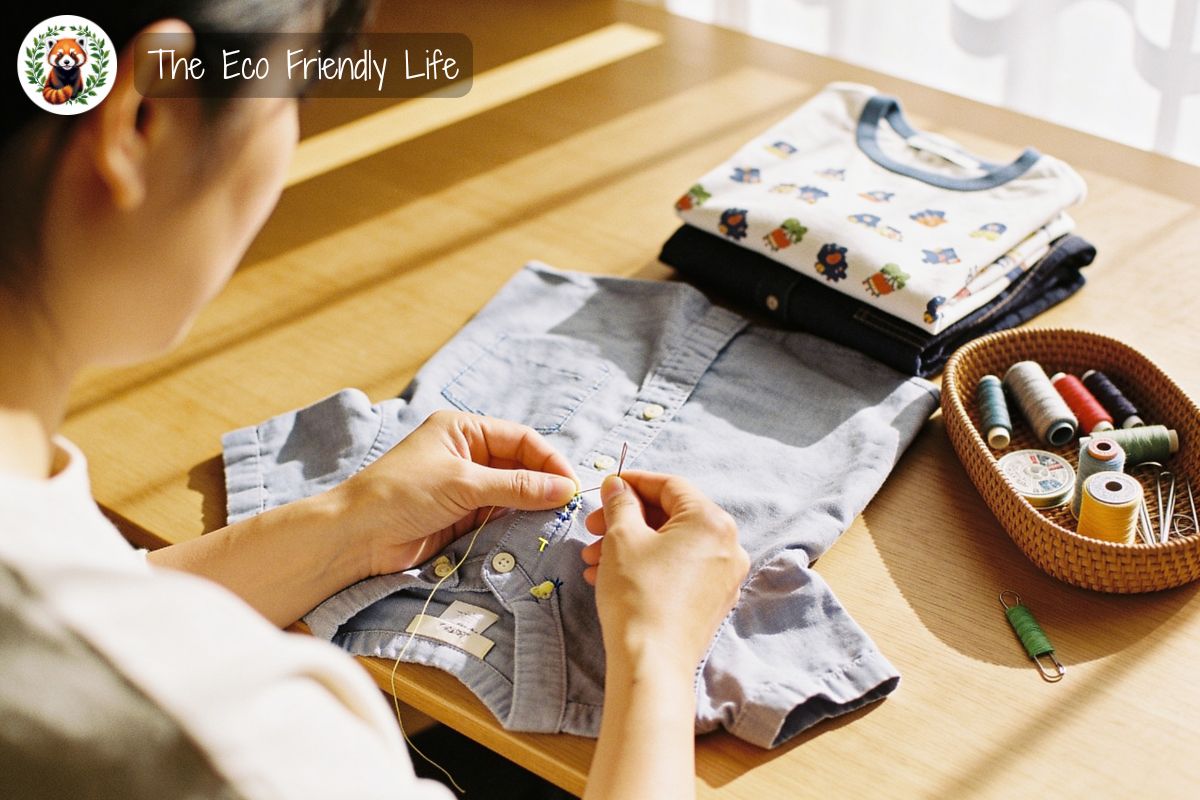
Mending and patching keeps garments in circulation far longer: Kids’ clothes fail in predictable places — knees, elbows, and hems. A simple iron-on patch or a five-minute hand stitch on a worn knee can extend a garment’s life by a full season. Several eco-focused kids’ brands sell matching patch kits for exactly this reason. Teaching children to treat repair as normal maintenance — not as a sign of a broken garment — builds a habit that will serve them and the planet well beyond childhood.
Passing on and donating closes the loop: A garment that has reached the end of its useful life in your household has not necessarily reached the end of its useful life entirely. Active kids’ clothing swaps, local charity shops, school networks, and platforms including Vinted and ThredUp all provide routes for well-maintained pieces to find a second home. For clothes that are genuinely worn out, textile recycling programs — offered by several of the brands above and through municipal schemes in many cities — recover fiber for reuse rather than sending it to landfill. The circular wardrobe functions when everyone in the chain treats a garment as an asset to pass on rather than waste to discard.
An eco-friendly kids’ wardrobe comes down to decisions made consistently over time — at the point of purchase, at the washing machine, and at the moment you consider whether something is truly finished. The practical tips below summarize the most actionable of those decisions in one place.
Practical Daily Tips You Can Action Today
These ten habits, applied consistently, make a meaningful difference across a child’s wardrobe lifetime.
| Tip | How to Implement | How It Helps |
|---|---|---|
| Check for GOTS or OEKO-TEX before buying new | Look for the certification logo on the label or product page before any new purchase | Guarantees independent verification of chemical safety and supply chain standards |
| Default to secondhand first | Before buying any new kids’ garment, search ThredUp, Vinted, or a local consignment store | Eliminates manufacturing emissions and keeps existing garments in active use |
| Buy one size up from current fit | When purchasing new, go one size larger than what fits right now | Extends the garment’s life in your household by weeks or months before it passes on |
| Wash in cold water | Set the washing machine to 30°C or below for all kids’ clothing cycles | Reduces energy use per wash and extends fiber life significantly |
| Use a microplastic-catching bag for synthetics | Wash all polyester or blended fabrics inside a Guppyfriend Washing Bag | Prevents synthetic fibers from entering wastewater and ultimately the ocean |
| Air dry whenever possible | Hang or lay flat to dry rather than tumble drying | Reduces energy use and prevents heat damage to fabric fibers |
| Patch knees and elbows before discarding | Keep iron-on patches on hand and apply at first sign of wear-through | Adds a full season or more to a garment’s usable life |
| Build gender-neutral where possible | Choose neutral colorways and classic cuts when buying new or secondhand | Makes pieces easier to pass between siblings or resell to different households |
| Join or host a clothing swap | Organize a neighborhood or school-based kids’ clothing swap each season | Eliminates purchase costs and gives high-quality garments a direct second home |
| Sign up for brand recycling programs | Register purchases from brands with take-back programs and use them at end of garment life | Diverts end-of-life garments from landfill into fiber recovery |
Apply these consistently and the impact accumulates quickly across a child’s growing years. The questions below address the specific details that tend to come up most.
FAQs
Here are the questions that come up most often when parents start thinking seriously about eco-friendly kids’ clothing.
Is organic cotton genuinely safer for children’s skin? GOTS-certified organic cotton is grown and processed without synthetic pesticides or harmful chemical finishes, which reduces potential residue contact with skin. Children’s skin is thinner and more permeable than adult skin, which makes the absence of chemical residues genuinely relevant — not just a marketing point.
Is secondhand clothing safe for young children? Yes. Secondhand clothing from established resale platforms or charity shops has already been washed multiple times, which removes most surface chemical residues. For babies and very young children, washing secondhand items before first use is a straightforward additional step.
Do I need to replace all our clothes at once to make a difference? No. The most sustainable action is to use what you already have until it genuinely needs replacing, then make the next purchase a better one. A complete overnight wardrobe swap creates waste from perfectly functional garments. Replace items gradually as they wear out and focus new-purchase decisions on the highest-use items first — everyday tees, leggings, and school layers.
Are eco-friendly kids’ clothes significantly more expensive? The upfront price of GOTS-certified organic cotton garments is usually higher than conventional alternatives. Over a garment’s full lifespan — including secondhand life, hand-me-down value, and durability across more washes — the cost per wear often works out lower. Secondhand certified pieces combine certification quality with secondhand prices.
Organizations to Support — Our Recommendations
These three organizations are working on different parts of the fashion industry’s environmental and social impact, and each accepts direct donations.
- Fashion Revolution is the global activist organization behind Fashion Revolution Week, which campaigns for supply chain transparency across the industry. Their work directly targets the fast fashion culture that drives overproduction and poor labor conditions worldwide. Support their campaigns at their take action page (opens in a new tab).
- Clean Clothes Campaign is the world’s largest network of labor unions and NGOs working to improve conditions for garment workers globally. Their campaigns hold brands accountable through public pressure and policy advocacy, with over 220 member organizations across 45 countries. Donate at cleanclothes.org (opens in a new tab).
- Textile Exchange is a global nonprofit that develops and drives industry adoption of more sustainable textile materials and practices — from organic cotton to recycled fiber standards. Their certification work underpins many of the standards referenced in this article. Support their mission at Textile Exchange’s donation page (opens in a new tab).
Each of these organizations is working on a meaningful part of the problem, and supporting any of them is a direct contribution to the broader change this industry needs.
Resources and Further Reading
These three sources provide the research foundation and reference detail for going further than this guide.
- The Global Organic Textile Standard (GOTS) publishes the full technical certification standard at global-standard.org (opens in a new tab). Reading the standard itself gives a clear picture of what GOTS-certified brands are actually committing to across their entire supply chain, from field to finished garment.
- Textile Exchange’s Reports Archive is an annual research publication tracking global fiber production, material adoption, and sustainability progress. The most recent editions are accessible at the Textile Exchange knowledge center (opens in a new tab). It is the most data-rigorous public overview of where the textile industry currently stands.
- Fashion Revolution’s resource library publishes consumer education materials including guides to reading clothing labels and understanding certifications. Their full archive at Fashion Revolution resources (opens in a new tab) is a solid entry point for anyone wanting to go beyond the basics covered here.
Together, these sources provide the technical detail, industry data, and consumer tools to take your approach to sustainable children’s clothing significantly further.
Our Related Articles
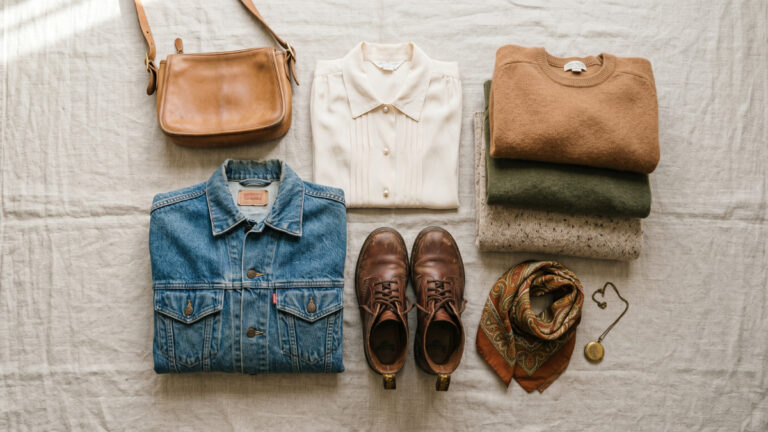
Benefits Of Buying Secondhand: Thrifting, Vintage, And Resale
The fashion industry is one of the world’s most resource-intensive sectors, contributing billions of tons of waste, enormous volumes of water consumption, and a significant…
Read More (opens in a new tab)
How To Transition To A Sustainable Wardrobe
The fashion industry is one of the most resource-intensive on the planet, consuming vast amounts of water, energy, and raw materials while generating significant waste…
Read More (opens in a new tab)
A Guide To Sustainable Fabrics: Organic Cotton, Hemp, Bamboo, And More
The clothes we wear tell a story far beyond their style. Every garment begins its journey in fields, forests, or factories, leaving an environmental footprint…
Read More (opens in a new tab)Conclusion
Building an eco-friendly wardrobe for children is not a single purchase decision — it is a series of small, consistent choices made over time. The most important of those choices are checking for GOTS or OEKO-TEX certification before buying anything new, making secondhand the default rather than the last resort, buying for durability and sizing up, and caring for every garment through cold water washing, timely repairs, and a clear plan to pass it on. None of these require spending significantly more money, and several reduce what you spend.
The brands featured here — Patagonia, Mightly, tentree, Mini Rodini, Frugi, and Little Green Radicals — represent credible, verified options across a range of price points and styles, with independently verified environmental credentials. But the most eco-friendly wardrobe is still the one that buys less new clothing in the first place.
Have you started building a more eco-friendly wardrobe for your kids, and which strategy has made the biggest practical difference — sourcing secondhand, looking for GOTS certification, or extending garment life through better care?
